
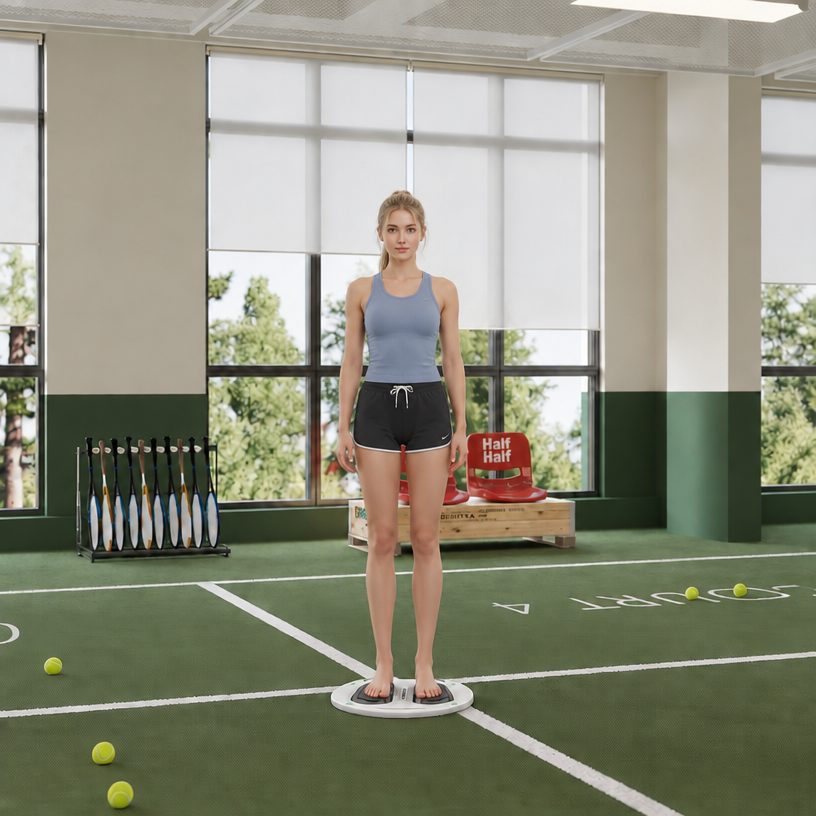
Thick Socks, a Cold Floor and a Footprint That Reads Small
Sock thickness and surface temperature change what a footprint board shows. Reading it honestly.

Sock thickness and surface temperature change what a footprint board shows. Reading it honestly.
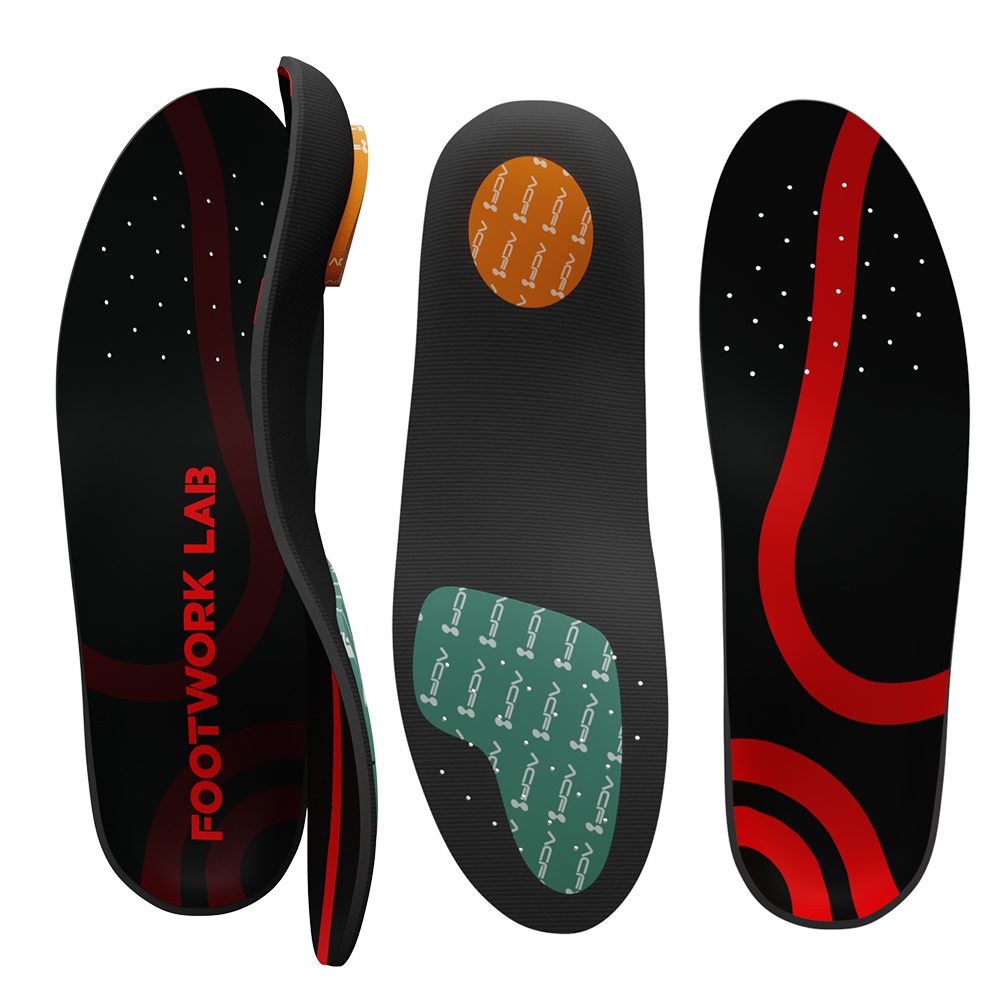
Why a junior athlete gets a rebuild sooner than an adult, and what to record each time.
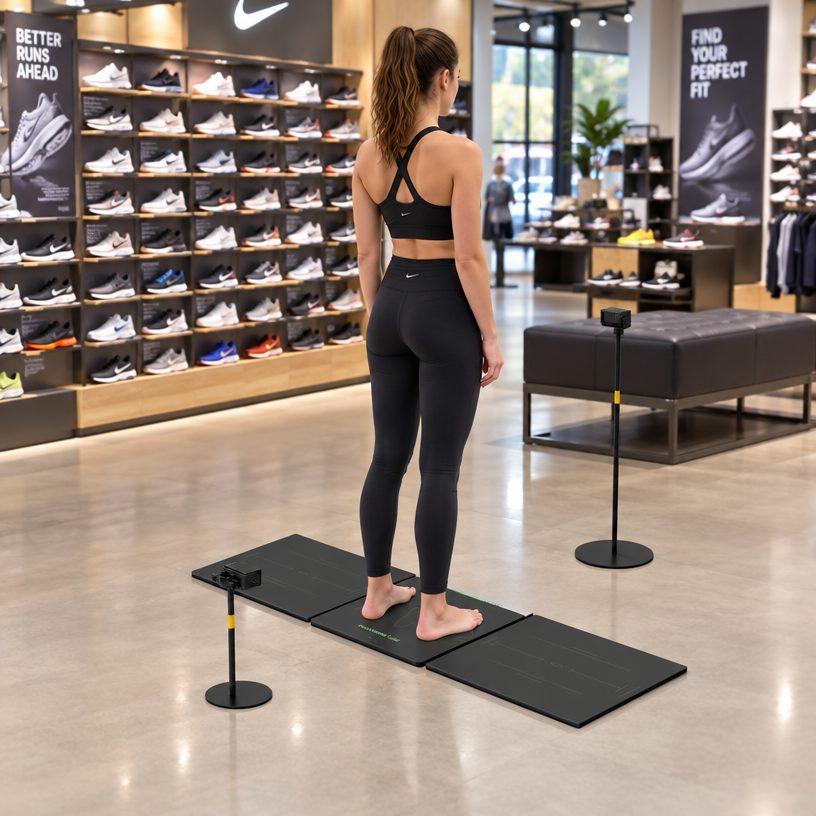
Where the platform sits and how the room is lit decide whether two captures can be compared.
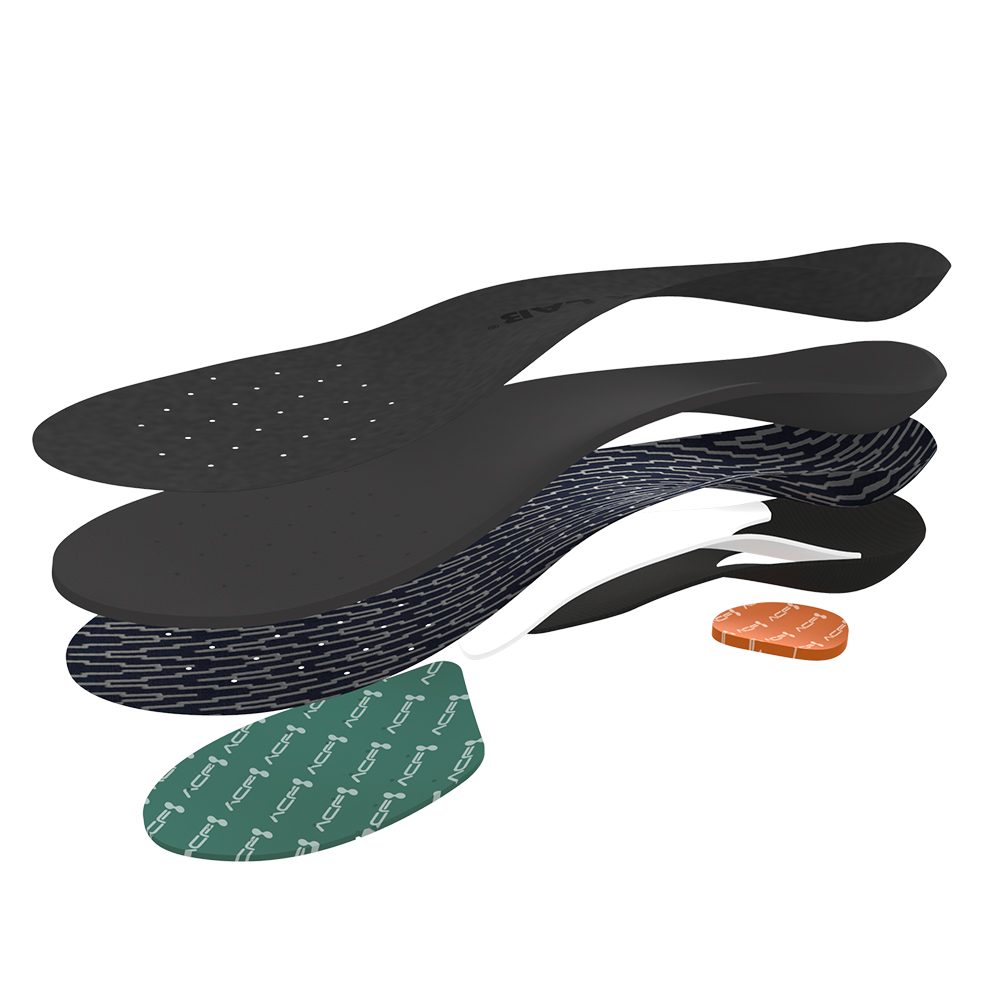
A sound the customer notices before anything else. Tracing squeak, slip and rub back to the right cause.
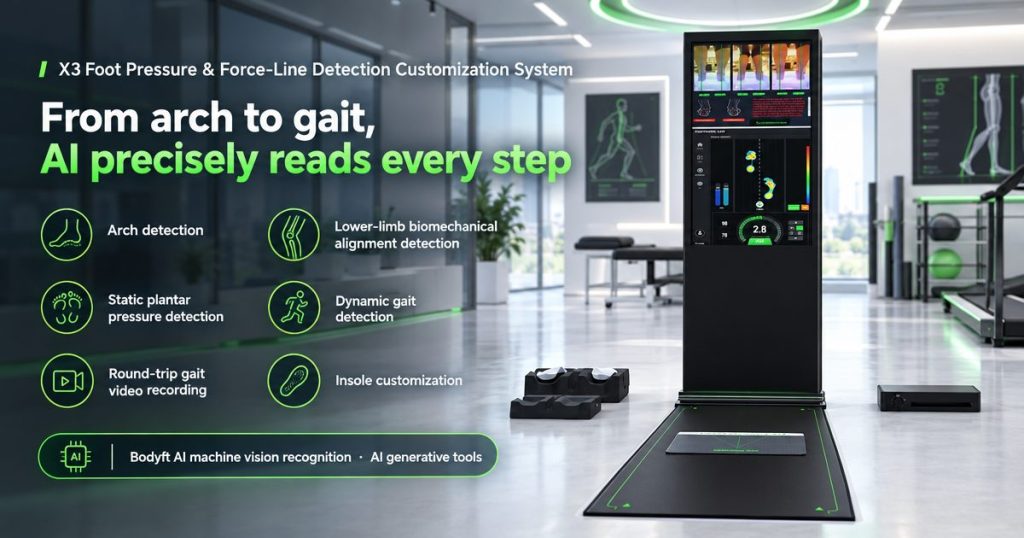
A gap under the toes is not always a sensor problem. How operators spot a curled-toe pass and what to do before reframing.
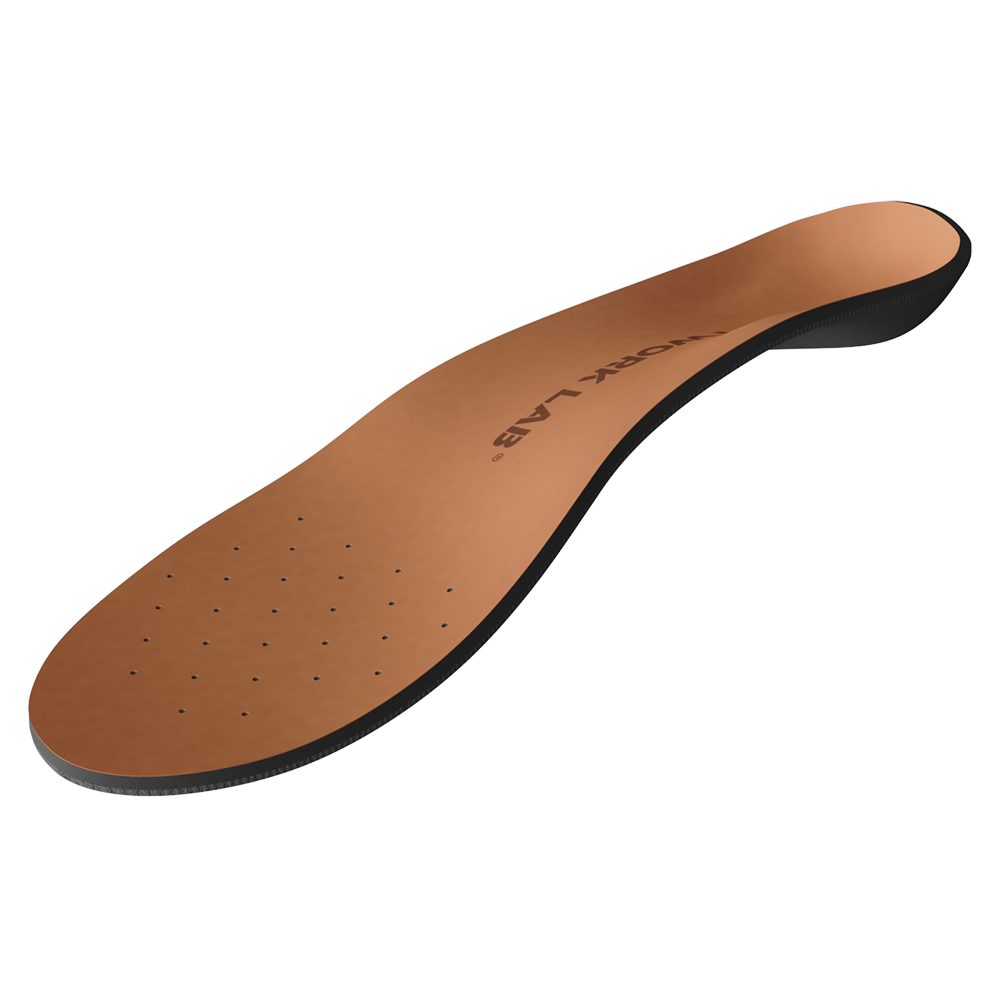
Weight change moves load before it moves shape. When a rebuild is warranted and when a retest is enough.
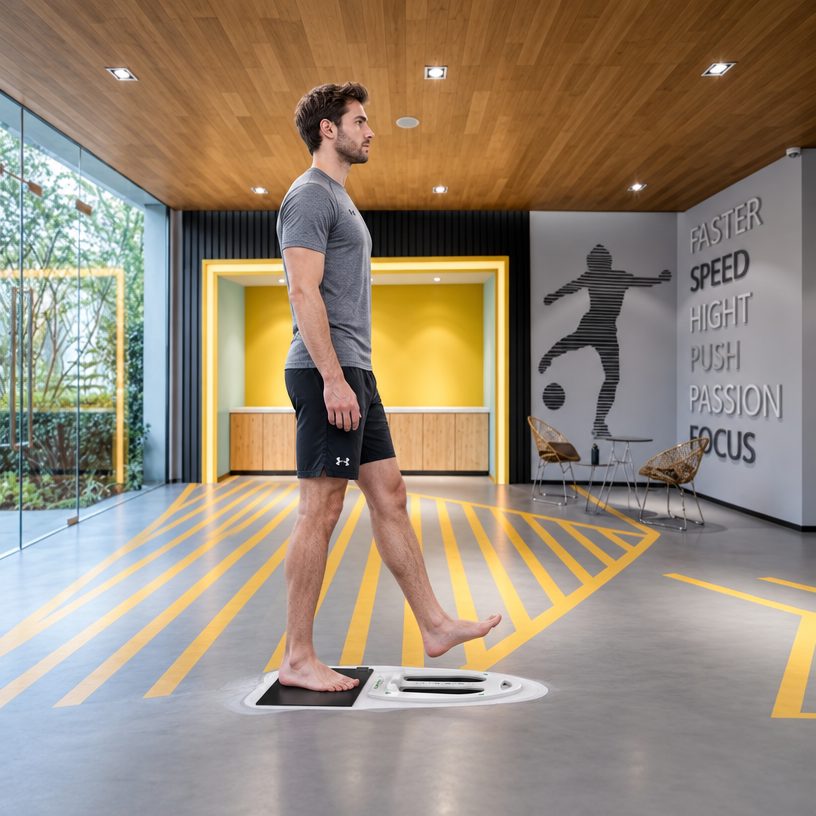
A warm mark records contact, not force. Where a temperature footprint is useful and where it stops.
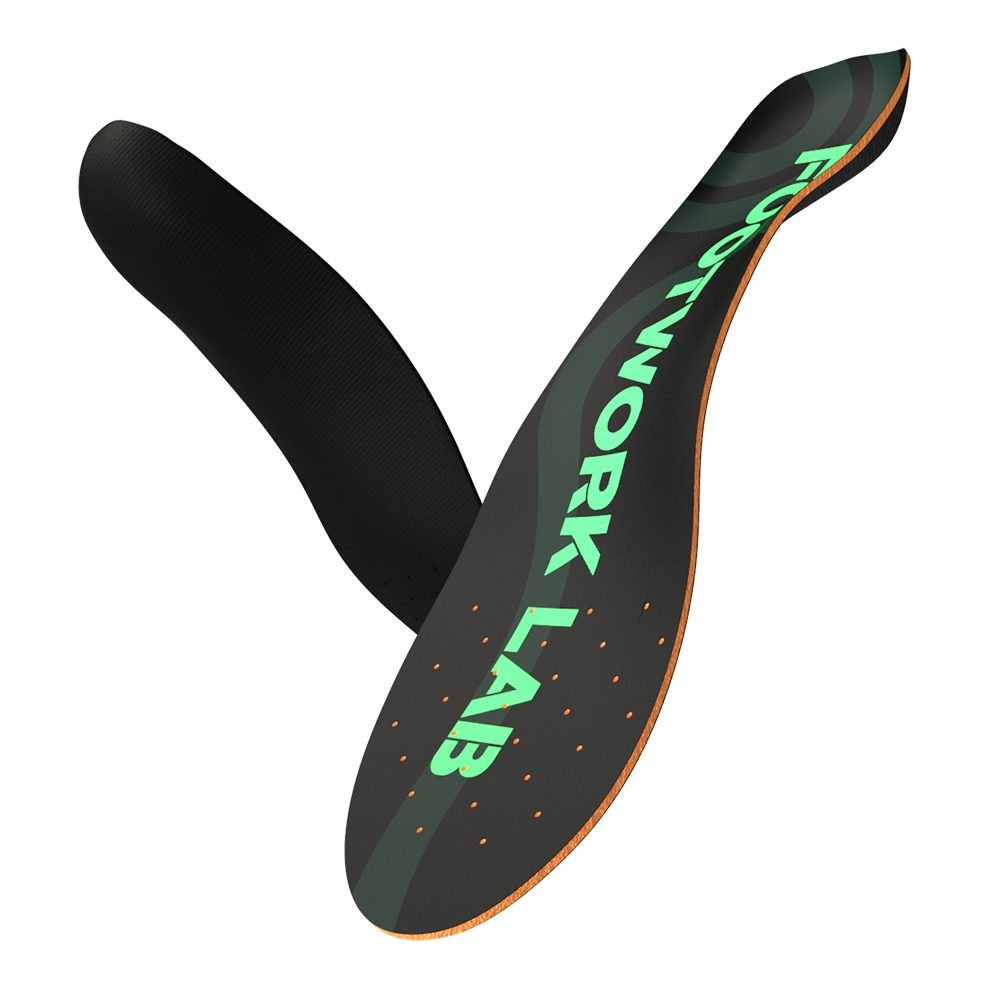
Most cover failures are decided before the press closes. The three steps that carry the bond.
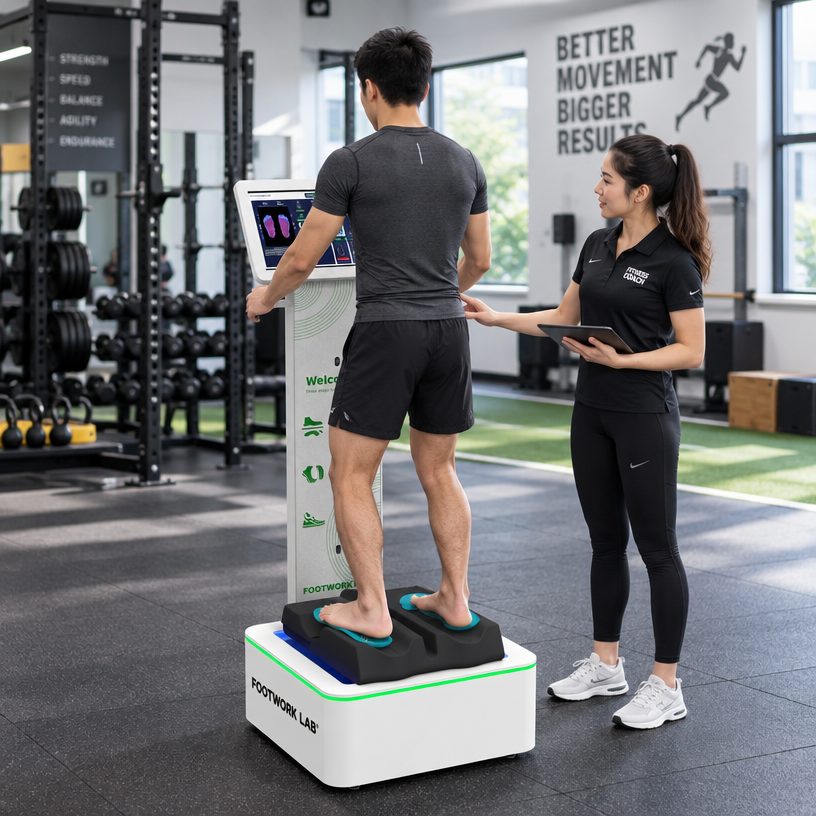
Nobody arrives in a bodysuit. What loose clothing does to a posture record, and how to note it.
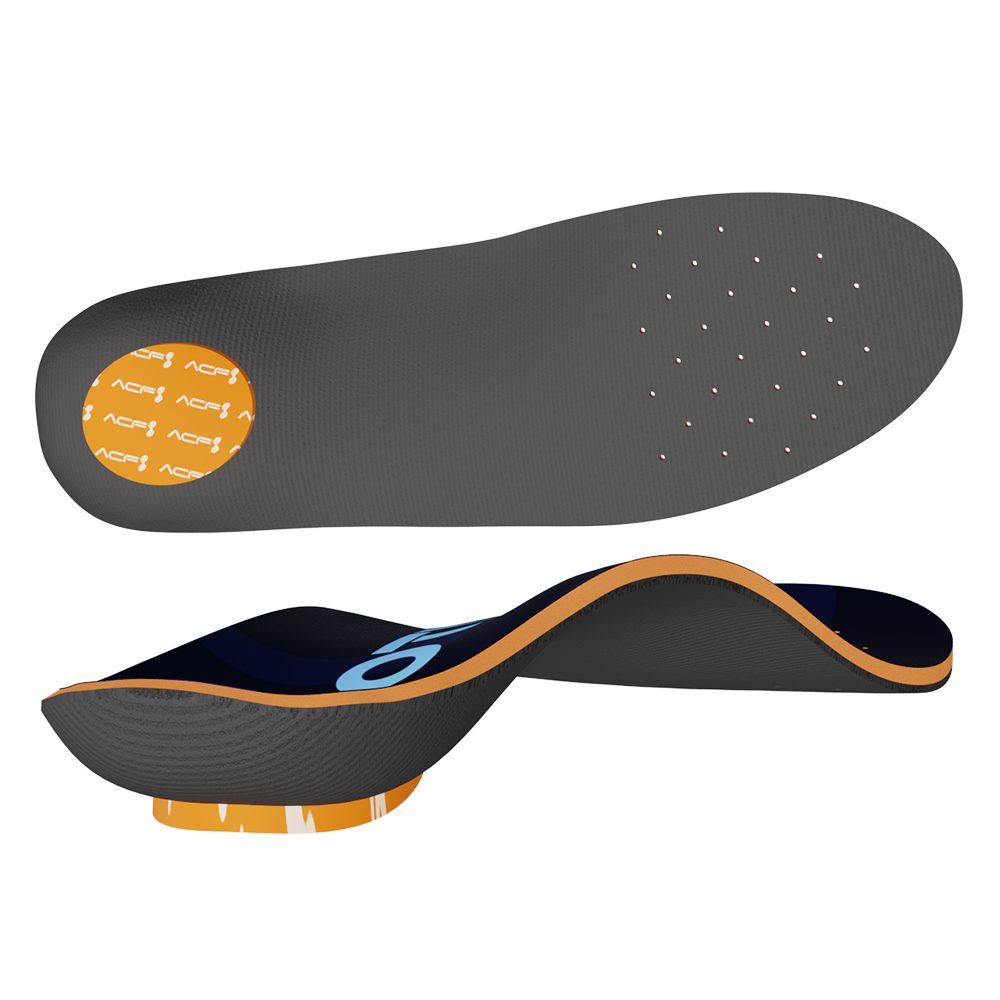
Customers describe a day, not a specification. The questions that turn one into the other.
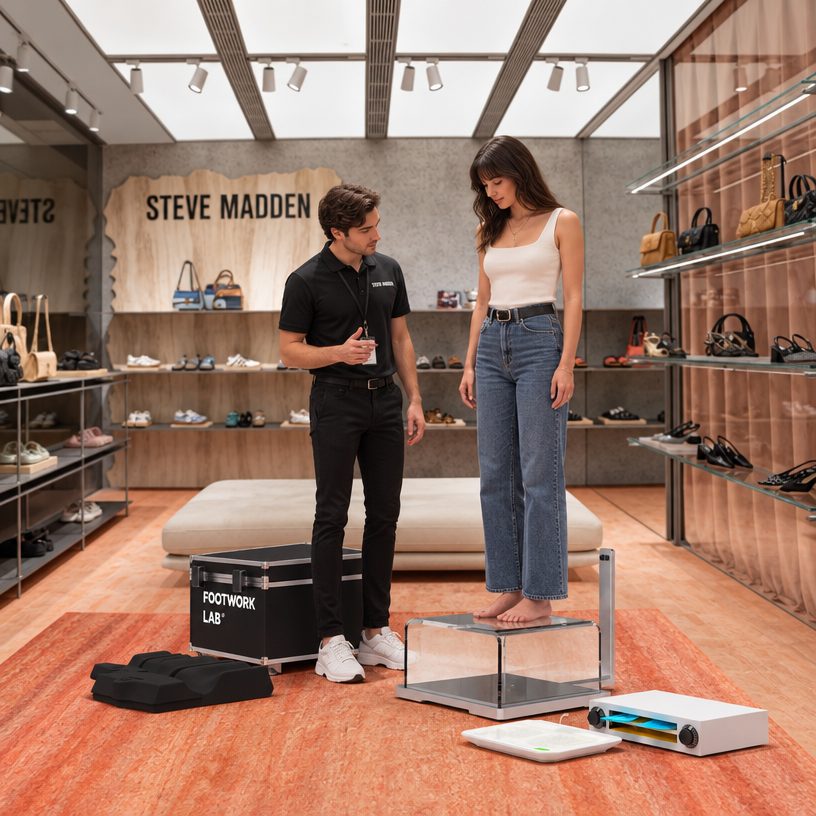
A sheet of paper with two footprints on it still does something a screen cannot. What that is.
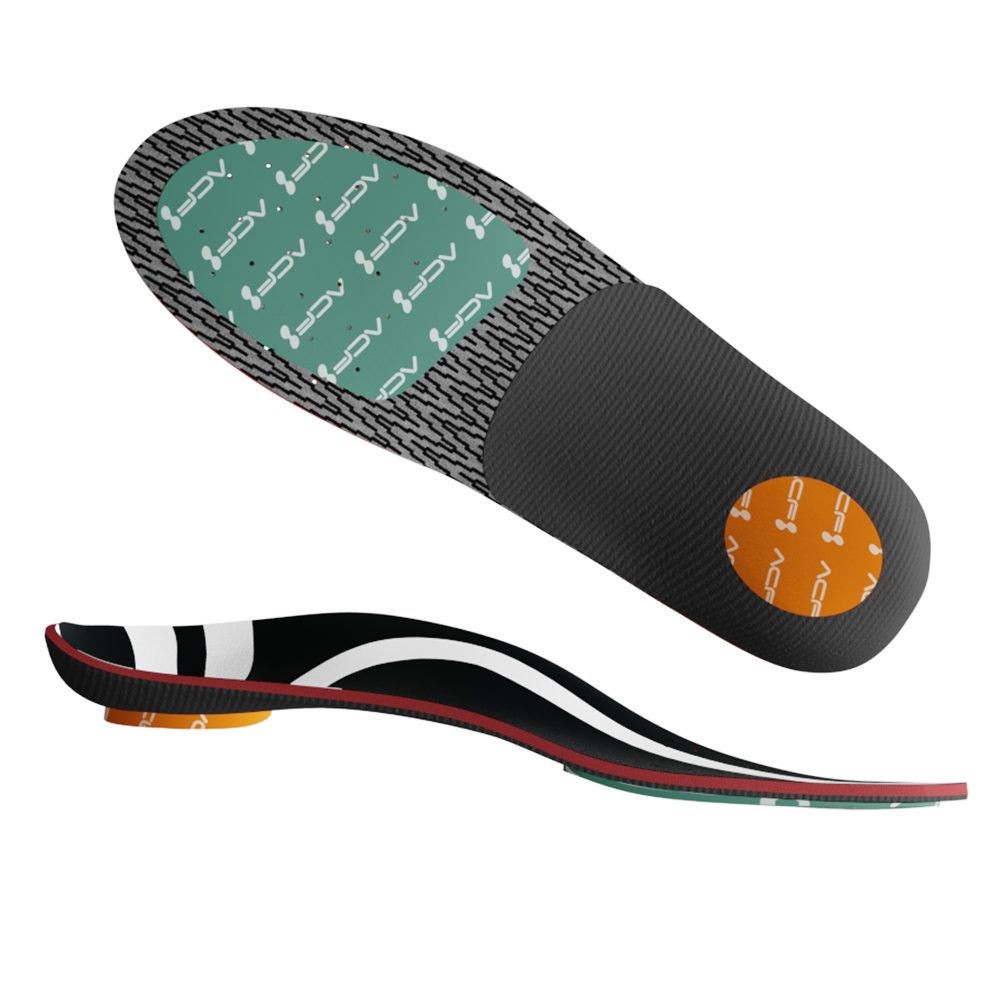
A reorder two years later depends on what was labelled on the day of the first order.