
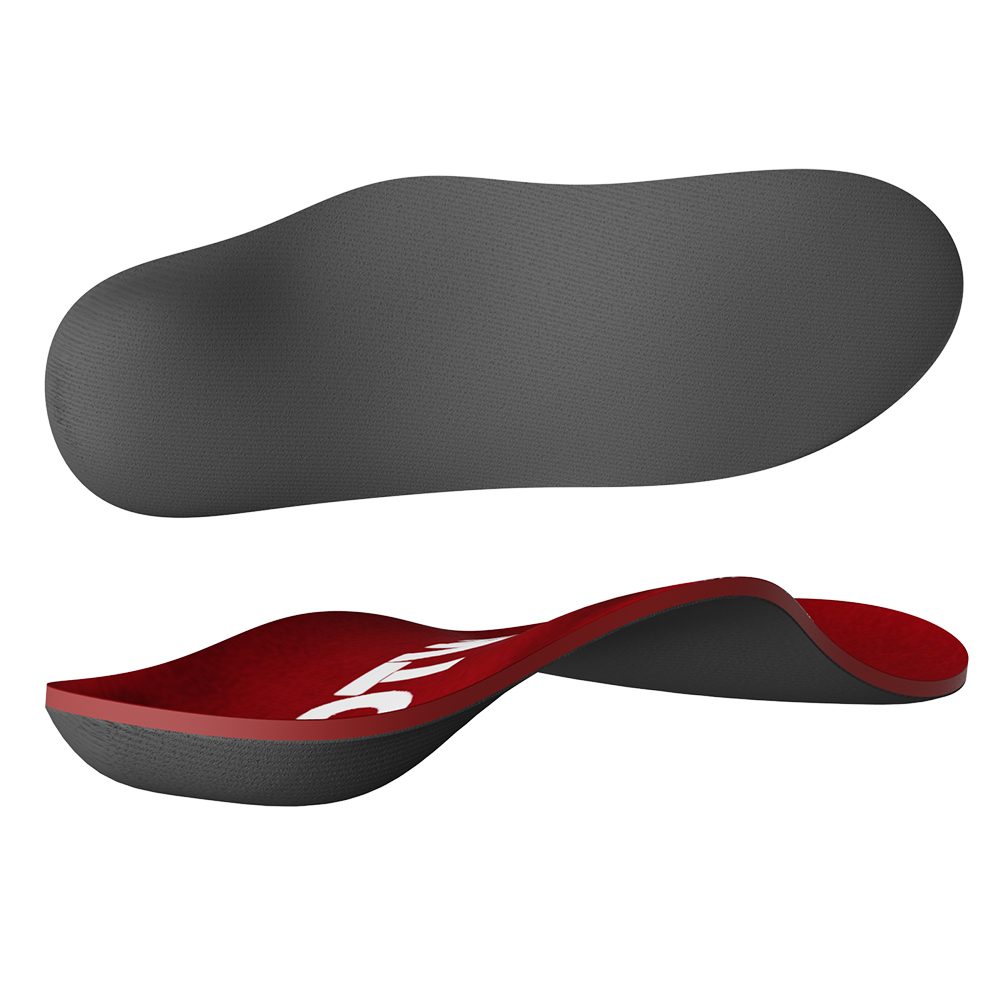
Insole Material Selection: Mesh, Foam and Board Explained Plainly
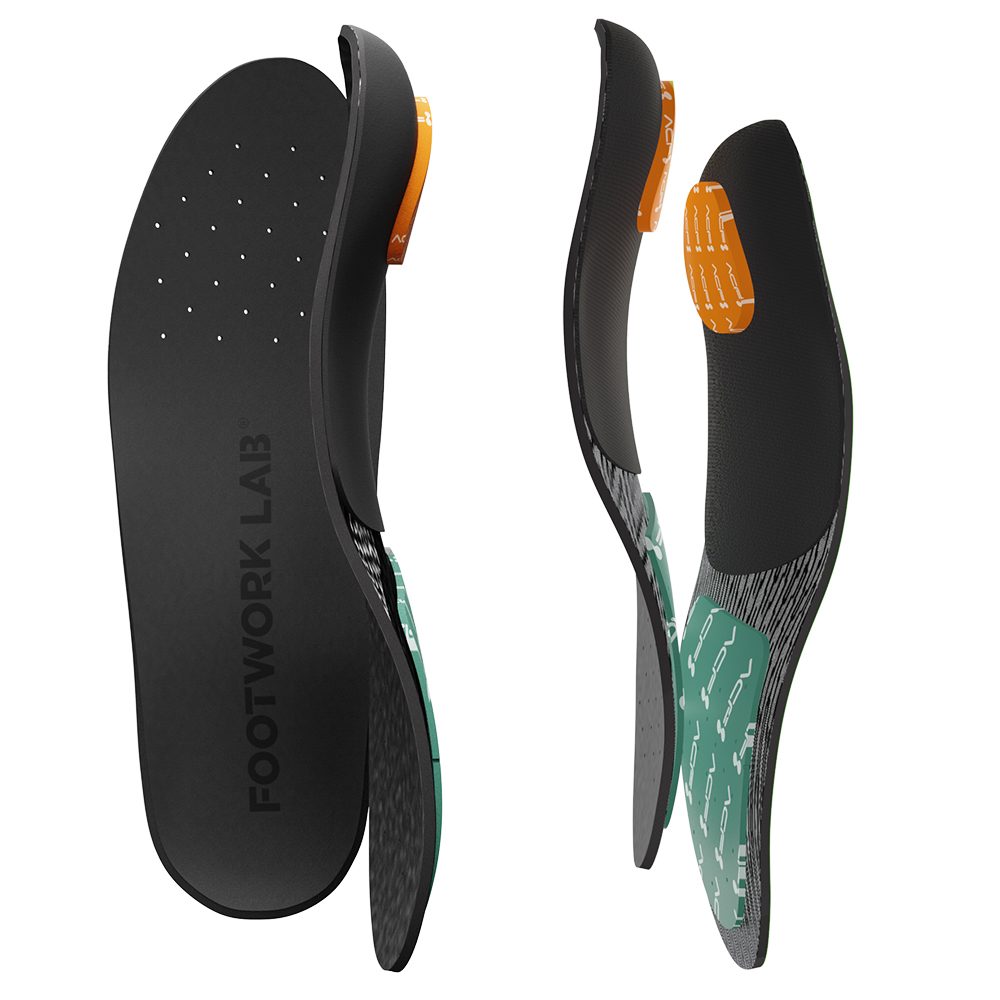
Three layers, three jobs. What the top cloth, the cushioning layer and the shaping board each do, and how the combination changes the feel.

Three layers, three jobs. What the top cloth, the cushioning layer and the shaping board each do, and how the combination changes the feel.
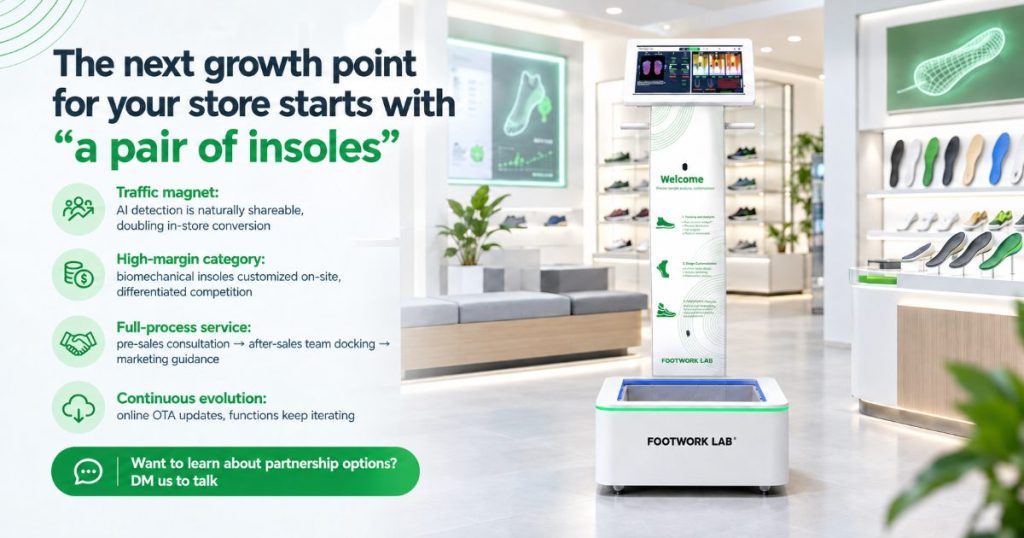
A record can support a claim; it does not decide one. What a scan file contains, how it is archived, and where our role stops.
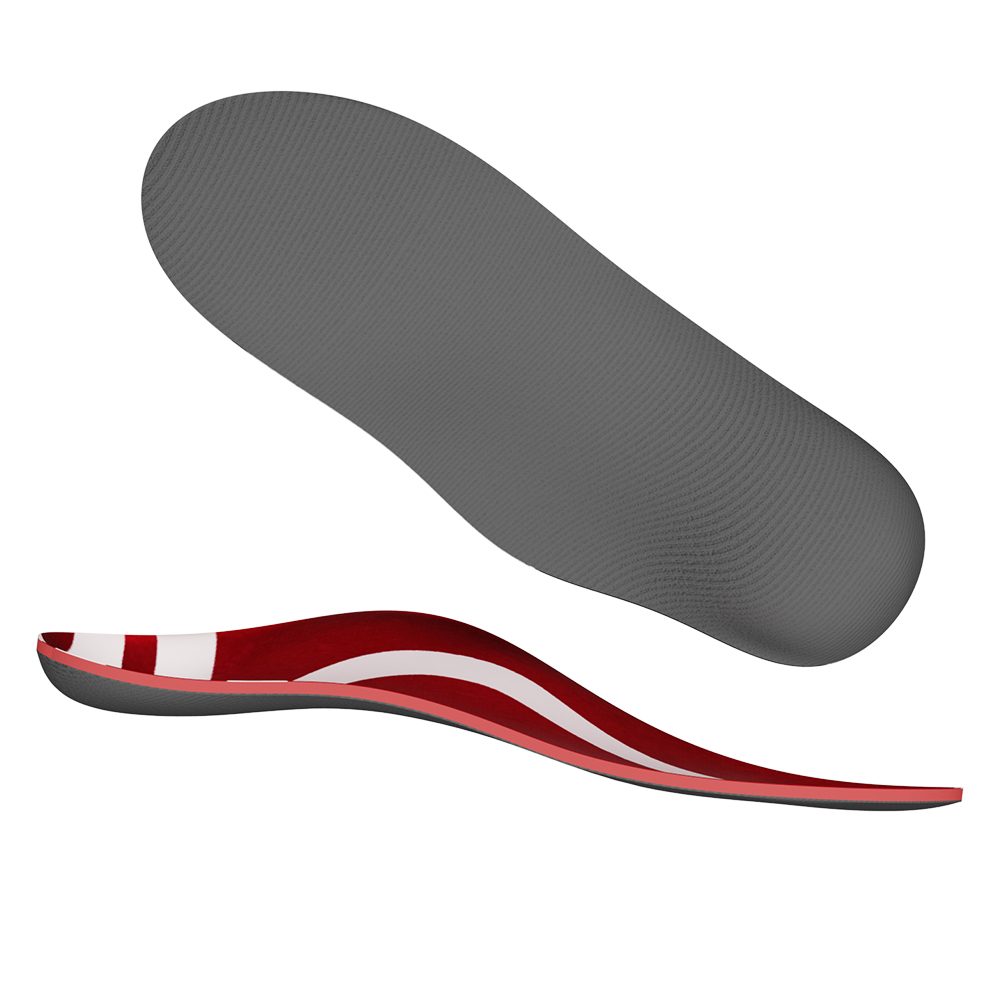
A sample answers questions a catalogue cannot. What three days of sampling proves, what it leaves untested, and what to settle before the bulk order.
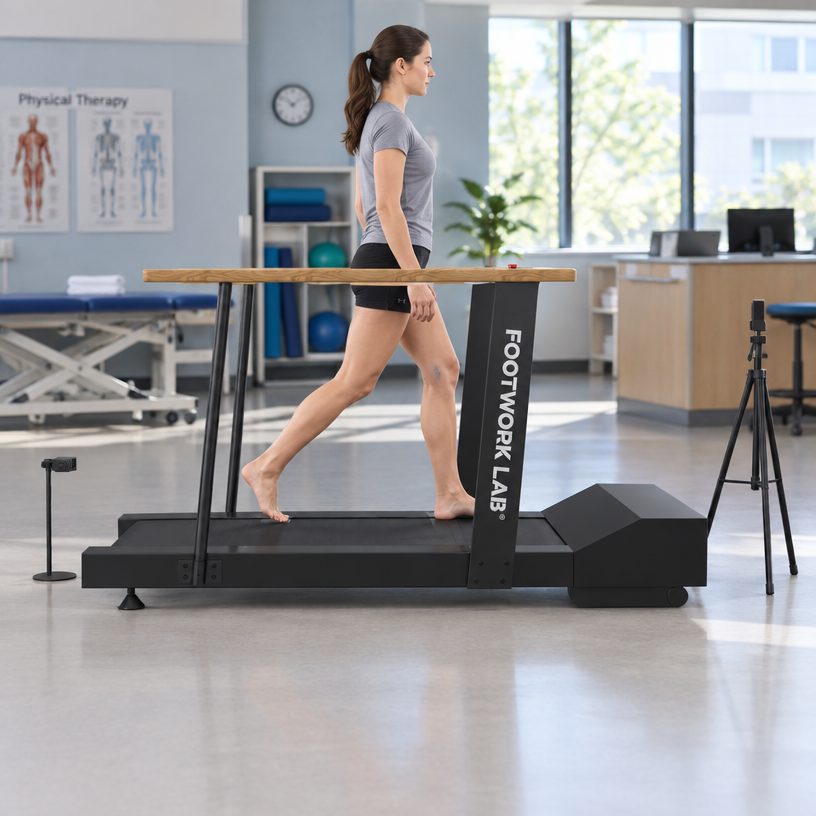
The first year is covered by a warranty; the rest is covered by a plan. What to keep, what to replace, and how remote support actually runs.
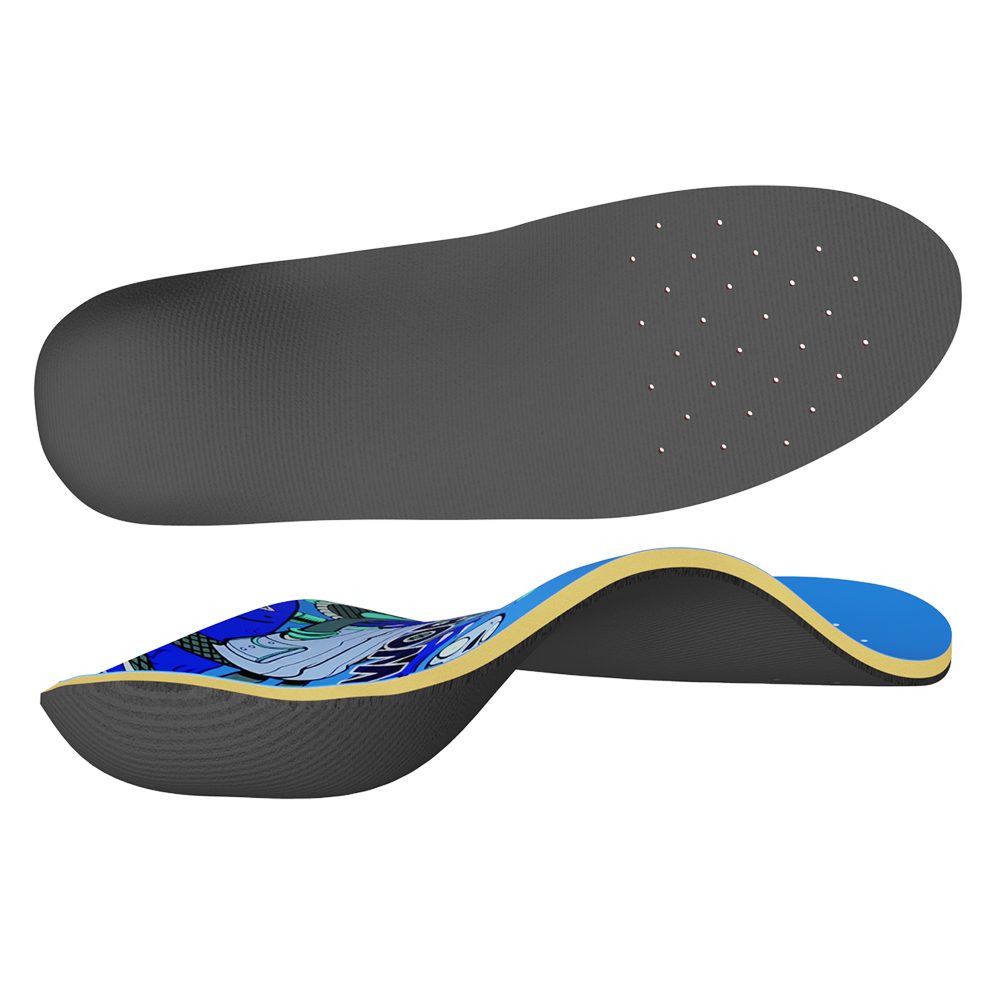
Two sports can load the same foot very differently. How the four grading levels map to a sport, and when the pair should be rebuilt.
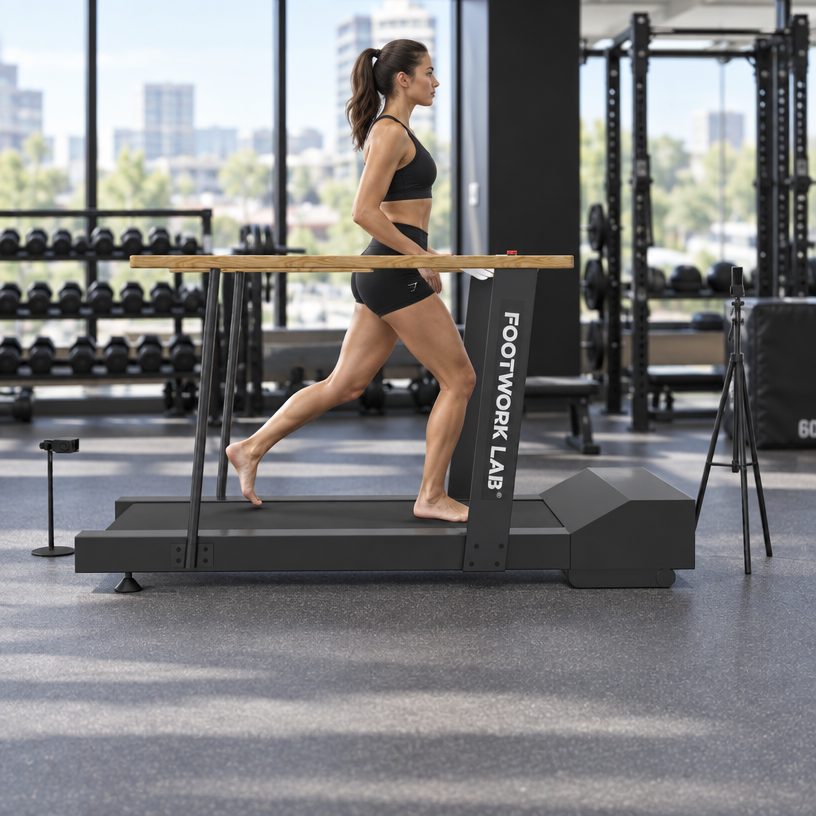
A scanner is only as repeatable as the person running it. Who should be trained first, the three mistakes that show up in week one, and how to keep it consistent.
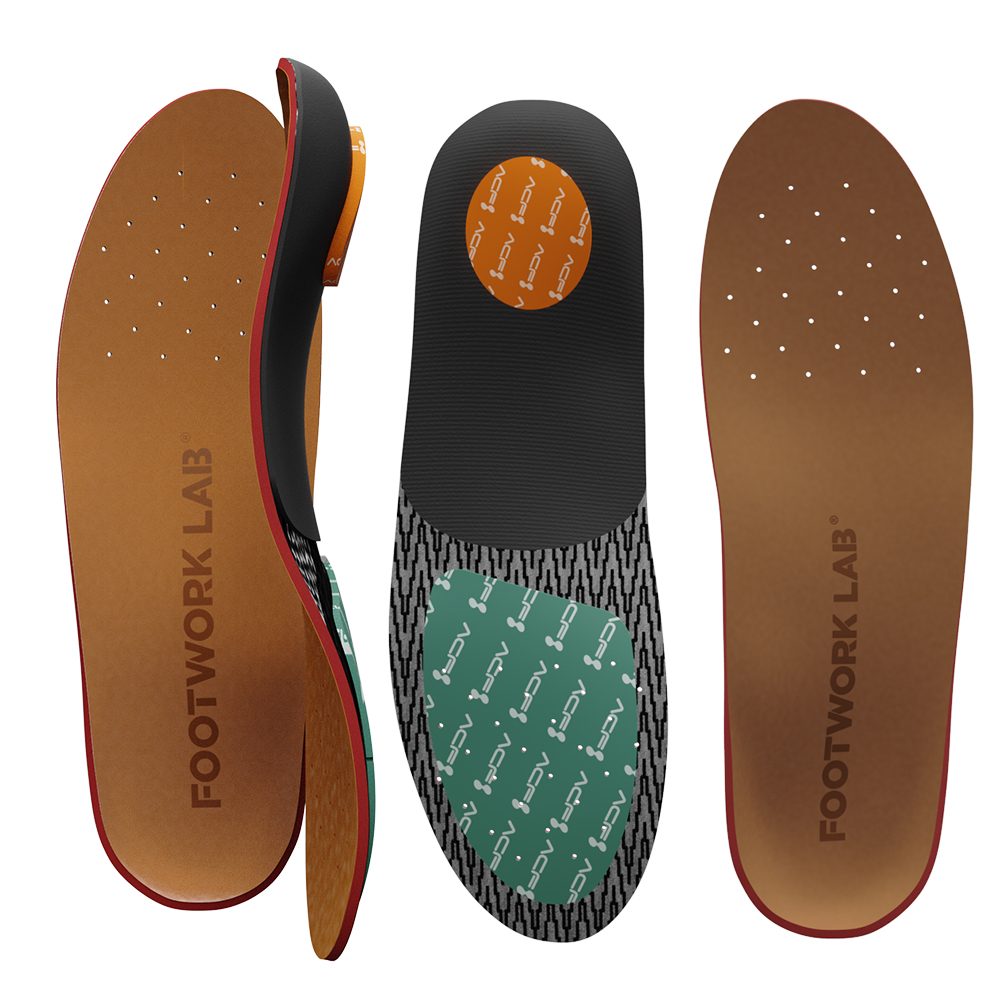
A child’s record expires. How often to re-measure, what changes in the build, and how to explain a record to a parent without turning it into a verdict.

A pressure device reports load and timing. What it cannot see, and which questions need another instrument or a clinician.
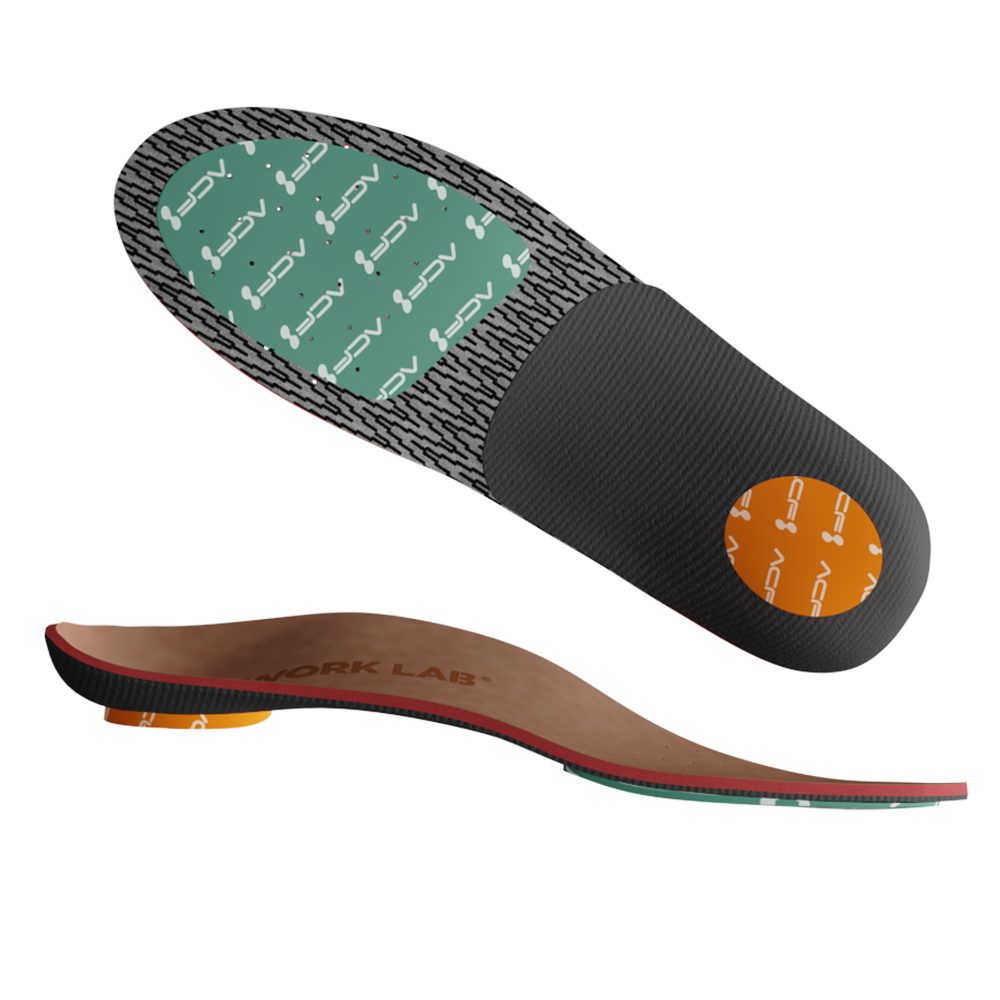
A process is six decisions in a row. What each station settles, how an error there surfaces later, and where a small line starts.
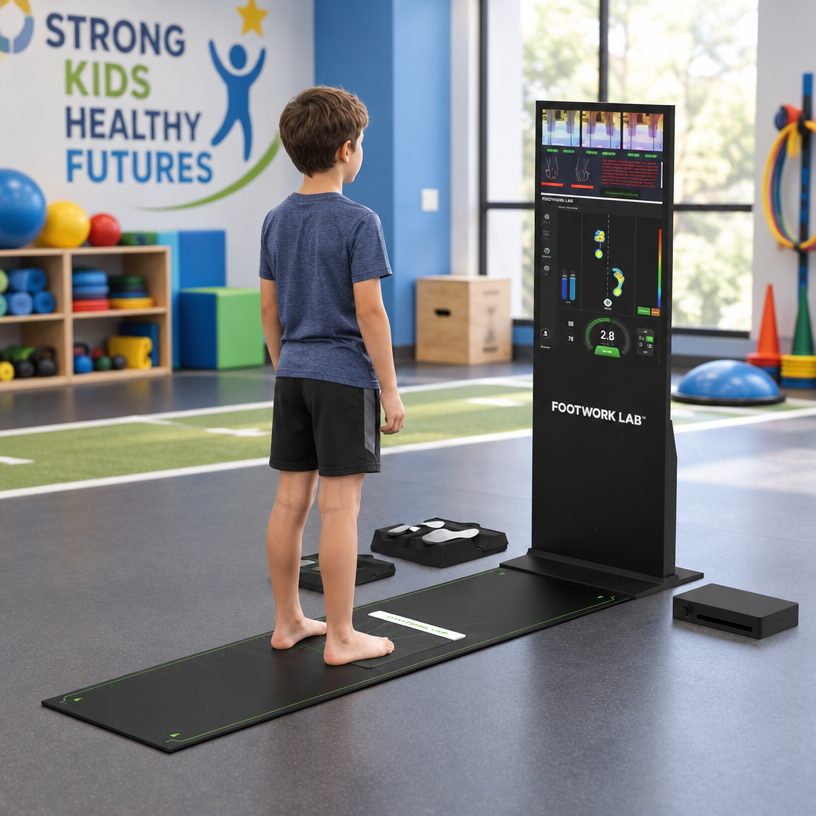
Technology is a promise word. Three capture routes, what each one measures, and how to read a specification page without being misled.
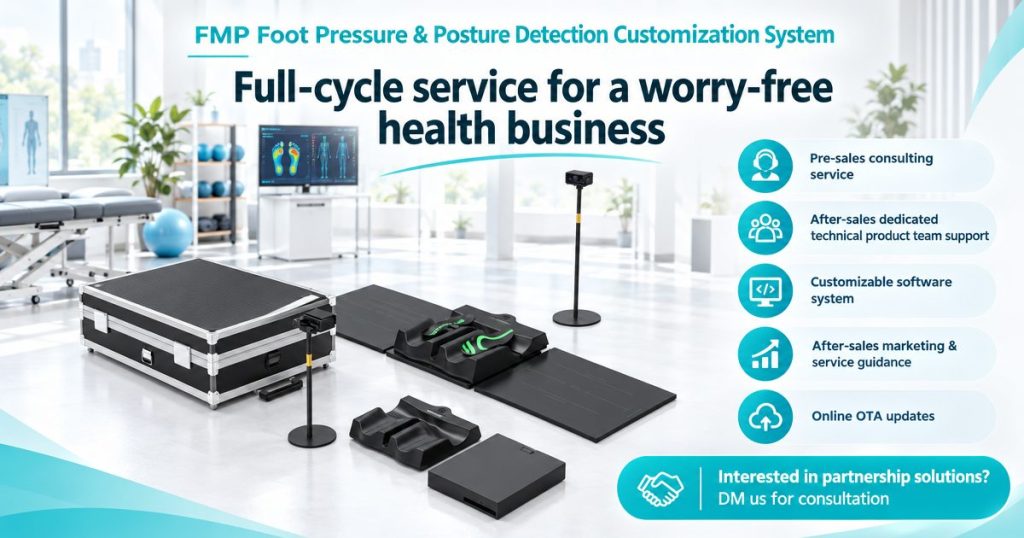
Most clinic rooms are furnished before the equipment is chosen. What has to fit around the couch, the cabinet and the door.
The second order is decided while the first is being packed. Four details worth writing down now, and what happens when they are missing.