
Two phrases sit one word apart in the trade and describe two different businesses: custom fit orthotic inserts, and custom made insoles. Retail buyers use them interchangeably. Suppliers do not, and the difference decides what you are actually selling, what it costs to make, and how often it comes back.
This matters most for clinics and retailers assembling a product line. If the product is a semi-finished insert that a staff member heats and moulds to a customer’s foot in the shop, the economics are close to retail: low unit cost, quick delivery, staff training as the main quality lever. If the product is built to a measurement and a written brief, the economics are manufacturing: assessment time, specification discipline, batch production, fitting appointments and records.
Both are legitimate. What is not legitimate is selling the first as the second. We produce insoles to specification in our own plant and we also supply the assessment systems that generate the data, so we see the confusion from both ends — clinics that expect factory tolerance from a shop-floor heat gun, and factories asked to deliver a bespoke build from a footprint on a piece of paper.
Two phrases, two supply chains
Custom fit describes a fitting event. A pre-shaped insert, produced in a range of sizes and arch profiles, is selected for the customer and then adapted — usually by heating and moulding it to the foot, sometimes by adding or removing a posted element. The shape was decided at the factory, in advance, for a population. The fitting adapts it to an individual.
Custom made describes a production event. A measurement is taken, a specification is written, and a pair is produced for that foot. The shape is decided after the foot is known, and it is reproducible because it exists as a document rather than as a memory of how the insert felt when it was warm.
The supply chains that support these two events are different in almost every dimension. Custom fit runs on stock, size curves and fast replenishment. Custom made runs on assessment appointments, specification templates, production batches and a fitting step. A business can operate both, but it needs to operate them as two lines rather than one blurred line.
The blurring usually happens in marketing copy first, and then in operations, where it causes real damage. A customer who bought “custom” and received a moulded blank will compare it with a friend’s bespoke pair and conclude that the category is a marketing trick. The category then loses credibility that the honest end of it needs.
What custom fit actually involves
The core of a custom fit line is a size and profile matrix. A supplier produces inserts across a range of lengths and arch heights; the retailer selects the closest match and adapts it. Adaptation is usually thermal: the insert is warmed, placed in the shoe or on a moulding cushion, and the customer stands while it cools.
The quality variables are few but decisive. The first is the match between the customer’s foot and the chosen profile, which depends on staff judgement and a size selection method. The second is the moulding routine: how warm, how long, how the customer is positioned, how long they stand. The third is the finishing — trim to the shoe, check the edge, check the heel hold.
Training therefore carries most of the quality burden, and a supplier’s value is measured by how well they support it. A wholesale programme that ships cartons without a fitting protocol, a size selection chart and a refresher routine is selling a product that will be judged on variables the buyer cannot control.
Commercially, custom fit has real strengths. It needs little space, no production staff, no minimum order beyond a stock commitment, and it delivers in the appointment. It is the fastest way for a clinic or a footwear retailer to enter the category, and for many it is the right first step.
The limitation is depth. A moulded blank cannot carry a specification: there is no record of arch fill, shell stiffness or posting, because none of those were decided for this foot. When a customer comes back with a specific request, the line has nothing to answer with except a different blank.
What custom made requires
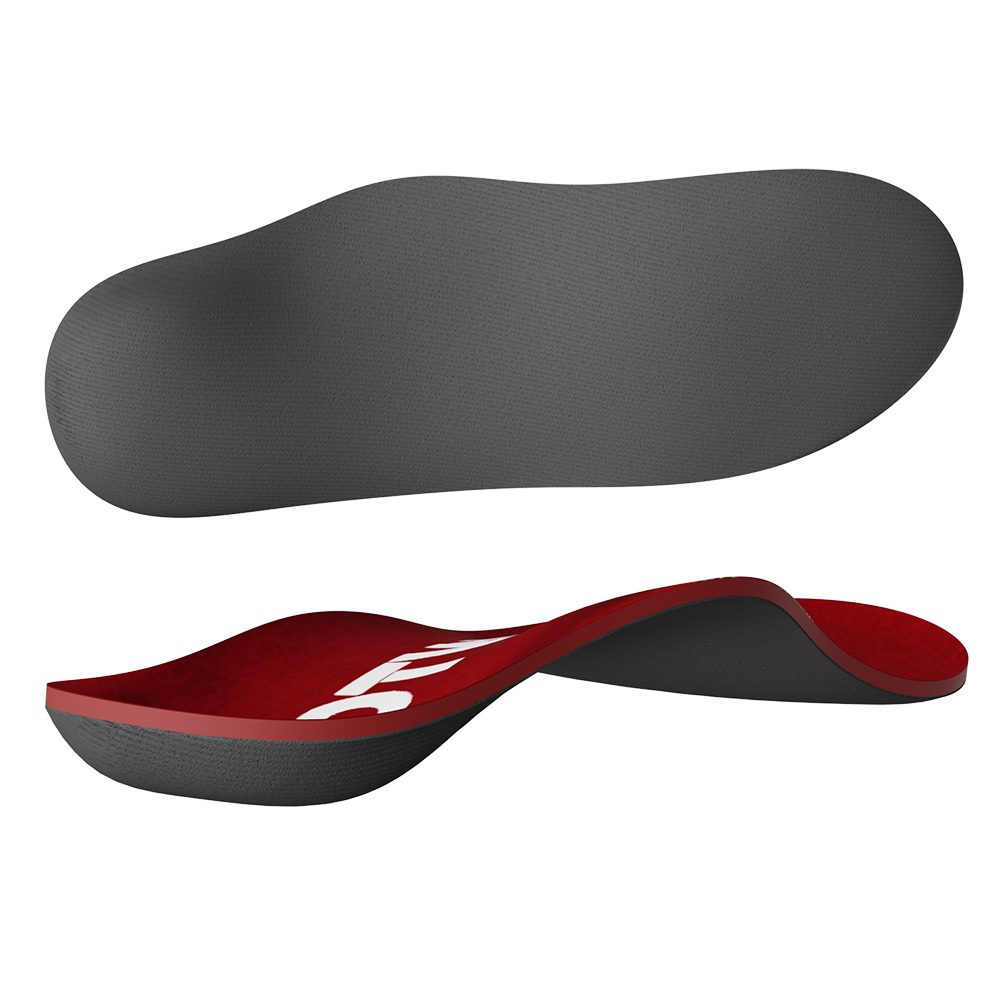
Production to specification needs four things that a fitting event does not: an assessment that produces comparable data, a brief that a production team can act on, a batch process that holds tolerance, and a fitting step that confirms the result against the brief.
The assessment is usually a combination of plantar pressure measurement and camera-based posture and alignment capture. Pressure recording shows how the foot loads the ground in stance and in motion; posture capture shows how the lower limb aligns while it does so. Together they give the specification something to work from beyond a shape.
The brief translates that into production language: material family and grade, shell thickness range, arch fill and its extent, heel cup depth, cushioning layer and position, top cover, trim line and intended footwear. Written this way, two pairs produced a month apart behave the same, and a colleague can take over the case without re-assessing from scratch.
The batch process is where tolerance lives. Heat, dwell, cooling under load, trimming method and bonding all move the result, and each has to be pinned down in a written routine. This is the part clinics underestimate when they decide to produce in-house: the equipment is the visible cost, the routine is the hidden one.
The fitting step closes the loop. The practitioner checks the pair against the brief, checks it inside the intended shoe, and records any adjustment. That record is what turns the next order into a repeat purchase rather than a fresh assessment.
Four checkpoints that separate the two
When a supplier’s material is ambiguous, these four questions settle it quickly. They also work as an internal audit if you are already selling one of the two products.
The first is the measurement method. Ask what is recorded before the product is chosen. If the answer is a size, a foot length or a traced outline, the line is custom fit. If the answer is a pressure recording, a posture capture and a written specification, the line is custom made.
The second is where the shape decision is made. In custom fit, the shape exists before the customer arrives. In custom made, it does not. This single question resolves most of the confusion in a supplier conversation, because it cannot be answered vaguely without becoming obvious.
The third is repeatability. Ask what happens when the same customer orders a second pair a year later. Custom fit answers with the same blank and a new moulding. Custom made answers with a stored specification and a production re-run, which should produce a pair that matches the first within tolerance.
The fourth is the record. Ask to see one. A custom made line can produce a specification sheet, a batch note and a fitting note for a completed order. A custom fit line has a receipt and a size on a box. Neither is wrong; they are simply different products, and the record is the clearest evidence of which one you are buying.
Why the distinction has commercial consequences
Unit economics differ first. Custom fit is a product cost plus a fitting cost, which makes it easy to price at retail and easy to discount. Custom made is a service cost plus a production cost, which makes it harder to discount without eroding the assessment that creates its value.
Re-make rates differ next. A custom fit line absorbs variation through a fresh moulding, which is cheap and quick. A custom made line absorbs variation through a specification review, which is slower but produces knowledge. The second is more expensive per event and cheaper per year, because the causes get addressed.
Staffing differs most. Custom fit is a retail skill: selection, moulding, finishing, conversation. Custom made is a clinical plus production skill: assessment, specification, fitting discipline. Businesses often try to run the second with staff trained for the first, and the symptom is a service that produces plausible insoles and cannot explain any of them.
Turnaround differs as a consequence. Custom fit is available in the appointment. Custom made has a production lead time, which for our own plant means samples dispatched within three days of specification approval, and production batches scheduled against order volume. Neither is better; the customer segment decides which one is acceptable.
Supplying custom fit inserts as a product line
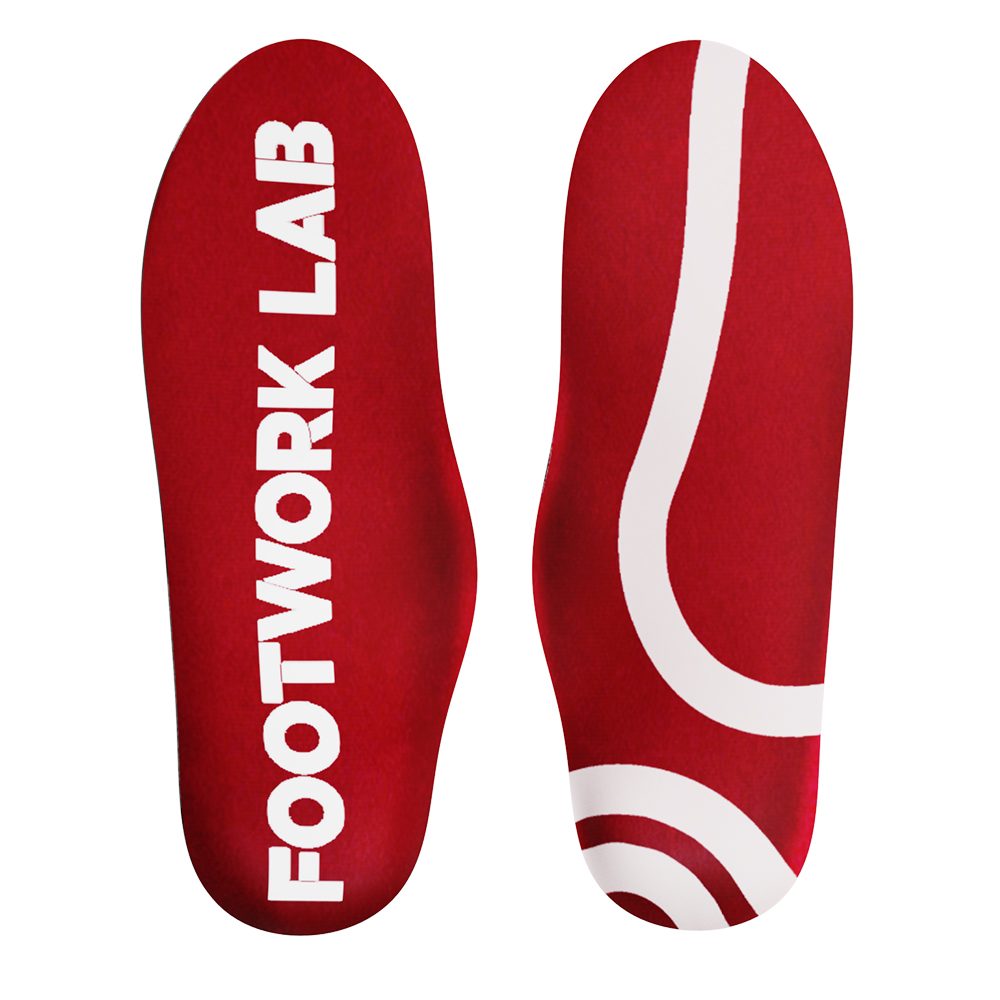
For a clinic or a footwear retailer, buying custom fit inserts wholesale is a merchandising decision before it is a clinical one. The size curve, the profile range, the packaging and the private-label options determine whether the line reads as a considered product or as a box of blanks behind the counter.
The size curve should follow the feet you actually see rather than a generic distribution. A clinic with a wide adult spread and a growing number of younger customers needs a curve that covers both ends, and it needs a clear selection method so that staff do not default to the middle size.
The profile range is the other half. Two or three arch profiles plus a cushioning variation cover most demand; more than that and staff stop choosing deliberately. The profiles should be distinguishable by more than a colour, and the difference should be described in language a customer can follow.
Packaging and private label matter more than suppliers usually admit. A moulded blank handed over in a poly bag reads as a consumable; the same blank in a printed sleeve with a fitting card reads as a product. If the line is being sold at a clinical price, the presentation has to support the price, because the product itself cannot.
Our own insole production runs as a factory operation with a minimum order of two hundred pairs, mixable across models and sizes, and we accept both ODM and OEM work on insoles. That suits buyers building a branded line rather than a clinical service, and it is a different conversation from the one a clinic has when it wants ten pairs for next week.
Where clinics get this wrong
The most common error is selling a moulded blank as a bespoke product. It works until the first informed customer, and then it costs more than the margin it earned, because putting it right costs a refund plus a reputation.
The second is assuming that equipment converts one line into the other. A pressure platform improves the assessment; it does not turn a stock insert into a specified build. The conversion happens in the specification and the production routine, and those are documents before they are machines.
The third is under-pricing the assessment. When custom made insoles are priced as if the assessment were free, the service has no margin to fund the time that makes it different. The result is a rushed assessment, a vague brief and a product that behaves like a moulded blank with better marketing.
The fourth is failing to decide which line the business is in. Mixed messaging in the consultation room produces mixed expectations at the counter, and the staff end up defending a product they were never trained to explain.
A practical way to choose
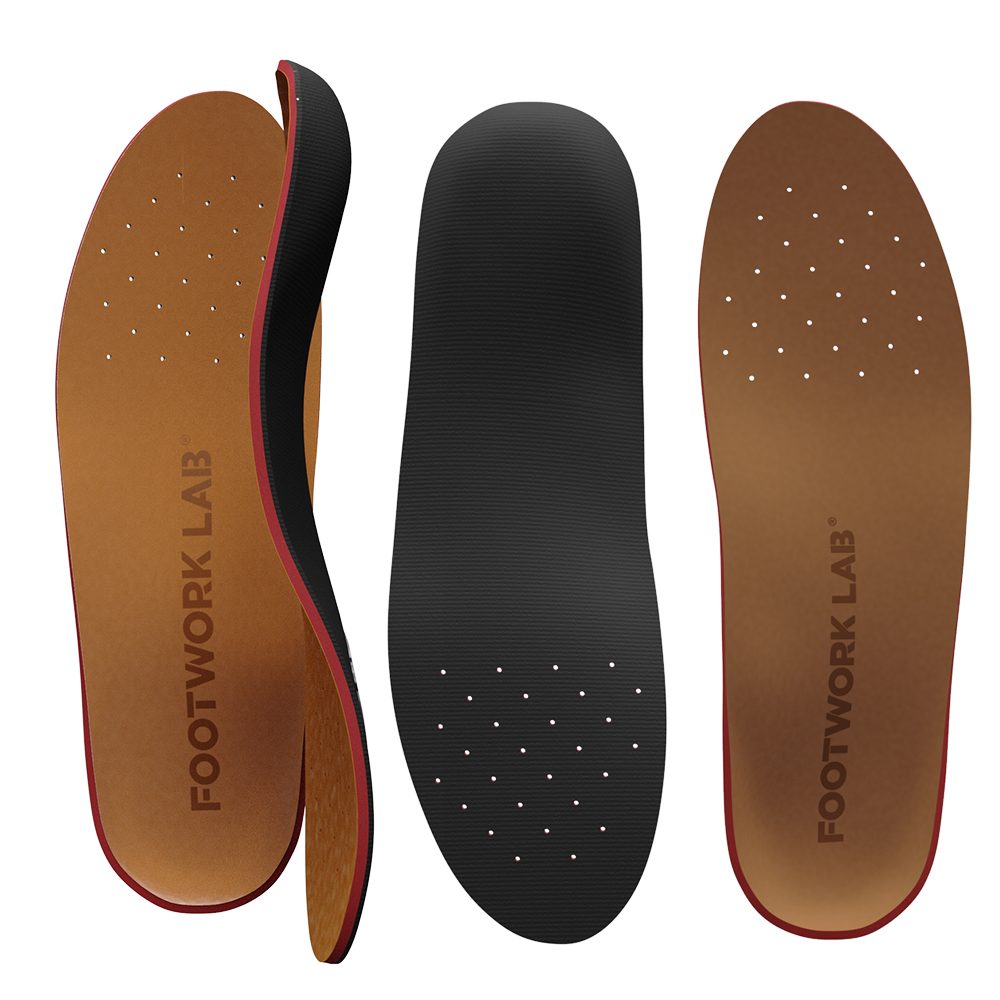
If the goal is to add a product quickly, with low capital and immediate delivery, custom fit is the right entry. Build it properly: a considered size curve, a written moulding routine, a fitting card and staff training that is refreshed rather than delivered once.
If the goal is a clinical service that produces repeatable pairs and defensible records, custom made is the right structure, and it should be built from the assessment backwards. That means deciding what data you will keep, what the brief will contain and who owns the production routine before any equipment is chosen.
If both are wanted — and many clinics eventually want both — run them as two lines with two price points and two sets of expectations. The customer who wants a comfortable insert today and the customer who wants a specified pair next month are different people, and serving them from one blurred offer serves neither well.
Frequently asked questions
Is a custom fit insert the same as a custom made insole?
No. Custom fit means a pre-shaped insert is selected from a size and profile range and adapted to the foot, usually by heating and moulding. Custom made means the pair is produced after a measurement and to a written specification. The first adapts a shape decided in advance; the second decides the shape for that foot.
Can a clinic offer custom made insoles without production equipment?
Yes. The clinic can own the assessment, the specification and the fitting, and send the specification to a factory for production. That model keeps the clinical relationship and the record while converting a production problem into a purchasing one.
What is the minimum order for factory-produced insoles?
Two hundred pairs, and the quantity can be mixed across models and sizes. Samples are dispatched within three days of specification approval so the build can be evaluated before a production run is committed.
Do you accept ODM and OEM work on insoles?
Yes, both. ODM covers designs developed from our existing ranges; OEM covers production to a buyer’s own specification and branding. Machine OEM is a separate conversation and is agreed case by case.
How long does a custom fit moulding take in store?
It is an in-appointment process: warm the insert, position it, have the customer stand while it cools, then trim and check in the shoe. The exact routine should come from the supplier as a written protocol rather than being improvised by each member of staff.
How can I tell whether a supplier’s “custom” claim is real?
Ask what is recorded before the product is selected. A size and a traced outline indicate a semi-custom line. A pressure recording, a posture capture and a written specification indicate production to order. Then ask to see one completed specification for a real order.
Which line should a new clinic start with?
Start with the one your appointment book can support. A single-room clinic with short appointments is usually better served by a well-run custom fit line plus factory production for the cases that need depth, rather than by buying production equipment before it has the volume to keep it consistent.
What we would do next
Write down which of the two lines you intend to sell, in one sentence, and check that your price list, your staff training and your supplier orders all point at the same one. If the answer is production to specification, the insole categories page shows the ranges we build and the FAQ page covers minimum order, samples and ODM terms.
This article is intended for professional and educational reference. It is not medical advice. Foot assessment equipment produces measurements and images; clinical interpretation and any decision about care remain the responsibility of a qualified professional. Certification scope is limited to the documentation we hold: European Union certification and ISO quality system certification.