
Asking what an insole making machine costs is the wrong first question, and most buyers discover that only after the quotation arrives. A single figure, detached from scope, tells you almost nothing: it may exclude tooling, freight, commissioning or the controller that makes the machine usable.
What a buyer can usefully understand before any number is quoted is the structure of the cost: which parts of a machine consume money, which of those parts determine whether it can hold a specification, and which are cheap to add later and which are not.
This article breaks the price into its blocks and explains what each one buys. It contains no amounts, deliberately: a figure quoted in an article would be wrong for most readers, and it would invite a comparison that ignores scope. What it contains instead is a way to read any quotation and see where the money went.
Why no number appears here
Equipment pricing in this industry moves with material costs, freight, currency and configuration, and it varies by market for identical hardware. A number in an article becomes a benchmark that is either misleading or immediately out of date, and buyers who anchor on it negotiate badly.
There is a second reason. Price without scope is not comparable. Two quotations can differ substantially and one can be better value, because one includes tooling, commissioning, training and spares while the other includes a machine in a crate.
The useful conversation is therefore about blocks: what is in the machine, what is around it, and what happens after it arrives. Those blocks can be compared across suppliers even when the totals differ.
Block one: structure
The frame is the part buyers inspect least and live with longest. It determines rigidity, which determines whether the forming surfaces stay parallel under load, which determines whether pairs from the same settings match.
A light frame is cheaper to build and cheaper to ship, and it is the first place a low-cost machine economises. The symptom appears gradually: a slight flex under load, a platen that is not quite parallel at the edges, and formed shells that are thinner on one side.
Structural quality is difficult to assess from a photograph. Ask for the frame drawing, ask what the frame is made from, and ask how the platens are aligned and checked. A manufacturer answers these questions with documents; a reseller answers with adjectives.
Structural quality also determines how the machine behaves when something goes slightly wrong. A rigid frame tolerates a mis-set platen without distorting; a light frame transmits the error into the product. Buyers who intend to run several materials through one machine should weight this more heavily than buyers running a single product.
Block two: motion and heat
Motion and heat are where the machine actually does its work, and they are the two subsystems most likely to be undersized in a cheap design. Undersizing does not usually cause failure; it causes slow recovery, which causes variation.
Heat capacity determines how quickly a machine recovers after a cycle and how evenly the platens hold temperature. A machine with marginal heating capacity will produce good pairs when idle and different pairs when busy, which is the worst possible behaviour for a workshop trying to establish a routine.
Motion quality determines repeatability of pressure and position. Manual systems rely on the operator; assisted systems rely on the mechanism. Neither is inherently better, but the buyer should know which one they are paying for, because the price difference is real and the specification implications are different.
Ask what happens during a sustained run rather than a single cycle. A supplier who can describe recovery behaviour after several consecutive cycles is a supplier who has measured it.
Block three: control
The controller is the smallest visible component and often the largest single line in the cost breakdown, because it carries the software, the safety logic and the serviceability of the machine.
A controller with stored recipes allows a workshop to switch between products without retyping settings, which is the mechanism by which consistency survives staff turnover. A controller that requires manual entry for every run makes consistency dependent on memory, and memory is not a quality system.
Controllers also determine who can repair the machine. A proprietary controller with no local support turns every electronic fault into a shipment. A controller built on widely available components can be serviced locally, at the cost of some integration convenience.
The question to ask is not which controller is fitted but what happens when it fails. The answer describes the cost of ownership more accurately than any specification sheet.
The practical question about heat is not how hot it gets but how evenly it holds temperature across the working area. Uneven platens produce a shell that is right in the middle and wrong at the edges, and the defect is consistent enough to be mistaken for a tooling problem.
Motion quality has a second dimension that buyers rarely ask about: how the machine behaves when the operator is inexperienced. Assisted systems that constrain the motion produce acceptable pairs from less skilled hands, which is worth paying for in a clinic with staff turnover.
Block four: tooling
Tooling is frequently excluded from a headline price and frequently larger than buyers expect. It is also the block where a machine’s real capability is decided, because tooling defines the shapes and sizes a machine can produce.
Tooling cost scales with the number of models and sizes, with the precision required and with who owns the drawings. Ownership matters beyond the purchase: a buyer who owns the drawings can move production later, and a buyer who does not is tied to the supplier for every addition.
There is also a wear dimension. Tooling has a life, and a used machine sold with worn tooling includes a tooling project the buyer has not priced. That is why a machine purchase and a tooling inventory should be quoted as one scope.
For buyers ordering insoles rather than machines, tooling is invisible and included in the unit cost. That is one of the quiet advantages of buying finished product: the capital sits with the factory and the buyer pays only for pairs.
There is one more cost block that buyers rarely see because it appears after the purchase: the cost of learning the machine. A system that takes weeks to understand consumes production time that was budgeted for output, and a supplier who trains properly is effectively including part of that cost in the price. It is worth asking what the training covers and whether it is repeated after staff change.
Block five: software and data
Where a machine is part of a workflow that begins with an assessment, software matters as much as hardware. The software decides how data moves from measurement to specification, whether a record can be retrieved in a year, and whether the machine can be updated.
Buyers frequently pay for capability they will not use and decline the capability they will. Recipe storage, exportable records and a clear specification output are worth more to a clinic than an analysis module it will look at twice.
Updates are part of the software cost. A system that can be updated remotely stays current; one that requires a service visit accumulates a backlog of small improvements that never arrive. Ask how updates are delivered and whether they require anything from the site.
Data ownership is the last software question and the one most often overlooked. Buyers should know where their records live, whether they can export them, and what happens to them if the relationship ends.
Tooling also determines the cost of change. A workshop that introduces a new model must add tooling, and the price of that addition is part of the machine’s long-term economics. Buyers planning a growing range should ask what a new tooling set costs before they choose the platform, because the answer shapes what the range can become.
Data output is worth specifying in the same conversation: what leaves the machine, in what format, and whether it can be read without the supplier software. Buyers who plan to keep records for years should ask before rather than after.
Block six: service
Service is the block buyers negotiate hardest and understand least. It includes installation, commissioning, training, warranty, spares availability and the responsiveness that determines how long a machine is down.
A quotation with generous hardware and thin service is a false economy in the second year, when a worn part takes a season to arrive. A quotation with modest hardware and strong service can be the better purchase, particularly for a first-time buyer who needs the machine to work from the first week.
The service block should be described in specifics: who installs, who trains, what the training covers, which parts are held in stock, how faults are reported and what the expected response is. Those specifics can be compared across suppliers; a general promise cannot.
It is also worth asking about the second year, when the warranty has ended. A supplier who can describe the support model after warranty has thought about the relationship; one who cannot has thought about the sale.
Service also includes the least visible item: documentation. A machine delivered with drawings, a schematic and a maintenance schedule can be supported by a local technician; one delivered with a manual can only be supported by its supplier. For a buyer in a distant market, that difference is worth more than a small price movement.
Reading two quotations side by side
Normalise the scope before comparing the totals. List the six blocks, and for each quotation mark whether the item is included, excluded or unspecified. Unspecified is the most common answer, and it is where the difference between quotations usually hides.
Then compare the specified items on their own terms: the frame drawing, the heating capacity described in behaviour rather than in numbers, the controller’s recipe handling, the tooling inventory, the software’s record output and the service commitments.
Finally, add the items the buyer will have to buy regardless: freight, duties, site preparation, extraction, benches and consumables for the first production run. A quotation that looks favourable before those items and unfavourable after them is a common experience, and it is entirely predictable.
Finally, the five-year view is worth writing down even roughly. Capital, consumables, spares, downtime and the labour to run the machine are all costs of ownership, and they change the ranking of two machines that looked similar on the invoice. A machine that costs more and runs continuously can be cheaper than one that costs less and waits for parts.
Negotiating scope rather than price
Price negotiation on equipment tends to converge on a small percentage and leave the scope untouched. Scope negotiation often produces more value, because the supplier can remove things the buyer does not need and add things that matter.
A buyer who does not need a particular analysis module, a second tooling set or an extended warranty can trade those for commissioning support, extra training or a spares kit. Those trades cost the supplier less than a discount and are worth more to the buyer.
The same logic applies to timing. Suppliers value predictable orders and can plan production around them; a buyer who can commit to a schedule has something to trade that is not money.
What should not be traded is the parts of the scope that make the machine usable: the drawings, the commissioning, the training and the spares position. Those are the items that decide whether the purchase produces pairs or produces problems.
Frequently asked questions
Why will you not quote a price in this article?
Because a figure without scope is not comparable, and because equipment pricing moves with material costs, freight, currency and configuration. Comparing the six cost blocks is more useful than comparing totals from different scopes.
Which block should a first-time buyer spend most on?
Control and service, usually. Recipe storage is what makes consistency survive staff turnover, and service is what determines whether the machine is running in the second year. Structure matters too, but it is harder to assess from a distance.
Is tooling usually included in a machine price?
Often not, and it is frequently larger than buyers expect. Ask for the tooling inventory, the condition, and who owns the drawings, then read the machine and the tooling as one purchase scope.
How do I compare two quotations fairly?
List the six blocks — structure, motion and heat, control, tooling, software and service — and mark each quotation as included, excluded or unspecified. Then add freight, duties, site preparation and consumables before comparing totals.
Should I negotiate the price or the scope?
Scope usually produces more value. Trading an unneeded module or a second tooling set for commissioning, training or a spares kit costs the supplier less and benefits the buyer more than a small discount.
Do you sell insole making machines?
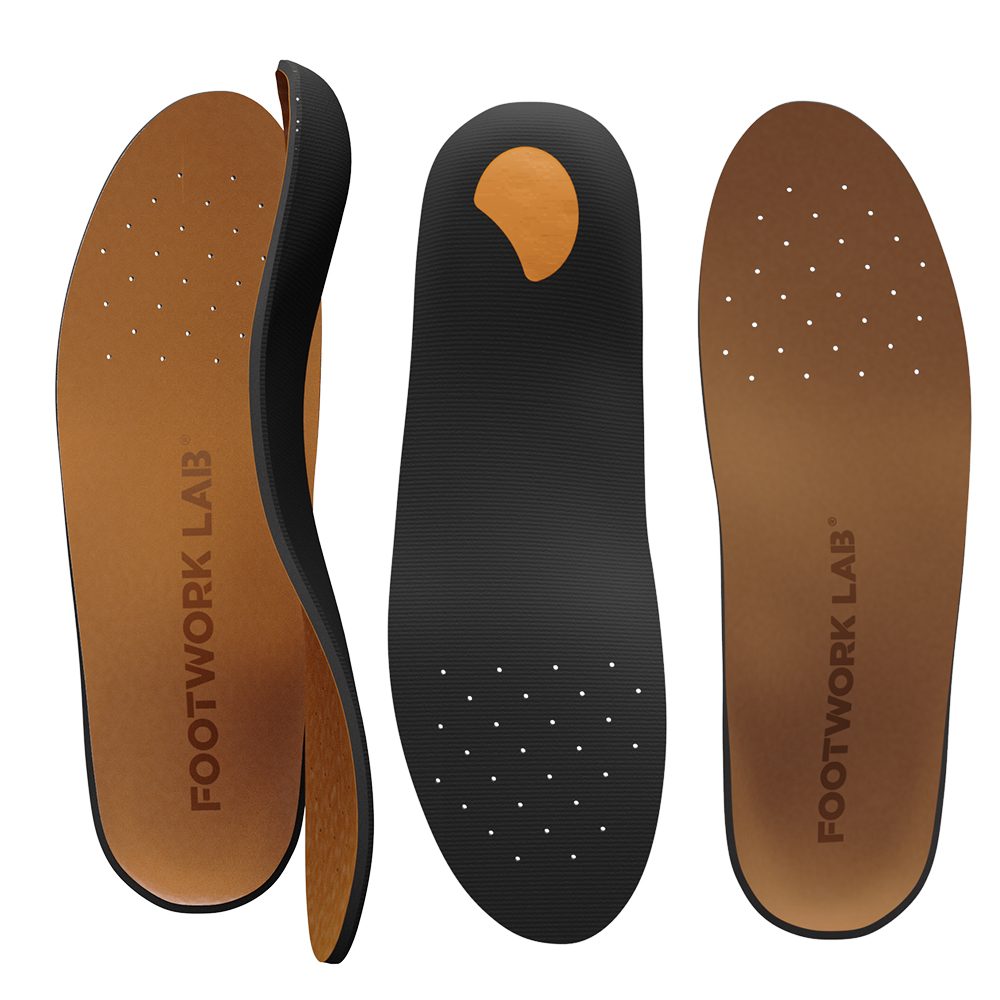
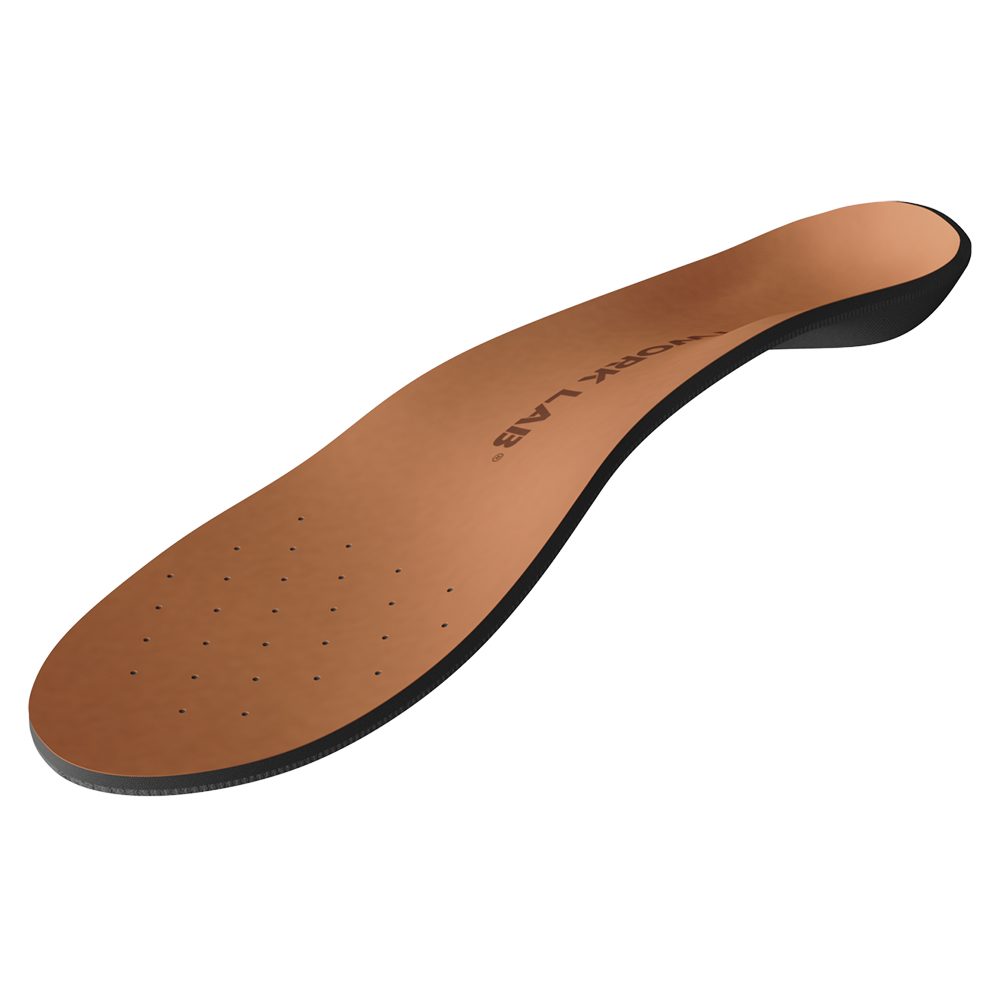
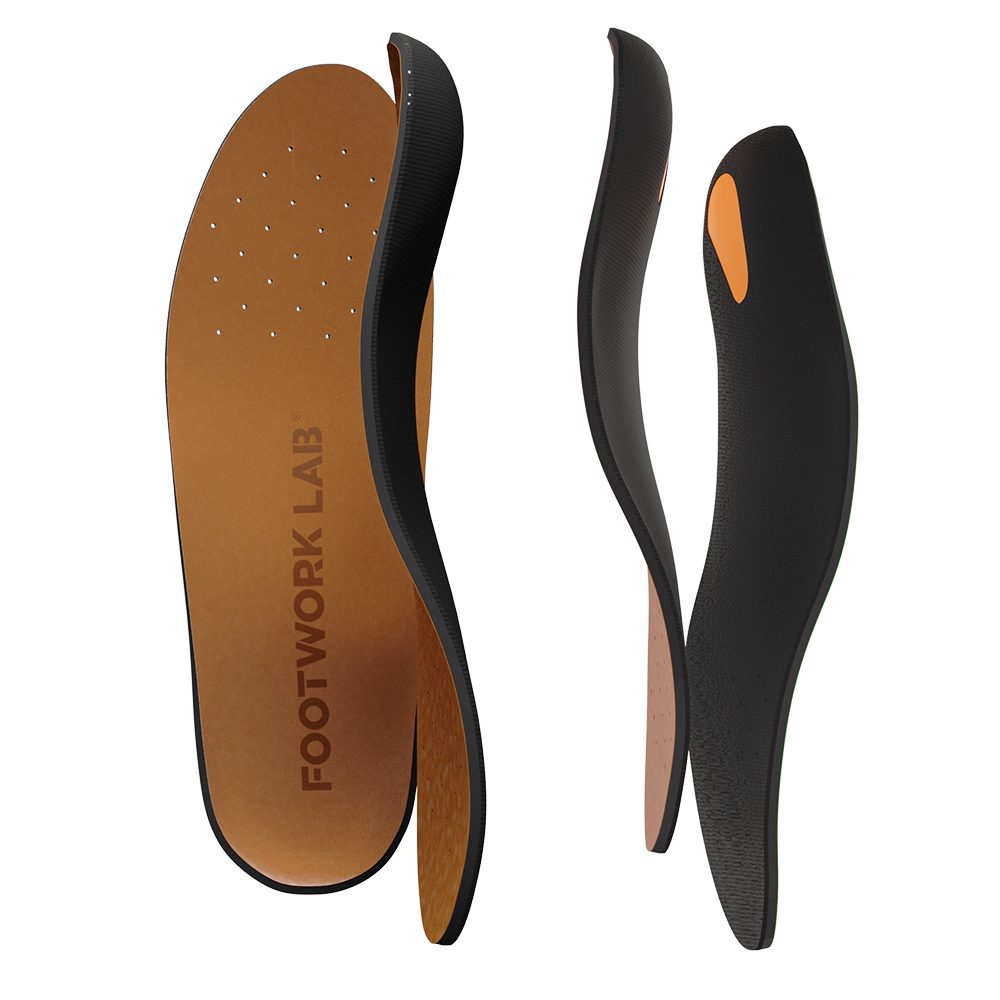
No. Our scope is foot assessment systems and finished custom orthotic insoles. We run forming and molding in our own plant and can explain what the equipment has to do, but we do not build or sell presses.
What does an insole order cost compared with buying equipment?
It is a per-pair cost rather than a capital cost, with a minimum order of two hundred pairs mixable across models and sizes, and samples dispatched within three days of specification approval. For many clinics that converts a capital decision into a purchasing one.
One further question belongs in every equipment conversation, and it is not about price at all: what would this machine have to do for the purchase to be judged a success in two years? The answer is usually specific — a re-make rate, a lead time, a product tier — and it converts a technical comparison into a business one.
What we would do next
Take the last quotation you received and mark it against the six blocks, noting what is unspecified. That exercise usually changes the next conversation more than any discount. If the conclusion is that the equipment is not the right first investment, our insole categories page shows what we produce to specification and the FAQ page covers order terms and shipping.
This article is intended for professional and educational reference. It is not medical advice. Foot assessment equipment produces measurements and images; clinical interpretation and any decision about care remain the responsibility of a qualified professional. Certification scope is limited to the documentation we hold: European Union certification and ISO quality system certification.