
An ankle foot orthosis and an insole are bought from the same catalogue page often enough that buyers stop separating them, and the mistake surfaces later at the fitting bench. One crosses the ankle joint and takes load off a segment of the leg; the other sits inside a shoe and works under the foot. The difference is not academic — it decides who can supply you, what the order contains, and how long a fitting takes.
Clinics that add a small orthotics service discover this quickly. A patient arrives with a request that sounds like one product and turns out to need another, and the clinic either stocks both or sends one case away. Distributors hit the same wall when they build a range from search terms instead of from jobs the products perform.
This article separates the two categories by function, supply chain and appointment length, then shows how a range can hold both without confusing the staff who fit them. We produce custom insoles at our own plant, so the insole side of the comparison is described from the production floor rather than from a brochure.
Two devices, two different jobs
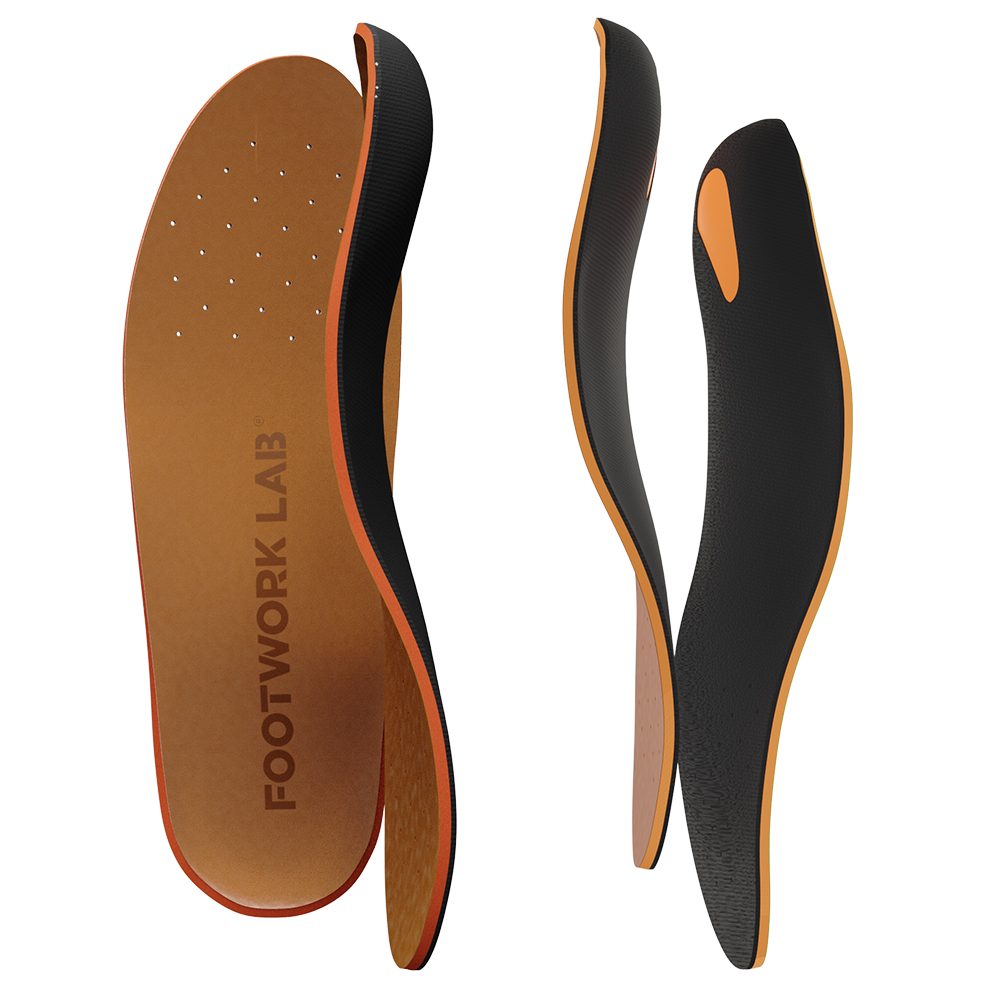
An insole works inside the shoe volume: it changes how load is distributed under the foot, how the arch region is supported, and how the heel sits in the counter. Everything it does happens below the ankle joint, and everything it needs — a shoe, a foot, a measured shape — is available in a normal consulting room.
An ankle foot orthosis crosses the joint. It is a structure that extends up the lower leg and controls the position of the ankle, which means it interacts with the calf, the shank and, in many designs, the shoe’s own upper. Fitting it is a different skill and a different appointment: more measurement, more adjustment, more follow-up.
The two can be used in the same programme, and often are. A person may wear an orthosis for part of the day and a supportive insole in ordinary footwear for the rest. That combination is a plan, not a product, and it is planned by a professional who has assessed both the joint and the sole.
For a buyer the practical consequence is that the two categories cannot share a specification sheet. A single field list covering both produces a document that guides neither supplier, and factories on either side will read half of it and ignore the rest.
A second way to tell the categories apart is to ask what the device is measured against. An insole is measured against a foot and a shoe; an orthosis is measured against a joint position and a segment of the leg. The measuring reference decides the tooling, the fitting time and the person who can sign off the result.
Where the ankle joint changes the supply chain
Once a device crosses the ankle, it stops being a shoe accessory and becomes a fitted structure. That changes tooling, quality checks, packaging, and the regulatory paperwork a supplier is expected to hold. The manufacturers who make insoles are often not the manufacturers who make orthoses, and the ones who make both usually run separate lines with separate staff.
This is why a distributor’s range plan should not assume one supplier. A factory that produces thousands of insole pairs a day may produce orthoses in small batches or not at all; a workshop that builds orthoses to individual prescription may have no interest in volume work. Both are legitimate; neither substitutes for the other.
Where the categories overlap is in the assessment stage. The same pressure record, posture capture and gait observation that inform an insole also inform the decision to consider an orthosis. That shared front end is why clinics that invest in assessment equipment often end up expanding their product range afterwards — the assessment keeps producing questions that a wider range can answer.
For a supplier, that overlap is also a boundary to state plainly. We build insoles and assessment systems; we do not build ankle foot orthoses, and saying so in a quotation saves everyone a month. Buyers should expect the same clarity from every supplier on their list.
It is worth asking a supplier which of the two categories its quality checks were designed for. A factory that checks insoles checks geometry, cover bond and edge finish; one that checks orthoses checks trim lines and joint components. The check list is a more honest description of competence than the catalogue page, and it takes one question to obtain.
What an insole order actually contains
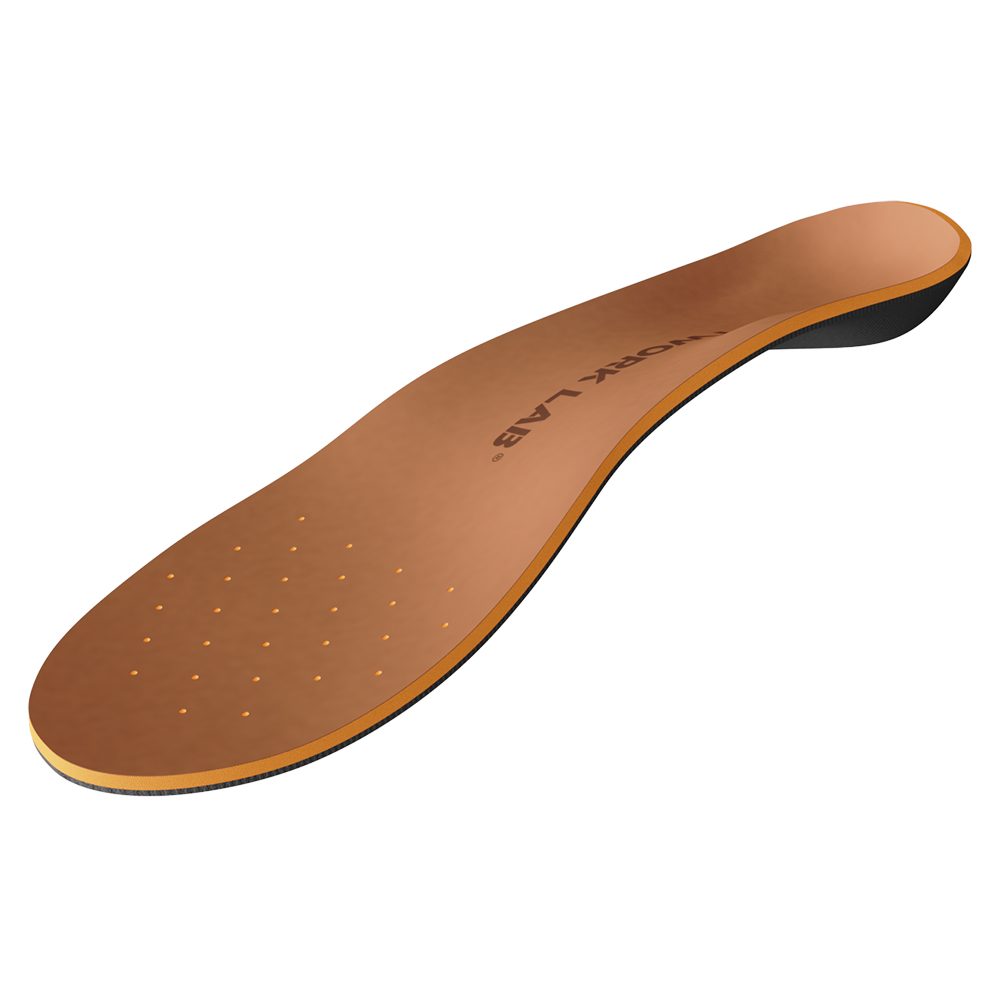
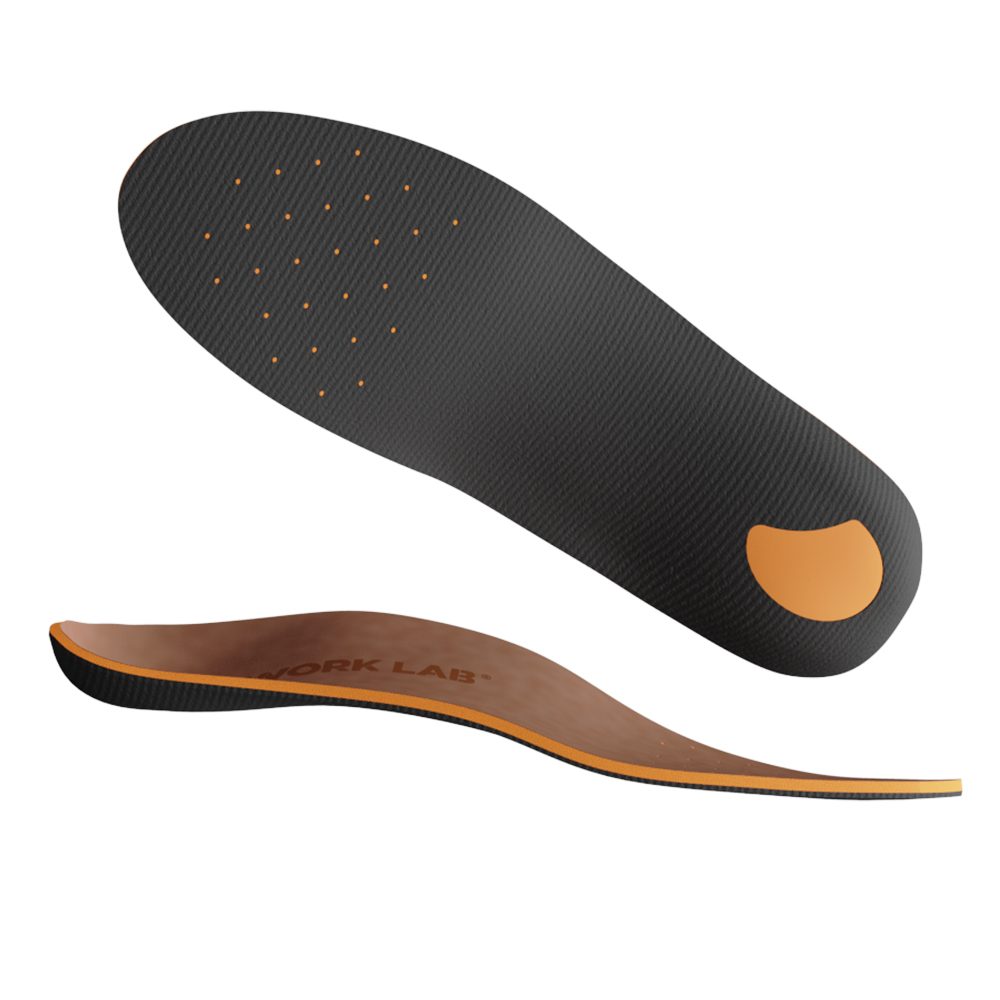
A custom insole order is a specification plus a measurement plus a shoe context. The specification names the arch geometry, heel cup, shell stiffness family, top cover and thickness budget; the measurement gives the individual shape; the shoe context sets the limits. Nothing in that list requires the ankle, and nothing in it requires a clinician to be present at production.
That is why insole production can be distributed and scaled. Designs travel as files, measurements travel as records, and the factory builds against the specification. Our own line runs in the hundreds of pairs a day, with a two-hundred pair minimum that can be mixed across models and sizes — a structure built for distributors and clinics that order repeatedly rather than once.
The order also has a remake clause, and it belongs in the same document. What happens when the pair arrives and the fit is wrong, who initiates the remake, and what evidence is needed. Factories that produce to a written specification can answer that question with a procedure, because the specification is what the remake is measured against.
None of this is true of an orthosis, which is built around a joint position and usually adjusted in person. Recognising the difference early keeps an insole order from drifting into expectations the category cannot meet, and keeps an orthosis case from being pushed into a production slot where it does not belong.
Ordering insoles in volume also means ordering a process rather than an object. The factory needs to know how a design is reviewed, how a batch is checked, and what the tolerance is at the edge of the trim line, because those are the points where five hundred pairs either match a sample or drift away from it.
That is why the minimum order is a structural fact rather than a commercial one. Two hundred pairs is enough for a line to be set up, checked and sampled as a batch; a single pair is a prototype, and prototypes are a different conversation with a different price logic.
What an orthosis order looks like instead
An orthosis order starts with a joint position and a set of forces to control. The specification describes trim lines, material, joint componentry if any, and the interface between the structure and the shank. Production is often a small-batch or single-unit process, and the fitting is iterative: the device is worn, observed, adjusted.
Because of that, the buyer’s questions are different. Instead of asking about a minimum order quantity, they ask about turnaround on a single unit, the availability of adjustments after delivery, and who is qualified to modify the device locally. A supplier who answers those questions well is worth more to a clinic than one with a longer catalogue.
Pricing, too, is structured differently. An insole is priced as a produced item against a specification; an orthosis is priced as a fitted service with a device attached. Neither is comparable on a line-item basis, which is why mixed quotations that put the two in the same column mislead the person reading them.
If your market includes both, keep the quotations separate. Two clean documents are easier to explain to a clinic committee than one document with a confusing middle section, and they make it obvious which supplier is accountable for which failure.
Range planning when you sell both
A range is a set of jobs the customer needs done, not a list of items on a shelf. Write the jobs down in the customer’s language: support under an arch during daily wear, cushioning for a long shift, a firmer structure for sport, and — separately — control of ankle position after an injury or a neurological change.
The penultimate item on that list belongs to the orthosis supplier; the first three belong to the insole line. A distributor who maps the jobs first usually finds that the insole range needs depth — several stiffness families, several covers, several thickness budgets — while the orthosis range needs breadth of sizes and a reliable modification service rather than dozens of models.
Depth and breadth also have different stock implications. Insole depth can be held as components and assembled to order, which is how a two-hundred pair minimum stays workable for a mixed customer base. Orthosis breadth is usually held as a small number of sizes plus the ability to modify, because a device that does not fit cannot be trimmed into fitting.
The range plan should also name the handover point. When does a case stop being an insole question and become an orthosis question? Staff need a short list of signals and a named person to escalate to; without it, the front desk improvises and the customer gets whatever the last conversation suggested.
It is also worth writing down which products the staff are allowed to choose without help. A short list — three or four items covering the common jobs — keeps the front of the shop decisive, and it leaves the wider range for the conversations that need it.
Fitting rooms, staff and the time each product takes
Time is the resource that decides which product a clinic can actually offer. An insole fitting is short: a measurement, a shoe check, a conversation, a decision. An orthosis fitting is long, involves observation of walking with the device on, and often a second visit. A room that books twenty-minute slots can do the first and cannot do the second.
That arithmetic should drive equipment decisions as much as product decisions. A clinic that wants to add insoles needs a repeatable measurement that a trained assistant can run; a clinic that wants to add orthoses needs casting or scanning plus a fitting bench plus professional time. Buying the measurement tool without the fitting time produces a room full of records and no service.
Staffing follows the same logic. Insoles can be specified by a trained technician working from a written protocol, with professional review at the end. Orthoses require the professional in the room. The two models are not interchangeable, and a clinic that tries to run the second on the first’s staffing will either cut corners or lose the professional’s time to administration.
Our own support model assumes the first case: a WhatsApp group with an engineer on the other end, remote assistance when a capture goes wrong, and software updates delivered over the air to connected units. That model suits a technician-led workflow. A clinic running a professional-led orthosis service needs a different kind of support, closer to clinical mentorship than to technical help.
The final time consideration is the follow-up. An insole programme assumes a second visit, even a short one, and that visit has to be booked with the same care as the first. Clinics that treat follow-up as optional discover that the programme ends after one pair.
A field list that keeps the two apart
When a request arrives, four fields settle the category immediately: does the device cross the ankle, is it worn inside ordinary footwear, is it built to a measurement or to a joint position, and is it adjusted in person after delivery. Two answers point to an insole; two point to an orthosis; a mixed answer means two products.
Write those four questions into the enquiry form, and the first reply from a supplier becomes informative rather than generic. A factory that answers the insole questions in detail and declines the orthosis ones is telling you exactly where its competence stops — which is more useful than a supplier who claims both and delivers neither well.
For the insole side, the specification fields that survive every conversation are arch geometry, heel cup, shell stiffness family, cover material, thickness budget and wear context. Add the remake clause, and you have a document that a production team can build from and a customer can be measured against.
It is a short document. That is the point: categories that share a search term rarely share a specification, and the buyers who keep the two apart spend less time correcting orders and more time selling the service that generated them.
One last field is worth adding to the list: what the customer has already tried. A pair that failed in a particular shoe tells you more about the shoe than about the insole, and it usually shortens the specification conversation by half.
Frequently asked questions
Is an ankle foot orthosis the same as an insole?
No. An insole sits inside a shoe and works under the foot. An ankle foot orthosis crosses the ankle joint and controls the position of the ankle, often extending up the lower leg. They are different categories with different suppliers, fitting processes and order structures.
Do you manufacture ankle foot orthoses?
No. We manufacture custom orthotic insoles and foot assessment equipment. We say so early because a buyer comparing both categories needs to know where a supplier’s range stops.
Can the same measurement be used for both products?
The assessment that informs one can inform the other — pressure records, posture capture and gait observation are shared inputs. The output specification is not shared, because an orthosis is built around a joint position rather than around the sole of the foot.
What is your minimum order for custom insoles?
Two hundred pairs, and the order can be mixed across models and sizes. That structure suits distributors and clinics that reorder, rather than one-off single pairs.
How long does it take to receive samples?
Samples ship within three days. The useful test is to place the sample in the target shoe, under the target activity, and record what needs changing before the production pairs are formed.
Can insoles carry our own branding?
Yes. Insoles are available as ODM and OEM, so the design can follow your specification and carry your branding. The scope — design file, branding, packaging — is agreed in writing before production.
What support comes with the assessment equipment?
A dedicated WhatsApp group with an engineer on the other end, remote assistance when a capture needs troubleshooting, and software updates delivered over the air to connected units. Machines carry a twelve-month warranty against non-human damage.
What we would do next
If your next enquiry mixes the two categories, split it before it reaches a supplier: one document for the insole specification, one for the ankle-crossing device. The insole ranges we produce are listed on the Insole Categories page, and our factory page describes how a specification becomes a production order.
Clinics weighing an assessment station against a fitting service will find the article on outfitting a first room useful; distributors planning a range will get more from the piece on what a custom insole order should contain in writing.
This article is intended for professional and educational reference. It is not medical advice. Foot assessment equipment produces measurements and images; clinical interpretation and any decision about care remain the responsibility of a qualified professional. Certification scope is limited to the documentation we hold: European Union certification and ISO quality system certification.