
A heat-mouldable insole solves a delivery problem in the same motion that it creates a consistency problem. The appeal is obvious: a flat blank, a warm oven, a foot on top, and a pair of insoles in the patient’s shoes before they leave. No file, no factory, no transit window. For a clinic that wants a fitting to end with something in hand, that is a powerful offer. For a programme that needs the same result next season, it is a promise the method cannot always keep.
The distinction is not about quality in the abstract. Heat-mouldable blanks are a legitimate product family, and many clinics use them well. What matters is which job they are being asked to do: a fast accommodation for a customer who will not wait, or a reproducible device that a second clinician can rebuild from a record. Those are different jobs with different economics, and conflating them is how a clinic ends up with a drawer of blanks and a reputation for inconsistency.
We build insoles to specification in our own plant in Ruichang, and we also supply clinics that use chairside methods alongside our products. That position gives us no interest in pretending one method replaces the other. The useful question is where each belongs in a range, and how to describe the difference to a customer without turning it into a sales argument.
What the chairside method actually does well
The chairside method wins on the variables that decide whether a fitting happens at all: time, certainty and immediacy. A customer who came in for a fitting leaves with insoles that have already been shaped to their foot in the chair. There is no sample cycle, no approval meeting, no transit window, and no risk that the finished pair arrives after the shoe it was meant for has gone out of season. For a first purchase, that is often decisive.
It also wins on trial. A clinician can adjust a heat-mouldable blank in front of the patient, adding or reducing under the arch, softening an edge, and letting the person feel the change within the same appointment. That feedback loop is genuinely valuable at the start of a relationship, and it is something a factory-made pair cannot offer — a finished pair either fits or comes back.
The third advantage is stock simplicity. A set of blanks in a few sizes covers a wide range of feet, needs no minimum order, and can be held in a small room. For a clinic that is new to insoles, or one whose volume does not justify a custom programme, that removes almost every barrier to starting.
Where the method starts to strain
The strain appears at the second pair. A chairside blank is shaped by hand, in the room, by whichever clinician is on duty, against whatever the foot did that afternoon. Two clinicians shaping the same foot will produce two different results, and neither can be written down as a specification. That is not a criticism of their skill; it is the nature of a hand process with few recorded variables.
Reproducibility is the second strain. When a customer returns a year later with a worn pair and asks for the same again, the clinic has a physical object and a memory, not a document. The new pair is shaped towards the old one, which was itself shaped towards a foot that has since changed. The result drifts, and nobody can say by how much because nothing was measured.
Durability is the third, and it is where customers form their judgement. A mouldable blank is chosen partly for how easily it softens, and that property does not disappear after fitting. In a hot car, in a shoe worn all day, in a heavy user, the shape can relax. Buyers should be honest with themselves about which customers will notice, because the customer who notices is the one who does not come back.
There is a commercial consequence too. A chairside pair is priced against the appointment, and the appointment is priced against time in the room. Once a clinic starts doing more of them, the fitting becomes a throughput question: how long does a blank take, how much of that is clinician time, and what happens to the diary when two customers arrive together. Clinics that scale chairside work successfully treat the fitting as a station with a rhythm rather than as an extra five minutes at the end of a consultation.
Stock control is the mirror image of that rhythm. Blanks come in few sizes and are consumed steadily, so the risk is not dead inventory but a quiet gap: a size that runs out mid-week and turns a booking into an apology. A simple reorder point per size, checked weekly, removes the problem entirely and takes less time than the average phone call it prevents.
The material question in plain terms
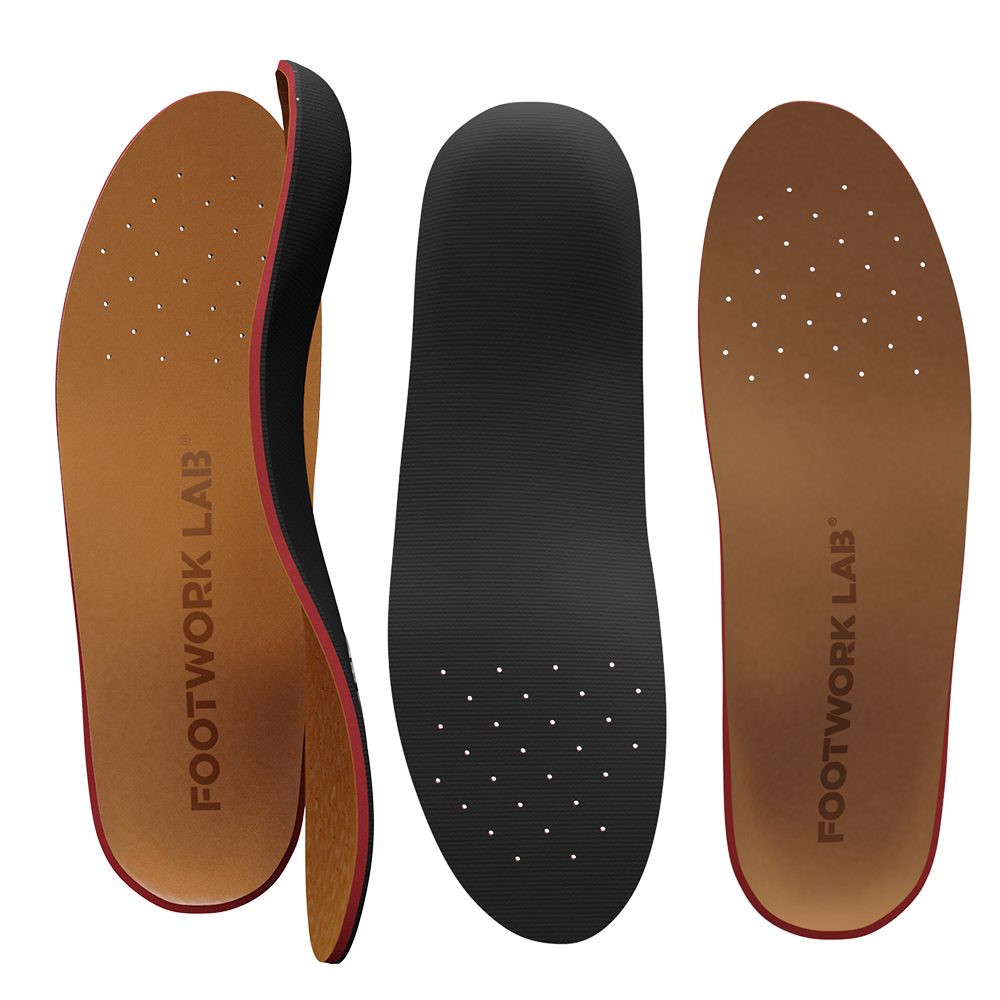
Mouldable blanks are built around a thermoplastic behaviour: they soften at a workable temperature, take a shape under load, and set as they cool. The families differ in how much they soften, how quickly they set, and how much they recover afterwards. A blank that softens readily is easy to fit and quicker to relax; a blank that resists softening holds a shape longer and demands more care in the chair. There is no single right answer, only a trade between fitting ease and shape retention.
Because those trade-offs sit in the material rather than in the fitter’s hands, the choice of blank is the most consequential decision a chairside clinic makes. Buying several families and comparing them across a month of real fittings tells a clinic more than any sample pack. We would rather a clinic test three families properly than commit to a pallet of one.
This is also where the language of ‘custom’ gets stretched. A shape taken from a foot is custom in the sense that it follows that foot; it is not custom in the sense of being built to a written specification with named thickness at named regions. Both are honest products. They should not be sold with the same adjectives.
There is also a version of the material question that buyers rarely ask and should. Two blanks with the same name from two batches can behave differently if the sheet was stored in a warm room or pressed at a different temperature, and neither difference is visible in the finished pair. Recording batch codes in the clinic’s own notes, next to the customer’s name, is the cheapest way to notice that a supply problem exists before it becomes a complaint.
Building a range that holds both
The arrangement that works for most clinics we speak to is a two-tier range rather than a single method. A chairside blank handles the first fitting, the urgent case and the customer who needs something today. A specification-built pair handles the programme customer: the runner who replaces insoles every season, the retail chain that needs identical product in twelve stores, the clinic group that wants its name on a device it can rebuild from a file.
The tiers need different conversations at the counter. A chairside pair is sold on immediacy and adjustment. A specification pair is sold on repeatability: the same file next year, the same result, and a record that travels with the customer if they move town. Framing them that way stops the cheaper option from looking like a compromise and the dearer one from looking like an upsell.
The factory side of the second tier is straightforward once the specification exists: shell family, thickness at named regions, cover, shoe context. Our line runs the two hundred pair minimum mixed across models and sizes, and samples ship within three days of agreement. The chairside tier needs none of that, which is exactly why it scales differently.
The two tiers also need separate quality expectations, and it is fairer to state them than to let customers discover them. A chairside pair is a fitting outcome: it should feel right on the day and be adjustable afterwards. A specification pair is a manufactured component: it should match a written document and match its predecessor. Holding a hand-shaped product to a manufacturing tolerance is unreasonable, and holding a manufactured pair to the standard of a one-off fitting misses what it is for.
Where a clinic group runs both tiers under one brand, the naming matters more than the technology. Customers remember which product they bought, and a range that uses one word for both methods will generate complaints about whichever one arrives second. Two names, two expectations, and a counter script that explains the difference in one sentence is the whole discipline.
What to record even when nothing is measured
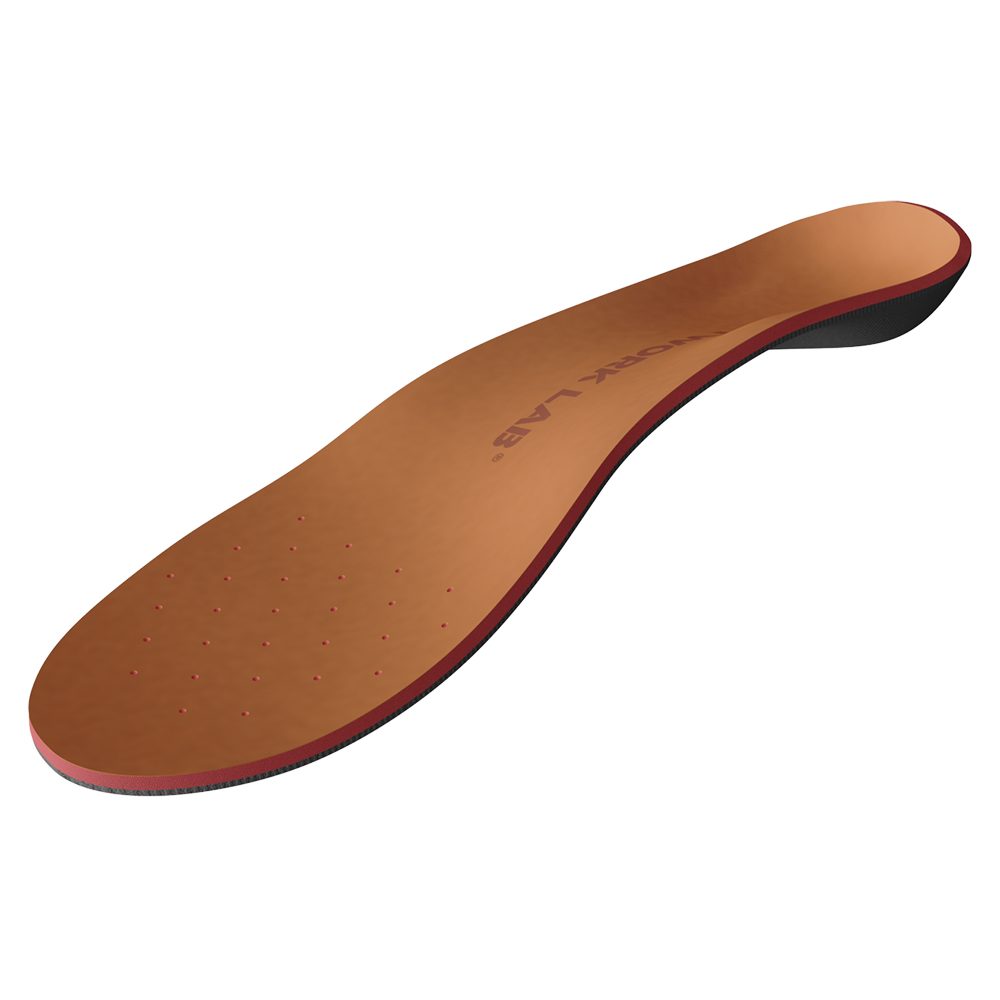
A clinic using chairside blanks can still keep a record, and should. Which family was used, which size blank, where material was added or removed, what shoe the pair went into, and what the customer said at collection. None of that requires equipment. All of it turns a hand process into something a colleague can read next time.
The record pays off in two situations. When a customer returns with a complaint, the note says what was actually done rather than what is usually done. When a customer asks for the same pair again, the note gives the next clinician a starting point instead of a guess. Clinics that keep notes describe their chairside work as a service; clinics that do not describe it as a gamble.
Photographs help and cost nothing. A picture of the finished pair in the shoe, taken on a phone, captures the relationship between the device and the footwear better than a paragraph. We ask for the same thing on the factory side — a photograph of a reference pair in context is one of the most useful attachments a specification can carry.
None of that requires new equipment. A printed sheet per customer, a pen, and a phone camera cover the record; the discipline is in keeping them. Clinics that do it describe the difference as being able to answer a question a year later without hunting through a diary, which is a modest benefit until the day the question arrives.
How the two methods meet in practice
Most clinics we supply do not choose. They run a chairside option for immediate needs and a specification programme for customers who will replace regularly, and they make the difference explicit at the point of sale. The clinic keeps its fast lane, and the customer who wants a repeatable device gets one built from a file rather than from an afternoon’s judgement.
The handover between the two is a single question: will this customer need the same thing again? If the answer is yes, the fitting should produce something a factory can build from. That may be a pressure record, a traced outline, a photograph set and a written specification — or simply a note that the chairside pair worked and should be reproduced in a firmer family. The important part is that the information survives the appointment.
Our role in that handover is to make the factory end cheap to try. A sample pair, built to a written specification, ships within three days of agreement, and a clinic can compare it against its chairside work before committing to a programme. That comparison, run honestly on a dozen customers, settles the question better than any article.
One rule keeps the comparison honest. Compare a chairside pair against a specification pair on the same customer, in the same shoe, over the same number of weeks, and record what each felt like at the end. A single appointment cannot answer the question, and neither can a conversation at a trade fair. Two customers on each side is enough to see which tier belongs in the range and which belongs in the cupboard.
Frequently asked questions
Are heat-mouldable insoles the same as custom insoles?
Not in the sense a factory uses the word. A mouldable blank is shaped to a foot in the chair, which makes it individual, but it is not built to a written specification with named thickness at named regions. Both are legitimate products and they suit different customers.
Can a mouldable pair be reproduced exactly later?
Only if the fitting was recorded. Without a note of the family, the size, the adjustments and the shoe, a later pair is shaped towards a worn object rather than a document, and the result drifts. Keeping a short record makes a repeat possible.
What is the minimum order for specification-built insoles?
Two hundred pairs, mixed across models and sizes. Samples ship within three days of specification agreement, so a clinic can test a specification pair against its chairside work before committing to a programme.
How quickly can a clinic receive a sample pair?
Within three days of specification agreement. A useful test places the sample in the target shoe under the target activity and records what the production version should change, rather than judging it standing still in the room.
Do you supply clinics that also use chairside blanks?
Yes. Many of our buyers run both: a chairside option for immediate needs and a specification programme for customers who replace regularly. The two tiers serve different customers and are sold differently at the counter.
What certifications apply to your insoles?
Insoles for European Union destinations carry our European Union certification, and our plant operates under ISO quality system certification. We describe the scope exactly as the documents define it and do not extend it into other claims.
What we would do next
If you are running chairside fittings and wondering whether a specification programme is worth adding, send us one worked example — shoe type, customer profile and what the chairside pair did — through our contact page. We will return a sample plan and the fields we would need to build a repeatable version.
Our insole categories page sets out the daily, sport and recovery families we build, and the FAQ page covers minimums, sampling and transit windows.
This article is intended for professional and educational reference. It is not medical advice. Foot assessment equipment produces measurements and images; clinical interpretation and any decision about care remain the responsibility of a qualified professional. Certification scope is limited to the documentation we hold: European Union certification and ISO quality system certification.