
A rehabilitation clinic manager opened a spreadsheet on the table at the Canton Fair and turned it so we could read it: fourteen rows of foot care equipment, each with a supplier, a lead time and a column for the person who would sign it off. The chair was on row one. The lamp, the trolley, the sterilising unit, the stool, the screen and the flooring all had their lines. Row fifteen was empty, and that was the row she had come to ask about, because the insoles her staff were ordering every month had never been written into the list at all — they arrived on a different invoice, from a different budget, signed by nobody in particular. This article is about that missing row: why a treatment room list is a budget document before it is a shopping list, how the capital rows differ from the restocking rows, where insole ordering belongs, how to write an acceptance line that can actually fail, and how to keep consumables, stock and samples in three separate accounts.
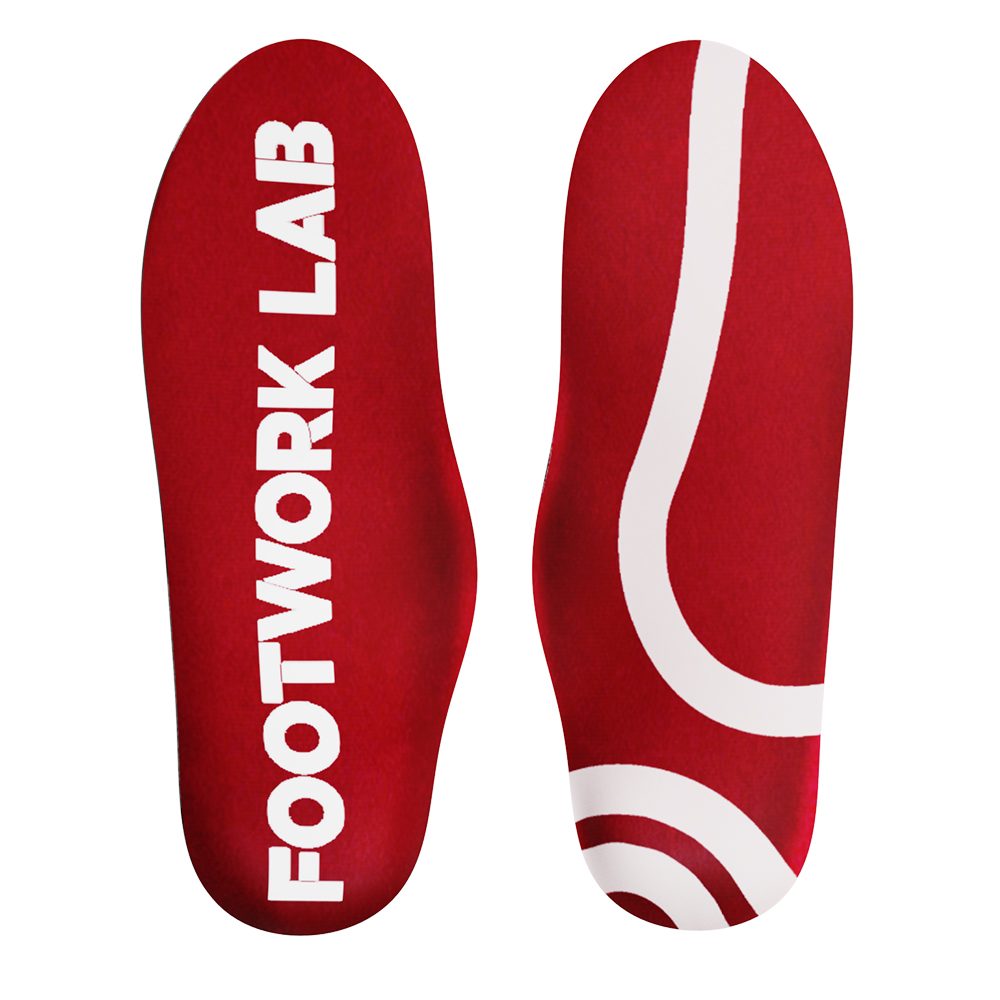
The insoles in question come in three series, and the one that belongs in a treatment room is the rehabilitation range, where flat-foot support, pressure distribution and comfort over long standing are the design targets. It is graded four ways — support, anti-torsion, cushioning and starting ability — and it runs across a size range wide enough for a family clinic. None of that is a treatment and none of it is a diagnosis. It is a build, chosen from a record or from a shoe, and the clinical decisions around it stay with the clinician.
Every row is a decision about who maintains it
An equipment list looks like a purchasing document and behaves like a maintenance plan. Each row answers four questions whether or not the sheet has columns for them: who uses it, who cleans it, who services it, and who notices when it has stopped working. A chair with no named cleaner is a chair with a broken mechanism in year two. A lamp with no service interval is a lamp that fails during a dressing change. The list that survives an inspection is the one where every row has a name against it.
Foot care equipment carries an extra question, because the room is used by people with very different feet. A treatment couch, a light and a trolley serve every patient identically. An assessment plate, a set of instruments and an insole build do not, and the maintenance question becomes a training question: who is allowed to run the session, and who is allowed to choose the build. Writing that into the sheet at the planning stage is cheaper than discovering it when the first associate joins.
The sheet also has a shape that nobody labels. Some rows are capital — bought once, depreciated, repaired. Some are consumable — used up, reordered, expensed. Some are stock — held, rotated, counted. Mixing the three into one undifferentiated list is how a clinic ends up treating a reorder as a capital request, waiting six weeks for approval on something that should have been a standing order.
The test of a finished list is a walk-through. Stand at the door of the room and follow a patient through a visit: where they sit, where their shoes go, where the clinician stands, where the lamp is pulled to, what gets written down, what leaves with them. Every item on the sheet should appear somewhere on that walk, and anything that does not appear is either equipment for another room or a purchase nobody has thought through. It takes twenty minutes and it finds the gaps that a catalogue cannot.
The rows everyone writes first, and the question they leave out
The first rows write themselves: a treatment chair with a reclining back and a headrest that supports a foot examination, an adjustable examination lamp with a handle that can be gripped with a glove on, a trolley that fits the instruments actually used, a stool low enough to work from, a screen, and a floor that can be cleaned without ruining the finish. These are the rows every clinic manager knows, and they are usually the rows that get the most attention in the budget meeting.
The question they leave out is the one about the patient’s own equipment. A treatment room that has planned for everything except what the patient wears home is a room that sends people to a chemist with a vague instruction. The insole is the only item on the whole sheet that leaves the building on a person and comes back for review, and it therefore behaves differently from every capital item above it: it has a size, a build, a wear life and a reorder point.
The second omission is the assessment row. Some rooms buy a pressure plate as capital equipment and treat it as a diagnostic accessory; others never buy one and choose builds from the shoe and the conversation. Both are coherent positions. What is not coherent is buying the plate without deciding who runs it, which is the most common way a well-funded room ends up with a machine under a cover by the second quarter.
A third omission is quieter: where the stock lives. Insoles are not heavy and they are not fragile, but they do not belong in a cupboard beside a radiator or under a window that catches the afternoon sun, and they should not be stored loose where sizes migrate into the wrong box. A shelf with dividers, at waist height, away from heat and damp, costs almost nothing and saves the ten minutes of searching that otherwise happens while a patient is already sitting down.
The row that arrives as a box, not as equipment
Insole ordering belongs in a different section of the sheet from the chair and the lamp, and it belongs there for a reason that a finance officer will recognise immediately: it recurs. The first order establishes the range and the size curve; every order after that is a restock driven by consumption. Putting it under capital hides the recurrence, and hiding the recurrence is how a clinic runs out of the two middle sizes in a busy month.
The ordering mechanics are simple enough to write into the sheet as a standing arrangement. The minimum is two hundred pairs, and it can be mixed across models and across sizes, which lets a clinic hold a small range of builds without committing to a full curve in each. Samples ship within three days, which is short enough to fit into a planning meeting rather than a budget cycle. Production runs at roughly five hundred to one thousand pairs a day, so the order quantity is rarely the constraint; the calendar is.
Freight is the part of that row that gets underestimated. Courier runs six to seven working days, air freight ten to twelve days, sea freight thirty to thirty-five. A clinic that restocks monthly on courier is buying certainty rather than cheap freight, and that is a defensible choice; a clinic that tries to save on sea freight and then runs dry in week three has made a decision about cash flow that belongs in the budget document, not in the stock room.
What the row should not contain is a clinical promise. The build supports the foot and distributes load; the clinician decides whether that is appropriate for this patient, on this day, with this history. A list that describes an insole as a treatment has moved a clinical judgement into a purchasing document, and no supplier should encourage that, including us.
One more entry belongs under the same row and is usually missing: the file. A clinic that hands a pair to a patient should be able to say what was ordered, which build, which size, from which delivery, and what the shoe was. That is four lines in the patient record and it answers the question that arrives six months later — whether the pair needs replacing, or whether something else has changed. Without it, the conversation starts from memory, and memory is generous with dates.
Writing an acceptance line that can actually fail
Most equipment lists have an acceptance column and most of them say the same thing: received in good order. That line cannot fail, which makes it useless. An acceptance line earns its place by naming the things that would cause a rejection, in terms somebody can check on the day the carton is opened rather than three months later when the first patient complains.
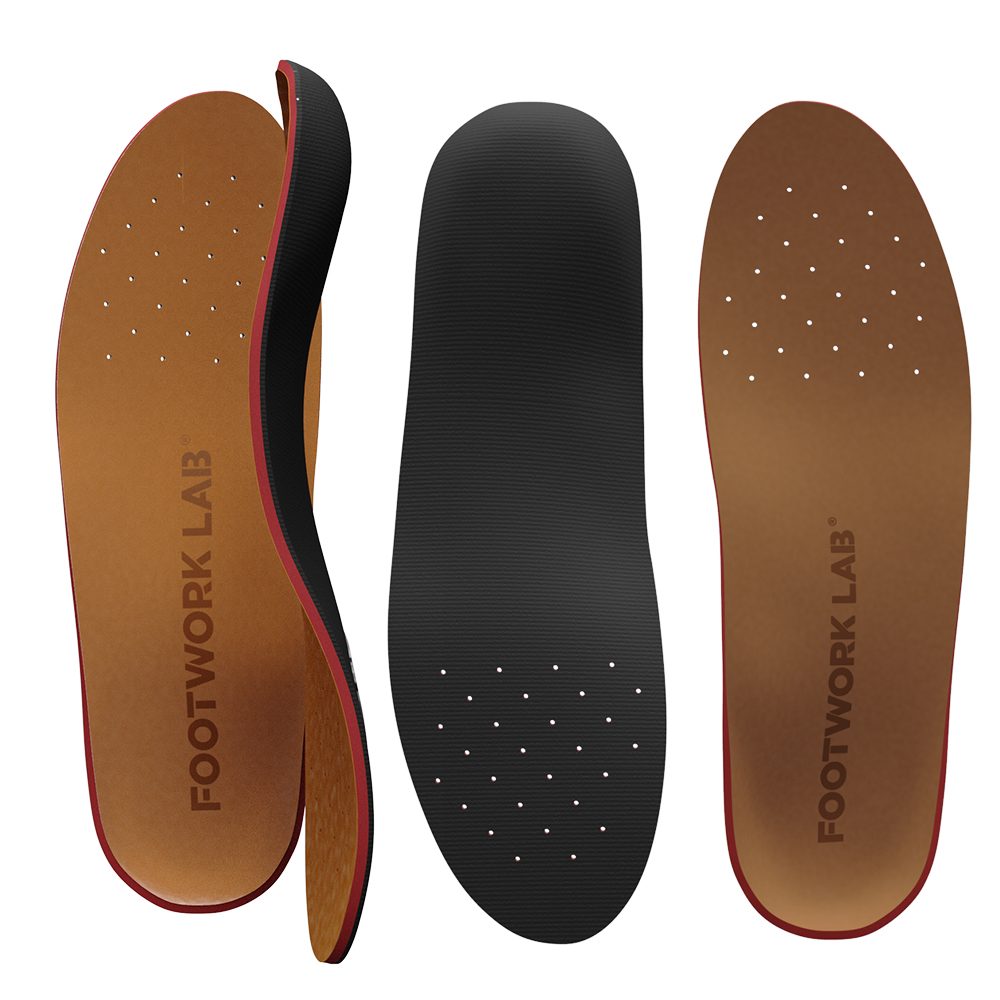
For an insole order, five checks cover almost everything. The count matches the order and the size curve matches the split that was agreed. The build matches the approved sample, side by side on the bench rather than from memory. The top cover and trim match the specification. The packaging carries the correct labelling and the documentation travels with the delivery. And one pair is checked in the shoe it was intended for, because a build that fits the bench and not the shoe is the failure mode that no invoice will reveal.
For capital equipment the line looks different but follows the same logic. Not “installed and working” but: the plate sits level on the floor it will live on, the cameras are positioned and marked, a session has been run end to end, the report has been printed, and the second operator has run one session unaided. Each of those is a yes or a no, which is what an acceptance line is for.
Consumables, stock and samples: three different accounts
A sample is not stock and stock is not a consumable, and clinics that run all three through one account lose track of which is which within a season. Samples exist to be tried, shown and occasionally given away; they should be budgeted as a marketing cost with a ceiling, not absorbed into the clinical stock line where they distort the consumption figures.
Stock is what sits on the shelf waiting for a patient: the common sizes, the two or three builds the room actually uses, held at a level set by how many pairs a month leave the building. It should be counted, and the count should be visible to whoever places the order. Consumables — the covers, the wipes, the things that are used up in a session — belong in the operating budget, and they are the line most often underestimated in a first-year plan.
The three accounts meet in one place, which is the reorder point. A room that knows its monthly consumption, its shelf count and its sample allowance can set a reorder trigger without guessing. A room that does not will order in a panic, pay for fast freight, and still be short of the size that walks in on Saturday morning.
The practical version of this is a quarterly conversation rather than a monthly one. Look at what went out, what came back for review, what is sitting on the shelf in the sizes nobody wears, and what the referral pattern has done over the quarter. That conversation sets the next order, and it is also where a room notices that it has been stocking a grade it never chooses — which is the same as holding capital in a drawer.
What the sheet should not promise
A list is written by people who want the room to be good, and that is exactly why it drifts into promises. The sheet should not promise that the equipment will bring in a new category of patient, that the insole range will pay for itself in a stated number of months, or that a build will resolve a foot. Those are outcomes, and outcomes depend on referrals, staff, pricing and follow-up — none of which are rows on the sheet.
It should not promise exclusivity either. We do not offer exclusive territories on the insole line, and a clinic that writes “sole supplier for the region” into its plan is writing a term no factory of our size can sign. What we can put in writing is the part we control: the specification, the sample, the delivery window and the support arrangement.
And it should not promise that the equipment decides anything. The report lists recorded quantities, the software assembles them, and the reading belongs to the clinician. That boundary is not a limitation we are apologising for; it is the reason the room needs a qualified person in it, and a list that quietly assumes otherwise will produce a room full of machines and nobody trained to interpret them.
Frequently asked questions
Where on the budget should insole ordering sit?
In the recurring section, beside stock rather than beside capital equipment, because it is restocked on consumption rather than bought once. The first order establishes the range and size curve; every order after that is a reorder. Keeping it out of the capital rows keeps the recurrence visible to whoever approves the spend.
What belongs in the acceptance line for a first insole order?
Five checkable items: count and size curve against the order, build against the approved sample, top cover and trim against the specification, labelling and documentation with the delivery, and one pair checked in the shoe it was intended for. Each is a yes or a no on the day the carton is opened.
How many pairs should a treatment room hold?
Enough to cover a normal month in the two or three builds the room actually uses, weighted to the middle sizes, plus a thin margin at the extremes. The figure comes from consumption, not from the size range on the price list, and it should be reviewed after the first full quarter.
Do we need assessment equipment before we order insoles?
No. A build can be chosen from the shoe and the consultation. A record makes the choice more specific and gives the room something to compare at review, but the equipment and the insole are separate purchases and either can come first.
How are samples handled in a first order?
Samples ship within three days of a confirmed brief, and they are there to be tried in real shoes on ordinary working days. Treat them as a separate allowance rather than as stock, because samples that get absorbed into the shelf distort both the consumption figures and the reorder point.
Which freight route suits a room that restocks monthly?
Courier, at six to seven working days, if the room cannot absorb a gap. Air freight runs ten to twelve days and sea freight thirty to thirty-five, which suits a planned seasonal order rather than a monthly restock. The route is a cash-flow decision and belongs in the budget document.
Should the room standardise on one grade?
Usually on two: one for the majority of patients and one for the cases that need more support or more cushioning. A room that stocks four grades in every size carries capital it will not turn, and a room that stocks one grade sends people away with the wrong build.
What we would do next
Take the spreadsheet and add the missing row before the next budget meeting: recurring section, consumption-based, with a named person against it and an acceptance line that names five checkable items. If the room is still choosing builds from the shoe alone, say so in the row — it is an honest starting position and it changes what the first order should contain. The insole range page sets out the three series and the four grades in the wording we use ourselves.
For the capital side of the same sheet, podiatry instruments in a clinic room covers the rows that are bought once, and a foot care product line looks at how a range is built rather than a single product. Flat foot care in an insole programme follows one build through a clinic’s follow-up routine.
Send the sheet through the contact page and we will tell you which rows we can help with and which belong to another supplier — the second list is usually longer. The FAQ page carries the order minimums, sample timing and freight options.
This article is intended for professional and educational reference. It is not medical advice. Foot assessment equipment produces measurements and images; clinical interpretation and any decision about care remain the responsibility of a qualified professional. Certification scope is limited to the documentation we hold: European Union certification and ISO quality system certification.