
A two-person workshop buys an insole machine, and the second person looks up from the bench and asks: which one of us stops doing our real work to run this? That question — not the machine’s price, not its speed — is where the decision actually lives. A two-person workshop runs on interlocking hours: one person assesses and sells, the other produces, and every hour either one gives to a new machine is an hour taken from the work that already pays the rent. This article follows the purchase through the weeks that follow it: who ends up operating, what the machine genuinely displaces and what it merely moves across the room, how a day producing a few dozen pairs reorganises itself around appointments that cannot move, what the training period quietly costs, and the parts of production that still travel back to a factory no matter what the brochure implied. It is written from the factory side, where we watch two-person workshops buy equipment more optimistically than any other category of buyer, and where the ones still happy a year later are almost always the ones who answered the second person’s question before the machine shipped rather than after it arrived.
Scope first, because machine covers several instruments that behave very differently at this scale. What a two-person workshop usually means is bench-scale equipment: a workstation that heats, forms and finishes fitted pairs one at a time — the on-site customisation model, with a heating box, shaping pillows and the auxiliary pieces, of the kind that sits inside our FMP system. What it does not usually mean, at this size, is a production line: continuous moulding capacity with multiple stations and a dedicated quality-control stage belongs to plants running hundreds of pairs a day, and a workshop with two pairs of hands is not that plant, however ambitious the Tuesday felt.
Who runs it: the operator question in a two-person shop
The machine needs a person, and in a two-person shop the person comes from the pair — there is no third hire waiting in the budget. The workshop’s first honest exercise is naming which of the existing jobs gets thinner when the machine arrives. If the assessor-seller operates it, assessments get shorter or fewer, and the front of the business slows. If the producer operates it, the work they were doing — the pairs they were already making, the finishing, the deliveries — has to go somewhere. Naming this before the purchase is uncomfortable; discovering it after is expensive.
The answer that holds up best in practice is the producer, for a reason worth stating. Operating a bench well is a production craft: reading a specification, heating to working temperature, forming over the right pillow, holding the contour, finishing the edges. The producer already owns most of that craft, and the machine slots into their existing day as a change of tools rather than a change of trade. The reverse arrangement — the seller running the bench between customers — turns every appointment into an interrupted one, and interrupted bench work is how contours end up half-set and remakes end up frequent.
A name on the roster also needs a second name under it. Holidays, illness and the flu week that empties a small shop do not pause the order book, and a machine that only one person can run is a machine that stops the business when that person stops. The second operator does not need equal depth — needs enough to run the routine safely and consistently — and the cost of teaching them is measured in a handful of supervised sessions. Workshops that skip the second name discover its price the first winter.
What the machine displaces, and what it merely moves
The displacement claim buyers bring to the fair is usually about outsourcing: with a machine, we stop sending work away. The reality splits into three piles worth separating on paper. What the machine truly displaces is the routine fitted pair — the everyday contour built from a record the workshop already takes, made one at a time at the bench. That pile is real, and for workshops with a steady appointment flow it is the pile the purchase was aimed at.
What the machine merely moves is the surrounding work. Materials arrive as blanks that still need storing, cutting and trimming; the specification still needs writing; the quality check still needs doing by the same hands that did it before. A bench does not delete these tasks, it relocates them inside the room, and in a two-person shop relocated work is not free — it lands on one of the two people with a name and a timetable. Workshops that counted only the outsourced pairs they would cancel, and not the moved work they would absorb, tend to report the first month as more expensive in hours than in money.
And what the machine does not touch at all is the third pile: the orders too big, too varied or too specialised for a bench that makes one pair at a time. A retailer asking for a few hundred pairs across a size run, a new sport-specific build that needs proving before it is committed, the overflow week when appointments double — all of that still goes to a factory. The honest version of the purchase is therefore narrower than the brochure’s version: the machine buys the routine pair and buys nothing else. Workshops that say so to themselves at the outset are the ones whose arithmetic holds up at the year.
The day, rescheduled: how a few dozen pairs fit around appointments
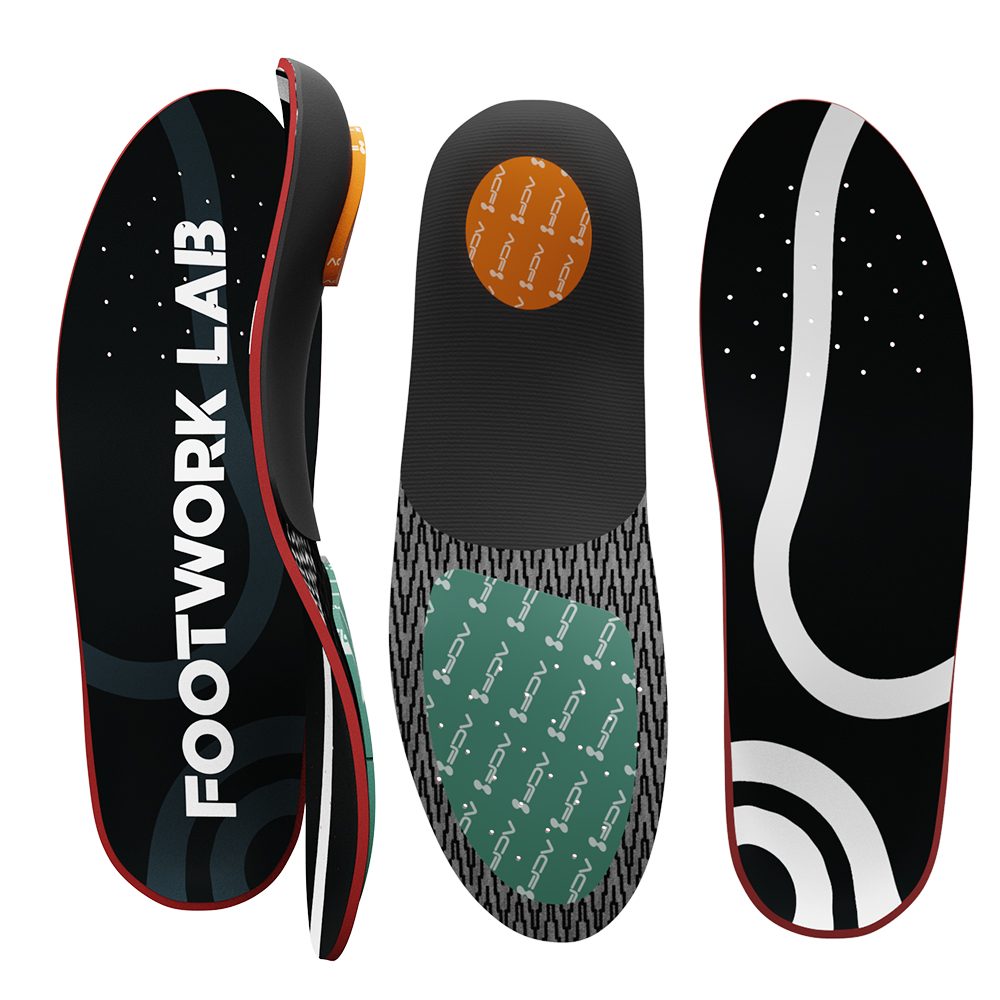
Before the machine, the workshop’s day is shaped by appointments; after it, the day is shaped by appointments and by heat. The bench adds blocks of time that cannot be interrupted mid-task — a blank heating, a contour setting — and blocks that cannot be rushed without quality paying for it. The day that absorbs this best separates bench time from customer time: batches of production in the quiet hours, fitting checks slotted into appointments where the customer can see the work. A day that interleaves the two produces neither good pairs nor good appointments.
A few dozen pairs a day is the realistic ceiling for a two-person bench operation, and even that figure assumes the pairs are routine. The count that matters more is the honest one: how many fitted pairs the workshop actually needs to make in-house, which for most two-person shops is a fraction of a few dozen. Writing the real number down before the purchase prevents the classic small-shop error of buying capacity for a day the business has never had. The machine should be sized for the workshop’s order book, not for its ambition.
Peak days are the stress test. The Saturday with a full appointment book, the season’s start, the week a retailer’s order lands on top of the usual flow — these are the days a bench either earns its place or gets in the way. The workshops that run peaks well are the ones that planned the overflow before owning the machine: which pairs go to the factory, what the reorder rhythm is, and who makes that call mid-week. A bench plus a factory relationship handles a peak; a bench alone merely records it.
Training weeks: what the learning curve actually costs
The machine arrives crated, and the first two weeks belong to learning rather than producing. Heating behaviour varies with the blank and the climate; forming rewards hands that have done it before; finishing separates a pair the customer praises from a pair the customer quietly replaces. The producer who already shapes insoles by hand picks the bench craft up quickly — the specification skills carry over entirely, and the machine replaces muscle work, not judgement. The producer who has never shaped anything starts further back, and the workshop should budget for that honestly.
The cost shows up in three places, none of them on the invoice. Hours: supervised practice on real orders, because practice on scrap teaches the bench but not the workflow. Rejects: the first weeks produce remakes at a rate the workshop will only admit to itself, and the remake materials and hours belong in the purchase calculation. And service disruption: the appointment book that accommodated training is the appointment book that recovers. A workshop that buys in a quiet season absorbs all three; one that buys before its peak pays for the machine twice.
Support shortens the curve more than talent does. Our own terms run through a dedicated WhatsApp group with direct engineer access, remote assistance where the problem needs eyes, and over-the-air updates on connected units — and the workshops that lean on these channels in the first month are the ones whose second month looks like routine. Every unit also leaves the plant after seven days of testing and carries a twelve-month warranty against non-human damage with free parts, which covers the faults nobody can train away. The training weeks end when the second pair of hands can run the routine alone; the workshops that keep going until then, rather than until the first saleable pair, are the ones whose remakes stay rare.
What still travels back to the factory
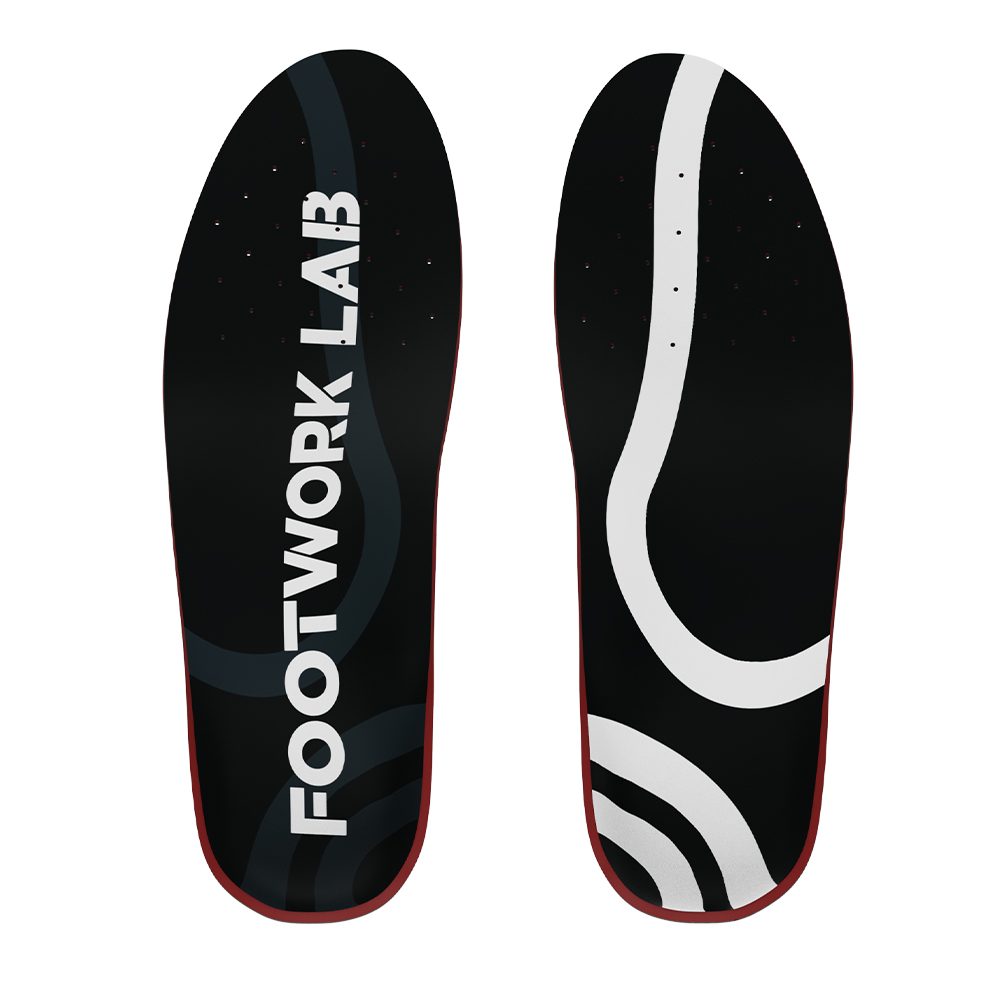
The overflow goes first, and it goes because it must. The week the order book doubles, a bench that makes one pair at a time cannot follow, and the factory relationship the workshop kept warm is the difference between a peak week and a lost contract. Two hundred pairs minimum, mixed styles and sizes, is the natural unit for that top-up — small enough to be a bridge rather than a commitment, and mixable enough to cover the size outliers the bench day never reached.
The trial builds go second. A new style — a stiffer board for a sport the shop has never served, a pediatric contour for a growing customer group — is cheaper to prove at a factory bench than in the workshop’s own hours, and our sample terms exist for exactly this loop: a sample pair ships within three days, so the build is tested in a real shoe before the workshop commits a single hour of bench time to it. Workshops that stop sampling once the machine arrives stop developing their range, and their offer ossifies around whatever the bench was set up for in its first year.
And the specialised builds go third, because some work belongs to production scale regardless of enthusiasm. OEM orders with house packaging and size curves, volumes below what in-house production can touch profitably, materials the bench cannot handle — all of it stays with the factory, and ODM and OEM work on the insole side exists precisely so a workshop can offer a full catalogue while making only what its bench makes well. The mature version of the two-person workshop is not the one that sends nothing away. It is the one that knows, line by line, what it keeps and what it sends, and has a reason for each line.
The honest ledger before the purchase
Before the crate ships, the ledger worth writing has four lines, none of which is the machine’s price. Who operates: the named producer and the named second. What it displaces: the realistic count of routine pairs, not the ambitious one. What it moves: the materials, specifications and checks that relocate rather than vanish. What it does not touch: the overflow, the trials, the specialised orders that stay with the factory. A purchase made against those four lines behaves like the buyer expected. A purchase made against a brochure behaves like a brochure.
The limits we state from our side belong in the same ledger. We do not publish prices in an article of this kind, because a quotation depends on the equipment, the mix and the destination. We do not promise production outcomes — no throughput figure becomes a commitment, and no efficiency claim becomes a promise of a business case. What we can specify is the equipment itself: the minimum order of one unit, the seven-day test every unit runs before dispatch, the twelve-month warranty against non-human damage with free parts, and the support channels that carry a two-person team through the weeks when the machine is new and the order book is not.
And we will say the uncomfortable thing the fair conversation avoids: some two-person workshops should not buy the machine, and their order book already proves which ones. If the routine pairs are few, the factory relationship with its two-hundred-pair minimum and three-day samples serves the business better than a bench that sits idle between appointments. If the routine pairs are many, the bench earns its place and the ledger above will show it within a page. We would rather sell the right answer to the smaller number — equipment, factory supply, or the deliberate combination of both — than the optimistic answer to everyone, because the workshops that trust us with the uncomfortable version come back for the second order, and the second order is how this trade is actually built.
Frequently asked questions
Who should operate the machine in a two-person workshop?
The producer, in most cases — bench craft is a production skill, and the person already making insoles absorbs it as a change of tools rather than a change of trade. Name a second operator as well, trained to run the routine safely, so the business does not stop when the first operator does.
How many pairs can a two-person bench operation produce in a day?
A few dozen routine pairs is a realistic ceiling for a bench run this way, and the number that matters is lower: how many routine pairs the workshop actually needs in-house. Size the purchase to the order book, not to the ambition, and keep the factory relationship for the peaks.
What does the machine still not do?
It does not touch overflow weeks, trial builds or specialised orders. Those still travel to a factory — top-ups at the two-hundred-pair minimum mixed styles and sizes, samples shipping within three days, and ODM and OEM work for volumes and builds the bench cannot serve.
How long does training take, and what does it cost?
The first two weeks belong to learning: supervised practice on real orders, a higher remake rate than anyone admits to, and an appointment book adjusted to fit. Support shortens the curve — direct engineer access, remote assistance and over-the-air updates on connected units — and the training ends when the second operator can run the routine alone.
What warranty and testing come with the machine?
The minimum order is one unit, every unit is tested at the plant for seven days before dispatch, and the warranty covers twelve months against non-human damage with free parts. Machines accept ODM, and OEM on the machine side is discussed case by case.
Can the workshop still order finished insoles from the factory?
Yes, and most do. The two-hundred-pair minimum, mixed styles and sizes, covers overflow and range top-ups; samples ship within three days for proving new builds; and the reorder rhythm follows the four-to-six-month working life of a daily-wear pair.
How do we decide whether to buy at all?
Write the four-line ledger: who operates, what the machine displaces in realistic pair counts, what work it merely moves, and what stays with the factory. If the routine pairs are few, a factory relationship serves better than an idle bench. Bring the ledger to us through a conversation and we will say which answer it supports, even when the answer is not to buy.
What we would do next
Write the four-line ledger before the crate ships — operator, displaced pairs, moved work, factory remainder — and send it through the contact page. We will read it against the workshops we have supplied and tell you which lines are optimistic, including the answer that the bench should stay at the factory. The insole range page lists what a factory order can hold in the meantime, and the FAQ page carries the sample, minimum order and delivery terms.
For the wider version of the same decision, buying an insoles machine covers the question at general business scale, and a fit insole machine still needs a fitter follows the operator question to its logical end — the machine is furniture, and the person is the craft.
This article is intended for professional and educational reference. It is not medical advice. Foot assessment equipment produces measurements and images; clinical interpretation and any decision about care remain the responsibility of a qualified professional. Certification scope is limited to the documentation we hold: European Union certification and ISO quality system certification.