
The customer came back at three months, held the pair up by the heel, and said the word that starts half of these conversations: worn out. The operator turned the insole over, looked at the cover the way a mechanic looks at a tyre — not at the dirt, but at where it had gone smooth and where it had not — and asked a few questions before promising anything. Where does the smoothness sit? Does it match the pressure record the pair was built from? Has anything changed: body weight, footwear, the job, the sport? By the end of ten minutes the word had changed from worn out to wearing normally, or it had changed into a conversation about fit, or it had turned into an order for a rebuild. The three-month check exists to make that distinction, and the distinction matters in both directions: a cover read as failed when it is merely settled wastes a serviceable pair, and a cover read as fine when the fit underneath has drifted wastes three more months of the customer’s feet. This article works through how experienced rooms read a top cover at review — what wear says about the fit, what it cannot say about the build beneath, and how the findings get written down so the next visit starts where this one ended.
Why the check sits at three months
Three months is the point where a pair stops being new and starts being readable. The first two weeks belong to settle-in, and what the customer reports then — pressure points, break-in noises, the feeling of the posting — is about adaptation, not about wear, which is why our piece on the first two weeks asks the customer to report sensation rather than inspect surfaces. By the third month the cover has taken enough real steps to show a pattern, and the pattern has stabilised enough to mean something. Reading it earlier invites conclusions about a surface that has not yet finished telling its story.
Three months also matches how the build was planned. The cover was chosen as a wearing surface — the part designed to take contact with the sock and the shoe — with the construction underneath decided at build time, which our article on adhesive, primer and press covers from the factory side. The review therefore asks a fair question of the cover: has it worn where the load record said load would fall, at a rate that matches three months of the customer’s actual use? A check earlier than that mostly measures the customer’s anxiety; a check much later can miss a fit conversation that wanted to happen sooner.
What the customer means by worn out
The word arrives loaded, and the first job of the visit is to unpack it. Usually the customer means the cover looks used: the pile has flattened, the colour has evened out, the surface has gone smooth where the foot rides it. That is the cover doing exactly what a cover does, and a smooth cover with intact edges and an even pattern is a success story wearing work clothes. Sometimes, though, the customer means something the word fits better: a frayed edge, a cover lifting at the heel, fabric bunched under the forefoot, or a hole worn through where the record never promised heavy contact. The two conditions lead to different conversations, and the operator’s first move is to look, not to reassure or to agree.
The look has a routine, and it takes two minutes. Cover off the foot, turned over, held flat against a counter. Edges first — intact, rounded, lifting, or frayed. Then the surface — where has it gone smooth, and does the smoothness sit under heel, under the ball, along one border, or evenly across? Then the underside, because the cover is only the page and some wear stories show through it. Whatever the customer came in worried about, the routine gives the conversation facts before it gives either party a verdict.
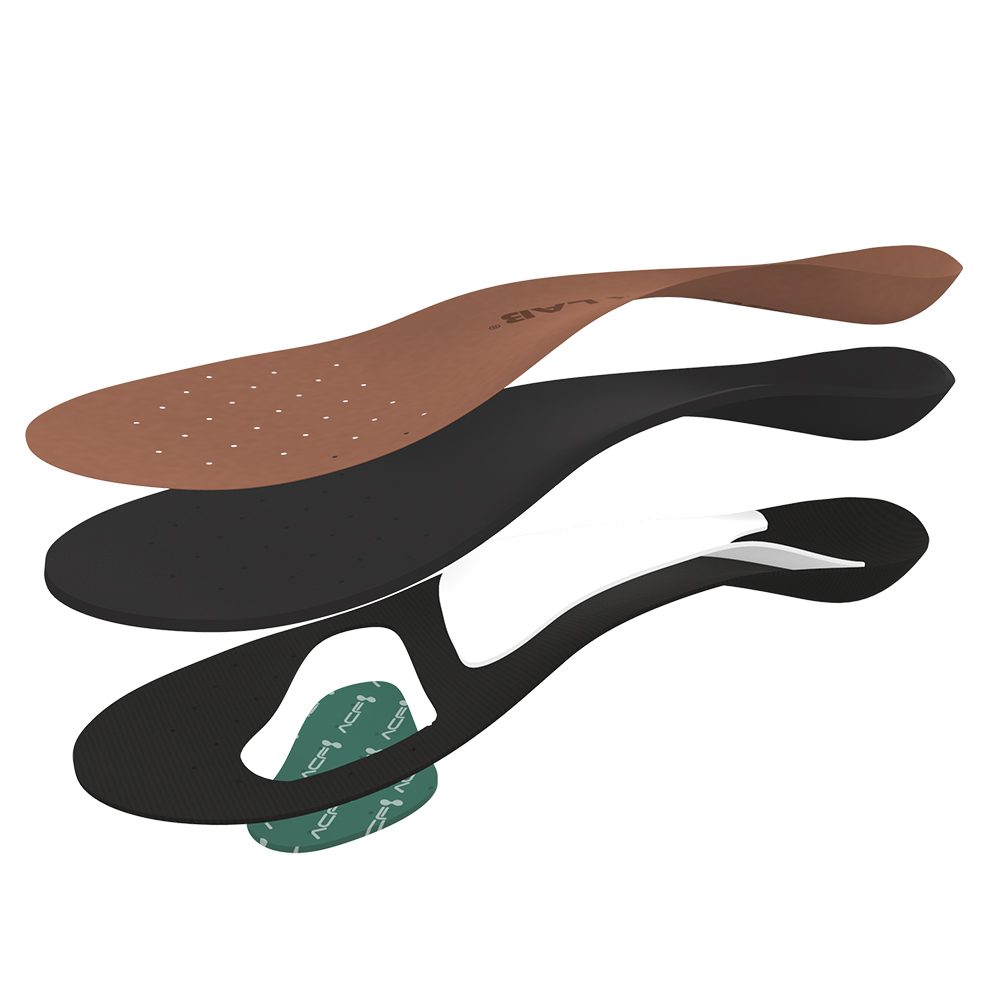
Where wear concentrates, and what each zone suggests
Wear under the heel and the ball, spread roughly evenly and matching the pressure record, is the expected answer. The record that guided the build showed where load concentrates during stance; a cover worn smooth in those same zones says the pair is being used as designed. Even wear in the expected places is the strongest single piece of evidence a review can collect that the fit is still right, and it is worth saying so to the customer in exactly those terms, because customers rarely hear that their worn insoles are good news.
Concentrated wear away from the expected zones is where the conversation turns. A cover polished along one border says the foot is rolling somewhere the record did not show. Wear bunched under one metatarsal region says load has shifted in the forefoot. One cover wearing far faster than its partner says the two feet are no longer doing the same job, which is a familiar problem with a familiar handling — our piece on building a mismatched pair exists precisely because feet drift apart in load and volume. None of these observations is a diagnosis; each is a question the record and the room can now ask.
Rate matters alongside position. A cover that has worn through at three months tells a different story from one that has thinned, and the story usually involves either heavier use than the build assumed or a surface problem worth seeing from the factory side. Rooms should photograph the pair at every review — same angle, same light — because rate is only visible by comparison, and comparison needs an earlier page to read against.
Reading wear against the original record
The pressure record taken before the build is the reference the review reads wear against. Wear maps onto load: where the record showed high contact, the cover should show smoothness; where the record showed quiet, the cover should still show texture. When the two agree, the review closes quickly — the pair is doing what it was built to do, and the next check is scheduled. When they disagree, the disagreement is the finding, and it is worth pursuing in a specific order: first footwear (a new shoe changes everything under a cover), then activity (a new job, a new sport, a longer commute), then the fit itself.
The record also protects the review from over-reading. A customer with a stiff heel strike will always polish the heel zone faster than a customer who rolls gently through the foot; that is the record explaining the wear, not the wear exposing a fault. Operators who keep the record on screen while they inspect the cover conduct a two-document review, and the difference shows: conclusions come slower, and the ones they reach hold up when the pair goes back in the shoe.
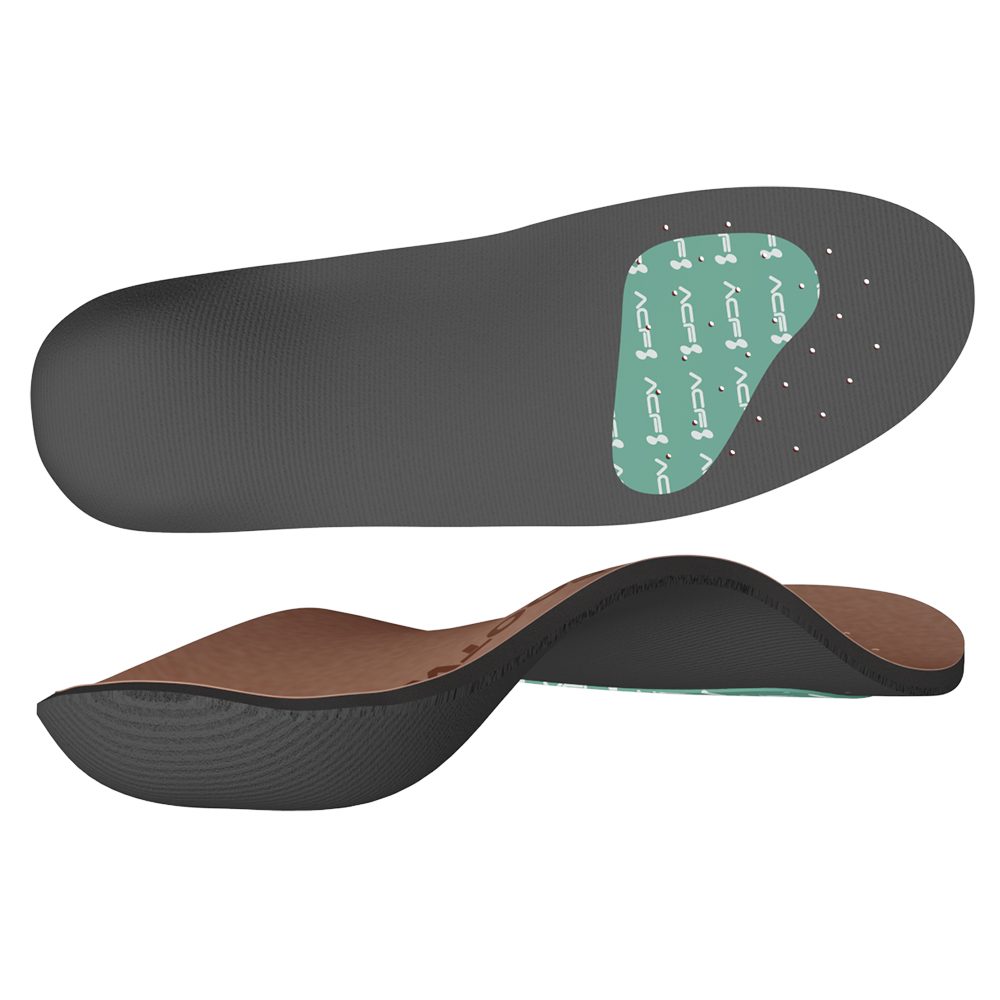
What cover wear cannot say about the build underneath
However expressive the cover is, it stays a surface. The elements that carry the actual correction — the posting, the shell, the arch geometry — sit beneath it, and no amount of cover inspection reports their condition. A cover that looks lightly used can sit above a post that has compressed; a cover worn smooth can hide a structure that is entirely sound. Reading the cover as a proxy for the build is the review’s most common over-reach, and the discipline that prevents it is simple: the cover answers fit questions, and the build gets answered by the build — inspection against the original specification, the way the factory checks a pair against its own file before it ships.
This is also why the review should not rush from a worn cover straight to a cover order. If the wear pattern says fit has drifted, a new cover on an unchanged build simply re-covers the problem. If the wear pattern says the pair is working, the build underneath is the thing being trusted, and a routine inspection of edges, adhesion and structure — the topics our article on adhesive, primer and press walks through — is what justifies that trust. The cover is read first because it is accessible, not because it is the whole story.
When wear opens a fit conversation instead of an order
Several wear findings belong to fit before they belong to the cover. Wear concentrated at the medial edge with the cover overhanging the shoe suggests the volume has changed, not just the surface. A cover polished at the heel rim alongside reports of heel slip says the pair is moving in the shoe, and movement is a fitting matter. Asymmetric wear between the two covers echoes asymmetric load, which the room can verify on the platform in a short standing and walking session the same afternoon. In each case the wear is the symptom that earned the customer the appointment; the fit is the subject of it.
The conversation has a shape rooms settle into. The operator states what the wear shows, in plain words, against the record: the right cover is wearing along its inside border, and the record from your first visit showed more load on that side than we built for. Then the questions: has the footwear changed, has the work changed, has anything about the feel changed since the early weeks. Then the platform, if the answers suggest load has moved. A review that follows this order ends with a decision the customer watched being made, which is worth more than a decision that was merely announced.
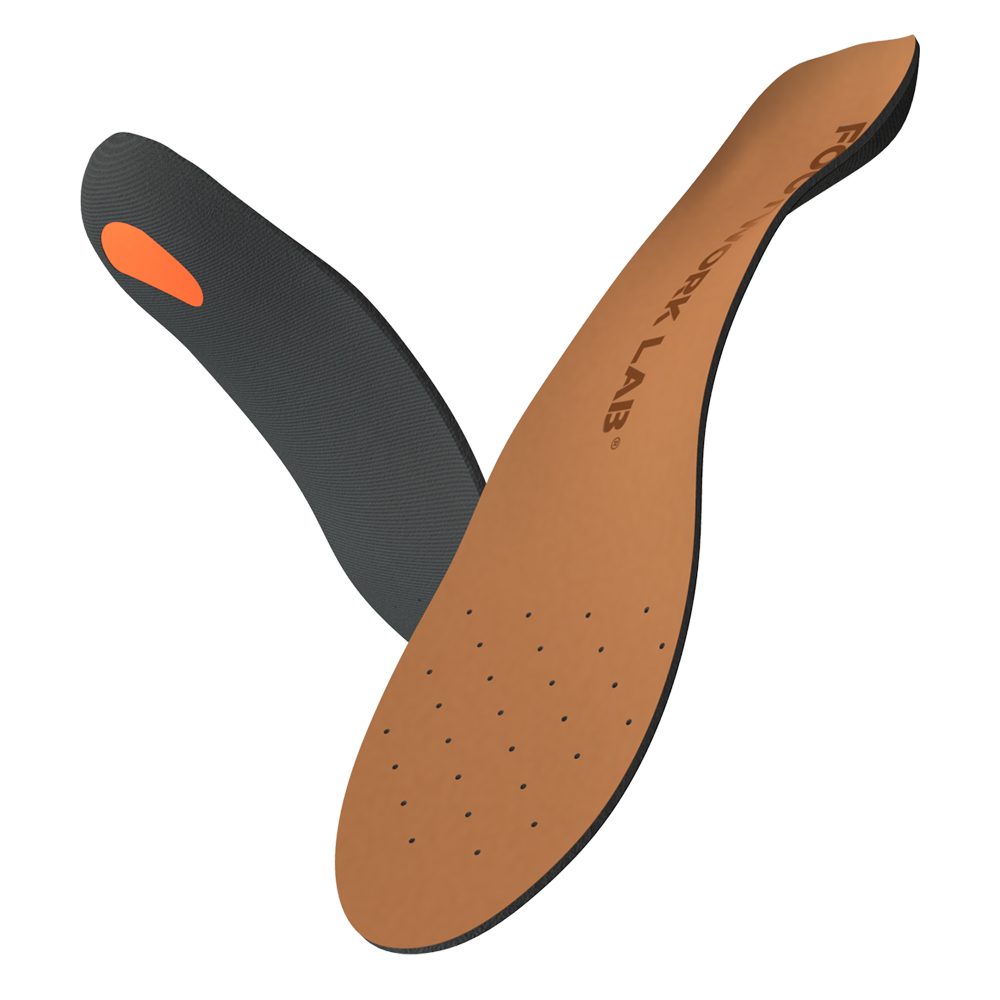
Cover alone, or a rebuild: how the room decides
When the build under the cover is sound and the fit is unchanged, a re-cover is the efficient answer, and it is a routine job on our side: the pair comes back to the factory, the build file is pulled so the replacement matches the original construction, and the work follows the same adhesive and press discipline every cover was made with. When the fit has drifted — weight change being the most common driver, and the one our article on rebuilding after a change in body weight treats in full — the record, not the calendar, calls for a new pair. And when the wear pattern contradicts the record in ways the conversation cannot explain, the pair comes back for inspection rather than receiving a cosmetic answer.
The decision is easier to defend when the alternatives are named for the customer. A new cover restores the wearing surface and keeps what was working. A rebuild resets the pair to the current foot, and current is a moving target: three months is long enough for weight, footwear or work to have shifted what the original build assumed. Customers accept either answer readily when it is tied to evidence they have just seen — the cover, the record, the standing session — and rarely when it is tied to policy.
Writing the review into the record
The review ends in notes, or it ends in memory, and memory does not survive to the next visit. The folder takes the photographs, the wear described in words — even, zone by zone, against the record — and the decision reached, with its reason. A re-cover gets logged against the build file so the pair stays findable, which matters more than it sounds: a pair rebuilt three years later by a different pair of hands needs its history attached, and our piece on moulds, files and builds that have to be found again is about exactly that. The next review then starts from a dated page instead of from scratch.
The same note disciplines the calendar. Reviews scheduled by evidence — a cover flagged for a closer look at the next visit, a fit conversation booked for the platform — carry their reason forward, and the reason is the difference between a reminder and a ritual. Rooms that write the review down keep pairs honest across years of service, and the customers, who never see the folder, still feel the difference: nothing about their pair is ever guessed at twice.
Frequently asked questions
Is cover wear at three months a sign the insoles have failed?
Usually the opposite. The top cover is the wearing surface, designed to take contact with sock and shoe, and smoothness under the heel and ball — matching the pressure record — shows the pair is being used as built. Failure looks different: frayed edges, lifting, bunching, or wear concentrated where the record never showed load.
What should a normal wear pattern look like?
Smooth, even polish under the load zones the original record identified, intact edges, no bunching, and roughly matched wear between left and right. Read against the record, normal means the cover has worn where load actually falls. Photographs at each review, same angle and light, make the pattern comparable over time.
What does wear concentrated on one side suggest?
That load has shifted, or that the pair is moving inside the shoe. It is a question, not a conclusion: compare the wear against the original record, ask what has changed in footwear, work and activity, and verify with a short standing and walking session. A mismatched wear pattern between the two covers deserves the same handling.
Can the cover be replaced without rebuilding the pair?
Yes, when the fit is unchanged and the build underneath is sound. The pair returns to the factory, the build file is pulled so the new cover matches the original construction, and the work follows the same adhesive and press process. If wear shows the fit has drifted, a new cover alone re-covers the problem.
What does cover wear tell us about the posting underneath?
Nothing directly. The posting and the shell sit beneath the cover, and no surface inspection reports their condition; they are checked by inspection against the original specification. Reading a smooth cover as proof the structure is fine — or faulty — is the review’s most common over-reach, and the record plus a proper inspection prevents it.
Should the customer photograph the covers between visits?
It is a useful habit and worth encouraging: same angle, same light, beside a dated note about footwear and use. Rate of wear is only visible by comparison, and a mid-interval photo gives the review an earlier page to read against instead of relying on the customer’s memory of how the cover looked.
When does a pair need rebuilding rather than a new cover?
When fit has changed — body weight being the most common driver — when the wear pattern contradicts the pressure record in ways the conversation cannot explain, or when inspection shows the build beneath is no longer sound. The record and the evidence decide, not the calendar; three months of changed use can outdate a build.
What we would do next
Put the two-minute cover routine and the photographs into the review protocol this week, and pull the last ten three-month folders to check whether the wear findings were written against the original record; where they were not, note the gap honestly rather than pretend the reviews were comparable. Then look at the pairs currently overdue for review and sort them by what the next visit actually needs: a fit conversation on the platform, a re-cover with the build file pulled, or a rebuild. The insole categories page shows the build families and cover options we manufacture, the adhesive, primer and press article explains what decides whether a cover stays on, and the FAQ page carries the care and review answers we give most often by message.
This article is intended for professional and educational reference. It is not medical advice. Foot assessment equipment produces measurements and images; clinical interpretation and any decision about care remain the responsibility of a qualified professional. Certification scope is limited to the documentation we hold: European Union certification and ISO quality system certification.