
The screening corner was the pride of the refurbished clinic in February; by November the platform wears a folded towel, a roll of tape and somebody’s clipboard. Nobody decided to stop using it. The diary simply filled with work that had deadlines attached, the member of staff who ran the first sessions changed roles, and the machine slid from being part of the room’s routine to being part of its furniture. Walk into enough assessment rooms a year after an installation and you will find one of two things: a machine with a rhythm, booked into named slots, producing records that people actually read, or a machine that gets tidied around. The gap between the two is rarely about the equipment. It is decided by four things that have little to do with sensitivity or software: who owns the machine, when it gets used, what each session is for, and what the session produces. This article walks through those four in the order they tend to fail, then through how a room restarts a machine that has gone quiet, and finally what honest use looks like a year in, so the picture of success is a realistic one.
Month one was never the test
Week one is not evidence of anything. The machine is new, every member of staff wants a turn, half the customers ask about it in the waiting room, and somebody posts a photo of the first colour map in the staff chat. By any reasonable definition, adoption in week one is close to total. What week one proves is that the room can produce a record; it says nothing about whether a routine has formed, because a routine is a habit that survives the week the diary gets heavy, and no diary is heavy in installation week.
The decay follows a recognisable sequence, and it is worth learning to read it early, because month three is late to notice. First the gaps between captures stretch: the machine that saw four people a day sees four a week. Then the machine gets moved, usually to make room for something with a deadline, and the move is never fully undone, because the cable no longer reaches the good spot. Then staff stop mentioning it in conversations with customers, and at that point the machine has become furniture. Nothing in that sequence is a malfunction. Every step is a scheduling decision somebody made without noticing they were making one.
Watch for the early signal instead: the distance between one capture and the next. A room that intends to use its machine holds that distance roughly steady even in a busy month, because the sessions are tied to intake or to review, and intake does not pause. A room that is drifting shows a widening gap and a growing pile of postponed sessions. A platform unused after months of ownership was already visible in week three, quietly, in the diary — and the phrase describes a pattern, not an event, which is exactly why it can be caught early.
The first thing: a named owner
Ask the staff of a quiet room who runs the machine and the answer is a shrug, or a list of names that changes with the rota. Ask the same question in a room where the machine is busy and you get one name, said without hesitation. That single difference explains more dormancy than every technical question combined, because equipment without an owner has nobody whose day is incomplete when the day passes without a capture. Machines do not keep themselves busy; somebody’s job does.
An owner is not an operator who happens to be good at it. Ownership is written down: one named person is responsible for the machine being booked, the session sheets being filled, the software staying current and new staff being shown how a session runs. When that person is on leave, the job passes to a named deputy for that fortnight, and the machine keeps its rhythm, because the rhythm belongs to the role and not to whoever feels like it that week. The handover between owner and deputy is the detail rooms forget, and it is where most ownership quietly dies: the person leaves, and nothing was ever transferred.
Two details make ownership stick. The first is that the owner runs the two busiest sessions of the week personally for the first month, so the habit is demonstrated rather than announced. The second is that the owner signs the session sheet, which sounds ceremonial until the week when every sheet comes back blank and the owner is the only person who notices. A machine whose records nobody checks is already halfway to being furniture; a named owner with a pencil is cheaper than any fix that comes later.
There is a second-order benefit worth naming too. Customers ask questions about the images on the screen, and an owned machine has somebody whose answer is consistent from one session to the next. That consistency is what turns a capture into a record a professional can read later, instead of a set of pictures that mean something different every time they are looked at.
The second thing: a fixed slot in the week
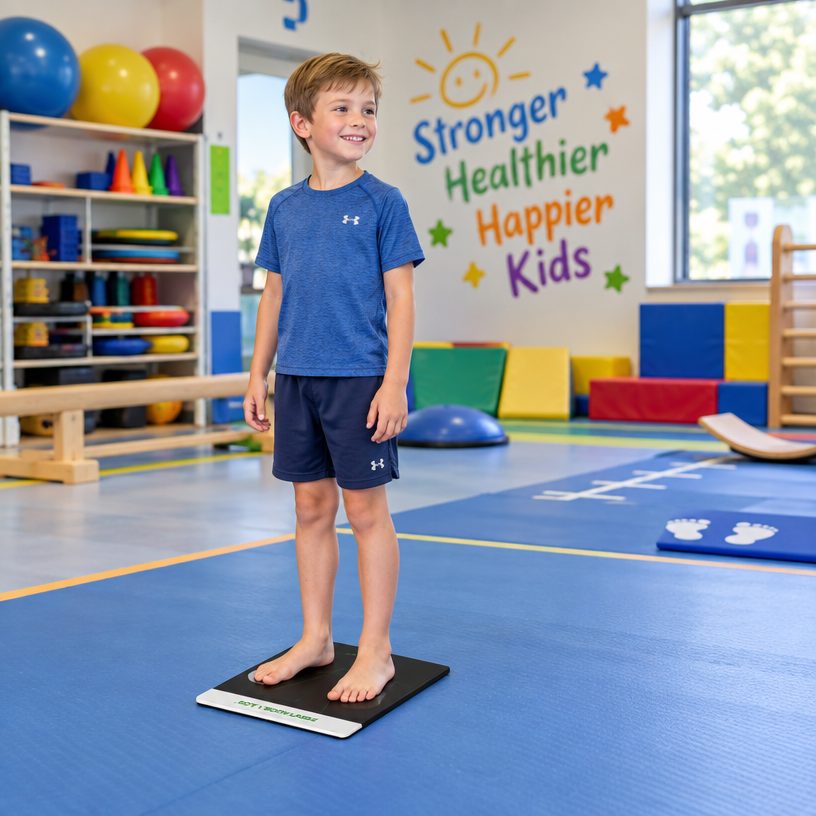
The second decision is when. A machine that gets used “when there is time” is a machine that gets used never, because in every working room there is never time; there is only time that was reserved. The rooms with steady usage almost all run some version of the same arrangement: the machine sits inside the existing workflow at a named point, rather than beside it as an optional extra that competes for attention.
The commonest version is intake. Every new assessment begins with a capture, in the same slot of the appointment, done the same way, and the record is filed before the conversation starts. Because intake never pauses, the machine never pauses. The second common version is a screening block: a fixed half-day each week when captures are offered to whoever is due one, and the block is protected the way clinic hours are protected, with customers booked into it by name. A third version ties captures to review: every follow-up at a set interval starts on the platform, so the file gains a comparable record each time without anybody having to invent an occasion.
What all three share is that using the machine requires no separate decision. Nobody wakes up on a Tuesday and chooses between the machine and the rest of the work; the choice was made once, written into the timetable, and the week simply executes it. Our article on two rooms and one platform covers the spatial half of the same question, because where a capture happens decides how much friction each session carries. A machine that lives where the work already happens gets used. A machine that lives two doors away gets used on the days somebody remembers to feel enthusiastic, and enthusiasm has a short half-life in any working room.
The third thing: every session has a question
The third decision is purpose. A capture taken because the machine was there produces an image with no reader, and images with no readers stop being taken. Before a restarted routine is announced to staff, the room should decide what a session is actually for, and write the answer in one sentence that a new starter could repeat without notes.
Most rooms settle on two or three session types. The intake record: a capture of every new customer under stated conditions, filed as the baseline the file will be read against later. The focused capture: taken when a customer describes something that a record of load distribution can help describe, with the conditions chosen to match what the customer actually reports. The review capture: the same conditions as the intake, at a set interval, so two records can be laid side by side and compared in the same words. Each type has a different output and a different length, and each exists to answer a question that is written on the sheet before the customer steps on. The question on the sheet is the discipline; it is what stops a session from becoming a photo opportunity.
The distinction matters downstream as much as in the room. A screening capture and a full assessment are different animals, and our article on screening before a full assessment walks through sorting who needs which, so the quick records and the full ones do not blur into each other. What the equipment contributes in every case is the same and worth stating plainly: measurements and images of how load distributed under the stated conditions. What those mean for the person on the platform is a question for a qualified professional reading the whole file, and a room that keeps that line clear finds that sessions stay short, records stay honest, and nobody expects the machine to hand down a verdict it was never built to hand down.
The fourth thing: decide what the session produces
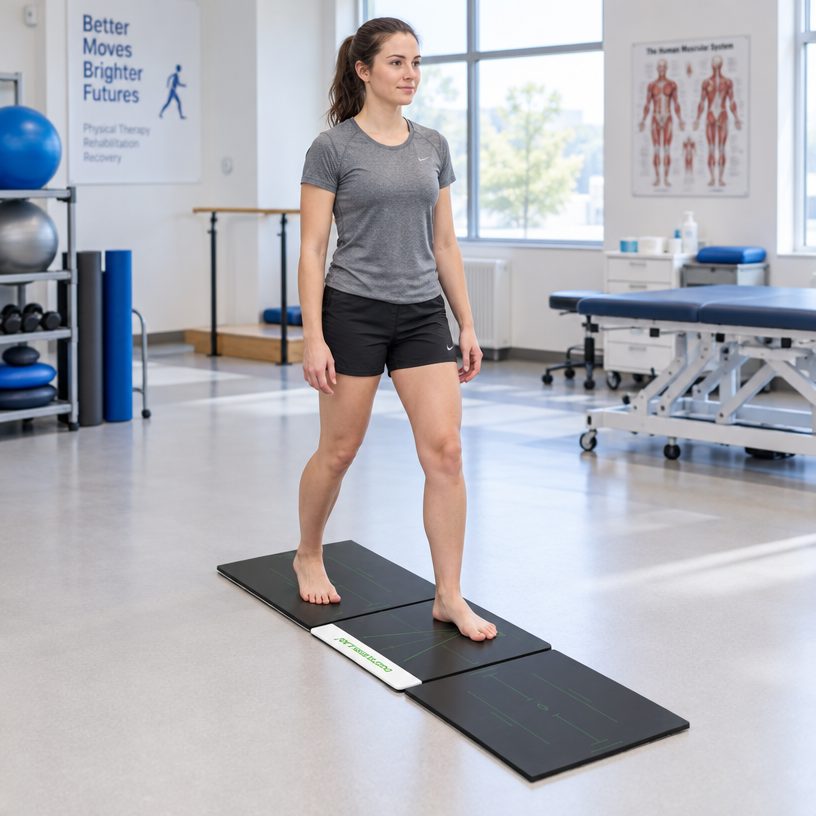
The fourth decision is the output, and it is the one that decides whether the first three survive contact with a busy month. A session that ends with the operator turning the screen towards the customer and saying something general has produced no object: nothing gets filed, nothing gets quoted back in a fortnight, and nothing reminds the room next Tuesday that the machine exists. Sessions that end with an artefact behave differently, because artefacts accumulate into a habit, and habits are what this whole article is about.
The artefact does not need to be elaborate. Four lines on a session sheet: the question the session set out to answer, the conditions of the capture, what the images show in one plain sentence, and what happens next. The customer leaves with a copy, or with the same four lines said out loud; the file keeps the original. The filing side matters as much as the writing side: a record that cannot be found next month is functionally identical to a record that was never taken, and a drawer of unfindable captures has convinced more rooms to stop than any software fault ever did.
The output is also where expectation management lives, and it is worth being blunt about what the machine does not do. It does not interpret. It does not grade anybody. It does not decide what should be done about anything. It produces measurements and images under stated conditions, and the reading of those belongs to a qualified professional. Rooms that write that line into their standard output, in the same words every time, stop accumulating customers who come back asking what their number was, and start accumulating customers who arrive with better questions and better information. That shift in the quality of the questions coming back through the door is the quiet sign that the output discipline is working.
Restarting a machine that went quiet
For the room reading this with a towel-covered machine in the corner, the restart is smaller than it feels. The mistake to avoid is the launch: an email announcing that the platform is back, a training afternoon, a push for two weeks, and then the same decay with a fresh start date. Revival works when it copies the pattern of the rooms that never went quiet, and those rooms run on structure rather than enthusiasm. Enthusiasm got the machine installed; only structure keeps it in the diary.
The sequence that works is short. First, a diagnosis in one honest meeting: which of the four things was missing? In most rooms it is the first one, the owner, usually because the person who ran the early sessions changed roles and nothing was handed over. Second, appoint the owner and the deputy in the same sentence, out loud, in front of the team. Third, pick one session type, not three, and attach it to a workflow that already runs; intake is the usual choice, because it happens anyway and needs no new habit. Fourth, run that single arrangement for a fortnight before adding anything else. Fifth, review with the diary open: count the captures, read three sheets at random, and fix what the sheets reveal.
One afternoon of refresher training is usually enough at this point, because the staff who were trained at installation remember more than they think they do; what they lost was the occasion to use it, not the knowledge. The owner should run every session in the restart fortnight personally, and the sheet should be signed every time. Two weeks of that, and the machine has a slot, an owner and a paper trail, which is more structure than most rooms had in their first month — and more than enough for the routine to carry itself from there.
What honest use looks like a year in
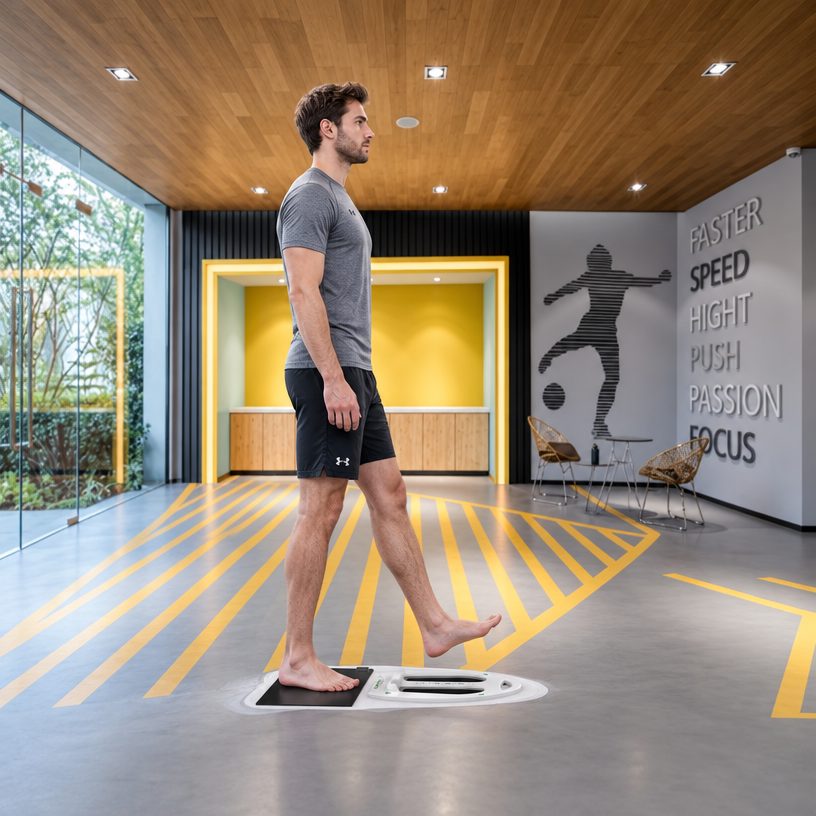
The last thing worth setting straight is the picture of success, because rooms compare themselves to an imagined clinic where the machine runs all day, decide they have failed, and stop trying. Steady usage in a real room looks modest from the outside. It is a machine with a named owner, two or three protected slots a week, a known session type for each, a signed sheet per capture, and a file that a professional can read a year later and understand without asking anyone anything. Measured in captures, it might be a handful a week. Measured in structure, it is the difference between a tool and furniture, and only one of those can be sold as part of a service.
That level of use is also what the equipment is built for. A pressure platform such as the F2 plantar pressure system is a measurement tool that earns its floor space by being part of ordinary intake and review, not by being an event. The suppliers who watch rooms over years see the same pattern repeatedly: the machines that stay busy sit in rooms that protect small routines, and the machines that go quiet were usually bought on the strength of a demonstration rather than a workflow. Nobody demos a Tuesday intake slot, which is why the buyer has to supply that part themselves.
There is a final honesty that belongs in this section. We manufacture the equipment and we do not run sessions, so what we can offer is what the machine records and how it is supported after delivery; we cannot promise what any room’s routine will look like, and we do not pretend the four things in this article are effortless. They are ordinary managerial work — naming an owner, protecting a slot, writing a question, filing four lines — which is exactly why they decide the outcome. The equipment is the easy part, and it was never the part that determined whether anybody used it in month four.
Frequently asked questions
Why do assessment platforms stop being used after a few months?
In almost every case the cause is structural rather than technical: no named owner, no fixed slot in the timetable, no defined session purpose, or no output that gets filed. Week one proves the room can produce a record; only a routine keeps production going once the novelty fades.
Who should own the machine in a small room?
One named person, with a named deputy for absences. Ownership means the machine being booked, sheets being filled and new staff being trained. Shared ownership works the same as no ownership, because nobody’s day is incomplete when a day passes without a capture.
How often should a room run sessions to keep the habit?
Often enough that the gap between captures stays steady, which in practice means tying captures to a workflow that never pauses, such as intake or scheduled reviews. A couple of protected slots a week is a realistic rhythm for a small room and is enough to keep the routine alive.
What is the first step to restart a platform that has gone quiet?
Appoint an owner, pick one session type, and attach it to an existing workflow for a fortnight before adding anything. Skip the relaunch campaign: revival works when it copies the structure of rooms that never went quiet, not when it runs on enthusiasm.
Should every new customer go through the platform?
Rooms with steady usage usually make a capture part of intake for new customers, under stated conditions, filed as the baseline record. Whether a particular person needs anything beyond that baseline is a question for a qualified professional reading the whole file.
What should a session actually produce?
At minimum four lines on a signed sheet: the question the session set out to answer, the conditions of the capture, what the images show in one plain sentence, and what happens next. A record that cannot be found next month is functionally the same as one that was never taken.
Does heavy first-month usage mean the machine will keep being used?
No. Week one proves the room can produce a record, not that a habit has formed. The early signal to watch is the gap between captures: a widening gap and a pile of postponed sessions describe a platform that will be unused within months unless structure is added.
What we would do next
Pick one of the four things this article named and audit the room against it tomorrow: if you cannot say who owns the machine without hesitating, that is the fix to make first, and the pencil-and-sheet habit in the fourth section can start the same day. Then run the fortnight-long restart from the sixth section, one session type only, and review with the diary open. The FAQ page collects the operational answers we give most often by message, including the ones about keeping machines in daily use. If a machine in your room went quiet after a strong first month, what brought it back — or what stopped you from trying? The comments are open, and rooms that have done the restart have details the rest of us need.
This article is intended for professional and educational reference. It is not medical advice. Foot assessment equipment produces measurements and images; clinical interpretation and any decision about care remain the responsibility of a qualified professional. Certification scope is limited to the documentation we hold: European Union certification and ISO quality system certification.