
The assessment went beautifully, the build was ready on time, and three weeks later the pair is still living in its box by the front door. The customer is eighty-one. She liked everyone in the room, understood what the pair was for, and paid without hesitation. What nobody watched during the fitting was the morning routine the pair would have to enter: a low kitchen chair she lowers herself into with both hands, shoes with laces her fingers can no longer manage in cold weather, and a new pair inside the shoe that now has to go in, every morning, before the day starts. The first morning she tried, the insole folded at the toe, the heel would not seat, and after four attempts she set the shoe aside and wore the old slippers. Nobody failed on purpose. The pair was built well for her foot and badly for her hands. This article is about the second half of that sentence: what makes a pair hard to get in, which questions predict the difficulty before it happens, what can be done at the fitting chair and at the bench, and how the handling plan gets written down so the pair is judged by the foot it was built for rather than by the morning it never survived.
The framing matters because rooms tend to file this under “customer difficulty” when it is closer to “fitting incompleteness”. A pair that cannot be inserted independently, or inserted at all, is a pair that produces no outcome for anyone to assess. The effort that goes into the foot record deserves a matching effort on the ten seconds of daily handling that decide whether the record ever turns into wear.
The pair that stalls at the fitting chair
The scene repeats across rooms with a consistency that should worry anyone fitting older customers. The appointment runs long in the best way: the conversation is unhurried, the record is thorough, the demonstration of the finished pair goes smoothly — because in the room, on the fitting stool at the right height, with the fitter’s hands doing the inserting, everything works. The customer goes home pleased. What the room never sees is the replay at home, in worse light, on a lower chair, with colder hands, and without the fitter. The insole that slid in easily when an experienced hand pinched the heel and guided it under the tongue becomes, in her hands, a flexible object that folds, catches on the shoe’s throat, and refuses to seat at the heel. Two mornings of that and the drawer gets the pair.
What makes the failure silent is that it never arrives as a complaint about handling. Weeks later the phone call, if it comes at all, says the pair “doesn’t seem to be doing anything”, or that it was “not comfortable to wear”, and the room starts reviewing the build — the shape, the stiffness, the top cover — for a problem that lives one step earlier, in the morning routine. Rooms that ask the direct question “how many mornings have you actually had the pair in?” are often surprised by the answer, and by how quickly the real obstacle appears once it is asked. Our article on the customer who asks for softer describes the same phenomenon from the other side: words that sound like an opinion about the build are sometimes a report about something the room never watched.
The cost of this blind spot is not just one unreturned outcome. It is the confidence of the customer, who concludes that her hands — or her feet — are the problem, and who becomes less willing to try again with the next pair or the next room. A fitting that ends with the customer successfully putting the pair in herself, twice, on the room’s lowest stool, closes the loop. A fitting that ends with the fitter doing it for her has demonstrated nothing except the fitter’s skill.
What actually makes a pair hard to handle
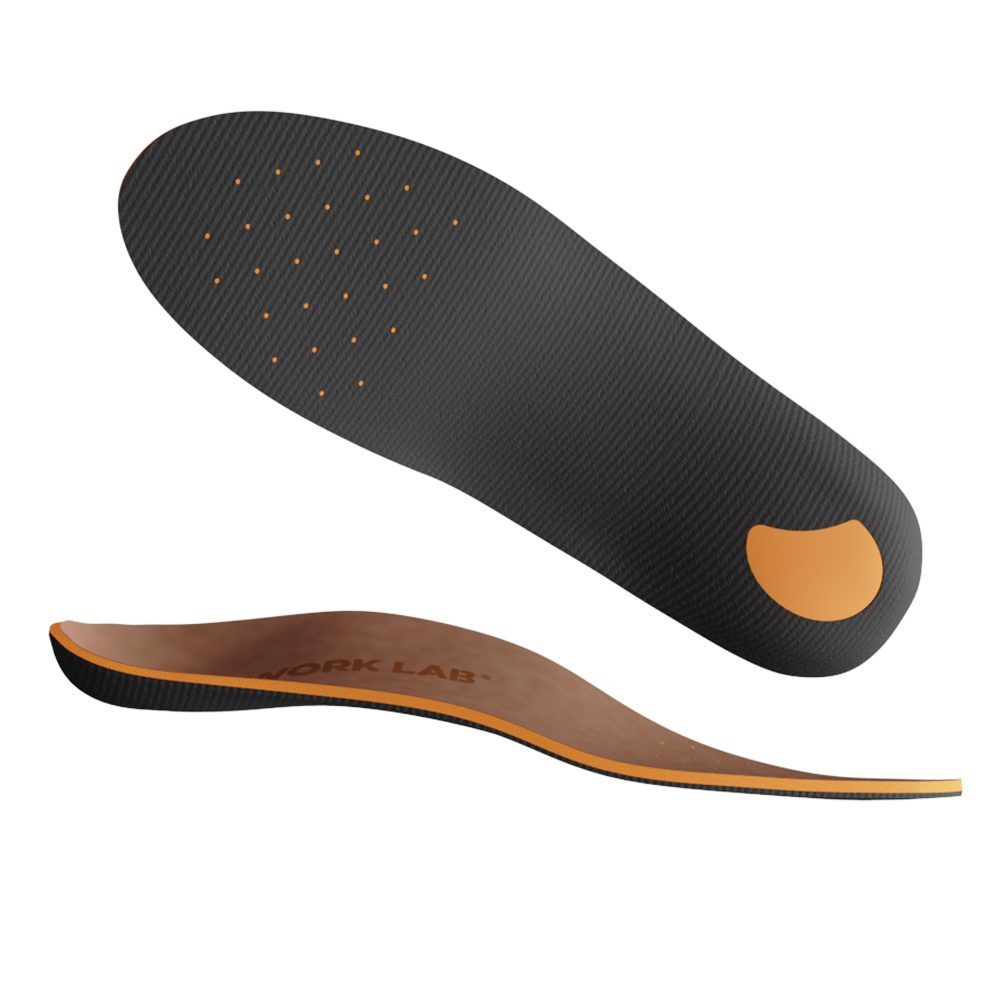
The obstacles have names, and most of them are visible in the room if anyone looks. The first group is the hands: stiffness, reduced grip strength, tremor, arthritis in the thumb joints, sensitivity that makes pinching a firm heel edge genuinely painful. The second group is the chair: most homes do not contain a fitting stool. The chair is low, without arms, or soft enough that sitting down is itself a two-hand operation — which leaves zero hands free for shoes. The third group is the shoe: a narrow throat, a stiff tongue, laces that must be fully loosened rather than slipped, or a slipper habit where the insole has to survive being moved between footwear. The fourth is the pair itself: an insole with a firm heel cup is stable under the foot and stubborn under an unpracticed hand; a soft, floppy pair slides easily and then refuses to stay put while the foot goes in.
These four groups interact, which is why the problem defeats trial and error. A customer with good hands on a high chair manages a firm heel cup fine. The same pair, same customer, same shoes, on the low soft chair in the kitchen, fails — not because anything changed about the pair, but because the position changed what her hands were able to do. A fitting room that only rehearses insertion at its own bench height is rehearsing in conditions that exist nowhere in the customer’s life.
One more obstacle deserves its own paragraph because it is the most common and the least discussed: the household helper who is not at the fitting. Many older customers have a family member who does the shoes each morning, and that person’s hands, height and patience become the real operating conditions for the pair. A room that never learns this designs for an audience of one that does not exist, and the helper — who would have managed a firmer pair happily, or needed a different shape entirely — is left improvising with whatever arrives in the box.
Questions that predict the difficulty before it happens
None of this needs to be discovered by failure. Five questions, asked before the build is commissioned rather than after the pair comes back, separate the routine fitting from the one that needs a handling plan. They take under five minutes and they belong on the sheet. First: who puts your shoes on in a normal morning — you, or someone who helps? If the answer is a helper, the fitting should end with the helper, not the customer, practising the insertion. Second: which chair do you sit on when you put shoes on, and can you describe it? Low, soft, with or without arms. Third: laces, velcro, slip-on — what are the morning shoes, and is there a second pair in the day? Fourth: have you used inserts of any kind before, and what happened when you put them in? A previous failed attempt is the best predictor in the file. Fifth: do you use a shoehorn now, and would you accept one if it made the pair workable?
The phrasing of the questions matters as much as the list. “Do you have difficulty with your hands?” produces a polite no from a generation that has practised managing politely for eighty years. “Show me how you’d get this shoe on at home — I’ll sit over there” produces the truth in thirty seconds, and it produces something better than an answer: an observation. Rooms that build this small demonstration into the fitting — the customer’s own shoe, the room’s lowest stool, the customer’s own hands — report that the demonstration changes the build conversation, because handling requirements stop being hypothetical. Our article on turning the customer’s own words into a build spec argues the same principle one step upstream: what arrives in the workshop should be observations, not impressions.
Write the answers on the sheet in specific terms. “Daughter does shoes on Tuesdays; kitchen chair, low and padded; velcro shoes; shoehorn accepted” is a build instruction. “Customer is elderly” is not, and yet that is exactly what many records contain.
At the fitting chair: an order that works
The insertion itself has an order, and teaching it takes one appointment. Insole into the shoe first, not onto the foot: the shoe gives the pair a shape to sit against, while an insole laid on the floor or balanced on the foot curls, folds and starts the morning with a fight. Slide the pair in along the shoe’s back edge until the heel seats fully — the customer should learn to feel the seat, because a heel left riding on the rim of the shoe is the most common silent failure, and it makes the pair feel wrong in a way the build then gets blamed for. Long-handled shoehorn against the heel cup, doing the guiding that stiff hands cannot; it converts a pinch-and-push job into a push-only job, which is a different class of task for arthritic hands.
Then the part that costs nothing and gets skipped most often: the customer does it herself, twice, before she leaves. Once with coaching, once without. On the low stool, not the fitting chair. If the room has a kitchen-style chair in the corner, so much the better; if not, the lowest seat in the building will do. Watch for the specific failure modes — the toe end folding, the heel seating only halfway, the tongue blocking the slide — because each one has a different remedy at the bench or in the shoe choice, and watching once identifies which remedy applies. Doing the insertion for the customer feels like kindness and functions like concealment: it hides every obstacle the morning will reveal.
Two small additions finish the loop. A card in the box with the order in plain large print — insole in first, heel back against the horn, foot in last — because the instruction given in the room competes with a week of mornings. And the helper present, if there is one, at least by phone or in a photograph, so the person who will actually do the Tuesday morning has seen the order too.
Building with the handling in mind
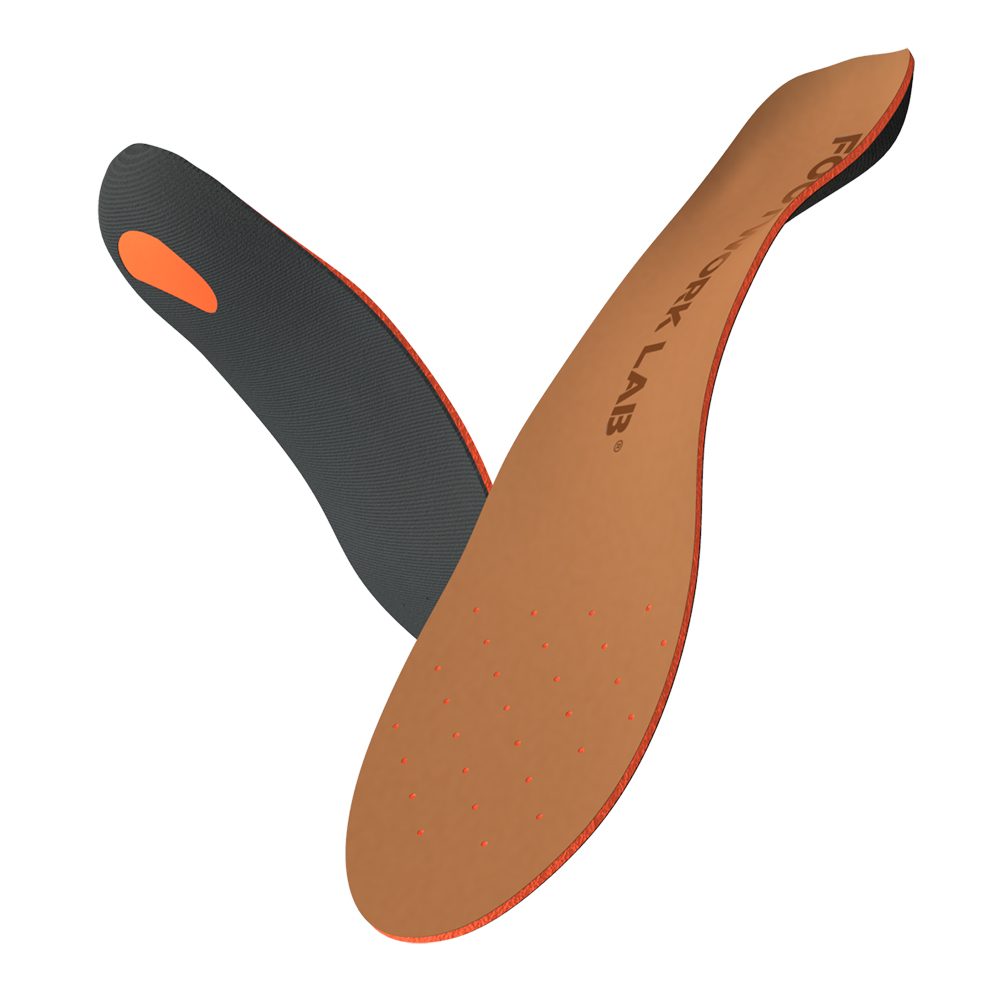
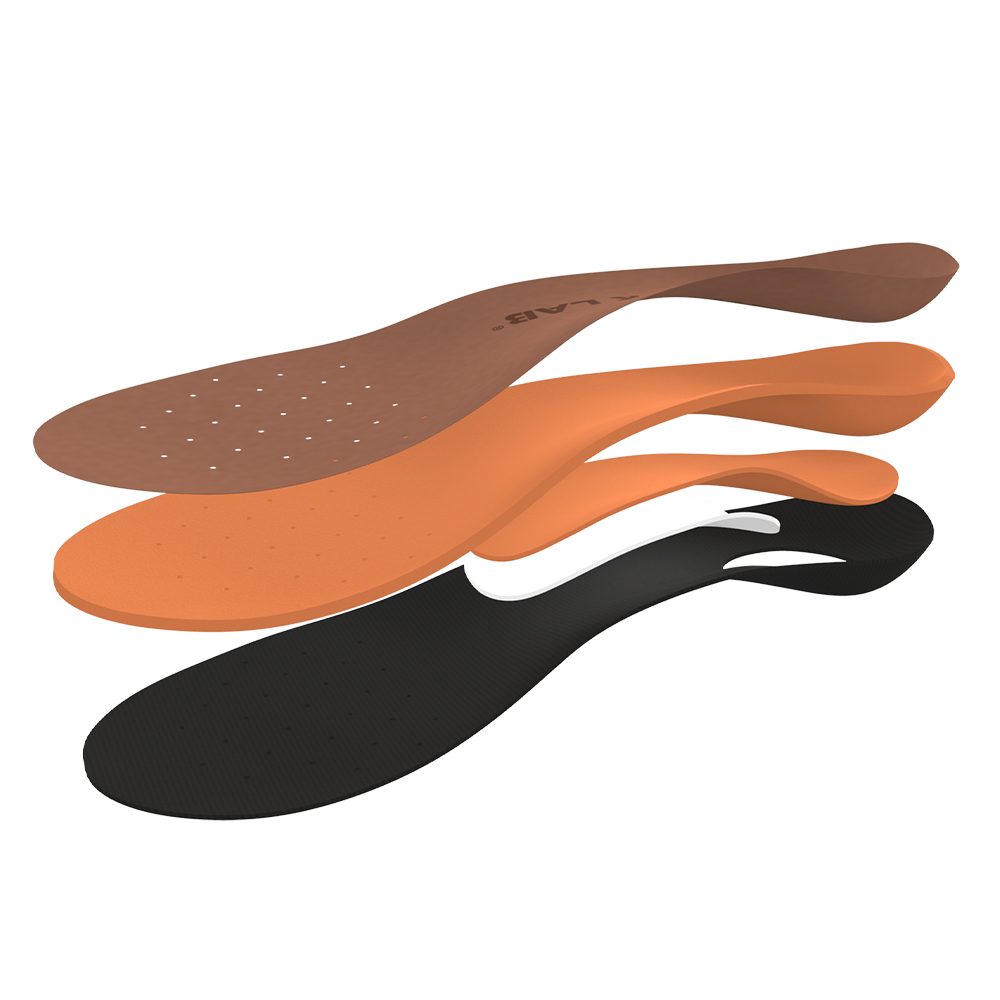
Some of the difficulty leaves the problem only if the workshop knows it was there, which is why the sheet matters as much as the skill. Handling requirements are build requirements. A pair destined for hands that cannot pinch gets a heel zone that guides rather than grips — still shaped to do its support work under the foot, but with an entry that a shoehorn can ride. A pair for a shoe with a narrow throat gets a profile that respects the throat, because the most elegantly built insole in the world fails if it physically cannot pass the opening with the customer’s hands behind it. Edges that catch — a rigid rim meeting a stiff tongue — are bench decisions, and the bench only makes them when the sheet says why. Custom orthotic insoles such as those in the FX Rehab range are built to order for exactly this reason: the construction can respond to the handling conditions named on the sheet, which an off-the-shelf pair arriving in a box cannot know anything about.
The trade-offs are real and worth saying plainly to the reader who builds. Ease of insertion and firmness of structure pull against each other: the features that make a pair stable under the foot can make it stubborn under the hand, and the resolution is not always “softer”. Sometimes it is a different entry geometry; sometimes it is accepting that the shoehorn is part of the product, the way glasses cases are part of glasses. What is not acceptable is discovering the trade-off after delivery, because that means the sheet was silent and the workshop built for the foot alone.
One caution keeps this section honest. Making a pair easier to handle is about the mechanics of insertion — geometry, entry, edges, tools — and it stops well short of the foot’s actual requirements, which belong to the qualified professional reading the record. A pair that slides in beautifully and does not match the foot’s assessed needs has solved the small problem by abandoning the large one. The bench works for both, in that order of difficulty.
The household is part of the fitting
The fitting room sees one hour; the pair lives in a house, and the house has opinions. The chair has already been mentioned, but the household’s influence runs further. The morning shoes may lose to the slippers, and our article on slippers, sandals and the pair that never leaves the house describes how much of an older customer’s walking life happens in footwear that never enters the fitting conversation unless someone asks. The second pair of shoes — the good pair for outings, the everyday pair for the house — may mean the insole is expected to travel, which multiplies the handling events per day and the chances of a silent failure. The dog, the narrow hallway, the habit of putting shoes on standing up in the kitchen because the chair is buried in laundry: none of this appears on any form, and all of it decides whether the pair gets worn.
Rooms that fit older customers well treat one home visit, or even one good phone conversation with the household helper, as part of the fitting rather than as a courtesy beyond it. The helper who answers “which chair do you sit on” with “oh, the kitchen one, but she can’t get up from it without holding the table” has just written a more accurate build instruction than the entire assessment sheet. And the helper who is taught the insertion order — insole in first, heel back against the horn, foot in last, and the shoehorn lives in the shoe — becomes the most reliable distribution channel the pair will ever have.
There is a dignity dimension to get right, and experienced rooms navigate it deliberately. The goal is not to arrange the customer’s life around the product; it is to make the product fit the life that already exists. Asked plainly and practised in the room, the handling conversation reads as care. Asked as a checklist by a stranger with a clipboard, the same questions read as an audit. The questions are identical; the tone is the whole difference, and the tone is set by the demonstration — the customer’s own shoe on the low stool — that turns every question into a practical matter she can see the point of.
Writing the handling plan down
Everything in this article evaporates unless it lands on paper, because the pair outlives the appointment and the next pair starts from zero. The handling plan is four lines on the record, and they belong there beside the foot data, not in a folder of anecdotes. Line one: who does the insertion — the customer, a named helper, or both, with the conditions each of them works under. Line two: the shoes the pair lives in, including the morning pair and any second pair, and whether the insole travels. Line three: the tools and the order — shoehorn yes or no, insole-in-first or foot-first, anything demonstrated successfully at the fitting. Line four: what was practised and by whom. A record carrying those four lines lets any colleague, six months later, answer the question “she says the pair isn’t working” with “let’s find out whether it’s being worn”, which is the difference between a rebuild that helps and a rebuild that misses the same obstacle twice.
The plan also protects the outcome itself. When the room can show that insertion was practised, by the right hands, on the right chair, with the right tools — and documented — then a later conversation about the pair’s effect starts from the honest baseline: the pair was worn, properly, as designed. That baseline is what makes the professional’s judgement about the build meaningful, and it is what the next build inherits. A room that keeps handling plans begins to accumulate something rare: a picture of which handling arrangements actually survive contact with real mornings, room after room, customer after customer.
The last line of the plan is a question for the follow-up, and it should be asked on purpose rather than hoped into existence: how many mornings has the pair actually been in? Not “how is the pair” — how many mornings. The number converts an opinion into a fact, and it is the single question most likely to surface the silent drawer before months pass.
Frequently asked questions
The customer’s hands cannot manage the shoe. Is that a reason to skip a build?
No. It is a reason to build with the handling conditions on the sheet, to plan the insertion order and the tools, and to end the fitting with the customer or her helper practising successfully. Handled at the fitting, this is a design input. Discovered after delivery, it is a returned pair.
Should the insole go into the shoe first or onto the foot first?
Into the shoe first, every time. The shoe gives the pair a shape to sit against; an insole balanced on the foot or laid on the floor folds and curls, and the morning starts with a fight. Slide it in along the shoe’s back edge until the heel seats fully, then the foot goes in last.
What can the workshop change to make a pair easier to insert?
Entry geometry, edge treatment and the way the heel zone guides rather than grips — always within what the foot’s assessed needs allow. A pair for a narrow-throat shoe gets a profile that passes the opening; a pair for hands that cannot pinch gets an entry a long-handled shoehorn can ride. The sheet must name the conditions for any of this to happen.
Which questions predict handling difficulty before the build?
Five: who puts the shoes on in a normal morning; which chair they sit on and what it is like; laces, velcro or slip-on, and whether a second pair is used in the day; what happened with any inserts tried before; and whether a shoehorn would be accepted. Ask before commissioning the build, and record the answers in specifics.
Should we let the customer struggle at the fitting or do it for her?
Let her do it — twice, coached then uncoached, on the room’s lowest seat, in her own shoe. Doing the insertion for her hides every obstacle the home morning will reveal. Watching her try shows which failure mode the room is dealing with, and each failure mode has a different remedy.
How do slippers and a second pair of shoes fit into this conversation?
Directly, because a large share of an older customer’s walking life happens in footwear that never reaches the fitting conversation unless asked. If the pair is expected to travel between shoes, the handling events multiply, and each one is a chance for the silent failure of a heel that never seats.
What belongs in the record about handling?
Four lines: who does the insertion and under what conditions; the shoes the pair lives in and whether it travels; the tools and order demonstrated successfully; and what was practised and by whom. Plus the follow-up question asked on purpose: how many mornings has the pair actually been in.
What we would do next
Take the last three pairs the room built for older customers and reconstruct what happened to them: who inserts, which chair, which shoes, how many mornings actually worn. Then put the five questions and the four-line handling plan into the standard sheet, and let the next fitting end on the low stool with the customer doing it herself, twice. The professional services page describes the build process we run from the factory side, including how sheets reach the bench.
The question we would leave with rooms that fit older customers: when a pair comes back described as “not helping”, how often does your room actually find out whether it was ever worn at all — and what would it take to make that question routine rather than occasional? Rooms that have built the habit of asking it usually have a story about the first time the answer changed everything; we would genuinely like to hear one.
This article is intended for professional and educational reference. It is not medical advice. Foot assessment equipment produces measurements and images; clinical interpretation and any decision about care remain the responsibility of a qualified professional. Certification scope is limited to the documentation we hold: European Union certification and ISO quality system certification.