
A ski boot is the least forgiving shoe most people ever wear: a rigid shell, buckled tight, for a week a year, on feet that spend the other fifty weeks in soft trainers. The boot does not adapt to the foot. The foot adapts to the boot, and it pays for the privilege by lunchtime on the second day. A professional seeing the customer in March is often looking at a problem that started in January and was carried home, unexamined, in a car full of wet kit.
Ski boots are a narrow, seasonal case, which is exactly why they are worth a careful look. The load is unusual, the footwear is uncompromising, and the exposure arrives in a single concentrated block. This article goes through what a rigid shell changes, what to ask a skier before suggesting anything, which parts of the boot to read first, and where a measurement earns its place. The equipment involved produces measurements and images; turning those into an explanation or a plan is the work of a qualified professional.
The shell does not bend
Hold a ski boot and the first thing you notice is how little it gives. The outer shell is a stiff structure built to transmit a skier’s intentions to the edge of the ski, and the buckles are built to hold the foot firm inside it. The liner is softer, but it is a lining, not a cushioning layer in the sense a running shoe has. Everything in the design serves control. Nothing in it is there to let the foot move comfortably through a day.
That design has a consequence that is easy to miss until you watch a foot in a boot for a full week. The foot is held in one position, under load, for long stretches. Small areas of the sole carry the contact with the footbed; the arch is supported by a shape that was made for an average rather than for this person; the toes are confined in the front of the shell. The boot is not wrong for doing this. It is doing exactly what it was designed to do. The question for a professional is how the individual foot is coping with an arrangement that offers it almost no give.
The situation is made stranger by the timing. Most people wear soft shoes for the rest of the year, so their feet are accustomed to a flexible platform and a busy, varied pattern of steps. Then, for one week, they are fixed inside a rigid shell and asked to load it for hours at a time. The tissues do not get a gradual introduction; they meet the whole demand on day one. A boot that fits well enough to stand in can still be a poor arrangement for a long descent.
None of this makes skiing unusual in a clinical sense. It makes it specific. A professional who treats it as a generic shoe problem will miss the two features that define it: the rigidity of the shell and the concentration of the exposure into a few days.
What a rigid shell changes about the foot’s job
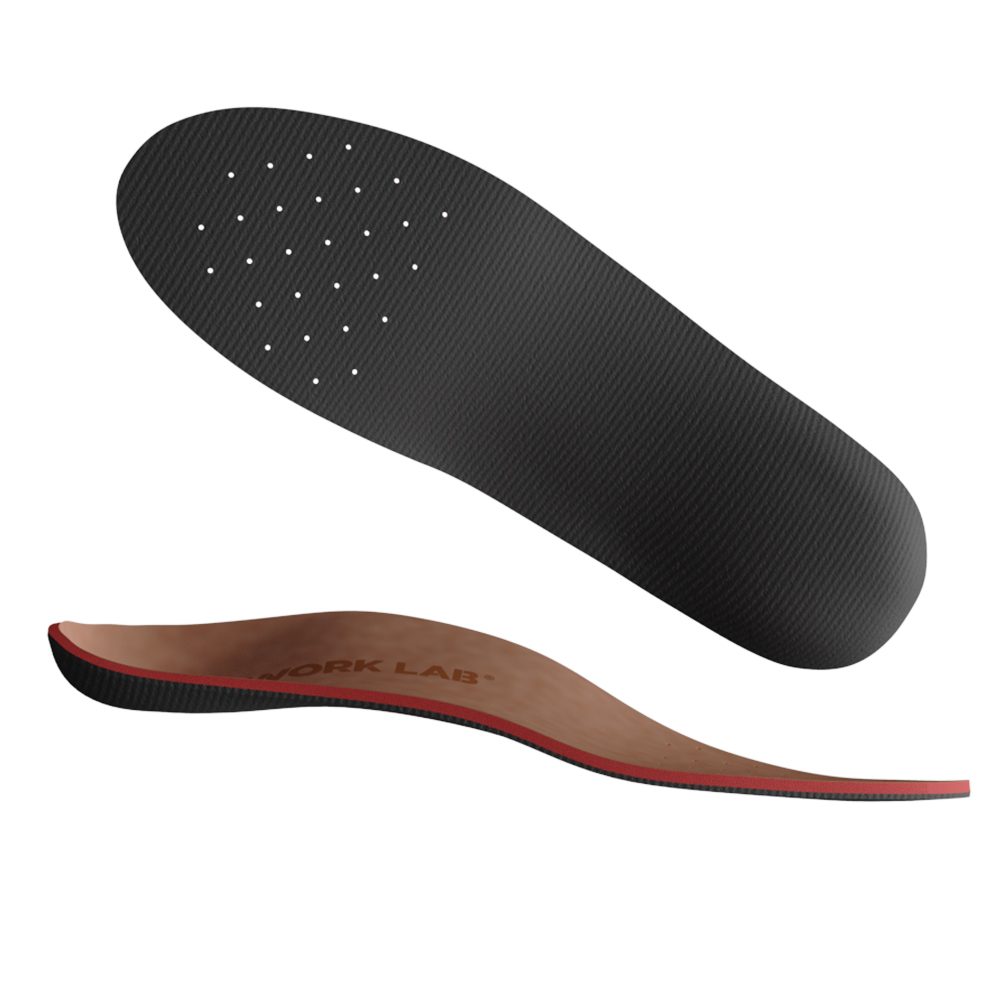
In a soft shoe, the foot has help. The midsole compresses, the upper flexes, and the shape of the shoe allows the foot to change position slightly as the step progresses. A rigid ski boot removes most of that help. The shell holds the heel and ankle, the buckles set the volume, and the footbed inside becomes the main surface the sole can work against. Whatever support or distribution the foot needs has to be built into that small, enclosed space.
The load pattern is different too. Skiing is not a walking sport. The skier spends long periods in a flexed position with pressure held through the sole rather than rolling smoothly from heel to forefoot with every step. Transfers between edges load one side of the foot and then the other, and the boot passes those transfers down to the footbed. A toe that feels cramped at the end of the day is often reporting hours of confined contact rather than a single bad moment.
The cold adds a layer. Feet in a shell are less able to change position, and a skier who is cold tends to tighten buckles rather than loosen them. That tightens the whole arrangement and can make a footbed that was tolerable in the shop feel quite different after a morning outside. Any professional asking about a ski boot should ask about temperature as well as fit, because the two interact in ways the boot itself cannot signal.
The practical summary is short: in a rigid shell, the footbed and the space around the foot carry more of the load story than the shoe upper does. Everything that follows begins with that fact, not with a general idea about sports and feet.
The week-a-year problem
The timing of a ski complaint is distinctive. Very few people report trouble on the first run. The report comes on day two or three, or on the drive home, or in the days after the trip when the feet are back in soft shoes and notice the contrast. Descriptions are usually practical rather than dramatic: a burning feeling under the forefoot, an aching through the arch after a long descent, toes that feel crowded, one boot that always seems looser than the other. These are reasons to book, not diagnoses, and they deserve to be recorded in the customer’s own words.
Who arrives tells its own story. The holiday skier is the classic case: one week a year, sometimes less, with a boot hired or bought years ago and a footbed that has never been looked at. The returning skier — back after a long gap, a change of job, or a family that now skis — arrives with the same novelty problem in a different body. Regulars are a separate conversation: their boots are often older than they admit, the liners have packed down, and they have adapted to a shell that no longer holds them the way it did.
One detail is worth noticing while taking the history. Skiers can usually tell you which boot feels worse, and they often assume it is the one they use more. Ask them to describe the difference rather than accept the explanation. The busier foot is not always the one reporting the difficulty, and the disagreement between story and wear is often the most useful thing in the intake.
Then state the boundary plainly. A pressure assessment records how load is distributed in stance and through a few loaded steps, and it produces images and measurements. Interpreting those against the history, and deciding what if anything should change, belongs to the qualified professional. The skier should leave understanding that the appointment is a careful look at an arrangement, not a promise that the week will feel different.
Four questions at the boot-fitting bench
Recommendations in this area fail most often because they were built on half a history. Four questions, asked in order, cover most of what a professional needs to know before suggesting anything, and all four fit inside a normal intake conversation.
First: how many days a year in a boot, and in whose boot? A hired shell, a borrowed shell and a shell bought for the customer all behave differently, because the footbed has a history the customer may not know. Ask whether the boots are shared, and whether the liners have been replaced. The answer often explains more than the fit itself.
Second: when in the day does the foot first get noticed? Early in the morning points toward the fit and the volume of the shell. Late in the day points toward sustained loading and the state of the footbed. Only on the drive home points toward the delayed pattern described above. The answer sorts most skiers into three quite different conversations, and it prevents the classic mistake of answering a sustained-load question with a buckle adjustment.
Third: which foot reports more, and which boot shows more wear? Fourth: has anything changed since last season? New boots, a new footbed, a change in how often they ski, a return after years away. Each of these resets the arrangement and each is a reason the complaint arrived this season rather than the last one. Write the answers down as given, in the customer’s words.
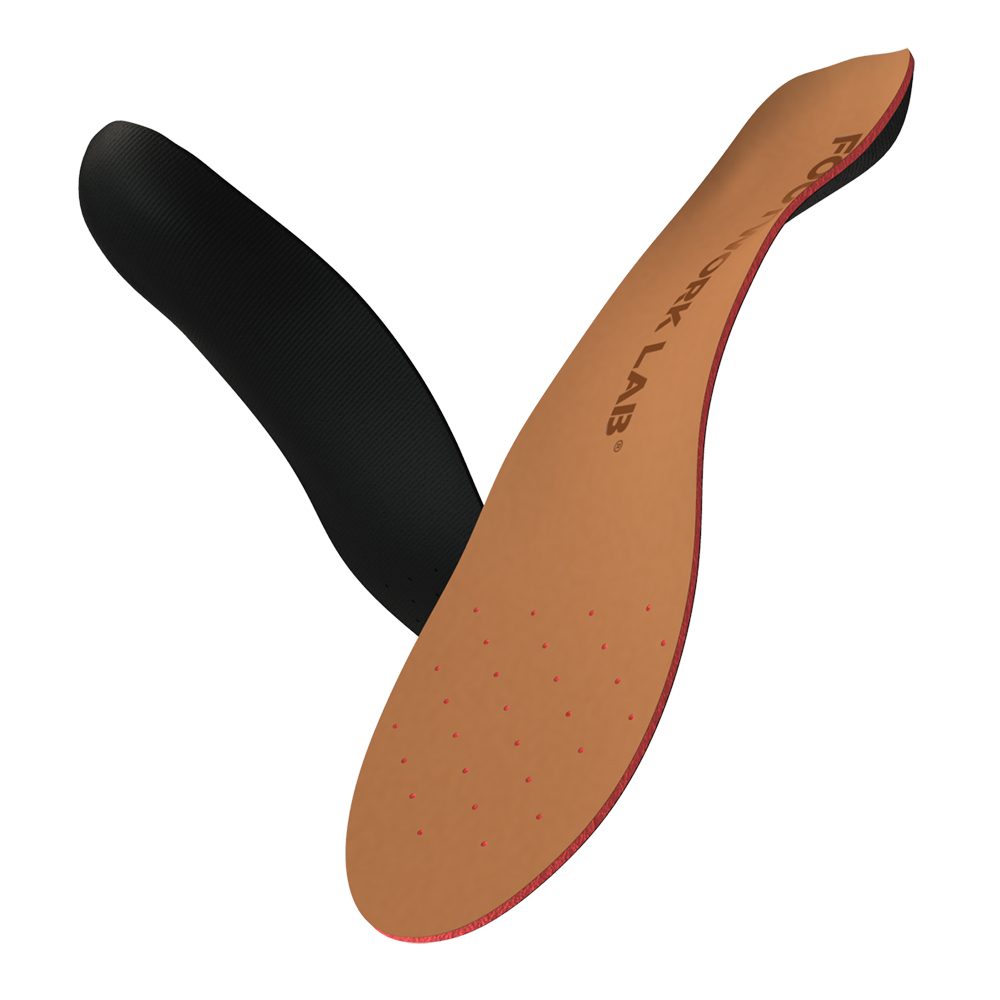
Alongside the questions sits one action that costs nothing and earns its keep every visit: take the liner out and look at the footbed. Check where the surface is compressed, whether the two sides differ, and whether the shape still matches the outline of the foot. Photograph it at the same angle each time. A footbed that has flattened under one area has been quietly changing the load under that foot for a whole season, whatever the shell looks like.
Read the boot before you read the foot
Boots are useful data sources because they record where the foot has been working. The footbed shows compression, the liner shows where the shell has been pressing, and the buckles tell you how the volume was set. None of this is a diagnosis; each observation narrows the history and takes a couple of minutes at the bench.
Start with the footbed. Look for the areas that have taken a set and compare the two sides. A footbed that has compressed under one forefoot is reporting where this skier has been loading, and the pattern is often clearer than anything the skier can describe. Then press the liner where the buckles cross. A liner that has packed down unevenly changes how the shell grips, and a skier will often compensate by tightening further, which changes the arrangement again.
Then compare the pair. In an ideal world the two boots would tell mirror stories; in practice they rarely do. The difference between the two footbeds is a rough map of how the skier has divided the work across a season. A customer whose complaint sits on the same side as the heavier compression is telling a coherent story. One whose complaint sits on the lighter side deserves a second look before anything is concluded, because the side doing the work is not always the side reporting the difficulty.
Photograph both footbeds and both liners at a consistent angle, and file the images with the record. Two photographs turn the next visit into a comparison instead of a memory exercise, which matters in a sport where the appointments are a year apart. A season is a long time to remember exactly how a footbed looked.
Where a measurement fits
Questions and the boot check describe the arrangement from the outside. A pressure assessment describes it from underneath: a record of how each foot distributes load in stance and through a few loaded steps. It answers narrow questions — how the two sides share the load, where pressure concentrates under each sole, how the loaded pattern differs from the standing one. It produces measurements and images, nothing more; reading them against the history and deciding what to do belongs to the qualified professional holding the record.
What the measurement adds here is a baseline taken outside the shell. The boot tells you what happened during the season; a barefoot and shod record taken in the assessment room tells you how this foot currently distributes load when it is not being held rigid. When the compressed footbed, the reported side and the concentrated pressure region line up, the professional has a grounded starting point for discussing options — a different footbed, a change in boot volume, session structure, or whether custom orthotic insoles are worth trialling for this person’s pattern. When they do not line up, that disagreement is itself the useful finding, and it redirects the conversation before anyone commits to a change.
The assessment deliberately does not predict how a skier will perform and does not promise that any adjustment will settle a complaint. It states how load is distributed on this day. For a sport where the foot is held firm for hours at a time, knowing the current distribution before changing anything is the difference between an adjustment and a guess.
One caveat worth saying directly: the record is taken in a controlled setting and usually without the boot on. The measurement frames the conversation; it does not replace the history or the boot check. The three together are the intake, not any one of them alone.
Trial, adaptation and the next season
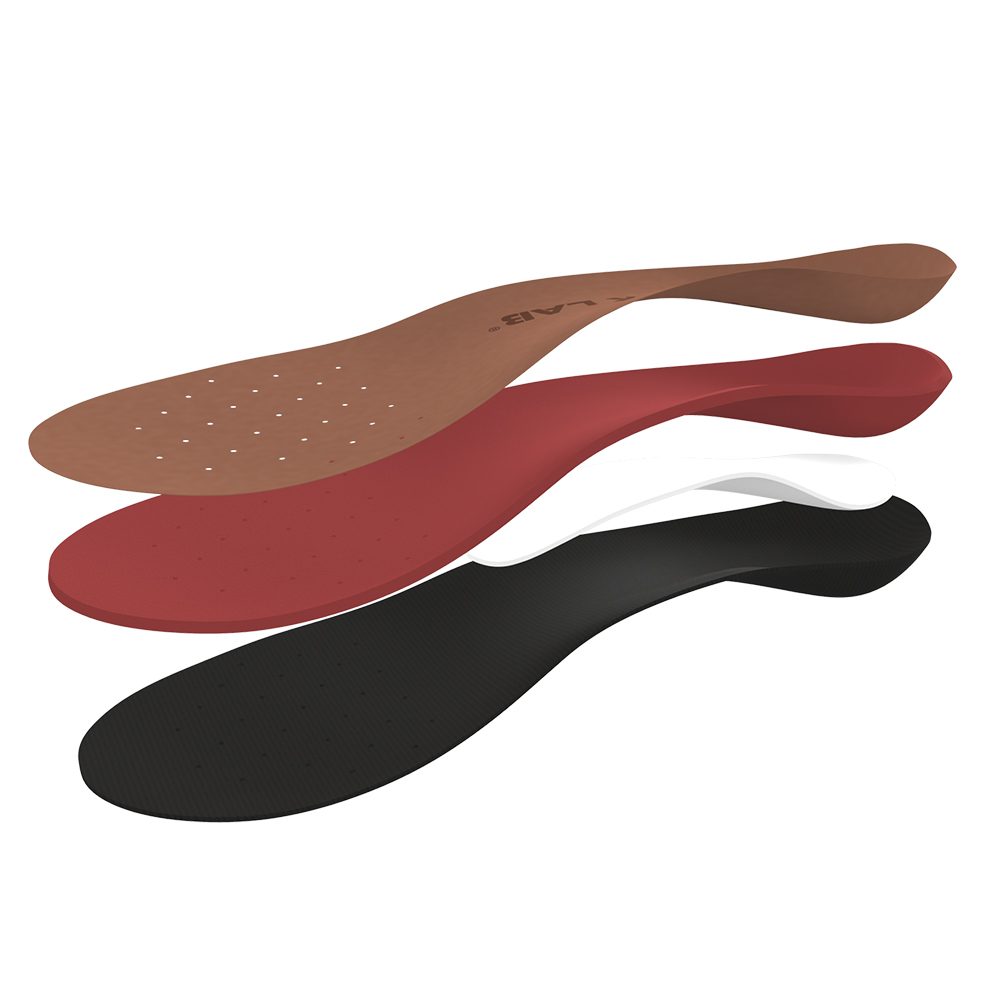
Whatever comes out of the intake — a different footbed, a change in how the buckles are set, a first pair of made-to-measure insoles — the trial needs the same discipline as any other change a professional supervises. Adaptation comes first and it is not optional. A foot that has worked inside one arrangement for several seasons does not accept a new surface immediately, and the first couple of ski days commonly feel different before they feel settled. A skier who abandons a new setup after one morning has learned only that it is unfamiliar.
Keep the log running through the trial. The four intake questions double as the comparison instrument: when in the day are the feet noticed, where, in which boots, and after how many runs. Notes taken on the mountain are harder than notes taken at a desk, but a few words in a phone at the end of the day are enough. Set a review for when the season ends, while the memory is still fresh, and compare it with what the boots now show.
The honest outcomes matter as much as the good ones. If nothing has shifted by the review, the conclusions are still useful: the change was wrong for this pattern, or the pattern was never the main story, or the load itself needs restructuring before the equipment conversation continues. In a sport with one week of exposure a year, a single season is a small sample, and a professional who says so is being accurate rather than cautious.
Behind any insole recommendation sits a production reality worth stating once. Our insoles are made in our own plant, with samples dispatched within three days and production capacity in the range of several hundred to a thousand pairs a day; minimum order quantities are set for mixed styles and sizes, and both ODM and OEM work are accepted. We do not promise outcomes for a pair, and we do not quote prices in an article like this, because the cost depends on specification and volume rather than on a figure that can be printed.
Frequently asked questions
Why do ski boots feel worse on the second or third day?
Because the foot meets the whole demand on day one, with no gradual introduction. The shell holds it in one position under load for hours, and the delayed response commonly arrives after a night’s rest, on the drive home, or once the feet are back in soft shoes.
Can a buckle adjustment solve a ski boot problem?
Sometimes it changes the volume, but a skier who tightens buckles because the foot is cold can make the whole arrangement worse. The useful first step is to take out the liner and read the footbed, then ask when in the day the difficulty starts.
What should be checked on a ski boot before considering insoles?
The footbed compression, the liner where the buckles cross, and the difference between the two sides. Photograph both at a consistent angle so that next season’s visit is a comparison rather than a memory test.
Is a hired boot a different problem from a bought one?
Yes. A hired shell has a history the customer may not know, and the footbed may have been shaped by many previous feet. Ask whether boots are shared and whether liners have been replaced before discussing fit.
Does a pressure assessment take place inside the ski boot?
Usually no. The record is taken in a controlled setting, often barefoot and in ordinary shoes, and describes how load is distributed now. It frames the conversation alongside the boot check and the history; it does not replace either.
Do custom orthotic insoles help skiers?
They are one option a qualified professional may consider once a measurement shows how load is distributed across the feet. They are not a promise of a better week, and the fair way to judge a pair is a full season of notes with a review at the end.
Why wait until the end of the season to review a change?
Because exposure comes in one concentrated block and a single ski day is a small sample. Notes taken across the week, compared with the state of the footbed afterwards, give a professional something to read rather than an impression to guess at.
What we would do next
The two actions that survive a seasonal sport are the cheapest ones. Ask the four questions in order, then take the liners out and read the footbeds under the same light, photographing both sides at a consistent angle. Neither needs equipment, both can be done at a bench in a few minutes, and together they turn a vague account of a ski week into a record that will still make sense twelve months later. If the story and the wear point somewhere, a pressure assessment gives the professional a distribution to read against them before anything is changed.
Two adjacent reads on this site: tight shoes and long belays, which describes another sport lived inside uncompromising footwear, and the sole tells a story too, on reading wear next to a pressure record. Both make the same point as this article: read the whole arrangement before changing one part of it.
The question we would leave with colleagues: when a skier comes in after a week away, does anyone on your team photograph the footbed before discussing the boot — and if the season is a year apart, what would make that habit worth keeping?
This article is intended for professional and educational reference. It is not medical advice. Foot assessment equipment produces measurements and images; clinical interpretation and any decision about care remain the responsibility of a qualified professional. Certification scope is limited to the documentation we hold: European Union certification and ISO quality system certification.