
A message arrives in Spanish, typed without a single accent: maquina fabricadora de plantillas ortopedicas — a machine that fabricates orthopedic insoles. The picture in the buyer’s head is usually a single cabinet: a foot goes in at one end and a finished pair comes out at the other. That cabinet does not exist, and the phrase describes something more honest and more demanding — a production line with four stages, each with its own machine, its own operator skill and its own way of failing. We run that line ourselves: capture, forming, finishing, inspection, with the capture systems sold separately and the insole side running at five hundred to a thousand pairs on a working day. This article decodes the phrase for the person who typed it, walks the four stages in the order a workshop would actually build them, sets out the commercial terms around a machine order plainly, and states where the line stops — what it does not decide, and what we will not promise about it.
The missing accents are the first thing worth saying something about. The phrase arrives most weeks as mquina fabricadora de plantillas ortopdicas — a phone keyboard without a Spanish layout, or a translation tool halfway through its work. We read the garbled string as noise rather than signal: the buyer behind it is usually serious, and the two commonest kinds are a shoe shop adding a workshop corner and a small producer scaling up an existing service. What differs between them is not which machine to buy but the pace at which the stages get built.
What “fabricadora” promises, and what a line delivers
The Spanish word fabricadora means making or producing, and the buyer who searches it wants a machine whose output is a finished product rather than a measurement. Listings answer that expectation with photographs of a single press or a heated box, because a single machine is easier to advertise than a process. In practice, insole manufacture is four stages that do not collapse into one housing: something records the foot, something forms the material, something finishes the pair, and something checks it against a specification before it leaves the bench.
No single machine covers all four, and the reasons are physical rather than commercial. A record produces a specification, not a shape. A forming step needs heat, pressure and time that a capture device has no business spending. Finishing is hand work with blades and covers that no press performs. Inspection is a judgement against a written standard, made by a person. A supplier who advertises one box doing everything is compressing four trades into one photograph, and the compression shows up in the first week of production.
The practical consequence for a buyer is that the line is bought in stages, and the stage to buy first is the one that limits the business today. A shop with no record is forming blind; a workshop with records but no bench is sending its specifications to someone else’s factory. Both are workable positions, but they are different businesses, and the phrase fabricadora hides which one the buyer is actually standing in.
Used carefully, the phrase is still useful, because it names an output rather than a device. Ask every vendor the same question: which of the four stages does your equipment cover, and which does it assume somebody else is doing? A supplier who answers in stages is describing a line they understand. A supplier who answers with one photograph is selling the cabinet that does not exist.
The capture stage: the line starts with a record
Every pair the line produces is built against a specification, and the specification comes from a capture session. In our systems that session is a pressure record: a sensing surface under the foot registers where load sits at rest, how it travels through a step and how the body holds itself above it, and cameras add the alignment of the lower limb. The software assembles the findings into a report, and the report is the document the rest of the line follows. Nothing downstream can correct a specification that was never taken.
The report carries named quantities rather than impressions: contact area, footprint length and width, foot axis angle, the proportions of contact and flat phase, peak and mean pressure, and the speed at which the centre of pressure moves forward. A standing pass, a walking pass and a balance trial each add their own items. These are recordings, and the reading of them belongs to a qualified professional; the report itself states that the data is for reference, and we do not put a clinical interpretation where a professional’s judgement should sit.
A word here about the search language around capture, because buyers arrive carrying it. The market attaches scanning words — including the 3D word — to foot equipment of every kind, and listings use them because that is where the traffic is. What our capture records is pressure and alignment, not the outer contour of the foot, and we produce no geometry file for a carving tool. A buyer who needs a surface model for a milling workflow should say so in the first message, because that is a different category of purchase and we would rather lose the sale early than explain the gap after the crate opens.
The capture stage also sets the discipline the whole line depends on: repeatability. Same stance instruction, same number of crossings, same starting foot, same position in the room. A specification taken casually today cannot be compared with one taken carefully next season, and the line loses the thing that makes custom work defensible. Buyers should ask a capture vendor for the session routine before they ask for anything else.
The forming stage: heat, pressure and a mould decision
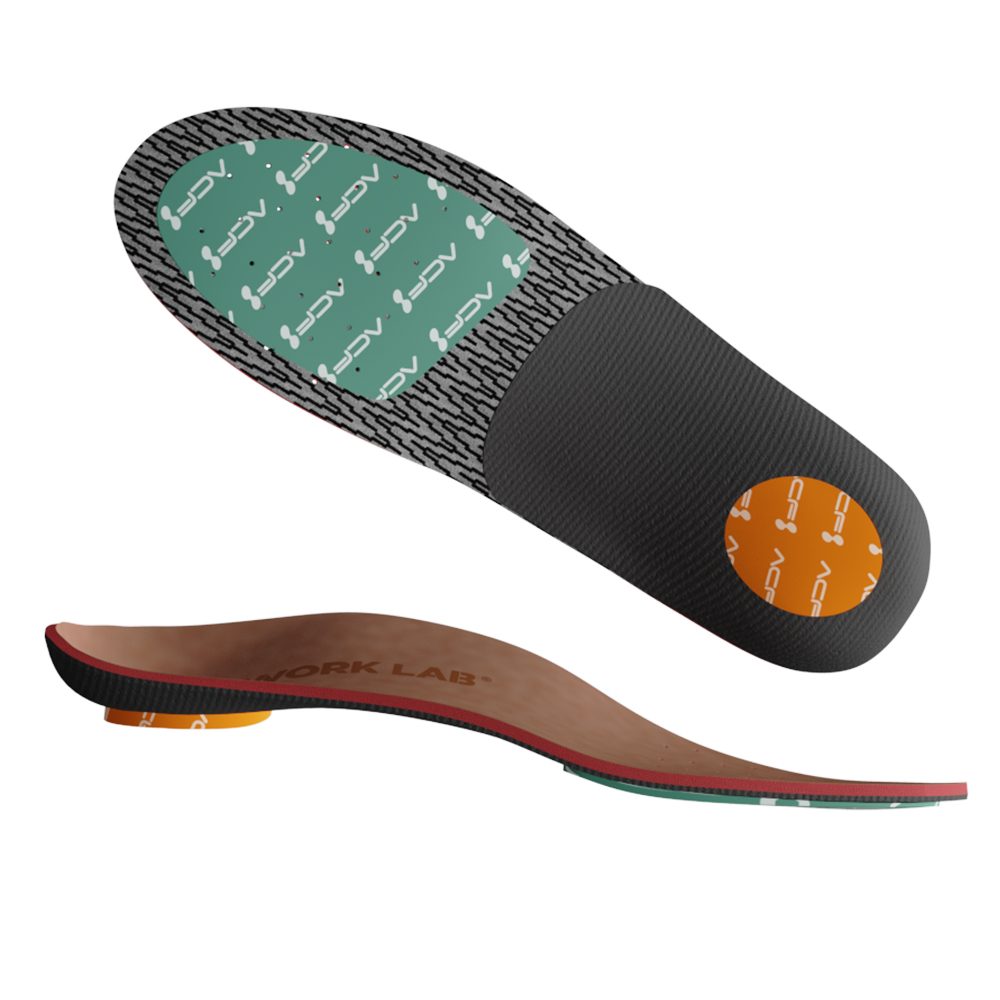
Forming begins with a decision the listings rarely mention: what the material is shaped over. A shaping pillow carries a contour family — an arch profile, a heel cup depth, a forefoot attitude — and an operator forms a pair in minutes with no carving and no storage. An individual positive model carries one foot’s specifics and costs moulds, time and a naming system that survives staff turnover. Our on-site kits use pillows in adult and children’s sizes with the accessories around them, which keeps the bench inside an appointment the customer is willing to wait through.
The cycle itself is short and unglamorous. Heat the blank until it is workable, position it over the pillow or mould, form it under pressure, and let it set before anything touches it. The variables are temperature, time and pressure, and what matters is not their exact values but their consistency. Most forming faults in a young workshop are schedule faults — a blank pulled early because the queue was building, a pair lifted before it cooled — and they present as machine problems for the first month before somebody admits they are routine problems.
The specification from the capture session feeds the choice the operator makes at the bench: which contour family, which grade of support, how the build is positioned. The machine does not read the report and decide; a trained person does, with the report open beside them. Buyers evaluating a forming machine should therefore evaluate the training around it in the same visit, because a bench without an operator who understands the specification produces pairs that fit a category rather than a customer.
Polishing and inspection: where the labour actually sits
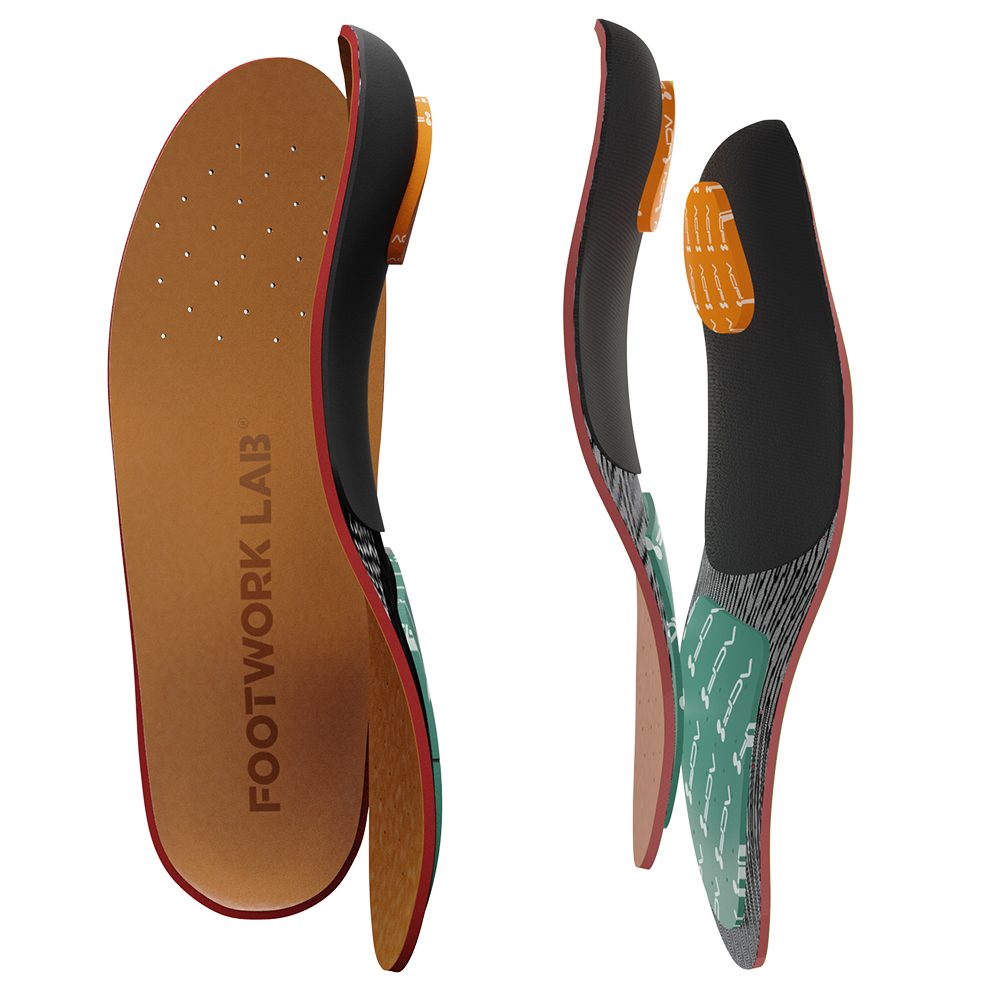
A formed blank is not a product. It still has to be trimmed to its outline, have its edges dressed, take its cover, and pass inspection against a written specification. In every workshop we have watched start up, these steps take longer than the forming itself, and they scale with people rather than with equipment. A buyer who counts forming cycles and multiplies by a working day will arrive at a figure no bench has ever produced, because the finishing queue is where the day actually goes.
Inspection closes the loop and decides who owns a remake. Four questions, asked every time: does the contour match the specification at the arch and the heel, is the outline inside the intended shoe and size, is the cover bonded at the edge, do the two sides match each other. With a written specification on the bench, that is a minute’s work per pair. Without one, inspection becomes an opinion, and opinions drift with whoever is holding the pair that afternoon.
On our own floor the line runs at roughly five hundred to a thousand pairs a day, but that figure belongs to a factory with crews at each stage, a consumables store and a QC bench that never closes. A starter workshop should plan its numbers from its own appointment book, not from ours, and add the finishing and inspection time before promising anything to a customer. The honest capacity figure is always the smallest stage, never the press.
The terms behind a machine order, stated plainly
On machines we keep the entry simple: the minimum order is one unit, and machines accept ODM, with OEM discussed case by case depending on what the buyer wants changed. Every unit is tested at the plant for seven days before dispatch, because a machine that fails in its first clinic week costs more in trust than it ever cost in parts. The warranty runs twelve months against non-human damage, with parts supplied free within that period.
After delivery, support runs through a dedicated WhatsApp group with engineers reachable directly rather than through a ticket queue. Remote assistance covers the session that goes wrong on a Saturday, and where the unit is connected, software updates arrive over the network instead of through a service visit. We describe these arrangements before the order because they are part of what the machine costs to own, not an afterthought once the invoice is paid.
Logistics is a known schedule rather than a surprise: courier takes six to seven working days, air freight ten to twelve days, and sea freight thirty to thirty-five. Machine production runs at three to five units a day on our floor, which is why a plant test and a dispatch slot are arranged against a calendar rather than promised on the spot. We do not publish prices, because a quotation depends on configuration, destination and the service wrapped around the machine, and a number pulled from a page is a number that will be argued with later.
What we will not do is fold the whole line into one quotation line-item. Capture, forming and the insole supply side are separate products with separate commissioning, and a quotation that names them separately survives contact with the buyer’s accountant. A buyer who wants a single figure will get one by addition, and the line items will still be there when the crate arrives.
What a maker machine will not do
It will not read the record. Every quantity the capture stage produces — pressures, angles, phase proportions, alignment images — is a recording, and the interpretation belongs to a qualified professional. Our reports carry the reference line, and we will not write software claims that move that judgement into the equipment. A workshop that plans to let the machine decide what a customer needs is planning a problem, and we say so in the first conversation.
It will not capture the outer shape of the foot. The scanning language in buyer searches — including the 3D word — belongs to the search bar, not to a description of our equipment. What we record is pressure and alignment, and the forming step works from a specification and a contour family rather than from a surface model. A buyer whose production genuinely runs on geometry files should buy from the category that makes them, and we will say which questions to ask there.
And it will not turn a shop into a factory on delivery day. The four stages need routines, a written specification, finishing hands and an inspection habit, and those grow at the pace of the team rather than the pace of the shipment. What a buyer can expect from us is a line explained stage by stage, terms written down, a tested machine on the agreed week, and an engineer on the group chat when the first difficult pair comes off the bench. That is the promise the phrase fabricadora should have made in the first place.
Frequently asked questions
Does the phrase describe one machine or a line?
A line. Insole production runs through four stages — capture, forming, finishing and inspection — and each stage is its own purchase with its own skill around it. A supplier who advertises a single cabinet doing all four is compressing four trades into one photograph.
Does your equipment include the capture stage?
Yes. Our systems record foot pressure, lower-limb alignment and posture, and assemble the findings into a report that states the data is for reference. The report is the specification the rest of the line follows.
Does the capture device scan the outer shape of the foot?
No. It records pressure and alignment, not surface geometry, and produces no file for a carving tool. The scanning words in buyer searches are market language, not a description of what our equipment captures.
What are the order terms for machines?
The minimum order is one unit, machines accept ODM with OEM discussed case by case, every unit is tested at the plant for seven days before dispatch, and the warranty runs twelve months against non-human damage with free parts.
How long does delivery take?
Courier takes six to seven working days, air freight ten to twelve days, and sea freight thirty to thirty-five. Dispatch slots are arranged against the production calendar once the plant test is complete.
Can a small shop run the whole line?
Many run a reduced version: capture at the counter, forming with shaping pillows on site, and finishing planned into the appointment. The constraint is usually finishing hands rather than machines, and the capacity figure should come from the smallest stage.
Who decides what each insole should be?
A qualified professional, reading the record. The equipment produces measurements and images; the specification choice and any clinical interpretation belong to the person qualified to make them, and our reports state that the data is for reference.
What we would do next
Write the four stages across one page and mark, beside each, what you already own and what the first order should cover. Send that page through the contact page and we will answer it stage by stage, including where a stage is better outsourced to our insole side than bought as a bench.
The insole range page shows what the production side actually makes — three series and four gradings — which is the output the phrase fabricadora is really pointing at. A custom insole machine line from the inside follows the same four stages as they run in continuous production, and your first orthotic insole making machine takes the buyer ordering one bench through the checks that matter.
Two more fill the gaps between stages. Insole molding machine expectation versus the FX line explains what a single forming machine does and does not inherit from the full line, and insole moulding machine moulds sets out the pillow-versus-mould decision in detail.
This article is intended for professional and educational reference. It is not medical advice. Foot assessment equipment produces measurements and images; clinical interpretation and any decision about care remain the responsibility of a qualified professional. Certification scope is limited to the documentation we hold: European Union certification and ISO quality system certification.