
The phrase promises a journey, and the journey is exactly what a buyer should inspect. When a clinic or a distributor searches for 3D scanning for custom footwear and orthotics, they are rarely shopping for a sensor. They are shopping for a chain: a measurement captured in one room, travelling through design and production, and arriving as a pair of finished supports that matches the person it was made for.
Chains break quietly. A capture that looks impressive on a screen can still arrive at the milling stage missing the weight-bearing context it needed. A beautiful design file can still be produced with the wrong durometer sheet because nobody recorded the material choice. Each handoff in the chain is a place where information can be dropped, and the buyer who understands the handoffs can ask about them directly instead of admiring the endpoints.
We run the full chain in one plant: the assessment equipment is ours, and so is the insole production line behind it. That vantage point is the reason for this article — we see every place where a measurement can degrade, and every question a buyer should ask about the journey their order will take.
The vocabulary around this topic makes the inspection harder than it should be. Listings borrow the word three-dimensional from other technologies, and buyers arrive with that vocabulary in hand. It is fine to search that way — the words describe what buyers want to see, and the market answers in the same words. The inspection, though, is not about the vocabulary. It is about the stations: what is captured, what is decided, what is built, and who answers at each station. The words get you here; the stations get you the product.
Where the file comes from: the capture step
Every custom product starts as a record of a foot, and not all records are equal. A surface shape taken while the foot hangs in the air describes geometry at rest. A pressure map taken while the client stands describes how the sole carries load at that instant. A walking pass adds time: where the load moves, how long each region carries it, how the two sides differ in sequence. Buyers searching for “3D scanning” are often imagining the first record and needing the third.
Our own equipment is a plantar pressure measurement system: a pressure-sensing layer, camera posture capture and analysis software working in one session. The pressure layer reports load; the camera records how the foot and lower limb are arranged above it. Together they answer a question neither answers alone — not what the foot looks like, but what the foot does when it is asked to carry someone.
The capture step is also where discipline is cheapest. A client in socks they put on that morning, standing in a posture they were talked into, produces a record that follows them for the life of the product. A short protocol — same conditions, a second capture to confirm repeatability, notes about anything unusual — costs two minutes and prevents the most common category of remake. Ask any supplier how their capture protocol handles a second confirmation. The ones who have thought about it will answer without pausing.
One more thing belongs to the capture step: the client file that travels with it. Height, weight band, activity profile, footwear the product will actually live inside, and any history the professional considers relevant. A measurement without this context is a shape; with it, the shape becomes a specification. The factories that ask for context at capture are the ones whose output surprises nobody.
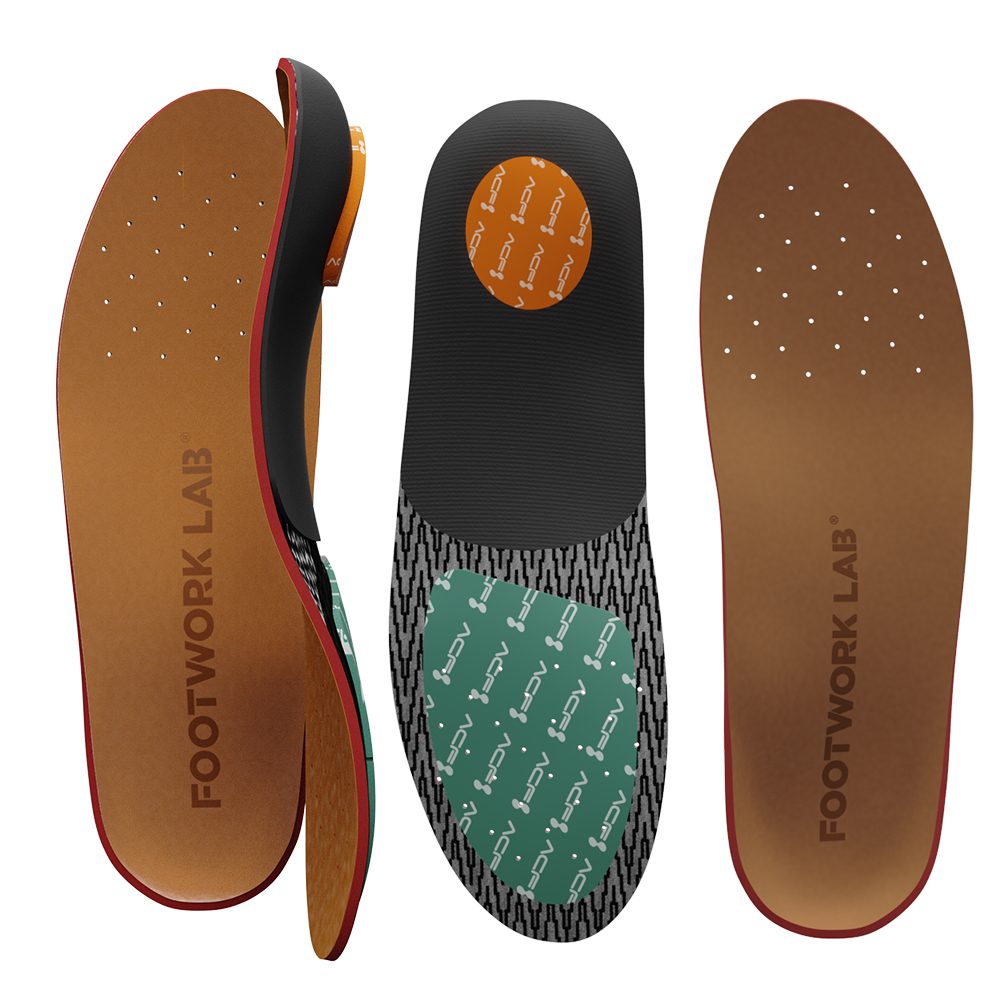
What the data must survive: the handoff to design
Between capture and production sits design, and design is where the record either becomes a product or becomes a complaint. The designer — whether a person or a software routine — decides what the map means for this client: where support belongs, where the material should give, how the arch piece should sit relative to the load record. Those decisions are judgements. The file carries the evidence; the judgement is human.
This is why the design step deserves its own question list. Who reviews the design before production — a person with a name, or an automated pipeline? What does the customer see at sign-off: a rendering, a top-view map with annotations, a physical sample? How are changes recorded, so that a remake six months later starts from the revised version rather than the original? A factory with disciplined answers here has already solved most of its remake problems.
The handoff also has a technical half that buyers rarely think to ask about. File formats, resolution expectations, and what happens when a file arrives from equipment the factory did not make. We accept measurement files from outside sources, but we say plainly what we check when we receive one: whether the record includes load data or only geometry, whether the scale is stated, and whether the capture conditions were documented. A shape file without a load record is still usable — for a shell, for a last, for a fitting aid. It is not, by itself, a specification for support.
Buyers who plan to capture with their own equipment and produce with ours should ask this question in the first call, not the last: “here is the file my system produces; what can you build from it?” The answer tells you whether the two halves of your chain will behave like a chain or like two businesses that occasionally exchange email.
Two practical notes belong here. First, resolution is not the same as completeness: a file can be finely sampled and still omit the one thing production needs — the load record, the scale, the conditions. Ask what the file contains, not only how finely it samples. Second, ask what the receiving factory does when a file fails its checks. The honest answer is a short list: what is rejected, what can be salvaged, and who is called before work begins. A factory that has never rejected a file is either very lucky or not checking.
Design sign-off: the human step in the middle
Everything before sign-off is preparation; everything after it is production. The sign-off is the moment the specification becomes a promise, and mature operations handle it that way. Our insole workflow sends the customer a design summary — the regions that will carry support, the material families chosen, the expected fit inside the stated footwear — and production starts when that summary is confirmed in writing.
The written confirmation matters more than it sounds. Verbal approvals evaporate; screenshots of conversations survive badly; a one-page confirmation with a version number survives everything. When a pair comes back with a question six months later, the factory and the customer open the same document and read the same sentence. Most disputes in custom products are not about quality. They are about which sentence was agreed.
Sign-off is also where expectations about feel should be set honestly. A support designed from a load record changes how weight is distributed; the client will notice it in the first week, and the description of that first week belongs in the design conversation, not in the complaint afterwards. A professional who explains the adjustment period at sign-off turns it into part of the product. One who skips it turns it into a returns problem.
A quiet signal distinguishes a mature sign-off from a rushed one: how the document handles uncertainty. If the capture day produced something ambiguous — a client favouring one side, footwear not yet chosen, an activity goal still being set — the mature version writes the ambiguity into the summary and names the assumption it leads to. The rushed version hides it, and the assumption resurfaces months later as a surprise. Buyers can test this by volunteering an ambiguity on purpose and watching what the summary does with it.
Production: from file to finished pair
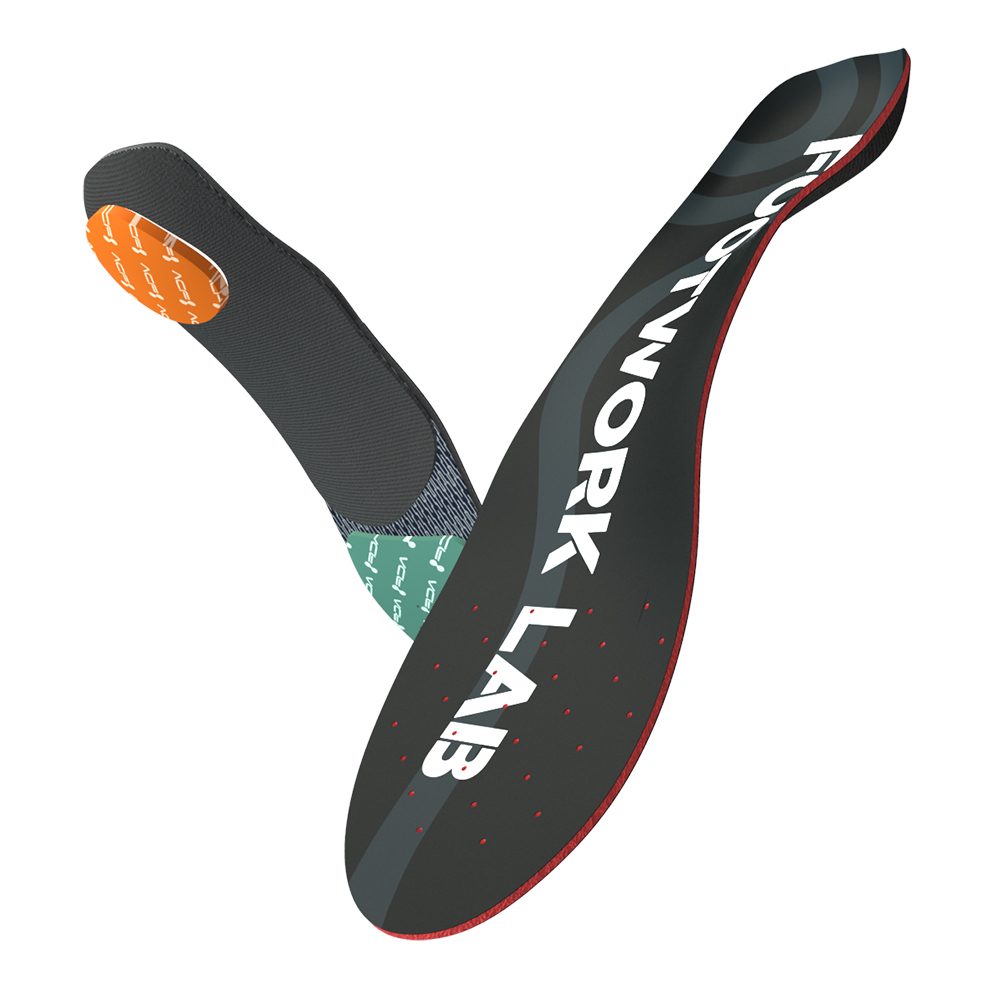
After sign-off the file meets the floor, and the floor has its own physics. The molding step applies heat and pressure to turn a flat sheet into a shaped shell; the cooling profile decides how the shape holds; trimming defines the edges the client will actually feel. None of this is mysterious, but all of it is checkable, and the checks are what separate a pair that matches the design from a pair that resembles it.
Our line produces custom orthotic insoles with a capacity of roughly five hundred to a thousand pairs a day, which is a statement about process maturity as much as about volume. A line that can run that cadence has repeatable stations: each pair travels the same steps, each step has a tolerance, and the tolerances are recorded. Ask a factory what its station checks are and how a rejected pair is traced back to the station that produced it. Traceability is the habit that keeps a hundred-pair order from becoming a hundred remakes.
Material handling deserves its own minute of attention. Sheets differ: stiffness, thickness, how they behave under heat and under repeated load. The same design file built on two different sheets produces two different products, which is why the material choice belongs in the design summary and not in a production decision made after sign-off. We record the material family per pair for exactly this reason — the remake, the reorder and the next order all start from a written base rather than a memory.
Then comes the part customers experience first: the cover, the top sheet, the finishing. It is tempting to dismiss finishing as cosmetic, but the top surface decides how the product feels in the shoe and how it wears over months. Ask what cover materials are offered, how they are bonded, and what the failure mode looks like when a cover eventually wears. A factory that can describe its own wear-out modes honestly is a factory that has seen its products come back — and learned.
Where responsibility changes hands
A chain is a sequence of responsibilities, and the buyer should be able to draw the map. In our workflow: the capture belongs to whoever operates the assessment equipment; the design summary is drafted by the factory and confirmed by the customer; production follows the confirmed summary; shipping follows the confirmed production. Each boundary has a document. When a question arises, the documents say whose question it is.
This map matters most in mixed chains — captured with one company’s equipment, designed by a second, produced by a third. Every boundary you add is a place where the file can degrade and the responsibility can blur. Fewer boundaries is not always possible, but fewer unwritten boundaries is always possible. Ask each party in your chain to write down what they check on receipt and what they commit to on delivery. The parties who resist the exercise are the boundaries that will fail first.
Remake policy is the stress test of the whole map. Ours assigns a remake that follows from a production fault to the factory, and a remake that follows from a changed design decision to a new order with new terms. That division sounds cold until you see the alternative: factories that quietly absorb every remake end up pricing the risk into every pair, and the careful customers subsidise the careless ones. A written remake policy is not unfriendly. It is the shape of a relationship that expects to last.
What to ask a supplier of the whole journey
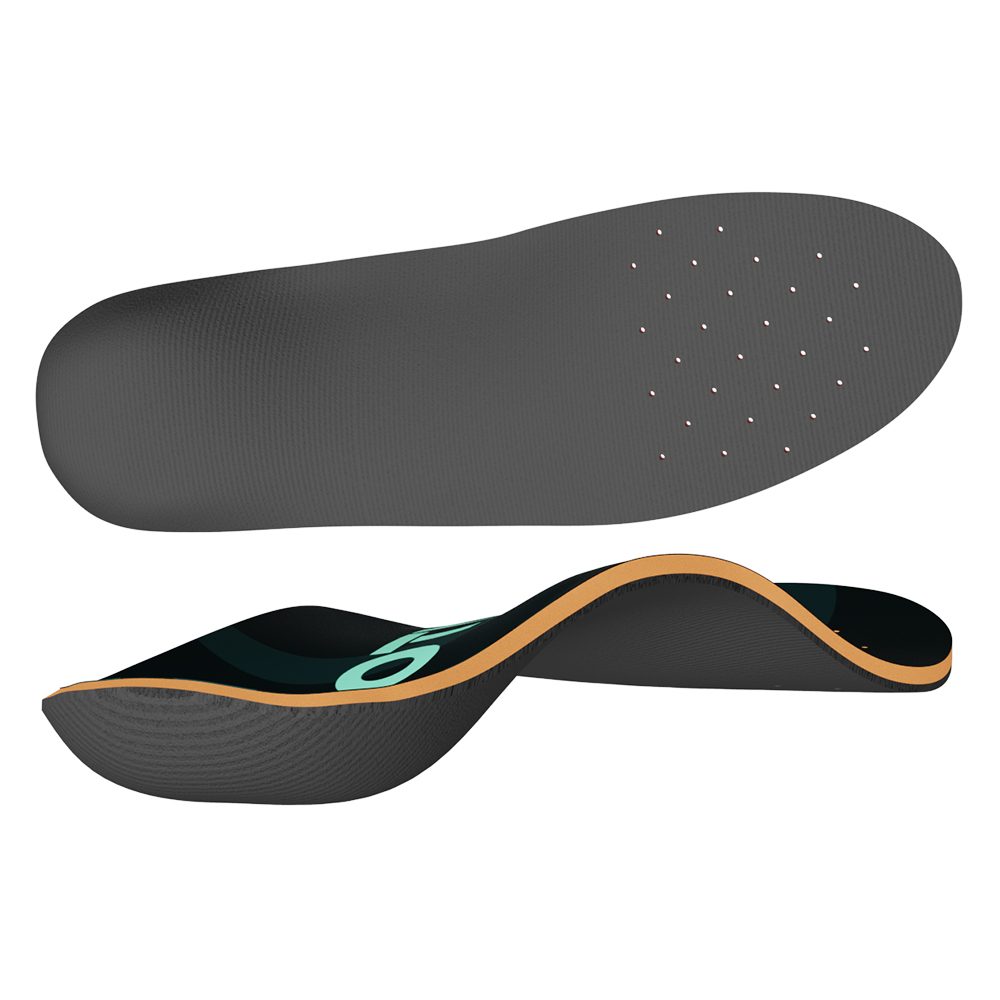
Put the journey on one page and ask about each station in turn. Capture: what does your protocol require, and what does the file contain? Design: who signs off, on what document? Production: what are your station checks and your tolerances? Materials: which families do you offer and how is the choice recorded? Delivery: what ships, when, in what packaging, with what documentation? Six questions, one call each, answers that either exist or do not.
Then ask the integration question: which of these stations sit inside your own building? Our answer is the whole chain — equipment, software, design review, insole production and the remake policy that binds them — because we are the manufacturer of both the assessment systems and the insoles. A supplier who owns more of the chain can answer for more of it. A supplier who owns one station and resells the rest can still deliver, but the buyer should know which sentences on the quotation are promises and which are forwards.
Frequently asked questions
Can we capture with our own equipment and have you produce?
Yes, provided the file carries what production needs. We check on receipt whether the record includes load data or only surface geometry, whether the scale is stated and whether capture conditions were documented. Geometry-only files are usable for shells and fitting aids; load records support the full design workflow.
What do we see before production starts?
A design summary: the regions that will carry support, the material families chosen and the expected fit inside the stated footwear. Production begins when that summary is confirmed in writing, and the confirmed version travels with the order for reference.
What is the minimum order for custom insoles?
Two hundred pairs, and they can be mixed across styles and sizes. Samples leave our plant within three days of confirmation, so the material and finishing choices can be reviewed before a production quantity is committed.
How fast can you produce and ship?
Insole capacity runs roughly five hundred to a thousand pairs a day. After production, transit is six to seven working days by express, ten to twelve by air and thirty to thirty-five by sea, depending on the lane.
What materials do you offer?
Several sheet families covering different stiffness and wear characteristics, chosen at design stage and recorded per pair. The material is part of the confirmed specification, so a reorder or a remake starts from the same written base rather than a memory.
Who pays for a remake?
A remake that follows from a production fault is ours. A remake that follows from a changed design decision is a new order with new terms. The division is written into the order documents so that neither side is guessing when the question arises.
Do you offer OEM or ODM on insoles?
Both. Insoles accept ODM and OEM, including packaging and branding arrangements. Equipment accepts ODM with OEM negotiable case by case. Branding details are easiest to plan when raised before the first order is placed.
What we would do next
If the journey matters to your order, start where the chain starts: the insole categories page shows the product families, and the FAQ page states the commercial frame — minimums, sampling, lead times and the remake division — in writing. If you plan to build the capture side yourself, the F2 plantar pressure system page describes the equipment that produces the files our line consumes. For the production step in isolation, what a clinic should own versus what belongs to the lab covers the same boundary from the clinic side.
This article is intended for professional and educational reference. It is not medical advice. Foot assessment equipment produces measurements and images; clinical interpretation and any decision about care remain the responsibility of a qualified professional. Certification scope is limited to the documentation we hold: European Union certification and ISO quality system certification.