
The cast came off on Tuesday; by Friday the customer is standing at the counter holding the shoe she walked in with, saying the foot underneath no longer feels like hers. Weeks without weight-bearing leave a foot with opinions: it swells by the afternoon, objects to a heel it used to accept without comment, and turns every first step of the morning into a negotiation. For the professionals who see these feet — rehabilitation clinics, physiotherapy rooms, orthopaedic workshops and retail fitters — the first pair of shoes, and whatever goes inside them, is a decision with more moving parts than the appointment slot suggests. Build too little and the customer leaves with the same complaints she arrived with; build too boldly and a foot that has just left immobilisation pushes back within days. This article works through what a foot that has not carried load actually presents, which questions deserve answers before any capture, how to record a stride that is still being relearned, what a deliberately cautious first build contains, and how the second week gets written into the plan instead of left to chance.
A foot with a fortnight of opinions
The presentation is recognisable once a room has seen it a few times. The foot arrives puffier than its paperwork suggests, especially across the top and around the ankle, and the swelling that was absent at breakfast is visible by the middle of the afternoon. The plantar skin is tender in places the customer does not remember being tender before, and the heel of a shoe that used to disappear under the foot now announces itself within the first street. None of this is exotic. It is the ordinary aftermath of a limb that has spent weeks being carried instead of carrying.
The walk tells the rest of the story. Stance on the treated side is shorter and more careful; weight lingers on the untouched leg; the heel of the newly released foot touches down more lightly than it used to. Habits learned on crutches or beside a walking frame do not leave on the day the cast does. Customers often report feeling uneven without being able to say where, which is precisely what a guarded, asymmetric pattern feels like from the inside.
Everything above is an observation a room can make and write down. Saying what it means for recovery, or what ought to be done about it, belongs to the treating professional. The honest position for anybody supplying a first pair of shoes or a first build is narrower: record well, describe what the record shows, and leave interpretation to the person qualified to make it.
What weeks without load actually change
Immobilisation changes tissue before it changes anything a customer can name. Soft tissue under the foot loses conditioning quickly once load stops, and the first days of full weight-bearing ask that tissue to work at a level it has not worked at for weeks. The intrinsic muscles of the foot, held idle while a cast kept everything still, are slow to switch back on. Skin that has lived in a quiet, enclosed environment reacts to friction differently from skin that has walked every day, and it lets the customer know within an hour of trying.
Movement changes alongside tissue. The path of the centre of pressure through stance — the line a pressure record draws as weight travels from heel toward the forefoot — often arrives flatter and more hesitant after a long period off the foot. Load leans toward the other side. Strides shorten. Some of this resolves on its own as confidence returns; some of it hardens into habit if nobody looks at it while it is still fresh.
For assessment, the practical consequence is that the record describes a moving target. A capture taken the day the cast comes off and one taken a fortnight later can describe two different feet, and both records can be honest. That is not a fault in the measurement; it is the reason the date, the weeks since full weight-bearing resumed, and the conditions of the day belong on the sheet beside every image.
Four questions to settle before the first capture
The questions fit inside a normal conversation, and each one changes what happens next. First: how long since weight-bearing resumed, and did it resume all at once or in stages? A foot two weeks into a graded return behaves differently from one released straight to full load, and the answer decides how far today’s record can be trusted as a baseline rather than a snapshot of an awkward transition.
Second: what does a working day look like now — the floors, the hours on the feet, the share of it spent standing rather than moving? Third: where does the foot object, and at what point in the day? A complaint that arrives by evening tells a different story from one that greets the first steps of the morning, and the timing belongs on the form in the customer’s own words. Fourth: which shoe will actually host the first pair? The answer is usually less romantic than the assessment room assumes. The practical shoe worn five days a week matters more than the well-made pair reserved for Sundays, and the build should follow the practical answer.
Two things to do with the answers. Write them verbatim, because a paraphrase smooths away exactly the details that later explain the record. And let the answers decide the schedule: if the day described is demanding and the foot is still swelling by afternoon, the capture can wait a week; if the customer’s days are quiet and the gait is settling, today’s session is a fair starting point.
Capturing a foot that is relearning the step
Captures taken this early reward patience. Give the foot a few unhurried minutes to settle before the first pass rather than expecting a representative stride straight out of the waiting room chair. Keep the passes short; a foot that is relearning fatigues faster than a conditioned one, and a long session buys jitter rather than information. Watch the customer, not only the screen: a guarded stride performed carefully on the first pass and confidently on the second is itself a finding worth a line on the sheet.
Take static and dynamic records, and take the dynamic pass twice with rest between. The comparison shows how much of the pattern is settled habit and how much is the day’s fatigue. Conditions go on the sheet every time: barefoot or shod, which shoe, how long since the last walk, how many weeks since full weight-bearing resumed. Our article on a runner who cannot run today covers the same principle from the other side — capturing honestly on a day the foot cannot do its usual work — and the reasoning transfers directly to the weeks after a cast.
Resist the temptation to chase the perfect pass. Two or three honest records under named conditions serve the professional downstream better than a dozen, and the sheet should say plainly which pass came first, which came after rest, and which was taken in the shoe the customer actually plans to wear. A record that cannot say what conditions produced it will be read as if the conditions did not matter, and that is how confusion gets filed.
What a cautious first build does differently
The organising principle for a first build after a cast is accommodate before insisting. A freshly released foot punishes ambition: a device that demands a new position from tissue that has not worked in weeks tends to be rejected within days, and the rejection is remembered by the customer long after the foot has forgotten it. The first pair has one job — make the return to load tolerable — and every element of the specification should be measured against that job.
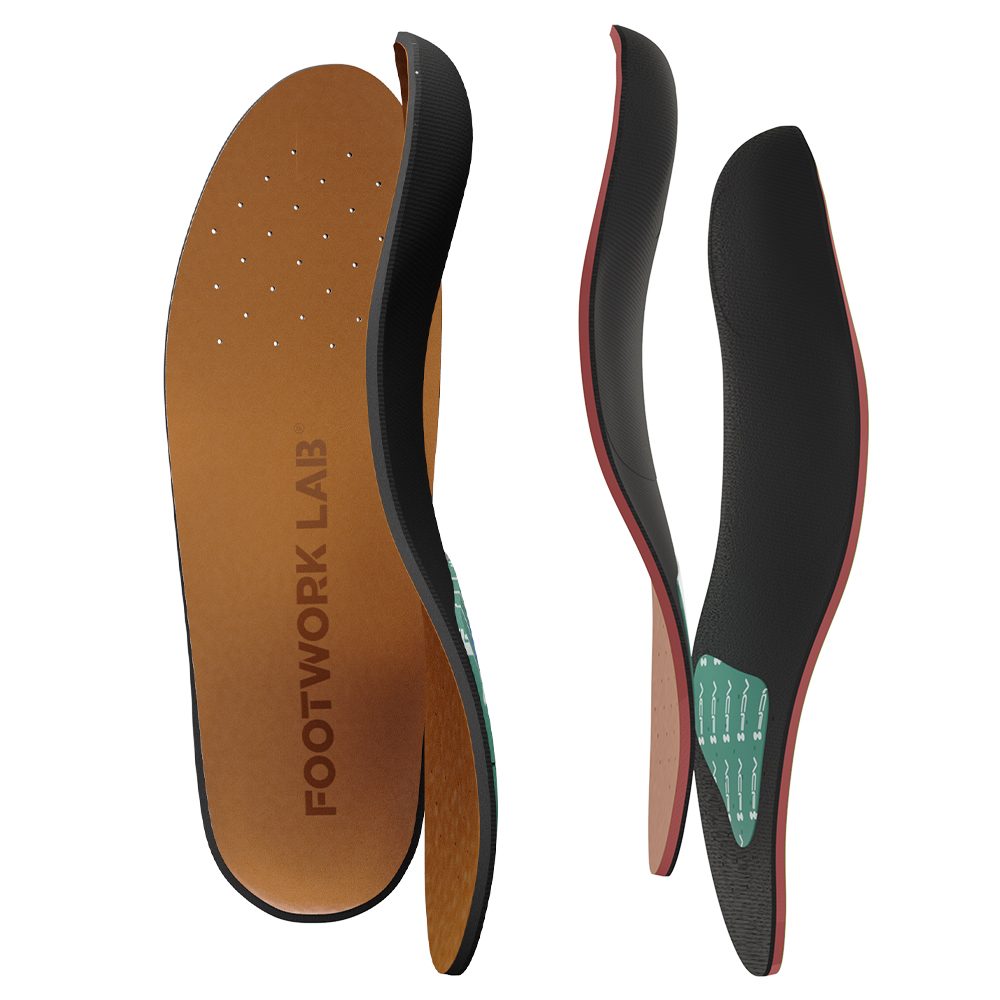
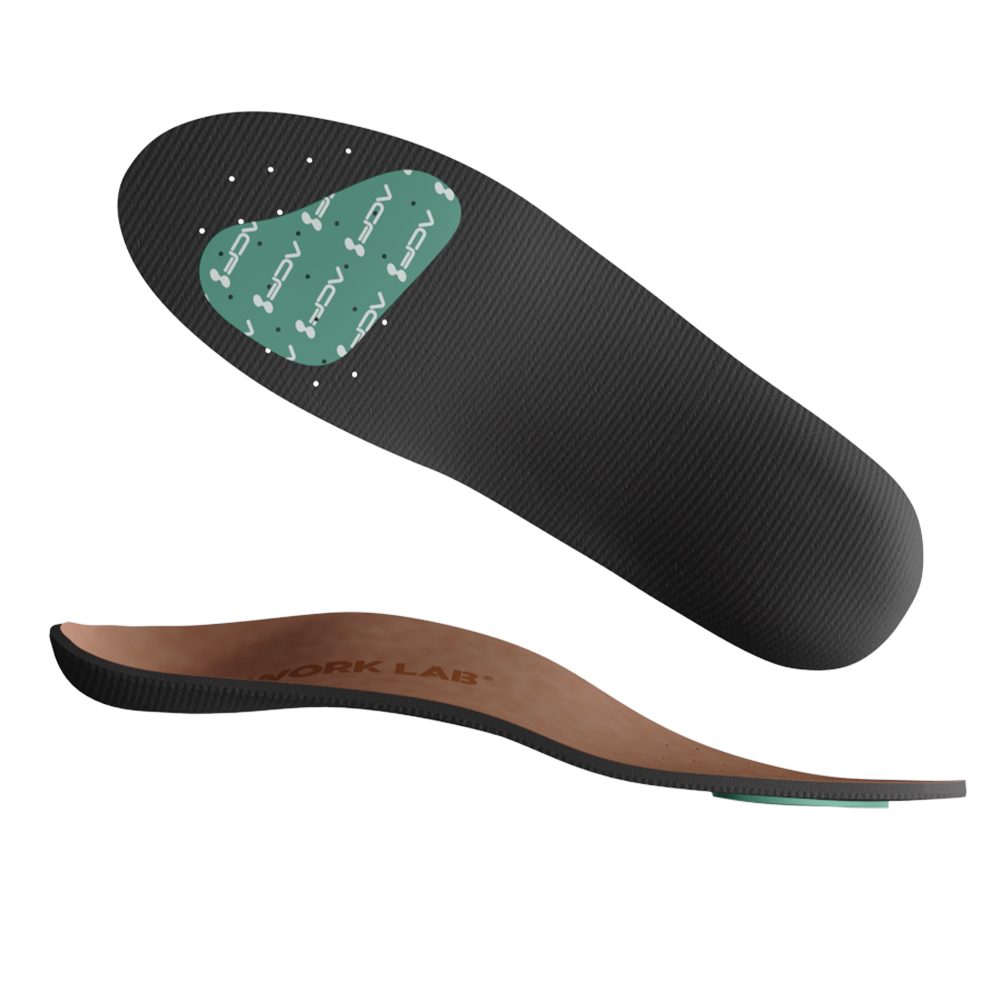
In practice that means an arch profile matched to the foot as it presents today, not as the customer remembers it from before the injury; a softer top interface while the skin and soft tissue recondition; a heel cup that steadies without gripping; and corrections staged rather than stacked. If two elements of the specification both push the foot in the same direction, one of them waits for the second build. The customer will not notice the thing that was held back, but the foot will.
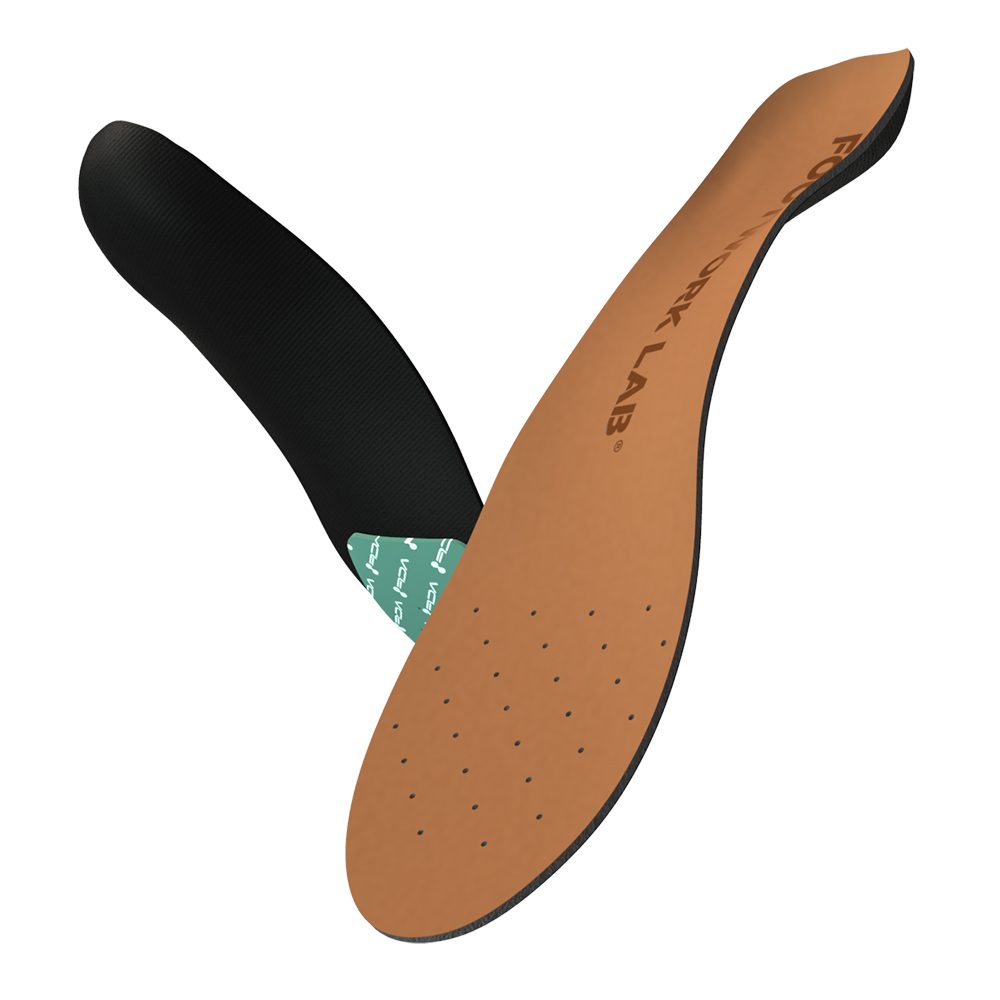
Build around the shoe that will host the pair for most of its hours — the practical shoe from question four, not the best pair in the wardrobe. Custom orthotic insoles, of the kind listed across our insole categories, are shaped from the measured record and the build brief together: the record describes what the foot presents, the brief describes what the first weeks need, and the two are written down side by side before anything is made. A pair made from only one of the two is answering a question nobody asked.
The second week belongs on the schedule
Write the intention line before the pair leaves the room: one sentence on the sheet stating what this first build is meant to do for the coming two weeks. It costs thirty seconds, and it turns the follow-up from a vague conversation about how things feel into a checkable claim. A build that was meant to spread load under the forefoot can be judged against that intention; a build that was meant simply to be tolerated should not be failed for not doing more. Without the line, every later opinion about the pair is arguing with a memory.
Book the check for roughly a fortnight and prepare three questions. Where does the foot complain now, compared with the verbatim words already on the form? What does the swelling do across a day — absent at breakfast, present by dinner, or gone? And what do the wear marks on the old shoes and the new pair say about where the foot is actually spending its hours? Customers answer all three better when they are asked the same way twice, which is the quiet argument for keeping the wording of follow-up questions consistent across a room.
Then decide, and write the decision down: revise now, or hold and review again. If a capture is taken at the check, its conditions go on the sheet next to the first capture’s conditions, so the two records are read as stages of the same story rather than as contradictions. The fortnight check is where rooms earn or lose the customer’s trust in the whole plan, and the difference is usually paperwork, not craftsmanship.
When the right first move is to wait
Some feet are not ready for a build on the day the cast comes off, and a room that can say so plainly is worth more than one that always has something to sell. The signals that waiting is the better move are consistent: swelling that has not yet settled into a daily rhythm, skin that reacts to any friction at all, a gait still heavily guarded, or a rehabilitation plan from the treating professional that is still changing. Any one of these alone justifies pushing the capture back a week; two of them together justify pushing it further.
Waiting is not doing nothing. Interim footwear advice, a review date on the calendar, and a scheduled capture once the foot has had its weeks all serve the customer, and they cost nothing but the discipline to book them before she leaves. Coordinate with the professional managing the recovery, too: the assessment record is more useful to that professional when its timing matches the rehabilitation plan instead of running on its own calendar.
State plainly what we do not do: we do not promise recovery, we do not interpret what a foot will do next, and we do not read a pressure record as a verdict on a healing limb. The equipment describes how load distributed under stated conditions on stated dates. Everything beyond that description — what it means, what to do about it, when the foot is ready — belongs to a qualified professional with the whole record and the person present.
Frequently asked questions
How soon after a cast comes off should a first pair of custom insoles be considered?
There is no fixed date. What matters is the state the foot presents: swelling that has settled into a rhythm, skin that tolerates friction, a gait that is no longer heavily guarded, and a rehabilitation plan that has stopped changing. When any of those are still moving, a scheduled reassessment a few weeks later usually serves the foot better than a build taken on day one.
Should the first capture be static or dynamic for a foot just out of a cast?
Both. The static record shows how the foot sits when it is not being asked to move; the dynamic one shows how load travels through stance while the stride is still being relearned. Take the dynamic pass twice with rest between, and write the conditions of every pass on the sheet so the records can be read as stages rather than contradictions.
What should I ask before building insoles for a customer who has just had a cast removed?
Four things: how long since full weight-bearing resumed and whether it was gradual; what a typical day now looks like in floors and hours; where the foot objects and at what time of day; and which shoe will actually host the first pair. Write the answers in the customer’s own words and let them decide whether to capture today or next week.
Should the first build after immobilisation be soft or supportive?
Cautious in both directions. A gentle arch profile matched to the foot as it presents today, a softer top interface while skin and tissue recondition, and corrections staged rather than stacked. If two elements of the specification push the foot in the same direction, hold one back for the second build.
Which shoe should the first pair be built around?
The practical one the customer wears most days, not the best pair in the wardrobe. Heel height, interior depth and how the shoe closes all change how a build behaves, and a first pair judged in the shoe it actually lives in gives the follow-up check something honest to measure against.
What do I record at the two-week check?
Three things: where the foot complains now, against the verbatim words taken at the first visit; what the swelling does across a day; and what the wear marks say about where the foot spends its hours. Then record the decision — revise now or review again — and the conditions of any capture taken at the check.
Can a pressure map show whether the foot has recovered?
No. A pressure map describes how load distributed during stated captures on stated dates. Recovery is a clinical judgement that belongs to the qualified professional treating the limb, made across time and far more information than one image holds. The map’s honest contribution is a dated, clearly labelled record of how the foot presents.
What we would do next
Take the next customer due out of a cast and run the whole sequence against this checklist: settle the four questions before any capture; take short passes, static and dynamic, with the conditions of each written down; write the intention line before the pair is delivered; and book the fortnight check with the three follow-up questions already worded. The discipline is small, and it is the difference between a room that files images and a room that produces records a professional can act on.
The FAQ page collects the operational answers we give most often by message, and our article on letting feet settle before a capture covers the first-minutes problem that matters even more after immobilisation than it does in routine sessions.
One question back to the rooms doing this work: when the fortnight check shows the foot has already outgrown the cautious first build, do you revise the pair on the same sheet or open a new one — and what does your record need to say so the next reader can tell the difference between a staged plan and a changed one?
This article is intended for professional and educational reference. It is not medical advice. Foot assessment equipment produces measurements and images; clinical interpretation and any decision about care remain the responsibility of a qualified professional. Certification scope is limited to the documentation we hold: European Union certification and ISO quality system certification.