
Advertisement. This is a promotional product article.
Foot Protection for Flat Feet: A Buyer’s Cost Breakdown for Custom Insoles
What this cost breakdown can and cannot answer
Custom insoles for flat feet sit in a category where what you pay depends on what is being made, for whom, and through which fitting process — and that is roughly where publicly available information tends to stop. FOOTWORK LAB, founded in 2018 and focused since then on human biomechanics, AI digital diagnosis and gait correction, lists custom orthotic insoles in three ranges: Daily, Medical and Sports, with more than 30 types across them. The Medical range is the one its materials connect with flat feet.
This article is built from the manufacturer’s product manual material supplied for this piece, together with the company background contained in it. It is not built from store visits, quotations or customer reports, because none of those were provided. That shapes the answer to the headline question: the materials contain no price figures at all. Rather than invent one, this breakdown sets out what a buyer can check, what each range actually contains, and where the cost conversation has to happen instead.
What the buying and fitting process looks like on paper
The materials describe the product in stages rather than as a single shelf item, so it helps to follow that order.
Choosing a range. Three categories are listed. Daily insoles are described with comfort, stability and shock absorption. Medical insoles are described as rehabilitation care for flat feet, hallux valgus and plantar fasciitis, together with pressure relief. Sports insoles are listed by activity: basketball, golf, skiing, hiking, running, badminton and more. For a flat-foot buyer, the Medical range is the one the manual points to.
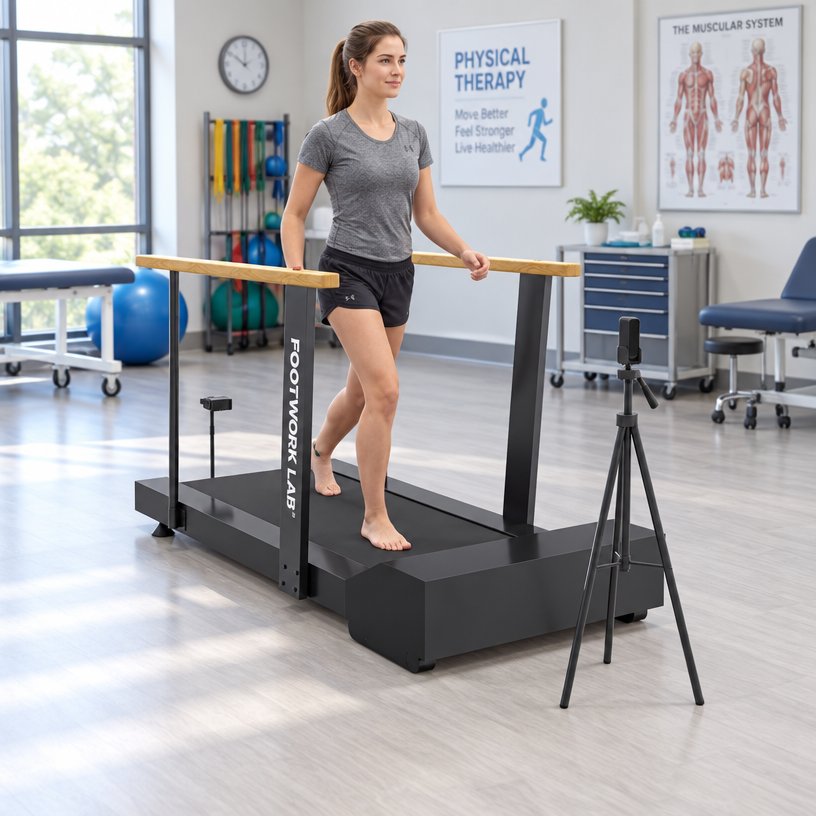
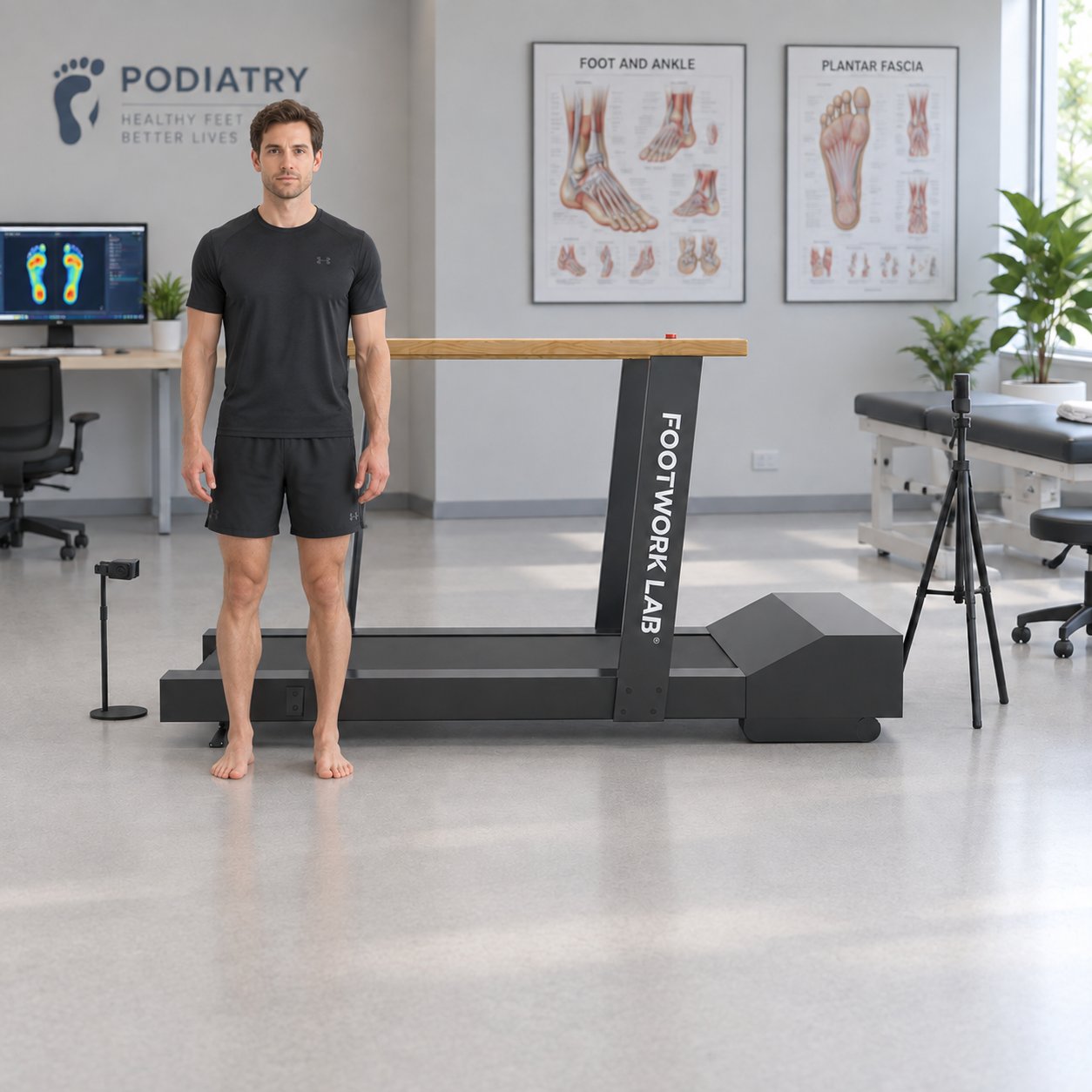
Supplying foot data. The insoles are described as using thermoplastic shaping layers molded to each customer’s foot data. The materials do not say how that data is captured for an insole order. Separately, the company lists detection hardware — X1 Portable Foot & Lower Limb Detection System, X3 Foot Pressure Scanner, X5 Foot Scanner, Q1P Podoscope, F2/FMP Gait Scan, F2-Pro Gait Scanner and F5-LAB Gait Analysis Platform — but they do not state whether a scan is required, included in the order, or billed separately.
Material build. Depending on type, the insoles use polyester fiber, Aosolite, ACF, PET thermoplastic fiber and suede, combined with the thermoplastic shaping layers. Which combination belongs to which of the 30-plus types is not spelled out in the material.
What a buyer receives, and what stays unstated. The output described is a pair of insoles shaped to the customer’s foot data. The materials give no lead time, no number of fitting appointments, no revision or remake policy, no warranty terms and no trial period. A buyer comparing options would normally want all of these in writing before paying, because none of them can be inferred from the product description.
For clinic and multi-store buyers, a separate note applies: the network SaaS system supports multi-language settings and online OTA updates, and one account can manage multiple devices, which the manual describes as suited to chain clinics and multi-store operations. No subscription tiers, device limits or per-seat terms are listed.
The cost gap. No price, currency, regional variation, insurance or reimbursement information appears anywhere in the material reviewed for this article. That absence is the central finding of this breakdown rather than an oversight in the writing.
Reading the specifications without over-reading them
Specifications in this category are easy to misread, so it is worth separating what each item states from what it does not.
Three ranges, one list. "Over 30 types" is a count of models, not a count of price points. The ranges differ by stated purpose — everyday comfort, a medical grouping, and activity-specific builds — not by a published quality ladder.
Materials. Polyester fiber, Aosolite, ACF, PET thermoplastic fiber and suede are named as inputs, with the thermoplastic shaping layers doing the molding work. The manual attaches no performance figure to any of these materials, and it gives no durability or lifespan figure.
Detection and AI. BodyFit AI is described as a machine-vision model built on a neural network trained with millions of custom datasets, used to understand foot, leg and spine condition along with posture and movement, supporting monitoring and guidance for sports and rehabilitation. That describes what the system is trained to read. The materials do not claim that insole outcomes depend on it in any measurable way.
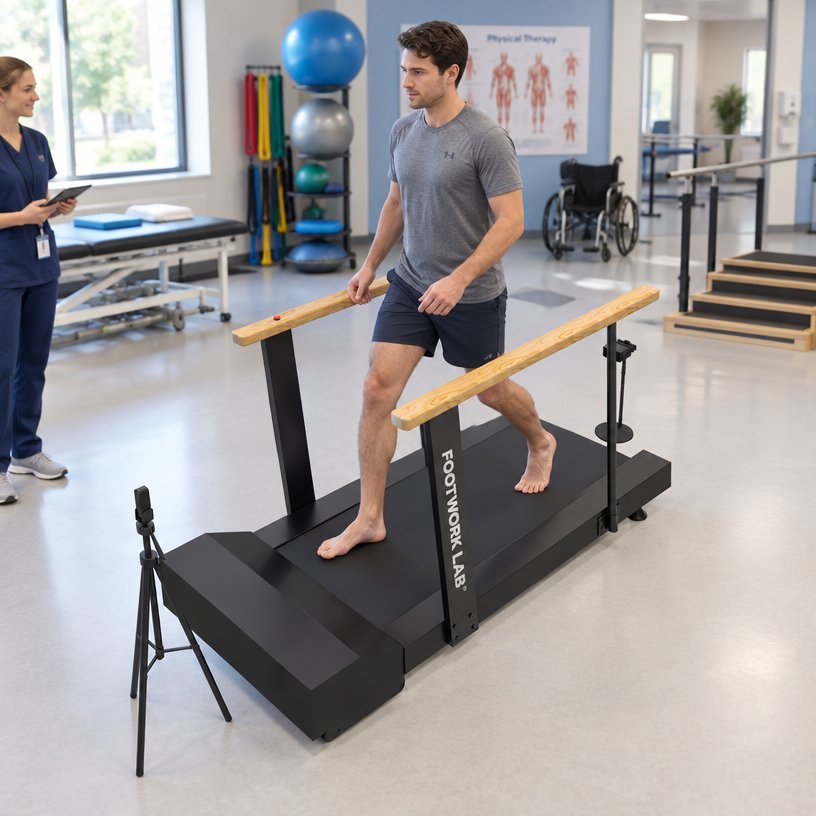
Sinmec Fabric. A flexible fabric sensor technology based on conductive materials and yarn fusion textile technology, applied in the AI detection systems such as the pressure plates of the F2/FMP Gait Scanners, and being developed for wearable applications. "Being developed" is the operative phrase: as described, sensing is not a feature of the insoles themselves.
Certification language. The company states ISO quality management system certification and EU market certification. These describe a management and market-access status; they are not a statement about how any individual pair performs.
What the numbers do not tell you. Nothing in the material converts these specifications into a price, a lifespan, or a degree of correction. Reading them as a proxy for cost would be guesswork.
How to tell whether this is the right purchase for you
Use these as checks rather than recommendations.
- If your reason for looking is flat feet, the Medical range is the one the manual names. If your reason is a specific sport, the Sports list is where the matching activity appears. If it is general walking comfort, the Daily range is described in those terms.
- If you need a firm figure before deciding, this purchase cannot be evaluated from public material alone, because no figure is published. Ask for a written quote that covers the specific type, the foot-data step, and any refitting.
- If your situation involves a foot condition outside the three named for the Medical range, or symptoms that are new, painful or changing, the materials do not cover it. A qualified clinician is the appropriate person to assess that; a product listing is not a diagnosis.
- If you expect the insole itself to report sensor data, note that the sensor fabric applications for wearables are described as still in development.
- If you are buying for a clinic or several stores, the multi-language, OTA-updating, multi-device account description is relevant. A single retail pair is a different purchase and is not described in those terms.
Two cautions are worth stating plainly. Fit depends on accurate foot data, and the materials set no measurement tolerance, no standard for that data and no remake route, so those points need confirming in writing before you commit. And the manual describes intended use; it does not promise an outcome for any individual wearer.
Where this information comes from, and what it leaves open
Every factual statement above comes from FOOTWORKlab knowledge base material attributed to the manufacturer’s product manual: the sections covering insole categories, materials, the conditions the Medical range is described for, company background, the product list, BodyFit AI, Sinmec Fabric and the network SaaS system. The material is a manual excerpt, not a dated price list. No publication date, version number or validity period is given in it, and no independent verification was carried out for this article.
Several questions a buyer would reasonably ask are simply not answered there: price at any level, currency, regional differences, whether a scan is bundled or billed separately, lead times, warranty, returns and remakes, and how the 30-plus types map onto the named materials. Where this article says "not stated", that is a gap in the source rather than a hidden answer.
The conclusions therefore have a narrow scope. They describe what one manufacturer’s manual says about its own insole ranges. They do not establish value for money, and they cannot tell you what you will pay.
Frequently asked questions
How much do these custom insoles cost?
No price is given in the product manual material used for this article, and no currency, range or regional variation is listed. The figure has to come from the seller for the specific type you want.
Which range is intended for flat feet?
The Medical range, which the manual describes with flat feet, hallux valgus, plantar fasciitis and pressure relief. The Daily and Sports ranges are described separately, in terms of comfort, stability and shock absorption, and of specific activities.
Do I need a foot scan before ordering?
The insoles are described as molded to each customer’s foot data, but the materials do not say how that data is collected or whether a scan is required. The company’s scanner range is listed separately, without a stated link to insole pricing.
What are the insoles made of?
Depending on type, they use polyester fiber, Aosolite, ACF, PET thermoplastic fiber and suede, combined with thermoplastic shaping layers molded to the customer’s foot data. The materials do not specify which type uses which combination.
Can the insoles track my movement?
Not as described. The sensor fabric technology is used in the company’s detection systems and is being developed for wearable applications; the insole listing does not include sensing.
Are the products certified?
The company states ISO quality management system certification and EU market certification. These are company-level certifications, and the materials do not attach performance claims to them.