
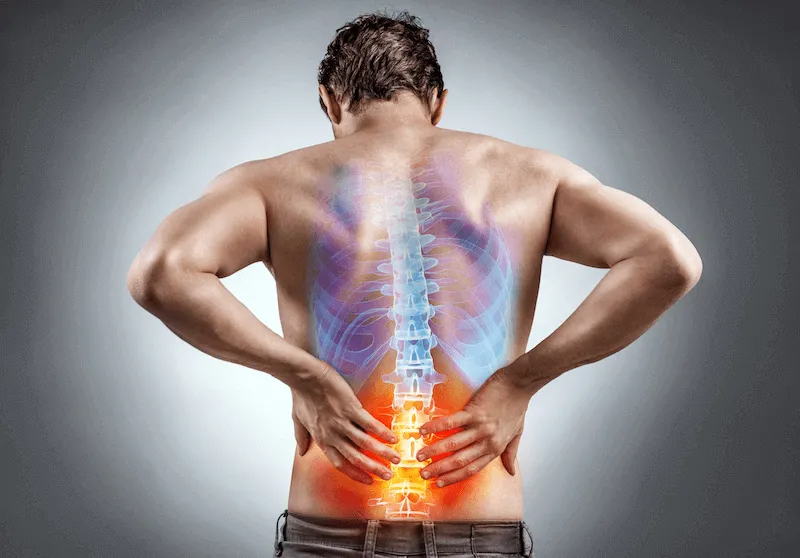
What is lower back pain?
Low back pain (LBP) describes pain between the lower edge of the ribs and the buttock. It can last for a short time (acute), a little longer (sub-acute) or a long time (chronic). It can affect anyone. LBP makes it hard to move and can affect quality of life and mental well-being. It can limit work activities and engagement with family and friends.
What are the symptoms of lower back pain?
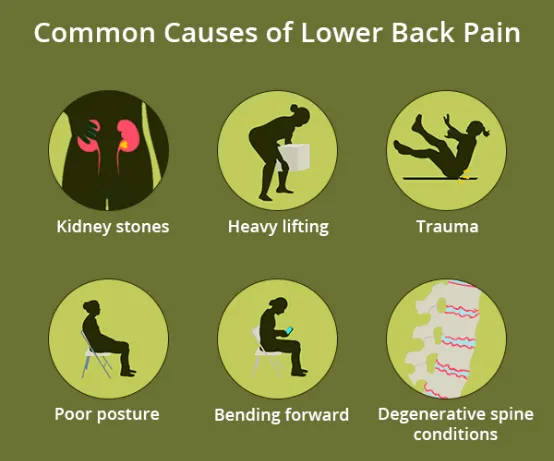
Many injuries, conditions and diseases can cause lower back pain. They include:
- Strains and sprains: Back strains and sprains are the most common cause of lower back pain. You may injure a muscle, tendon, or ligament by lifting too much weight or not being safe. Some people strain their back by sneezing, coughing, twisting or bending.
- Fractures: Bones in the spine may break in accidents such as car accidents or falls. Certain conditions (such as spondylolysis or osteoporosis) can increase the risk of fractures.
- Disc problems: Intervertebral discs cushion the vertebral bones (small spinal bones). Discs can bulge from their position in the spine and press on nerves. Discs can also tear (herniated discs). As we age, the discs become flatter and offer less protection (degenerative disc disease).
- Structural problems: Spinal stenosis occurs when the spine is too narrow for the spinal cord. Compression of the spinal cord can lead to severe sciatica and lower back pain. Scoliosis (curvature of the spine) can cause pain, stiffness and difficulty moving.
- Arthritis: Osteoarthritis is the most common type of arthritis that causes lower back pain. Ankylosing spondylitis causes lower back pain, inflammation and spinal stiffness.
- Diseases: Spinal tumors, infections, and several types of cancer can cause back pain. Other diseases can also cause back pain. These include kidney stones and abdominal aortic aneurysm. Spondylolisthesis: This condition causes the vertebrae in the spine to slip out of place.
- Spondylolisthesis causes back pain and often leg pain.
What are the treatments for lower back pain?
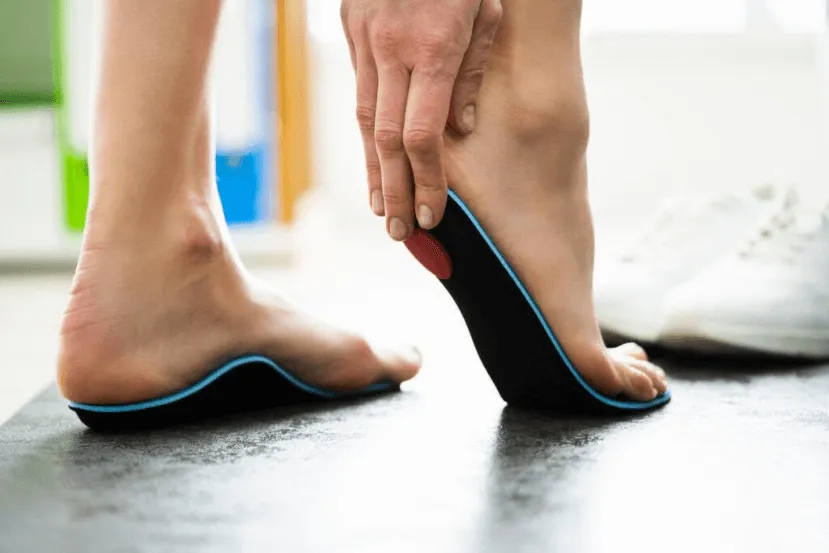
Lower back pain usually gets better with rest, Orthotics, ice and over-the-counter pain relievers. After a few days of rest, you can start to get back to your normal activities. Staying active increases blood flow to the area and helps you heal. Other treatments for lower back pain depend on the cause. They include:
- Medications: Your provider may recommend nonsteroidal anti-inflammatory drugs (NSAIDs) or prescription drugs to relieve pain. Other medications relax muscles and prevent back spasms.
- Physical therapy (PT): PT can strengthen muscles so they can support your spine. PT also improves flexibility and helps you avoid another injury.
- Hands-on manipulation: Several "hands-on" treatments can relax tight muscles, reduce pain and improve posture and alignment. Depending on the cause of pain, you may need osteopathic manipulation or chiropractic adjustments. Massage therapy can also help with back pain relief and restore function.
- Injections: Your provider uses a needle to inject medication into the area that's causing pain. Steroid injections relieve pain and reduce inflammation.
- Surgery: Some injuries and conditions need surgical repair. There are several types of surgery for low back pain, including many minimally invasive techniques.
Can I prevent lower back pain?
You can't avoid lower back pain caused by disease or structural problems in your spine. But you can avoid the injuries that cause back pain. To reduce your risk of back injury, you should:
- Maintain a healthy weight: Excess weight can put pressure on vertebrae and discs.
- Strengthen your abdominal muscles: Pilates and other exercise programs strengthen the core muscles that support the spine.
- Lift weights the right way: To avoid injury, lift weights with your legs (not your back). Keep the weight close to your body. Try not to twist your torso while lifting.