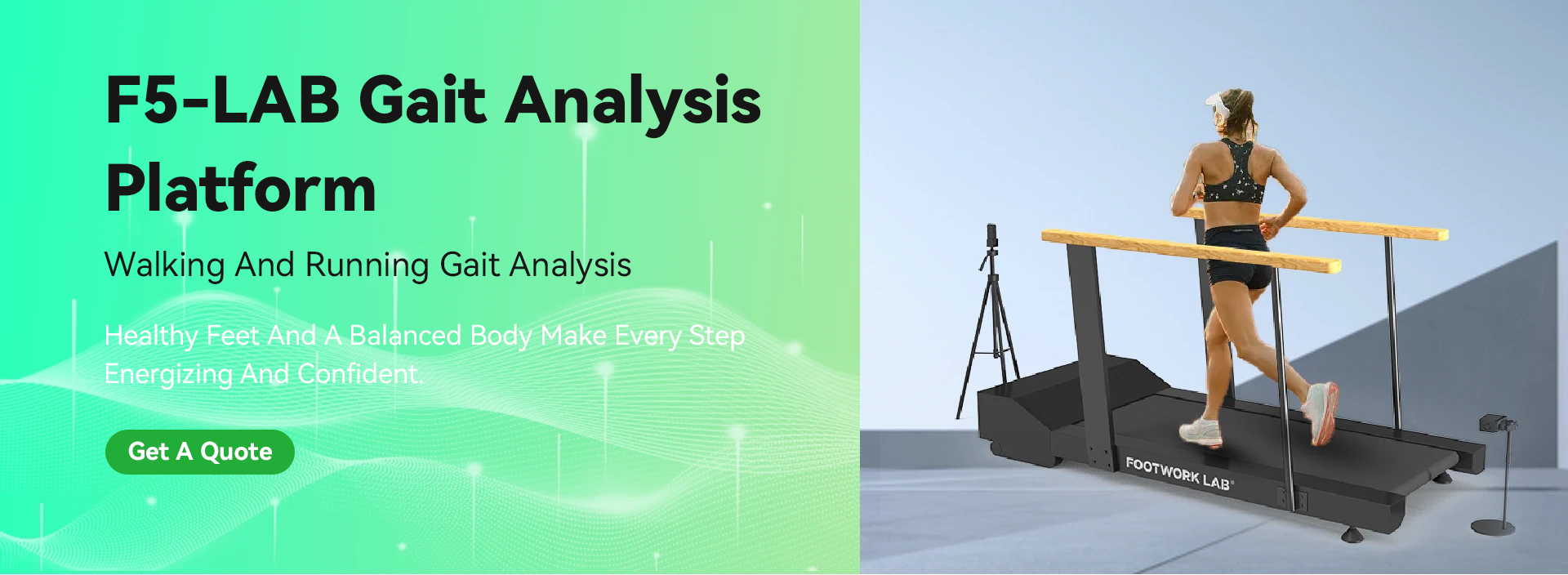
F5-Lab Gait Analysis Platform Walking
And Running Gait Analysis

CHAMP D'APPLICATION

●Gait cycle detection and evaluation

●Posture assessment

●Analysis and evaluation of dynamic bipedal butterfly line

●Dynamic pressure assessment and analysis

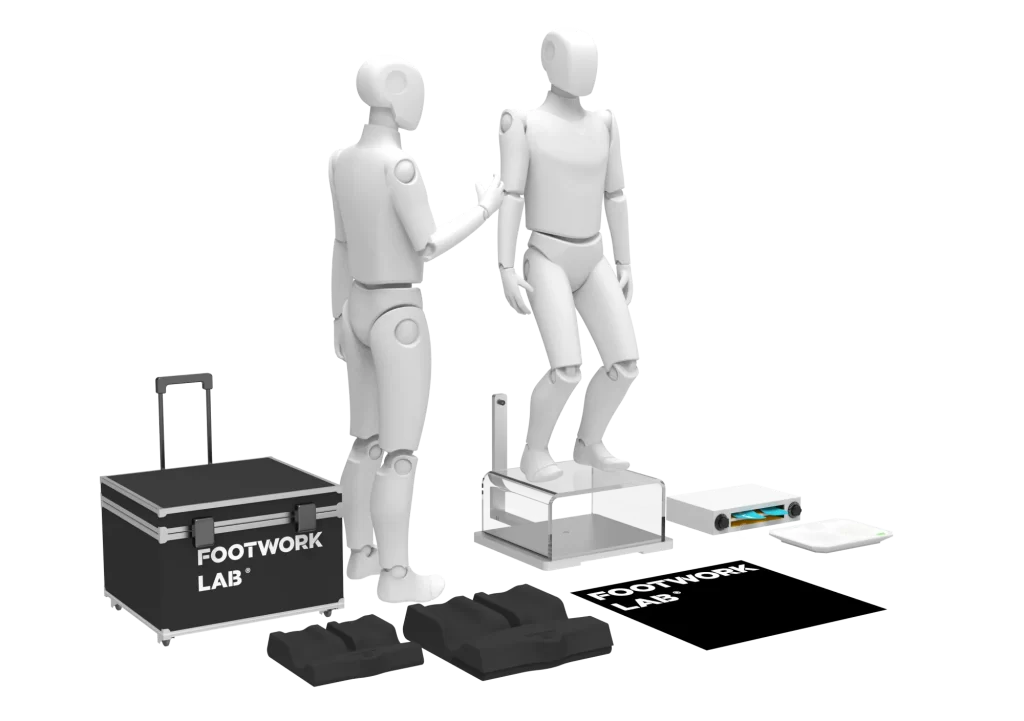
●LESS (Landing Error Scoring System) landing injury risk assessment

PRÉSENTATION DU PRODUIT

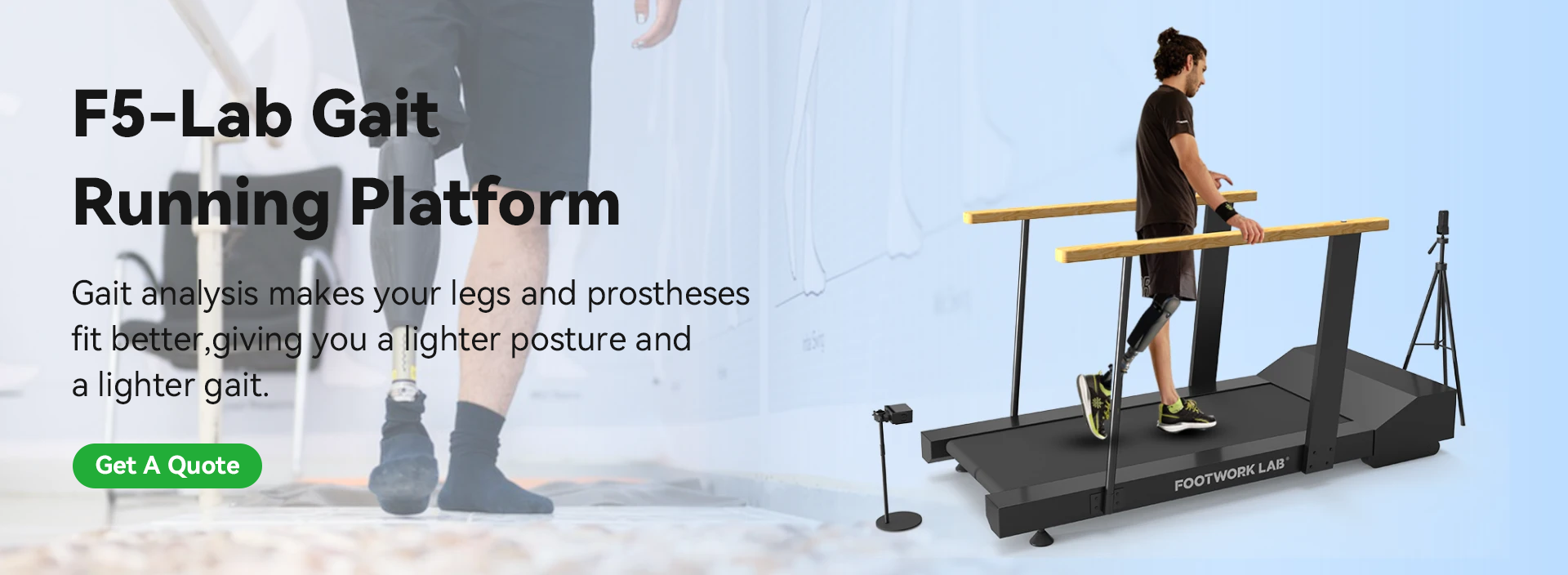
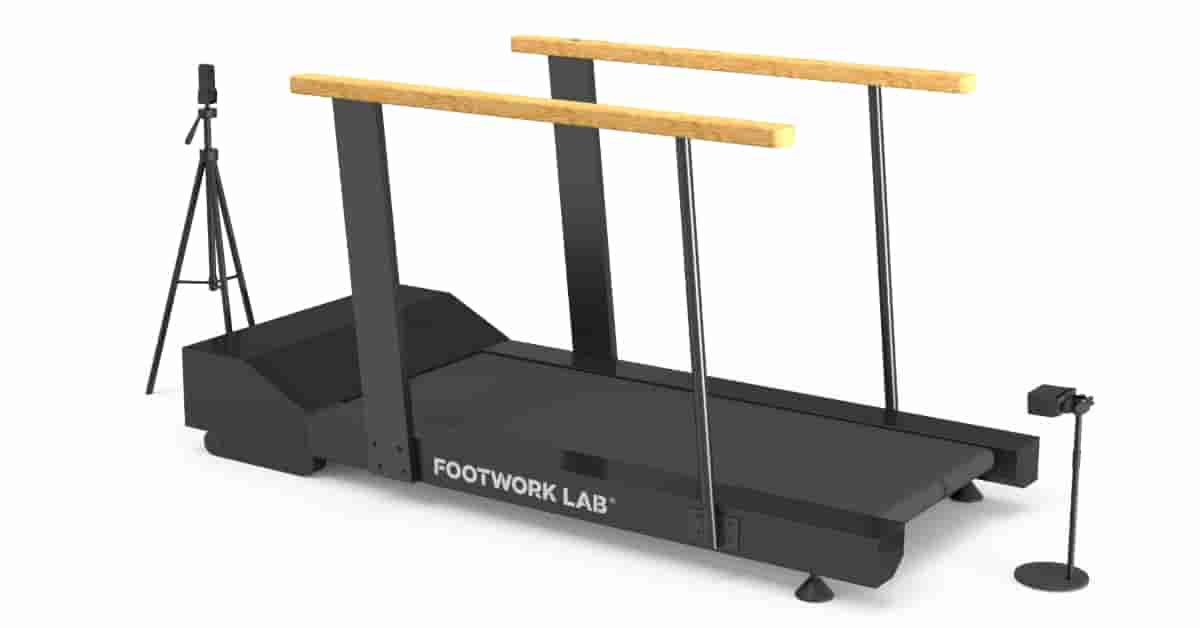
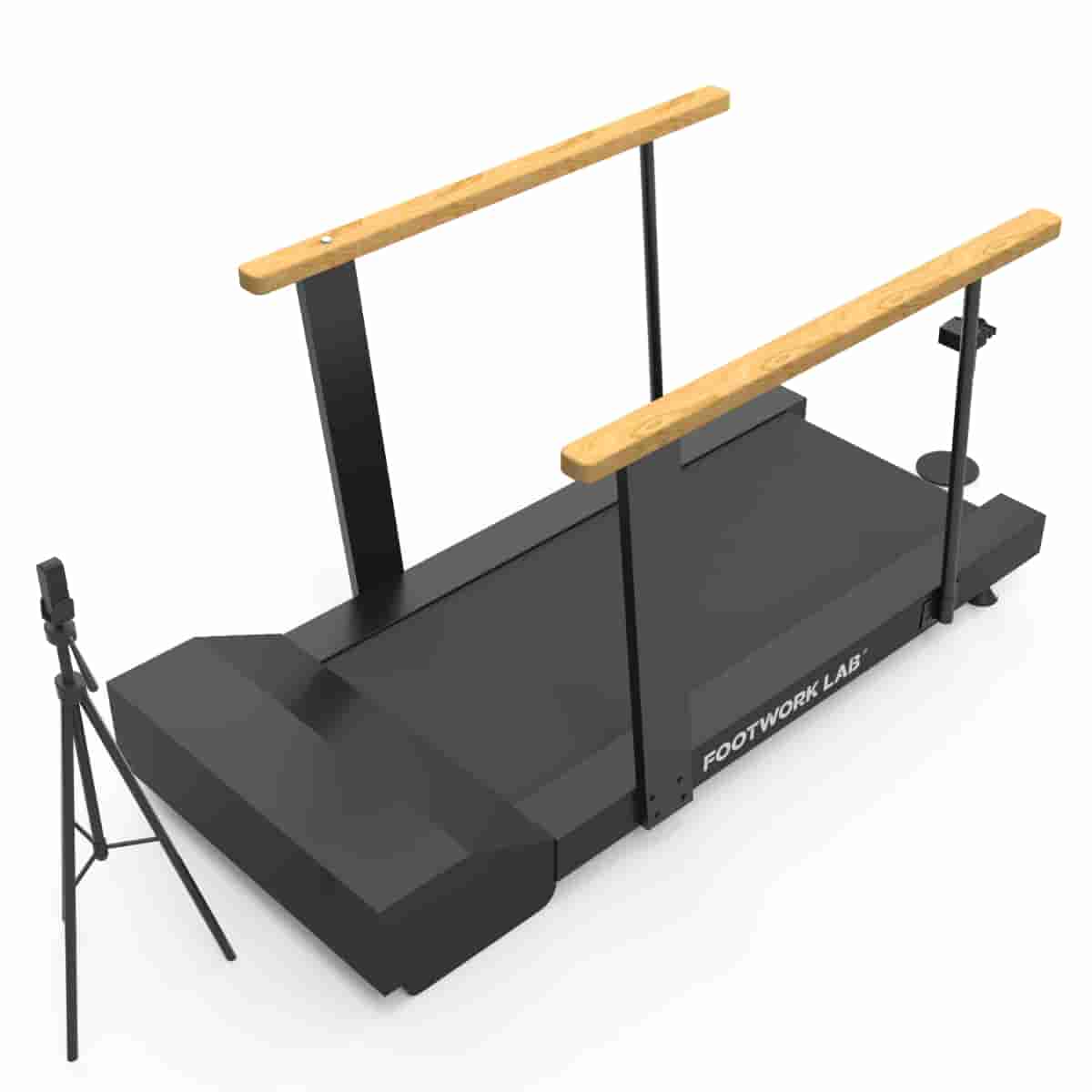
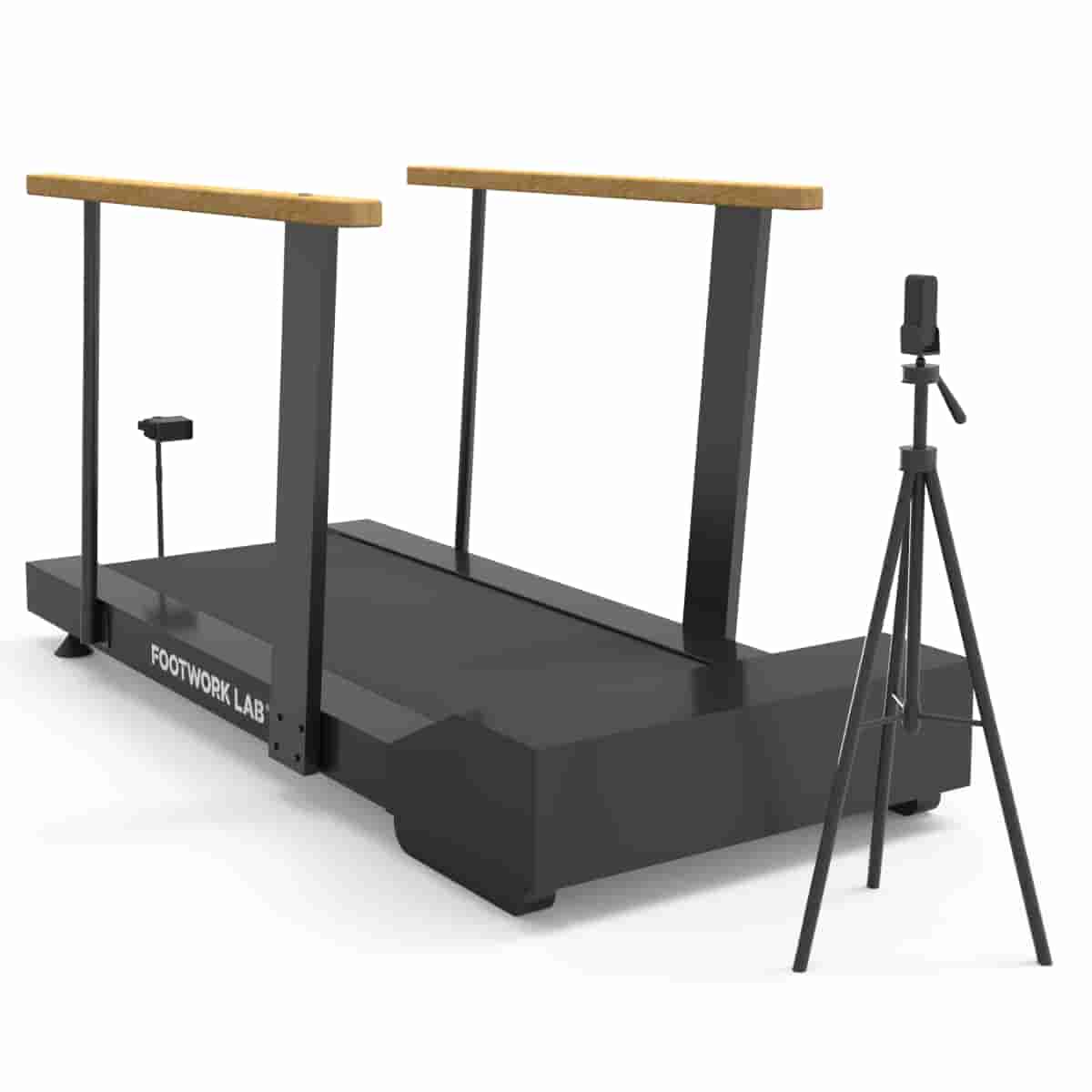
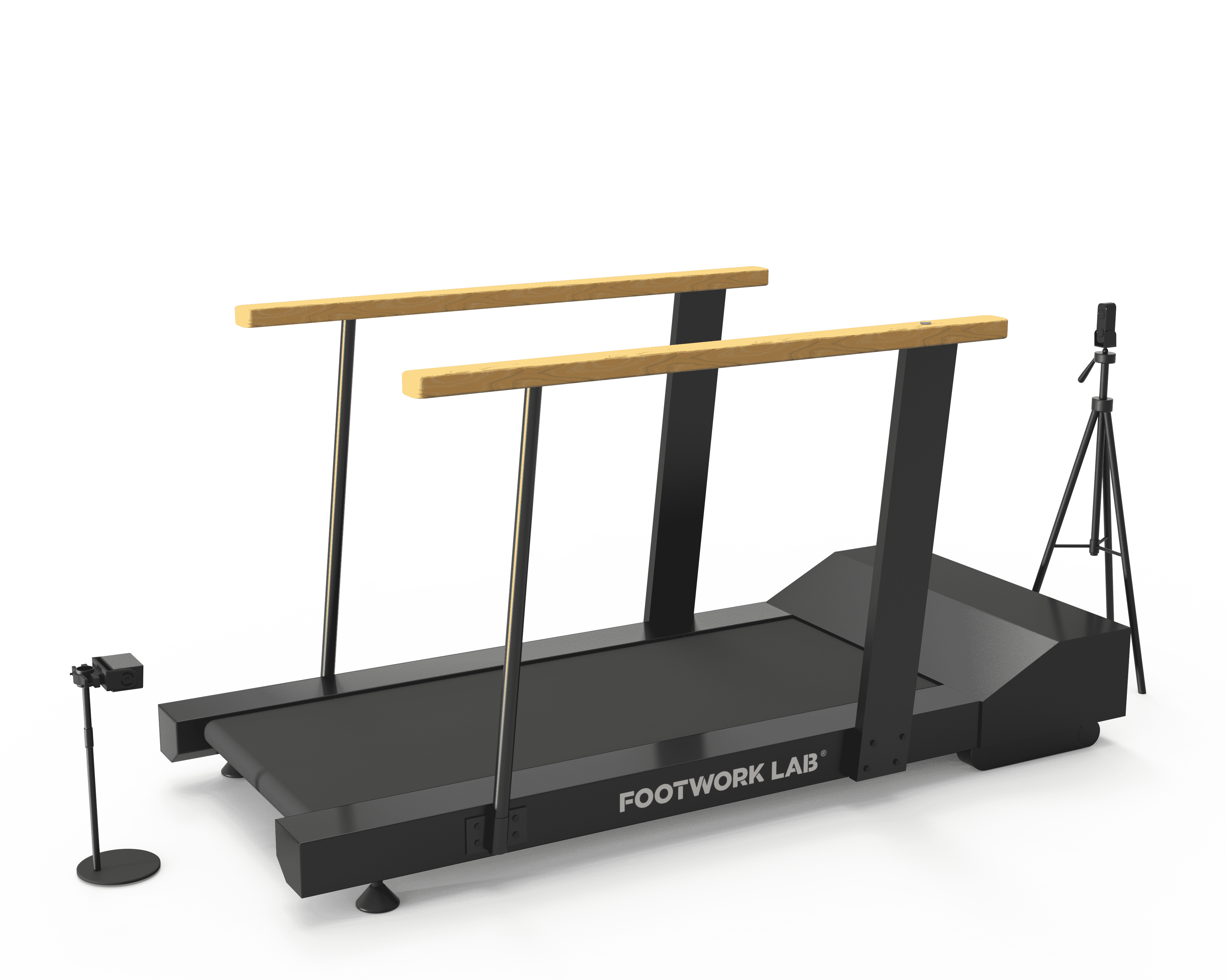
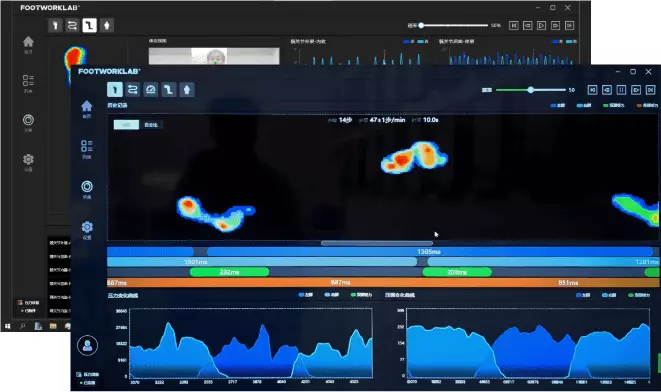
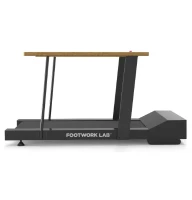
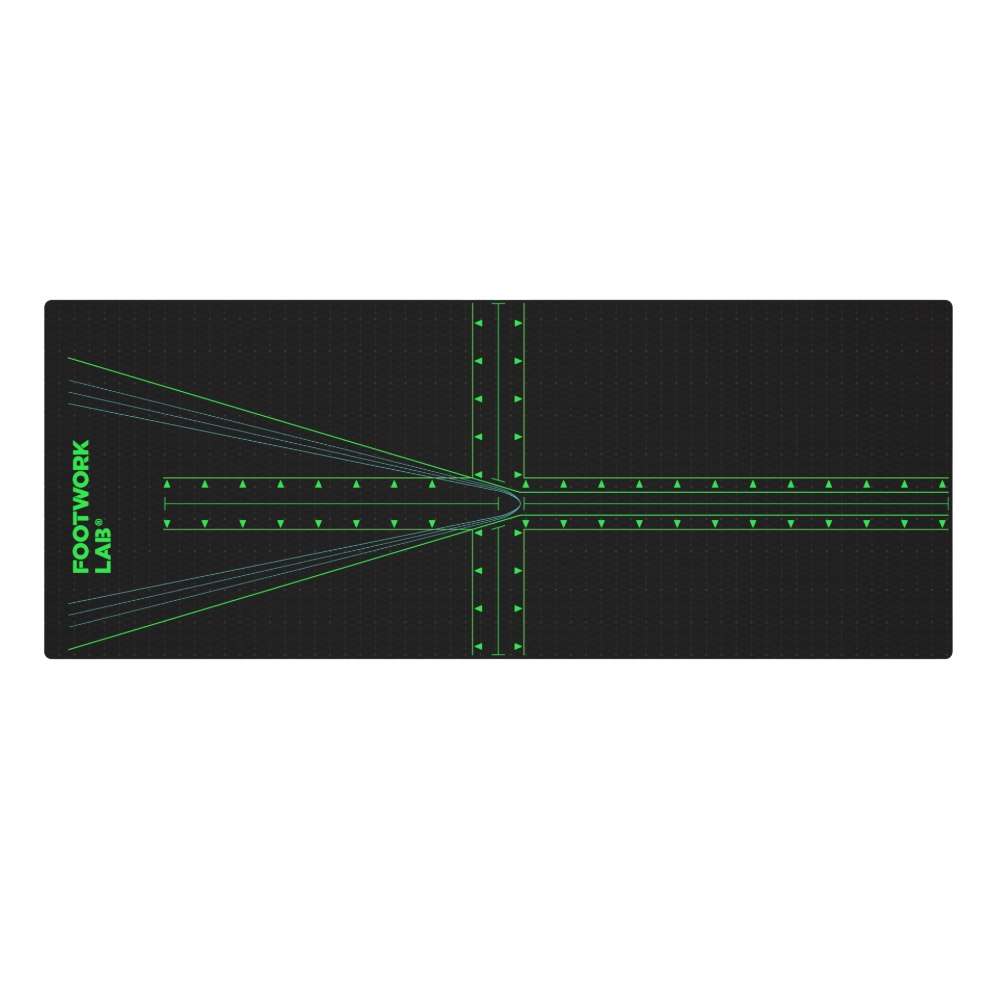
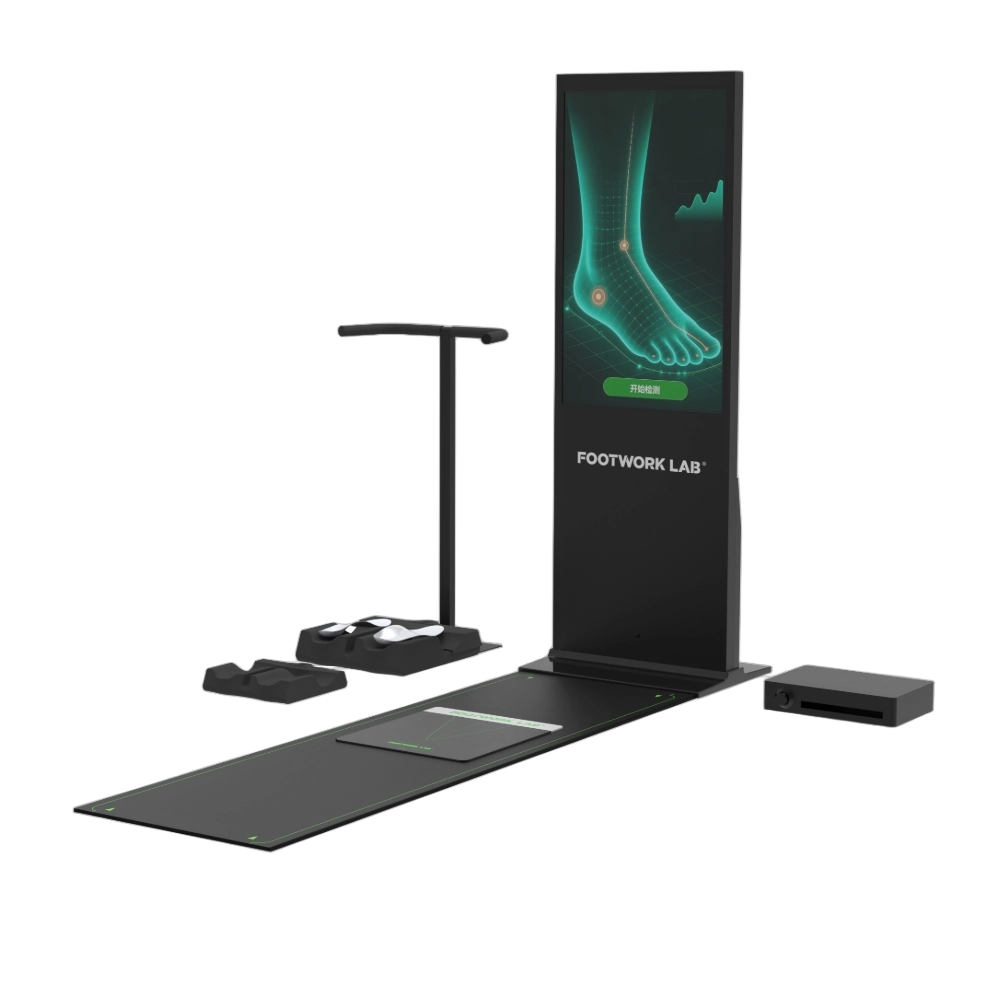
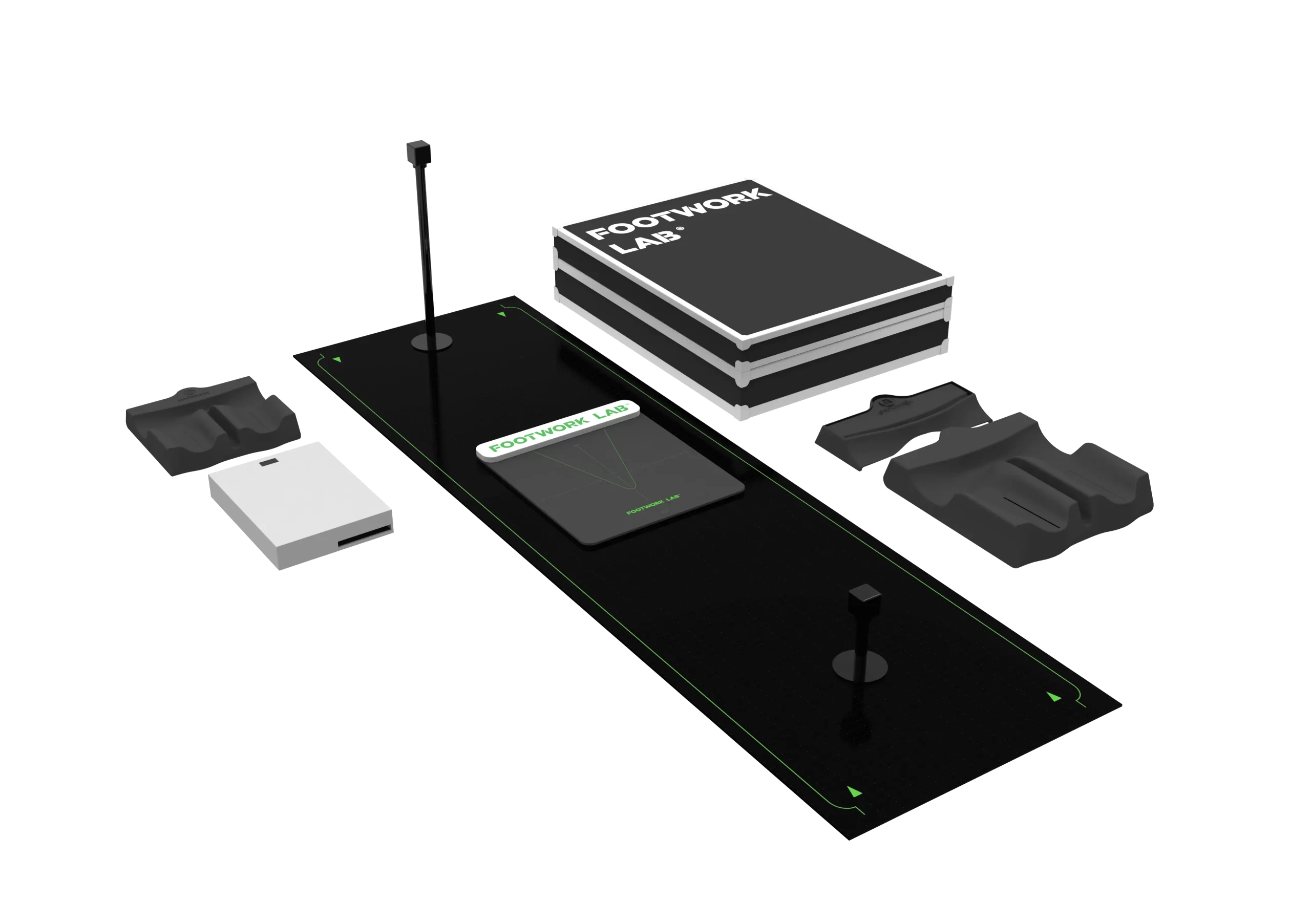
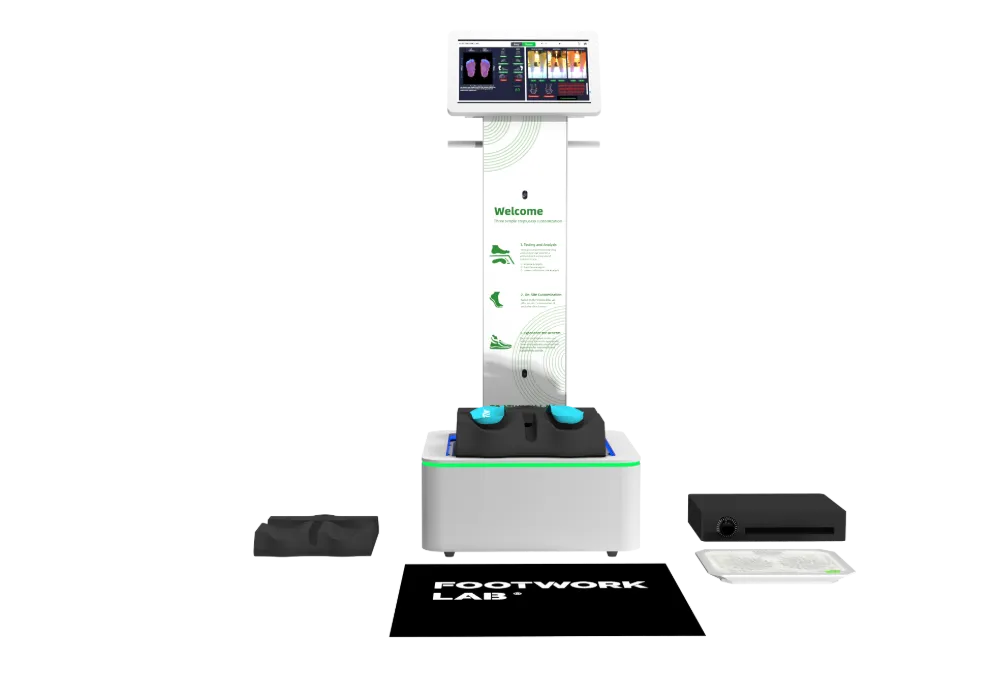
The F5-LAB Dynamic Gait Pressure Detection platform (Gait Analysis) contains an integrated pressure measuring plate to measure and analyze pressure distribution during walking and running. The data of the user gait cycle can be collected effectively and analyzed completely by dual dynamic video acquisition. Additionally, it integrates the LESS (Landing Error Scoring System) module, which quantitatively evaluates landing movement errors (e.g., knee valgus, insufficient knee flexion, trunk inclination, and balance abnormalities) to assess the risk of lower limb sports injuries and provide targeted corrective guidance for gait optimization and rehabilitation training.

F5-Lab Gait Analysis Platform

Product Size

1473*694*1089mm

Camera

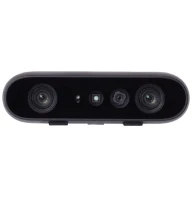
High precision camera *2

Poids

100kg

Precision

2mm

Sensor

Area 46*138cm

Power Supply

110V-220V

Pressure points

64x128

Frequency

60-100 Hz

The Advantage of F5-Lab Gait Analysis

Gait Runing Platorm

Mainly used in sports rehabilitation centers, gyms and other scenes, podiatry clinics, orthopedic clinics, physical therapy centers and other medical scenes can also be used. The system is based on multidimensional data such as body posture detection, walking posture detection and walking foot pressure detection for evaluation and detection.

Testing And Reporting

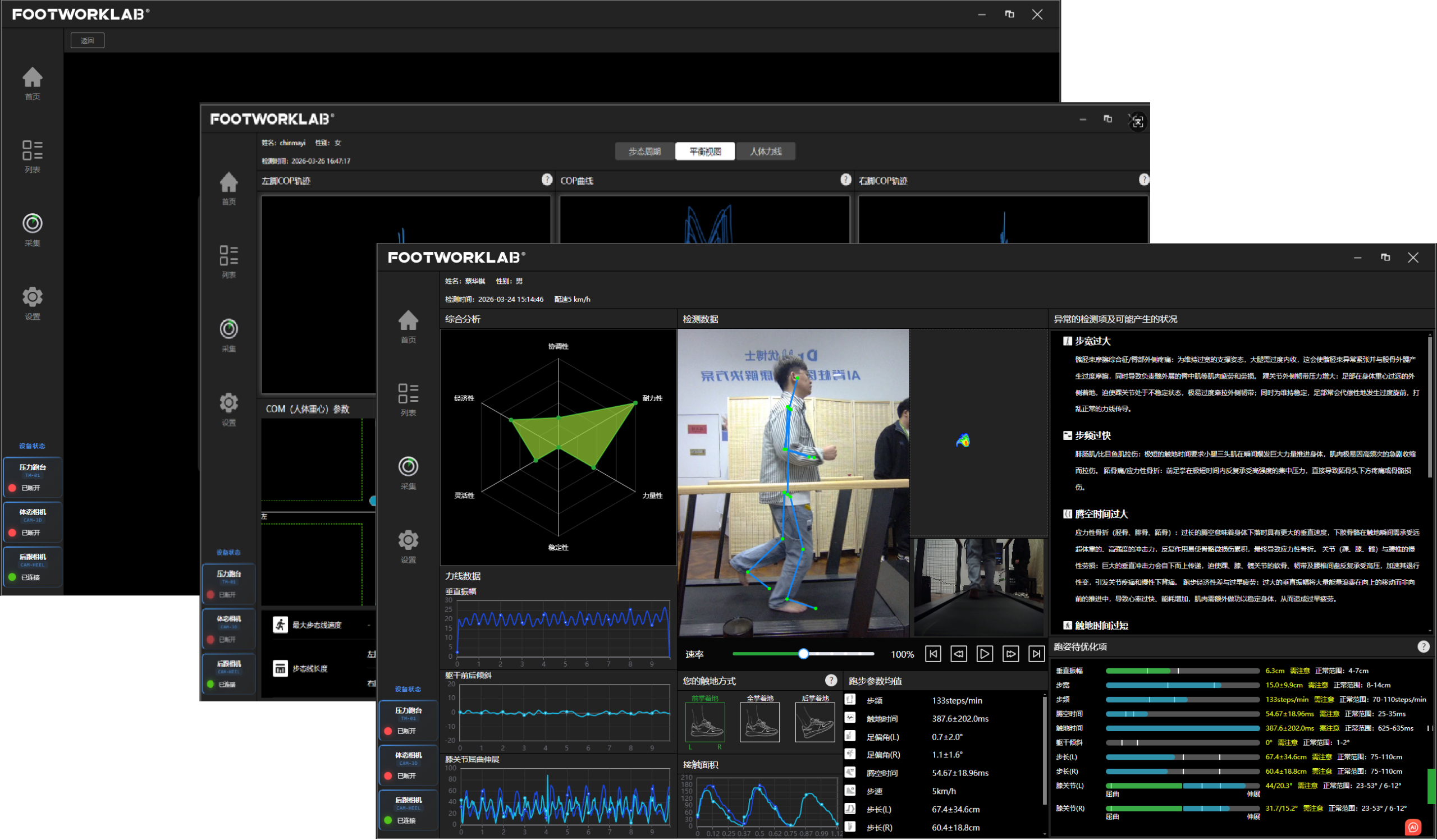
All data acquired by the software is provided by Footwork Saas System processing, and providing detailed evaluation report: Gait analysis report; Tripod analysis report; Dynamic bipedal butterfly line analysis report.

Helping Physicians Personalize Treatment

By accurately diagnosing the patient's gait abnormalities and arch form disorders, doctors are able to design highly personalized treatment paths, such as customizing orthotics and recommending specific physical therapies. In rehabilitation medicine, the system is used as an assessment tool to help healthcare professionals accurately track the patient's recovery process and guide the development of a more scientific and rational rehabilitation training program.

Gait Assessment and Optimization

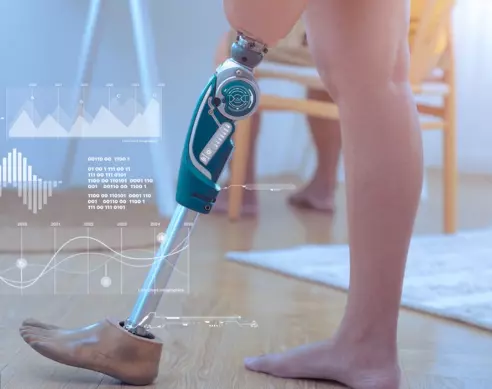
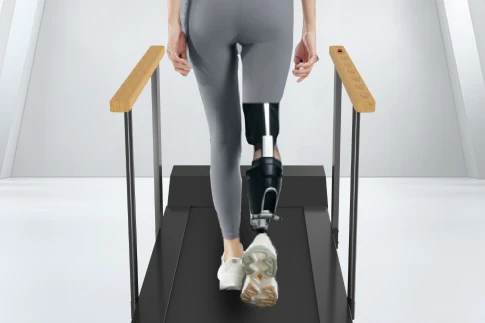
The gait treadmill is equipped with sensors and an analyzing system that can monitor the gait pattern of the prosthesis user in real time and help the rehabilitation doctor or therapist assess the various stages of gait, including data on stride length, stride frequency, joint angle, support time, etc. The data can be used to optimize the gait of the prosthesis user. These data can be used. ①Identify gait asymmetry or gait abnormality. ②Analyze the fit and performance of the prosthesis. ③Adjust the design, accessories, or use of prosthesis

Personalized Rehabilitation Training

The gait treadmill can provide adjustable training intensity and conditions (e.g. speed, gradient, etc.), so that the prosthesis user can carry out gradual exercise training in a safe environment, and improve the stability and coordination of his/her gait.

Adjusting prosthetic settings

With real-time feedback from the gait treadmill, doctors and technicians can more accurately adjust the prosthetic settings (e.g. foot angle, knee flexibility, etc.) for optimal gait control. Users can perform several gait tests on the treadmill to find the most suitable prosthetic configuration and walking style for themselves.

LESS Injury Risk Assessment

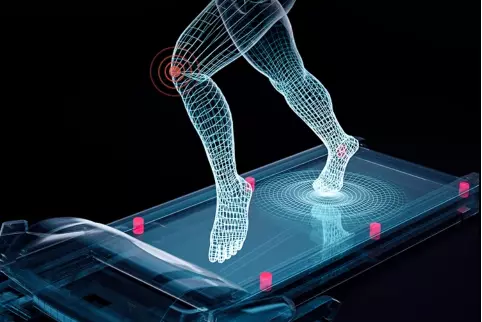
The system integrates the LESS (Landing Error Scoring System) module to analyze dynamic landing mechanics, leveraging force and kinematic data captured during gait and jump tasks. By evaluating key landing phase indicators—such as peak landing force, rate of force development (RFD), knee valgus, trunk inclination, and eccentric deceleration patterns—it quantifies movement errors against the LESS scoring criteria. This assessment identifies high-risk behaviors (e.g., stiff landing, excessive knee inward collapse) that correlate with elevated lower limb injury risk (e.g., ACL tears, patellofemoral pain). The objective LESS score and biomechanical insights support targeted corrective training, injury prevention strategies, and monitoring of rehabilitation progress for athletes, patients, and active users.

Informations associées

Analyse du pied : Analyse de la marche par scanner

Pourquoi l'analyse de la marche doit-elle être réalisée avec un scanner de pression plantaire

Tendinite d'Achille

Fasciite plantaire

Envoyez-nous un message ×
* Nom
* téléphone
flag
* courriel
* Détails
message

Quels services FootWord propose-t-il ?

FootWord propose des solutions de services pratiques conçues autour des besoins des clients. Notre équipe met l'accent sur une communication claire, un support fiable et des résultats qui aident les personnes à prendre des décisions éclairées rapidement.

Comment les clients peuvent-ils obtenir de l'aide rapidement ?

Les clients peuvent contacter notre équipe directement pour obtenir une assistance rapide, des prochaines étapes claires et un suivi en temps opportun. Nous donnons la priorité à la réactivité afin que les questions reçoivent des réponses rapides et que les problèmes soient résolus sans retards inutiles.

Pourquoi choisir FootWord plutôt que les alternatives ?

Les clients nous choisissent pour notre expertise de confiance, nos conseils transparents et nos résultats constants. Nous privilégions les recommandations pratiques, le service personnalisé et les relations à long terme fondées sur la fiabilité et la responsabilisation.

Références

  1. Contributeurs de Wikipédia. (2024). " FootWord. " Extrait de https://en.wikipedia.org/wiki/FootWord
  2. Google. (2024). "Résultats de recherche pour FootWord." Récupéré de https://www.google.com/search?q=FootWord
  3. YouTube. (2024). "Contenu vidéo sur FootWord." Récupéré de https://www.youtube.com/results?search_query=FootWord
Retour en haut