
She booked the anniversary slot herself, walks in holding last year’s report folded to the page with the map on it, and asks the question before she has taken off her coat. So — better, worse, or the same? She has been thinking about this visit for weeks. You have been quietly dreading it since Tuesday, because you already know the two records were not taken on anything like comparable days.
Comparing foot records taken twelve months apart sounds like the easiest thing in the room: two files, one answer. In practice it is one of the most misleading comparisons a clinic makes, because every difference between the files is a blend of the year, the day, the conditions and the customer’s own week. This piece is about making that comparison honest — which conditions to match before anything is compared, which differences deserve attention and which are just weather, and how to put the whole thing on one page that survives being read by somebody who was not in the room.
The return visit and its loaded question
The scene repeats itself in every clinic that keeps files longer than a season. The customer returns on the anniversary, folder in hand, and points at last year’s pressure map as though it were a photograph of a fixed object. She wants a verdict, and she wants it in one word. The map has not changed since last year — it is the same sheet of paper — but her expectations have grown a year of stories: the new job, the wedding, the winter she says she felt every stair. Somewhere in those stories is the real reason she booked, and somewhere in the file is the reason you cannot answer yet.
The question is reasonable, and the honest answer is almost never one word. A comparison is a claim about two measurements, and a claim is only as good as the weaker of the two measurements behind it. If last year’s file holds a single pass taken at half past eight in the morning in February, and today’s session produces four passes taken at four in the afternoon in July, then any difference between the two is mostly a story about those conditions, not about her year.
So the first action costs nothing and can start tomorrow: before promising any answer at the annual review, read what last year’s file actually records. Which device, how many passes, what time of day, what was written on the sheet that day, and what the customer said then. If the file is thin, say so plainly and take a fresh, well-documented record as the new baseline. An honest “we cannot compare this yet” buys more trust than a confident comparison of two unequal days.
Last year’s record was taken on a different day
Twelve months between records means everything about the two sessions differed except the name on the file. The clock: one was a morning capture, one an afternoon one. The season: cold feet behave differently from warm ones. The week: a capture taken the day after a long shift is not the same instrument as one taken after a rest day. Even the room — its temperature, the customer’s waiting time, whether she hurried from parking — leaves fingerprints on the record.
Feet are not statues with dates on them. They change across a single day, and the change is big enough that experienced rooms treat time of day as a condition rather than a footnote. We have written about how a morning capture differs from an afternoon one and about keeping conditions fair across a day of records (The Warm Mark on a Footprint Board: What Temperature Adds), and the same logic doubles in strength when the two records sit a year apart.
None of this makes the comparison useless. It makes the comparison a claim that needs framing: you are comparing two days as much as two years, and the days must be described before the years can be discussed. That reframing, said out loud to the customer in the first two minutes of the visit, prevents the most common disappointment of the annual review — the expectation that the map will have visibly improved, the way a photograph of a garden improves across a summer. Feet are not gardens, and a year is not a season.
Matching the conditions before comparing anything
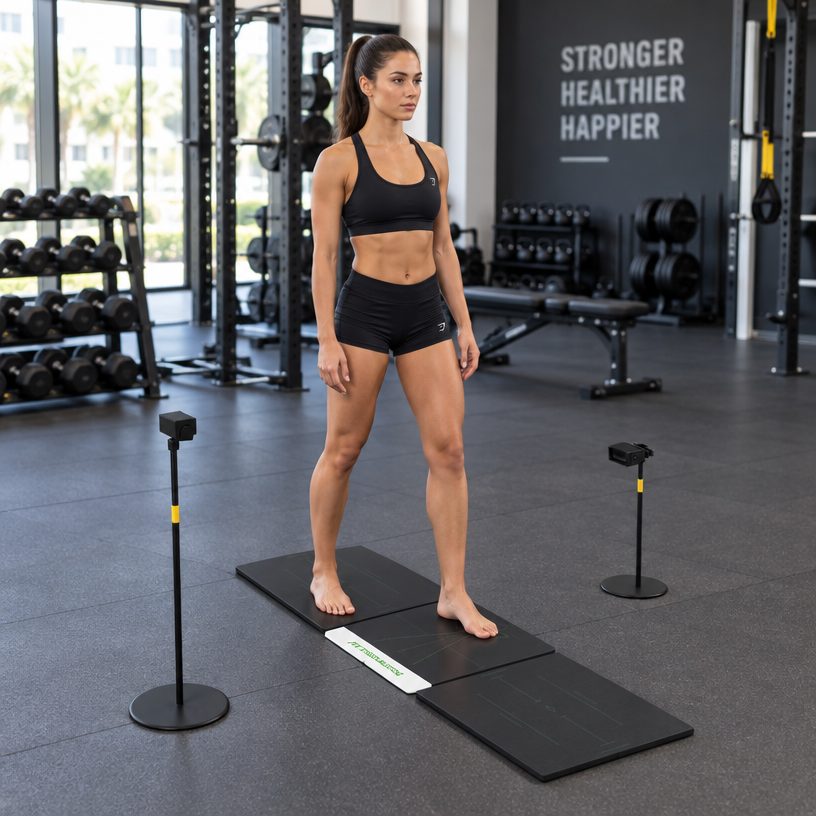
The fix is a short protocol, written once and followed every time an annual record is taken. It fits on half a sheet and reads like this. Same part of the day as last year’s capture, wherever scheduling allows. The same settling pattern — feet out of shoes for the same length of time before anything is recorded, because a foot straight out of a boot is a different instrument from a foot that has been breathing for twenty minutes. The same number of passes, taken the same way, with the same script. The same footwear question asked in the same words. And the same sheet, with the same four lines filled in.
Write the protocol down, tape it inside the file for the annual review, and follow it even when the room is busy. The protocol is what turns the comparison from an argument into a reading. Two records taken under matched conditions can be discussed; two records taken at random can only be interpreted, and interpretation without matching conditions quietly becomes storytelling.
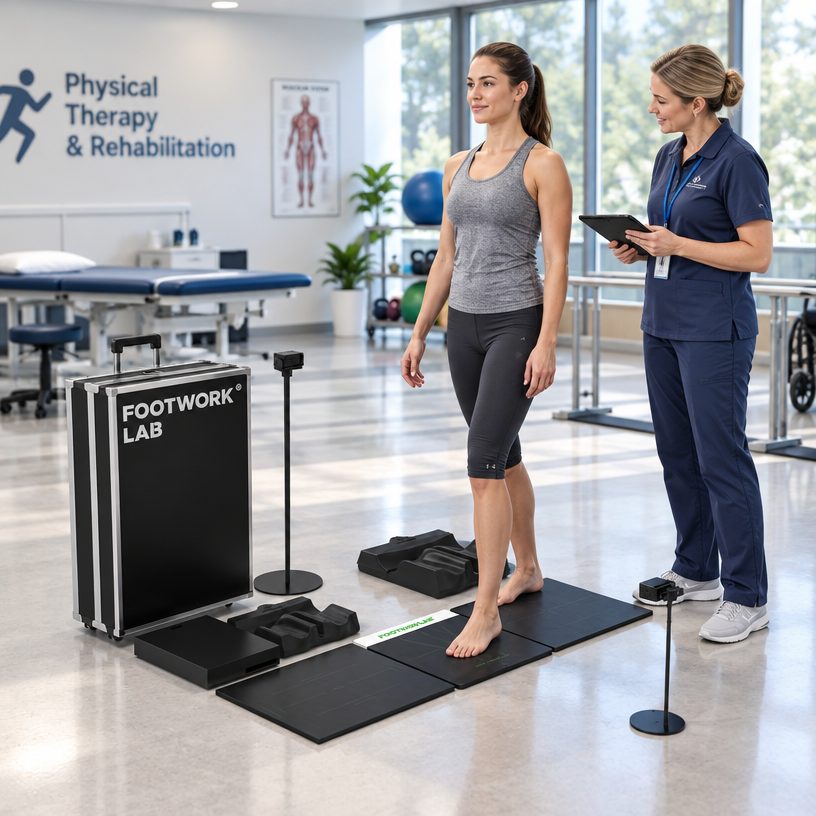
The equipment side of this is simpler than it sounds. A pressure and posture system such as the F2 FMP plantar pressure system saves the whole file — the maps, the pressure lines, the conditions as noted — so last year’s setup can be read back rather than guessed. The machine’s job is to be the same machine it was last year. The protocol’s job is to make the day around it just as repeatable.
What to compare, and what to leave alone
Compare the stable things first. How load distributes across the standing map, pattern by pattern, not millimetre by millimetre. Where the pressure line travels through the recorded passes, and whether its route has the same character it had last year. How well the passes within each session agree with each other — a session with tidy, repeating passes is a better witness than a scattered one, regardless of the year it was taken. Agreement between passes is the quiet foundation underneath everything else in the comparison; without it, both years are guesses wearing lab coats.
Then leave the noise alone. One wobble on one pass, one smudge near the edge of the map, one capture where the customer flinched at a door slamming — these are weather, not climate. The differences inside a single session, between consecutive passes taken minutes apart, are routinely larger than many year-apart differences that people get excited about. If you have ever watched a customer’s third pass differ from her second for no reason anyone could name, you already know this; the annual comparison just raises the stakes on the same truth.
So the working rule is: compare summaries, not snapshots. A feature that appears in most passes in both years is a candidate for a real discussion. A feature that appears in one pass out of four is a note, not a finding. The discipline is unglamorous, but it is what separates an annual review from an annual argument with your own files.
One page for two years
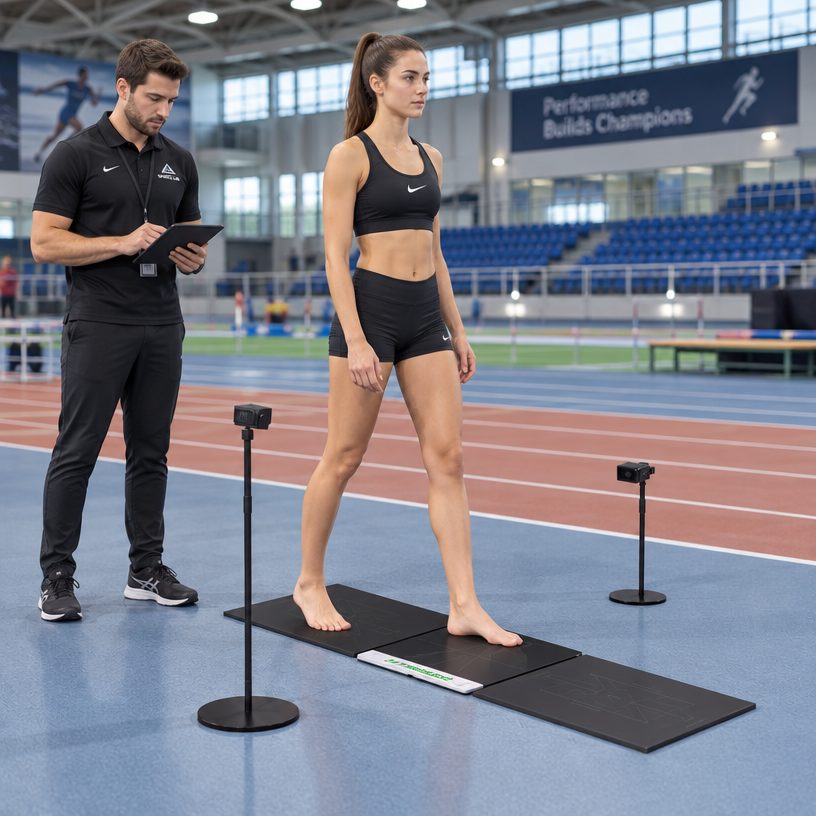
The comparison needs a page of its own, and the layout can be set up tomorrow. Four columns across the top of the sheet. Column one: last year’s summary, in the same terms you use today — how load sat, how the line travelled, how the passes agreed. Column two: this year’s summary, in identical terms. Column three: the difference, described in neutral words. Column four: the conditions of each capture — time of day, settling time, passes, anything unusual about either visit.
The fourth column does most of the work, and it is the one rooms skip first when time runs short. Without it, every difference in column three gets read as change. With it, half the differences quietly reclassify themselves as conditions, and the ones that remain are worth their space. A comparison sheet without a conditions column is a verdict waiting to be misread by whoever opens the file next.
Add one more line at the bottom, in the customer’s own words: what she says has changed. Not what she hopes, and not what she fears — what she says. The sentence belongs next to the columns because it is evidence about the year that no map contains, and because a future reader of the file should never have to guess whether the numbers moved in a direction the customer actually lived. Quote her exactly, even when the wording is unscientific. Especially then.
When a difference deserves a second look
Three conditions decide whether a year-apart difference earns a second capture. First, it appears across most passes, not one. Second, it matches the customer’s own account of the year — the map and her story point the same direction. Third, it survives a repeat: taken again on another day, under matched conditions, it is still there. A difference that meets all three is worth rebooking, repeating and discussing properly with the qualified professional who owns the interpretation.
A difference that fails any of the three gets written down as an observation and dated, and nothing dramatic is said about it in the room. This is not evasiveness. It is the same discipline that keeps a single odd pass from becoming a story about a person — applied across twelve months instead of across four passes. Observations dated and filed today are the raw material of next year’s honest comparison; verdicts issued early are the raw material of arguments.
One caution for the team: the equipment produced a measurement on each occasion, and the comparison of those measurements is evidence, not a verdict. Interpretation, and any decision about care that follows, belongs to the qualified professional reading the whole file — both years of it, plus everything the sheets say about the days the records were taken.
Saying different without saying worse
The vocabulary of the annual visit decides how the year sits in the customer’s memory, so it deserves more care than the vocabulary of a first visit. Words like changed, shifted, and distributes differently describe what a comparison can actually show. Words like better and worse promise a direction the measurement cannot supply on its own — and worse, they invite the customer to audition for one of the two roles at every visit from now on. A customer who was told “worse” last year arrives this year already braced, and a braced customer walks differently before anything is recorded.
The safe framing is the one the whole industry keeps relearning: the equipment produced measurements; the qualified professional interpreted them; the sheets carried the conditions; and the customer carried the year. Say what the columns show — where load sits differently, whether the passes agree as well as they did — and let the professional carry the meaning. What you must not do is let the map do the talking alone, because a map answers only the question of where load stood on one particular day, wearing one particular pair of feet, in one particular mood of weather.
Practical phrasing that works in the room: “Your distribution has shifted toward the heel this year, and the passes agree with each other about it. What that means for how your feet feel, and what belongs in the plan, is the conversation to have now — and the sheet says exactly which days these two records came from.” Then book next year’s review before she stands up, in the same slot and the same conditions, so the next comparison starts fair.
Frequently asked questions
Why can I not just show the customer two maps side by side?
Because the two maps were taken on two different days under two different sets of conditions, and a raw side-by-side reads every difference as change. Match the conditions first — time of day, settling time, number of passes, script — then compare summaries rather than single maps.
How many passes should each yearly record include?
The same number in both years, taken the same way. The count matters less than the fact that it matches and is written down, because a four-pass summary and a one-pass snapshot are different instruments and cannot be compared honestly.
Does time of day really change the record that much?
Yes. Feet change across a single day, and experienced rooms treat the clock as a capture condition rather than a footnote. A morning record and an afternoon record differ enough that an unmentioned difference between them can outshine the year you are trying to compare.
What should I write on the sheet for an annual comparison?
Four columns: last year’s summary, this year’s summary, the difference in neutral words, and the conditions of each capture. Add one line in the customer’s own words about what she says changed. The conditions column is the one rooms skip first and miss most later.
When is a year-apart difference worth a second capture?
When it meets three conditions: it appears across most passes rather than one, it matches the customer’s own account of the year, and it survives a repeat taken on another day under matched conditions. Anything less gets filed as a dated observation, not a finding.
What do I tell the customer who expects to hear better or worse?
Describe what the comparison shows: how load distributes differently, whether the passes agree as well as they did, which conditions matched and which did not. Direction and meaning belong to the qualified professional interpreting the whole file, and the vocabulary of changed and shifted keeps the room honest.
Should the customer bring anything to the annual visit?
Yes: her copy of last year’s report, the footwear she has mostly lived in for the year, and any notes she kept. The worn shoes are evidence about the twelve months the way the wear marks on an old pair of insoles are evidence about a working week.
What we would do next
Draft the half-sheet protocol this week and staple it inside every annual file. It costs one quiet afternoon to write and it pays out at every anniversary visit for years: matched times, matched settling, matched passes, matched script, matched sheet. The first annual comparison taken under the protocol becomes the baseline every later one leans on, which means the protocol starts earning the moment the next year begins.
The surrounding habits are the same ones that make any record trustworthy: enough passes to see what repeats, and feet given time to settle before anything is captured (Walk In, Walk Across: How Many Passes Make a Fair Record and The First Two Minutes: Letting Feet Settle Before a Capture). A year-apart comparison is just those habits stretched across twelve months, with slightly higher stakes and one more column on the sheet.
A question for the rooms that do these reviews every week: when the two records clearly disagree and the customer’s own story clearly disagrees with them, which one wins the file — and do you write the disagreement down, or leave it to the next reader to rediscover on their own?
This article is intended for professional and educational reference. It is not medical advice. Foot assessment equipment produces measurements and images; clinical interpretation and any decision about care remain the responsibility of a qualified professional. Certification scope is limited to the documentation we hold: European Union certification and ISO quality system certification.