
An orthopedic insoles machine is one item on a list, and it is rarely the item that limits output. Buyers specify the press and discover the bench, the mould library, the material store and the finishing tools afterwards. Those are the things that decide what a workshop actually ships in a week, and they are cheaper to plan for than to retrofit.
The listing language encourages the mistake. Machines are presented by what they do to a blank, which is the visible part of the work. The invisible part is everything that happens around the machine: what blanks are in stock, which moulds are on the shelf, who checks the finished pair, and how long a changeover takes.
We build insoles at volume and supply the equipment others build them with, so we have run both a factory bench and a clinic bench. What follows is the surrounding list, why each item constrains output, and what to decide before the equipment arrives rather than after.
The bench and the services it needs
A heat-forming or milling bench needs more than a footprint. It needs a stable surface at a working height, extraction if material is trimmed on site, power within reach, and somewhere to put work in progress that is not the floor. Workshops that skip this end up with a machine and a queue.
Compressed air is the item most often forgotten, and it is the one that stops a bench on the first morning. So is a sink, for the cases where a material needs cooling under water rather than in air. Both are trivial to plan and expensive to add to a finished room.
Lighting is worth a thought as well. Finishing work is visual, and a bench under a warm light produces pairs that look correct in the workshop and different in daylight. Cool, even light over the finishing area is the cheapest quality control available.
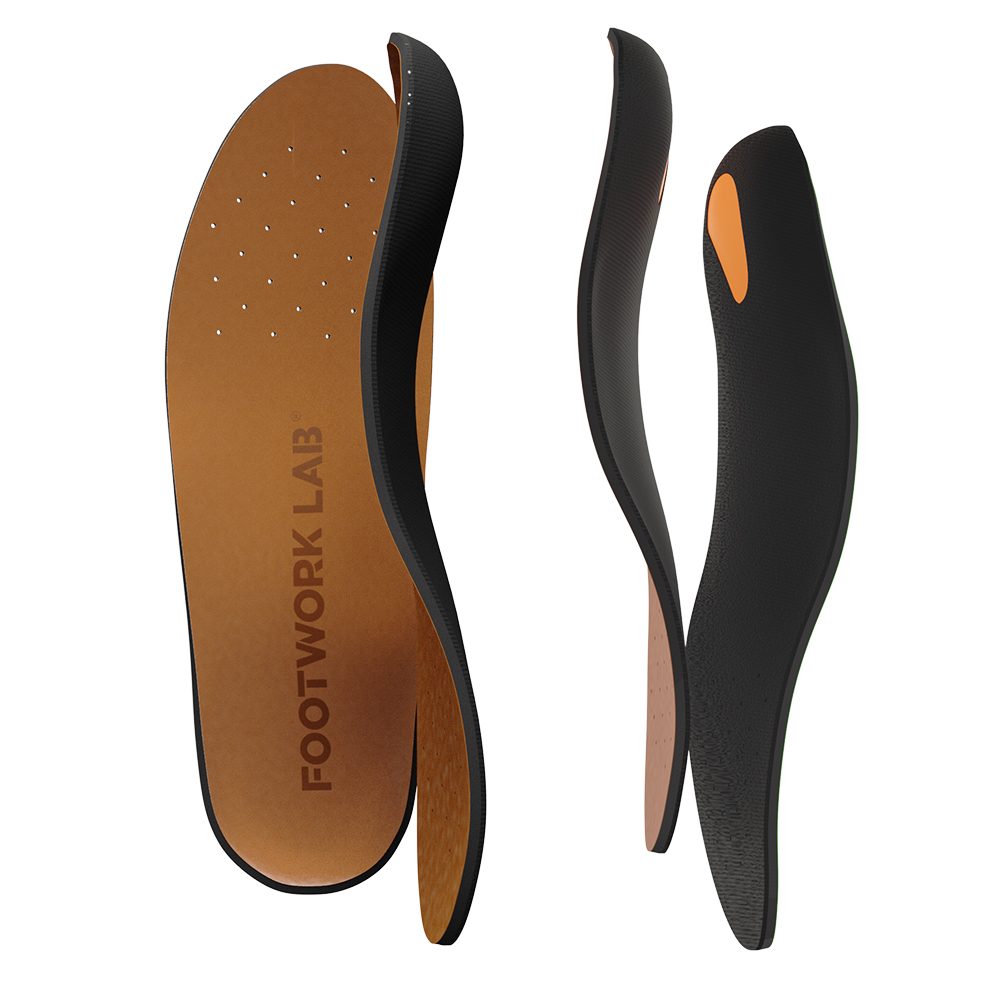
The mould library decides the size range
In heat-forming workflows, the moulds decide which sizes can be served on a given day, and the library is the real capital item. A workshop with a press and four mould sizes serves four sizes. The press is not the constraint; the shelf is.
Planning a library starts from the population, not from the catalogue. A clinic serving a mixed adult caseload needs a different distribution than a sports shop serving narrow sizes, and a children’s service needs a different library again. Buying the standard set first and discovering the gaps later is the usual sequence, and it is avoidable.
Moulds also wear and need replacing, and suppliers differ in whether a single mould or a pair is the unit. Asking this before ordering is the difference between a reorder that arrives and a reorder that arrives half right.
Materials: what to stock and what it costs to hold
Blanks come in families, and a workshop needs enough of each to cover its case mix without holding stock that ages. Most materials have a working life in storage, and a shelf bought optimistically becomes a shelf written off quietly. Two or three families cover most caseloads; the fourth is usually a specialist item ordered in.
Top covers deserve separate consideration because they drive how a pair feels and they are cheap to vary. Holding four covers and two shells gives more combinations than holding six shell types, at lower cost and with less waste. This is the most underrated decision in a small workshop.
Storage conditions are not glamorous and they matter. Heat, humidity and direct sun all shorten the working life of most forming materials. A cupboard away from a window is a specification, and it belongs in the plan.
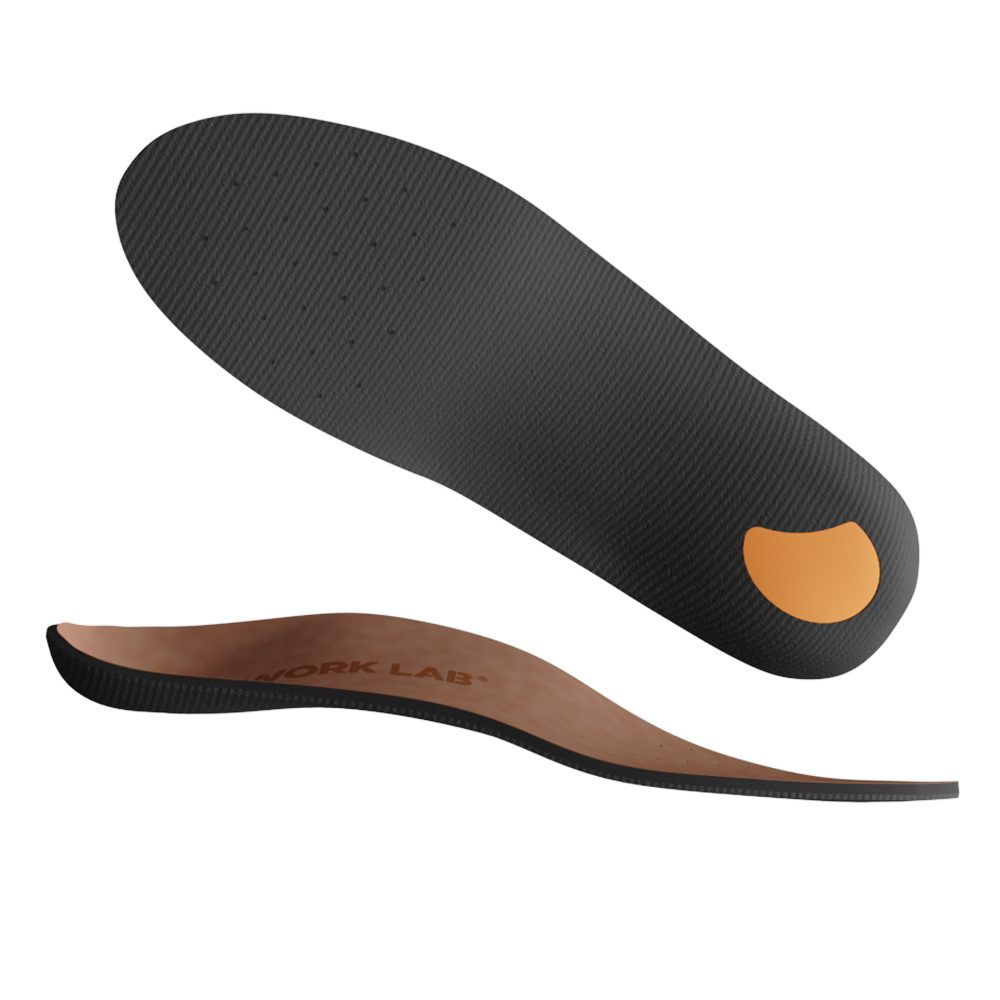
Finishing tools and the check that catches a bad pair
Finishing is where a pair becomes wearable: trimming to the shoe, smoothing the edges, checking the heel seat, confirming the device sits flat. The tools are inexpensive and numerous, and a workshop that buys the press and stops there produces pairs that are technically formed and practically unfinished.
The check is the part that gets skipped under time pressure, and it is the part that prevents the returns. A flat surface, a shoe the pair is destined for, and thirty seconds with the wearer standing in them catches most problems before they leave the room.
Recording the check is optional and useful. A note in the specification file that a pair was checked in the shoe, on the day, with the wearer present, is the difference between a complaint answered and a complaint argued.
Throughput: the number that is quoted and the one that matters
Throughput is usually quoted as pairs per hour, and it is usually measured under conditions no workshop has: an experienced operator, no interruptions, and the next blank already in hand. Real throughput is lower, and the gap is mostly changeover, not forming.
Changeover is the sum of finding the mould, setting the temperature for the next material, retrieving the blank, and writing the specification. Workshops that lay the bench out so those four things happen in one movement roughly halve it. Layout is throughput, and it costs nothing but thought.
The other half of real throughput is rework. A pair that has to be made twice costs the time of two pairs, and it is the single largest hidden cost in most workshops. The check described above is the cheapest rework reduction available.
Who runs it, and what training actually covers
Equipment shortens the work; it does not replace judgement. Training at installation covers the machine: settings, materials, safety, and the routine that keeps a bench consistent. What it cannot cover is the judgement that comes from fitting twenty pairs and seeing which ones came back.
The practical answer is to name one person who owns the bench. Workshops where everyone uses it have no consistency, because consistency is a person’s habit before it is a machine’s property. One owner, one routine, one specification format, and output stabilises within a few weeks.
Support after installation is the other half. Remote assistance resolves most questions in minutes when the engineer can see the bench, and software updates matter more than buyers expect, because a workflow improves after it has been run for a month.
The quiet costs: waste, rework and written-off stock
Three costs in a small workshop are invisible in a purchase decision and visible in a year’s accounts. The first is material waste: offcuts from trimming, blanks that were heated and not used, and a shelf of materials that passed their working life. None of it appears in the equipment price and all of it appears in the margin.
Waste is mostly a specification problem rather than a skill problem. A workshop that trims from a blank sized close to the requirement wastes less than one that trims from a standard blank every time, and the difference across a year is the cost of a decent stock of sizes. Buying material in the sizes actually used is the cheapest waste reduction available, and it requires only a look at last year’s jobs.
The second cost is rework, which is the largest of the three in most workshops. A pair that has to be made twice costs two pairs of time, two blanks, and one appointment that could have been used for something else. The causes are the ones already described: an incomplete specification, no named shoe, and a check that was skipped because the room was busy.
The third is written-off stock, and it is entirely avoidable. Materials have a working life, adhesives have a shelf life, and a cupboard near a window shortens both. A quarterly look at what is on the shelf, and a rule that new material goes behind old, removes most of this. It is a ten-minute job that nobody schedules and everybody notices the cost of.
Adding these three up before buying equipment changes the decision in a useful direction. A configuration that costs slightly more and produces less waste often costs less over a year, and the calculation is worth doing on paper first because it cannot be done afterwards. Workshops that do it tend to buy a little differently and run better for the same money.
There is also a space question that is easier to answer before delivery than after. A bench needs room for work in progress, and work in progress is larger than buyers expect: blanks waiting, pairs cooling, pairs awaiting a check, and pairs awaiting collection. A room sized for the machine alone fills up in the first month, and the overflow goes somewhere it gets damaged or lost.
Finally, a word on power and environment. Forming equipment draws more than a standard socket is rated for on a shared circuit, and a bench that trips the room’s power mid-session is a bench that loses a blank and an appointment. Checking the circuit before installation is a five-minute job that prevents a recurring one.
One more item belongs on the list, and it is the one most often discovered last: consumables. Forming work uses more than blanks. There are top covers, adhesives, trimming consumables, marking materials and replacement items for the bench itself. None are expensive individually, and a workshop that runs out of any one of them stops. A standing reorder for the four items that actually run out is worth setting up in the first month.
The related question is shelf life, which varies by material and is usually longer than buyers fear and shorter than suppliers imply. Checking the dates on delivery, and storing new stock behind old, is the whole discipline. It takes a marker pen and a habit, and it prevents the quiet annual loss that most workshops absorb without ever identifying it.
Last point, on scale. A workshop that grows past one bench does not simply double. Changeover, material flow and the finishing check all become queueing problems, and the layout that worked for one bench usually does not work for two. Planning the second bench position before buying the first is free, and it is the difference between an expansion that takes a weekend and one that takes a month.
One closing note on buying used equipment, which comes up often. A second-hand bench can be a sensible saving, and the parts that wear are the parts worth inspecting: heating elements, any moving guide, and the surface the work sits on. Consumables and moulds are usually available regardless of the machine’s age, which is the reassuring part, and support for older software is the question worth asking before committing.
What we would do next
Before ordering, list the bench services, the mould library sized to the actual caseload, two or three material families, and the finishing tools. Name the person who will own the bench. Then choose equipment sized to the room and the case mix rather than to a throughput figure quoted under ideal conditions. Our service and training page covers installation and aftercare, and a short conversation usually settles which configuration fits.
Frequently asked questions
What does a workshop need besides the machine?
A stable bench at working height, power and usually compressed air within reach, extraction if trimming on site, a sink for water cooling, cool even light for finishing, and storage away from heat and direct sun.
What limits how many pairs a workshop can produce?
Usually changeover and rework rather than forming time. Layout that puts mould, material, blank and specification within one movement roughly halves changeover; a thirty-second check in the shoe prevents most rework.
How is a mould library planned?
From the population served, not from a catalogue. A mixed adult caseload, a sports shop and a children’s service each need a different size distribution, and the library is the real capital item.
How many material families should a small workshop hold?
Two or three shells with four top covers gives more usable combinations than six shell types, at lower cost and with less waste. A fourth family is usually ordered in as needed.
What does training cover and what does it not?
Training covers settings, materials, safety and the routine that keeps a bench consistent. It cannot cover fitting judgement, which comes from running the bench and seeing which pairs come back.
What minimums and lead times apply?
One unit for machines and two hundred pairs for insoles, mixed across models and sizes. Samples ship within three days of agreement; express, air and sea freight times differ and are set out on our FAQ page.
This article is intended for professional and educational reference. It is not medical advice. Foot assessment equipment produces measurements and images; clinical interpretation and any decision about care remain the responsibility of a qualified professional. Certification scope is limited to the documentation we hold: European Union certification and ISO quality system certification.