
Equipment sits idle when nobody owns the routine. This is the most common reason a custom insole device fails to earn its place in a clinic, and it is almost never the reason given at the point of purchase. The equipment works, the training was delivered, and six months later it is switched on when someone remembers.
The pattern is consistent enough to be worth planning against. A device is bought to add a service. The service is added to whoever has a free hour. Nobody is accountable for whether it runs, and within a few months it runs when the person who championed it happens to be in the room.
We supply these devices and the workshops that build them, so we see both the enthusiastic installation and the quiet decline. What follows is what separates the practices where it works: an owner, a session length that fits the appointment book, a script, and a review that is booked before the person leaves.
Naming an owner is the whole foundation
A device with an owner runs. A device without one does not, and the difference has nothing to do with the equipment. The owner is the person who knows how long a session takes, keeps the materials in stock, notices when the bench is drifting out of adjustment, and says when the calendar is full.
Ownership also solves the consistency problem, which is otherwise unsolvable. Two people running the same bench with slightly different conventions produce slightly different output, and nobody can say why. One person running it produces output that can be compared, reviewed and improved.
The owner does not have to be the most senior person, and often should not be. What matters is that the role is named, that it appears in somebody’s job description rather than in their goodwill, and that cover is arranged for when they are away.
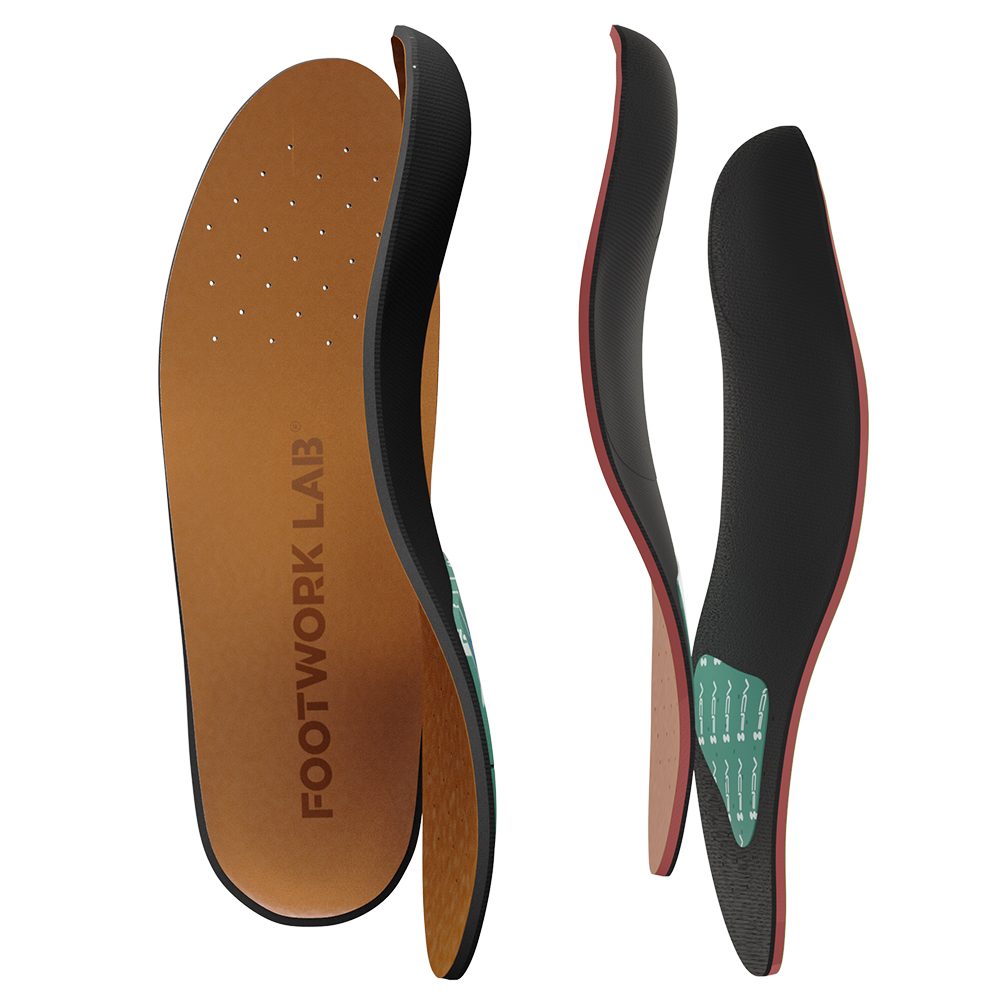
How long a session actually takes
A fitting session has four parts, and only one of them is the fitting. There is the conversation that establishes what the person needs, the capture, the specification, and the handover. Practices that budget for the capture alone discover the other three during the first week and conclude the equipment is slow.
In a well-run room the whole sequence fits inside a normal appointment, and the conversation is the part that decides whether it does. A short intake — what the person does in a day, what they wear, what has changed — takes two minutes and removes most of the back-and-forth later.
The specification is the part most likely to be squeezed, and it is the part that determines whether the second pair is right. Four minutes with a form is cheaper than a rebuild, and practices that protect those four minutes have far fewer adjustments.
The script: what is said and when
A fitting has a script whether or not one was written, and writing it improves the outcome. Three lines do most of the work. What the device is for, stated in terms of use rather than outcome. What the person should expect in the first two weeks, including that an adjustment is normal. And when the review is, with a date.
The first line is what makes the rest defensible. Saying that a device supports load distribution and alignment is accurate. Saying that it corrects something is not, and it is the sentence that becomes a problem later if the person is disappointed.
The second line is what makes the review legitimate rather than apologetic. An adjustment framed in advance is a stage of the service. One discovered afterwards is a complaint waiting to be made.
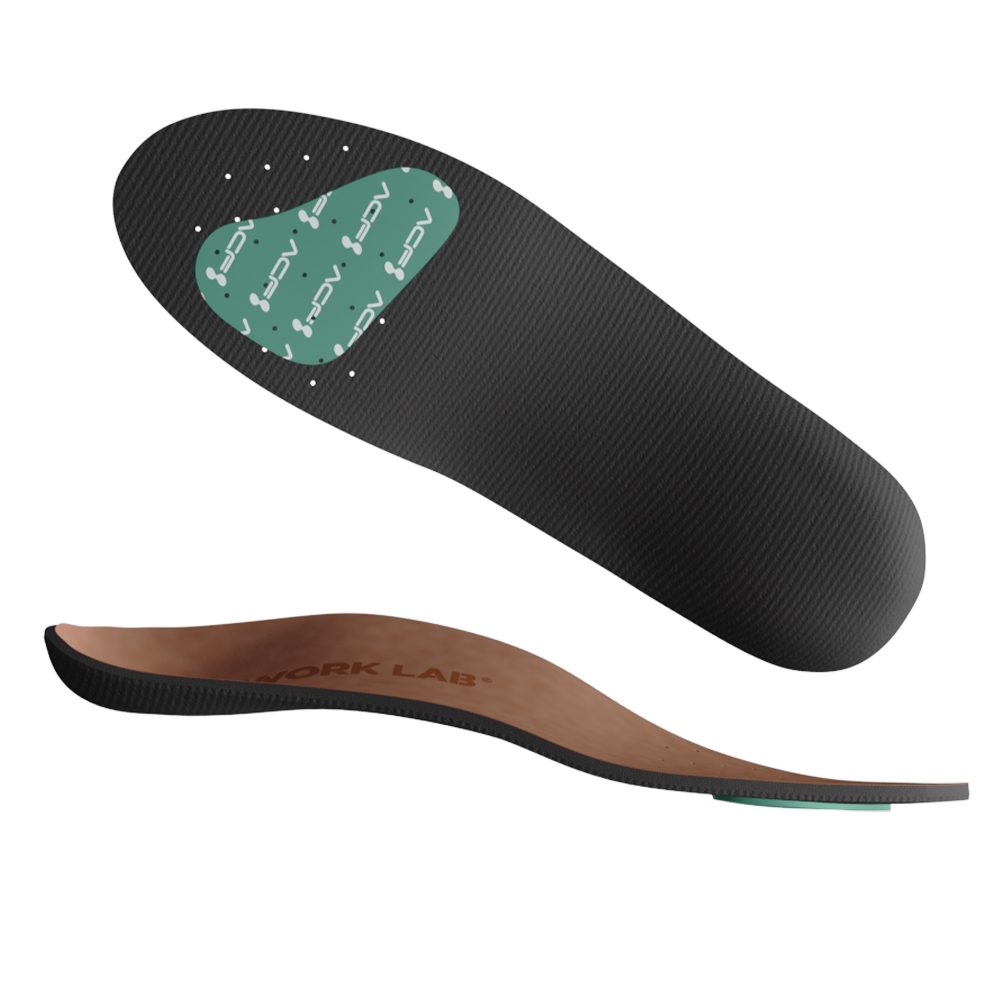
Where the device physically goes
Placement decides usage more than most practices expect. A device in a room that has to be booked is a device that gets used when the room is free. One in a corner of the main clinical space is used between appointments, which is when fittings actually happen.
The second placement question is what is within reach. Materials, the specification form, a shoe stand, and somewhere to put the person’s shoes all need to be within one movement of where the fitting happens. A room where the practitioner walks across it four times per session produces longer sessions and fewer of them.
What training covers, and what it does not
Training at installation covers settings, materials, safety and the routine that keeps a bench consistent. It is genuinely useful and it is not the whole of what the owner needs.
What it cannot cover is the judgement that comes from fitting twenty pairs and seeing which ones came back. That knowledge is built in the room, and the practices that build it fastest are the ones that review their adjustments monthly and ask which line of the specification they trace back to.
That review is the cheapest quality improvement available. Most months the answer points at the same two lines, and fixing those two lines in the form prevents most of the following month’s adjustments.
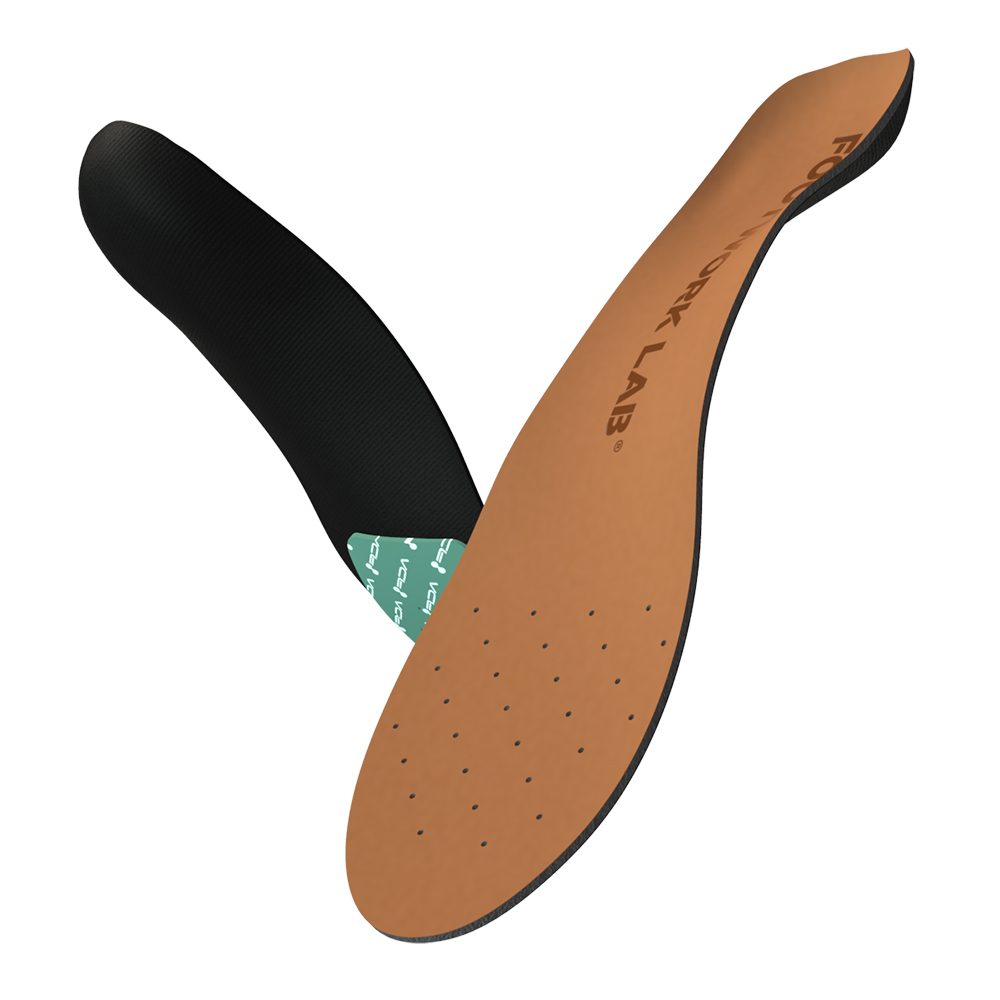
Turning a fitting into a reorder
A single-practitioner service can run on memory. A growing one cannot, and the thing that breaks first is the reorder. Twelve months later, a person returns wanting the same pair, and the file that would have made that simple was never written.
The mechanism that fixes it is unglamorous: keep the specification, record any adjustment made at the fitting on the same document, and build the reorder from the adjusted version rather than the original. The second pair is then better than the first, which is the outcome a person notices and tells others about.
It also changes the economics. A reorder built this way takes a fraction of the time of a first fitting, and the difference is margin. Over a year it is where a custom service becomes profitable rather than merely busy.
When a second device is the answer
The signal that a second device is needed is not queue length; it is that the owner’s other work is being displaced. When fittings start pushing clinical time out of the diary, the service has outgrown one bench and one person, and adding equipment without adding an owner reproduces the original problem at twice the cost.
The right sequence is therefore a second trained person first and a second device second. Practices that do it the other way round end up with two benches and no consistency, which is a more expensive version of the situation they were trying to fix.
Materials and stock: what the owner is actually accountable for
The owner’s least glamorous responsibility is stock, and it is the one that stops the service most often. A fitting cannot run without the material family the case needs, and a workshop that runs out discovers it at the appointment rather than in advance.
Two or three shell families with four cover options cover most caseloads and cost far less than a wide shell range. Holding cover variety rather than shell variety gives more usable combinations, produces less waste, and makes an adjustment a cover change rather than a rebuild.
Shelf life is the related responsibility. Materials have a working life, adhesives have a date, and a cupboard near a window shortens both. New stock behind old, checked quarterly, prevents the quiet annual loss that most workshops absorb without ever identifying it.
What the appointment book needs to contain
A fitting service fails in the diary before it fails in the room. If sessions are booked at the length of the capture, the conversation and the specification get squeezed, and the specification is what determines whether a second pair is right.
Booking the full sequence, with the review appointment booked at the same time, is the single change that most improves outcomes. It protects the four minutes of specification, and it makes the review happen, which is where a first pair becomes a programme.
It also makes the service visible. A diary with fittings and reviews in it is a service that exists; one with occasional fittings in gaps is a service that depends on who happens to be free.
What to do when the champion leaves
Most of these services start because one person cared, and most of them stall when that person goes on leave, changes role or leaves. The failure is predictable and preventable, and the prevention is documentation rather than equipment.
Three documents make a service survive a change of staff: the session protocol, the specification form, and the stock routine. Written for someone who has not seen the room before, they let a new owner take over in a week rather than a quarter.
A fourth, less obvious one is the adjustment log: a short note of which pairs were adjusted and which specification line was responsible. It is what lets a new owner improve rather than merely repeat, and it is the cheapest quality record a workshop can keep.
Two further points are worth fixing in writing. The first is what counts as a completed fitting: the pair is in the shoe, the person has stood in it, and the check is recorded. A pair handed over without the check is a pair that may come back, and the check takes thirty seconds.
The second is who signs off a specification. Where one person captures and another builds, a named person accepting the handover prevents the gap in which defaults quietly enter. It is a small piece of administration and it prevents the most common class of error.
A final point on measuring the service. Three numbers tell a practice whether it is working: how many fittings were booked, how many reviews were attended, and how many reorders followed. The first two are operational and the third is commercial, and together they say more about the health of a custom service than any equipment specification.
Practices that track them tend to find the answer is in the diary rather than in the device, and that the improvements available are usually a shorter intake, a better form, or a review that is booked rather than offered.
None of those three require new equipment, which is the point. Services that buy equipment to solve a documentation problem get faster at producing inconsistent output. Services that fix the documentation first usually find the equipment decision is then obvious.
What we would do next
Name the owner before the equipment arrives, and write the four-part session into the appointment book with realistic lengths. Write the script — use, expectation, review date — and use it every time. Keep the specification file with adjustments on it, and review those adjustments monthly. Our service and training page covers what installation includes, and a short conversation settles which configuration fits a room.
Frequently asked questions
Why does insole equipment end up unused?
Almost always because nobody owns the routine. Naming one person who is accountable for session length, stock, consistency and the diary is the single biggest predictor of whether it runs.
How long does a fitting session take?
Four parts: the intake conversation, the capture, the specification and the handover. Practices that budget only for the capture find the appointment book does not fit. The specification is the part most often squeezed and most worth protecting.
What should be said to a person at a fitting?
Three lines: what the device is for in terms of use rather than outcome, what to expect in the first two weeks including that adjustment is normal, and a review date.
Where should the device be placed?
Somewhere it can be used between appointments rather than in a room that must be booked. Materials, the form and a shoe stand should all be within one movement of where the fitting happens.
How do we make a second pair match the first?
Keep the specification, record any adjustment made at the fitting on the same document, and build the reorder from the adjusted version. The second pair is then better than the first.
When is a second device needed?
When the owner’s other work is being displaced, not merely when a queue forms. Train a second person before buying a second bench, or the consistency problem doubles.
This article is intended for professional and educational reference. It is not medical advice. Foot assessment equipment produces measurements and images; clinical interpretation and any decision about care remain the responsibility of a qualified professional. Certification scope is limited to the documentation we hold: European Union certification and ISO quality system certification.