
A sports medicine clinic does not sell objects; it sells decisions. The patient arrives with a knee, a season and a question, and the clinic’s value lies in deciding what happens next — imaging or not, loading advice or bracing, a training change or a referral. An insole enters that list as one decision among several, which is why the enquiries that reach us under the search phrase orthopaedics sport medicine rarely open with the product at all. They open with division of labour: who assesses, who fits, who reads the record, and where the insole line ends and the clinic’s own expertise begins. This article answers those enquiries in the order they actually arrive. It walks through where the insole consultation sits in a service list, what clinics ask a factory before they commit, how the four build grades map onto a real caseload, how a season’s restocking runs through a two-hundred-pair minimum, and where an insole must not overlap with bracing or imaging. It is written from the factory side, for the clinic that is weighing whether the product line belongs on its list at all.
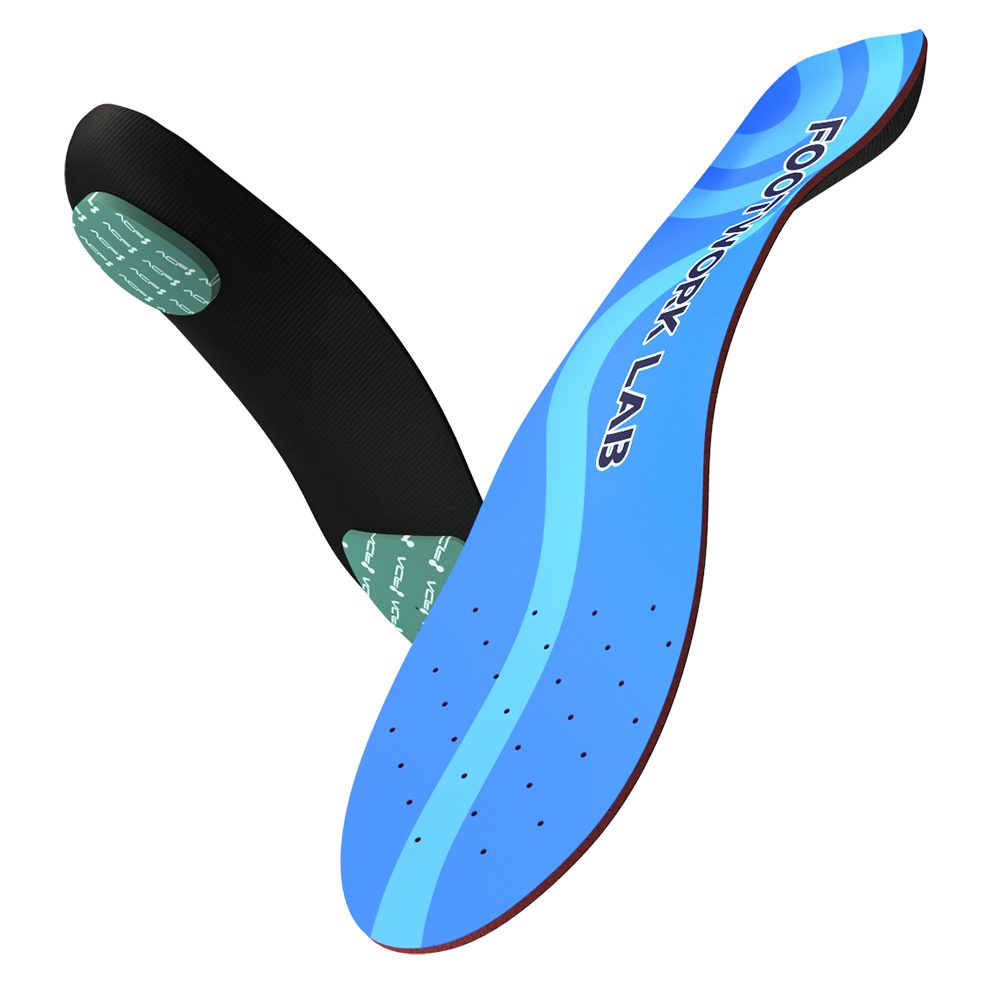
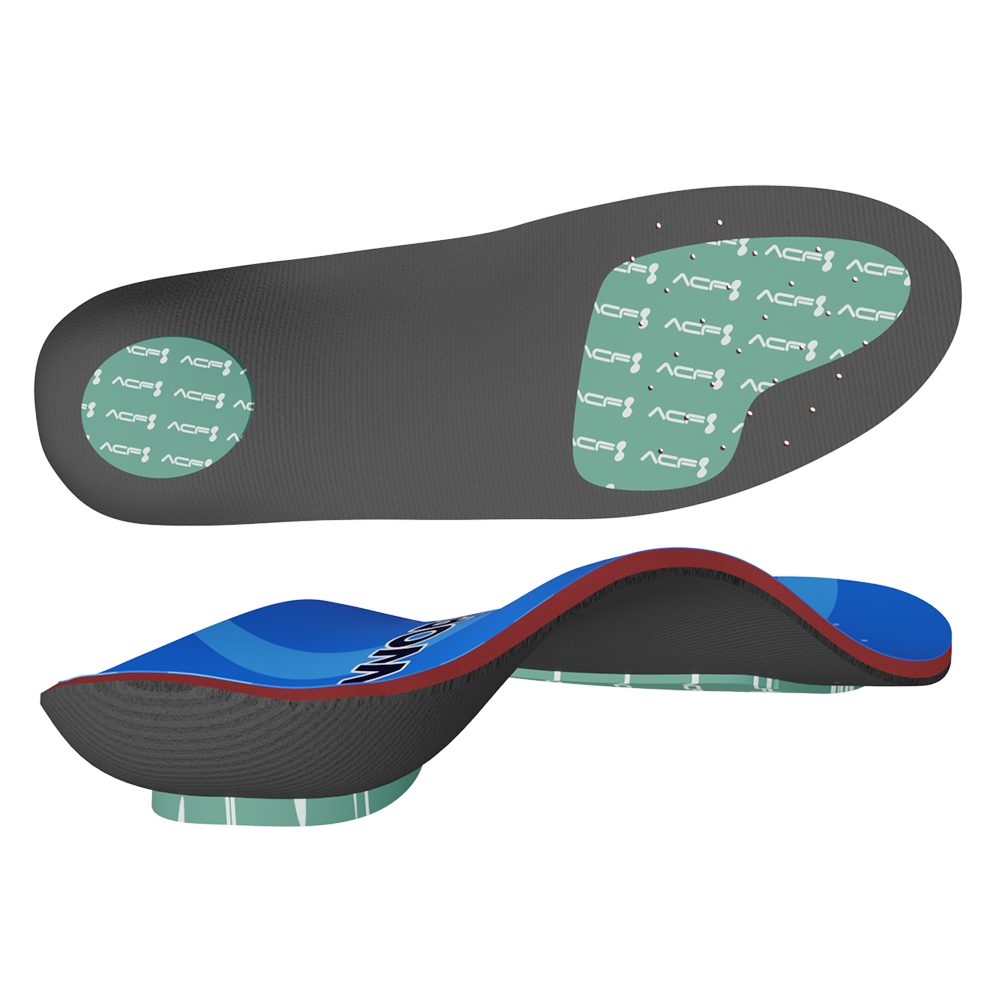
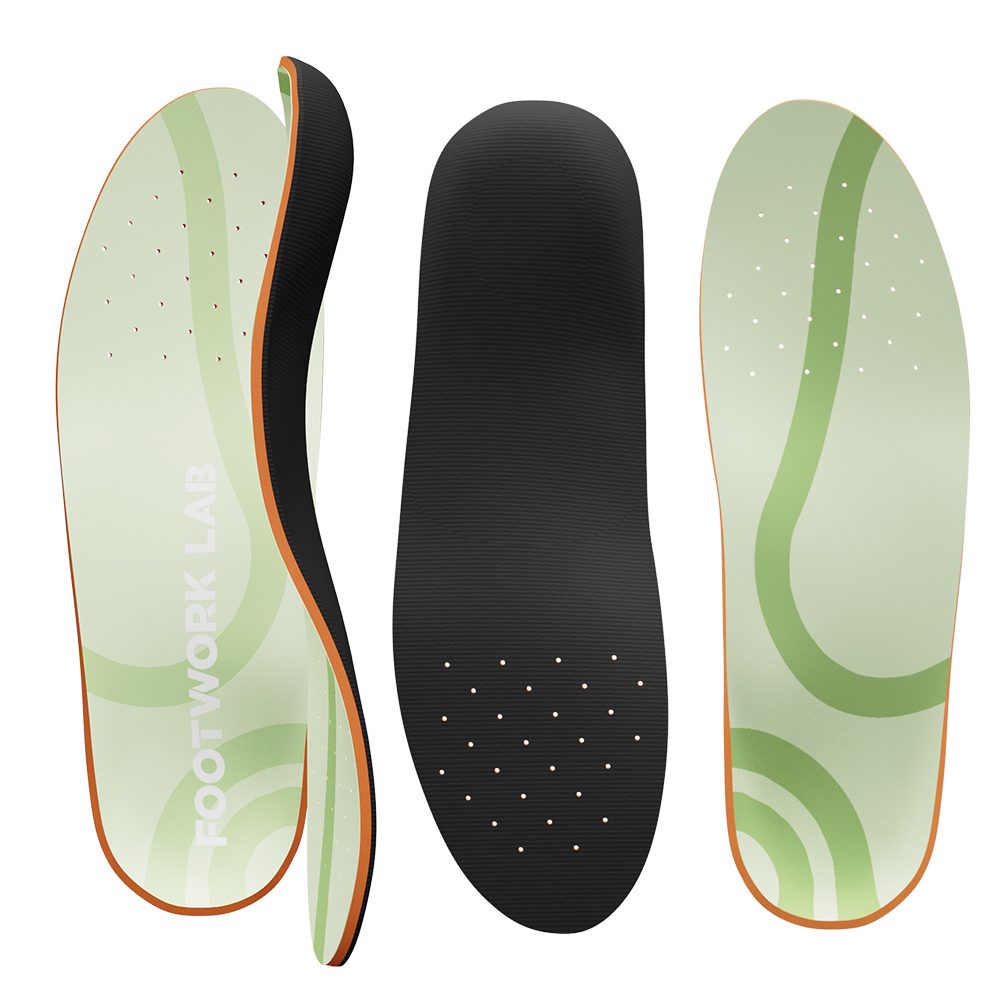
The product in question is the FX sport range: custom orthotic insoles built for specific sports — basketball, racket sports, golf, skiing, outdoor walking, skateboarding and general fitness training — assessed through the BODYFIT AI evaluation, and ordered against assessment records rather than off a shelf. What follows assumes that division of labour rather than arguing for it; the article’s job is to show what the line looks like once it is on the list.
A service list is a set of decisions, not devices
Read a good clinic’s service list closely and you will find that almost every line is a verb. Assess, image, advise, load, brace, refer, review. The devices on the list are instruments that make those decisions better informed, and the list earns patient trust precisely because each item answers a question the previous one raised. An insole line that arrives as a product rather than a decision — “we sell insoles” rather than “we decide whether load redistribution belongs in your plan” — sits awkwardly on such a list, and patients sense the awkwardness even when they cannot name it.
So the first framing question for a clinic is not which insole to stock but which decision the line represents. In the clinics we know best, the line is a decision about load: whether the way a foot meets the ground during sport is worth redistributing, alongside the other levers the clinic controls. That decision belongs to the clinician, made with an assessment record and the patient’s history in front of them. The product follows the decision; it never replaces it.
This framing also settles the discounting question that clinic owners raise with us at exhibitions — whether to promote the line the way a retailer would. Our answer is that a service list is not a shelf. The line should appear where the decision it supports appears, priced and presented as part of a plan, and it loses standing the moment it is merchandised like an accessory. Clinics that keep the line inside the consultation keep their credibility; clinics that move it to the front desk usually watch the reorder rate explain the mistake within a quarter.
There is a quieter reason the framing matters, and it shows up in staff behaviour. When the line is a decision, the junior clinician who cannot answer a patient’s question escalates it upwards, and the escalation is a consultation; when the line is a product, the same junior clinician reaches for a brochure, and the brochure answers everything, which is the problem. Clinics that write the decision into the protocol — assessed, read, specified — give their staff a path for the hard questions. Clinics that write the product in give their staff a shortcut around them.
Where the insole consultation sits in the sequence
In practice the insole decision sits late in the sequence, and its position is what makes it useful. Imaging answers structural questions. Loading advice answers behavioural ones. Bracing answers stability questions after injury. The insole line answers a distribution question — where load concentrates through the foot during the patient’s actual sport — and it draws on an assessment record of pressure, alignment and posture taken in the clinic’s own room. By the time that record exists, the clinician has usually already decided what the foot is doing and whether the rest of the plan should take account of it.
The assessment itself is short and belongs in the clinic’s normal room, not a corner built for it. The systems that produce the records — pressure distribution, footprint dimensions, lower-limb alignment images, posture — are foot assessment equipment, and their reports state plainly that the data is for reference. The clinician reads the record; the record does not read itself. Clinics that already run imaging know this discipline well, and the assessment adds a moving, weight-bearing view that still imaging does not provide.
One division matters more than the rest and deserves its own sentence in the clinic’s protocol: the insole line does not take over a case that belongs elsewhere. A patient whose presentation needs medical judgement first gets that judgement first. A patient whose plan is genuinely about load distribution during sport gets the assessment, the record and a build specified against both. The sequence is the clinic’s to set, and the factory’s to respect — which is a sentence we put in our own replies more often than buyers expect.
What clinics ask a factory before the line goes on the list
The enquiries arrive in a recognisable order, and the first question is nearly always about the record: what does the build start from? The answer is an assessment session — pressure distribution under stance and gait, arch behaviour under load, alignment images of the lower limbs — carried out on the clinic’s own equipment, read by the clinic’s own professional, and written into a specification the fitter signs. We do not prescribe builds from photographs or symptom lists, and we say so early, because a clinic that expected remote prescribing needs to hear the boundary before delivery rather than after.
The second question is who does the fitting. In most clinic arrangements the fitting is done by the clinic’s own staff — a clinician, a physiotherapist or a trained fitter — using the assessment record and our grading framework, with the heating and shaping module where the arrangement includes one. We supply the builds, the grading framework and the training; the clinical judgement stays where it belongs. Clinics that wanted a turnkey service with our staff inside their rooms hear a plain no, and most then re-plan around their own people, which is the outcome we were steering towards.
The third question is about the range itself: which sports, which builds, how the grades differ. That answer is concrete and short — the sport range covers the sports listed above, organised by the demands each sport places on the foot — but the honest part of the answer is what we cannot say. We cannot promise an outcome for any patient, and we do not write treatment plans. What we can show is the structure of the range and the reasoning a fitter applies to choose within it, which is the substance of the next section.
A fourth question arrives less often and separates serious buyers quickly: what happens when the record and the patient disagree? A patient whose record shows even distribution while reporting one-sided loading, for instance. Our answer is that the record is one input, the patient’s account is another, and the fitter weighs both; we build to the specification, and the specification is the clinic’s. Clinics like that answer, because it puts the disagreement where they already handle disagreements — in the professional’s judgement rather than in the product.
Four grades, mapped onto a real caseload
The sport range grades every build on four axes: support grade, anti-torsion grade, cushioning grade and starting-ability grade. The four axes exist because sport loads feet in different directions — a racket player stops and turns, a golfer rotates, a skier holds a boot, a runner repeats one motion — and a single “sport insole” would flatten distinctions that matter. The grades give the clinic’s fitter a vocabulary for the decision, and the vocabulary is what makes the second pair consistent with the first.
Mapping the grades onto a caseload is easiest with examples from the clinics we supply. A basketball player’s build typically leans on support and anti-torsion grades because the sport punishes side-to-side movement. A distance runner’s leans on cushioning because the load is repetitive rather than lateral. A gym member in a general programme often needs less of everything than they assume, and the fitter’s record is what keeps enthusiasm from over-speccing. The grades are ranges, not switches, and the fitter’s judgement lands the final choice within them.
What the record contributes to each mapping is the description of the foot actually doing the sport: where pressure concentrated, how the alignment images looked under load, how the arch behaved between stance and gait. Without that, the grade conversation is guesswork dressed in vocabulary. With it, the grade decisions trace back to something the patient can be shown — which matters in a clinic, where the explanation is part of the treatment conversation and the patient is a participant in it rather than an audience.
Restocking a season without overstocking a store room
The commercial rhythm of a clinic line differs from retail, and the differences are mostly about width. A clinic does not need a wall of models; it needs depth in the builds its caseload actually consumes and the ability to specify around the rest. Our order terms are built for that: the two-hundred-pair minimum can be mixed across models and sizes, so a clinic’s first order can be a working spread across the grades its fitters expect to reach for, weighted by the sports its patients actually play.
Sampling comes before that first order, and it is deliberately easy. Samples ship within three days, which lets a clinic’s fitters hold the builds, trim one at the bench, fit it into the shoes patients actually wear to appointments, and form a view of the range before any stock commitment. The sample exercise doubles as a staffing rehearsal: whoever fits the samples learns where the session slows down, and the clinic learns whether its rota survives a busy afternoon with the assessment and fitting running together.
Through a season, restocking follows the caseload rather than the calendar. Clinics that track which grades and sizes move find the pattern within a couple of months and reorder against it, mixing freely within the minimum; production capacity of five hundred to a thousand pairs a day keeps replenishment off the critical path. Delivery runs by courier in six to seven working days for smaller shipments, by air in ten to twelve days, and by sea in thirty to thirty-five days for the larger programmatic orders — which matters most to clinics planning a season-opening stock build rather than a mid-season top-up.
Where the insole must not overlap
The boundary that protects a clinic’s line is the one against bracing. After an ankle injury, the stability question comes first, and bracing answers it; an insole redistributes load and does not stabilise a joint, and a fitter who lets a patient hear otherwise has borrowed credibility the product cannot repay. Our own materials keep the two jobs separate, and the clinics we work with write the sequence into their protocols: brace the joint that needs bracing, then decide whether load redistribution belongs in the return-to-sport plan.
The second boundary is against imaging and clinical judgement itself. An insole build starts from an assessment record, but the record is a description, not a diagnosis, and the report says for reference on every page. Where a patient’s presentation needs a clinician’s interpretation, that interpretation comes first, and the insole line waits its turn or stays out of the plan entirely. We do not write treatment plans and we do not diagnose — two refusals that clinic buyers hear from us early, and that they usually end up repeating to their own teams verbatim.
The last boundary is commercial rather than clinical, and we raise it ourselves because buyers rarely do: we do not promise exclusive territories, and we do not promise any clinic a particular patient volume from adding the line. What the factory commits to is the supply side — builds to specification, samples within three days, engineers reachable through a dedicated support group, software updates delivered over the air to connected systems. The demand side belongs to the clinic and its own reputation, which is the arrangement most clinic owners, once they hear it stated plainly, prefer anyway.
Frequently asked questions
Can an insole line replace bracing after an ankle injury?
No. Bracing answers a stability question and an insole answers a load-distribution question, and they are not substitutes. After an ankle injury the bracing decision comes first, and whether load redistribution belongs in the return-to-sport plan is a separate decision the clinician makes later, on the record.
Which sports does the sport range cover?
Basketball, racket sports, golf, skiing, outdoor walking, skateboarding and general fitness training, with builds graded on four axes: support, anti-torsion, cushioning and starting ability. The fitter chooses within the grades using the assessment record and the demands of the patient’s actual sport.
What is the minimum order and can it be spread across builds?
The insole minimum is two hundred pairs, mixed freely across models and sizes. Most clinics weight the first order towards the grades and sizes their caseload already suggests, then reorder against observed movement through the season.
How do samples work for a clinic that has not committed?
Samples ship within three days. Fitters hold the builds, trim and fit them in patients’ real shoes, and rehearse the session flow before any stock decision. We recommend running the trial on ordinary working days rather than a staged afternoon, because the demo version of a workflow and the real one diverge in predictable places.
Who reads the assessment record and who decides the build?
The clinic’s own professional does both. The equipment produces measurements and images, and every report states the data is for reference. The factory supplies builds, the grading framework and training; the clinical judgement, the specification and the fitting stay inside the clinic.
How should a clinic schedule restocking?
Against the caseload, not the calendar. Track which grades and sizes move for two months, then reorder against the pattern, mixing within the two-hundred-pair minimum. Smaller shipments move by courier in six to seven working days; larger seasonal builds run by air or sea and need the longer lead times written into the plan.
What does the factory not provide?
No diagnosis, no treatment plans, no promised outcomes for patients, no exclusive territories and no volume promises. The supply commitments are concrete — builds to specification, samples within three days, a dedicated support group with our engineers, remote assistance and over-the-air updates for connected systems.
What we would do next
Put the line on paper before it goes in the room: which decision it represents on your service list, who fits, who reads, and where the boundaries with bracing and imaging sit in your protocol. Send that draft through the contact page and the reply will address your sequence rather than the brochure’s. The ranges are listed on the insole categories page, and the sport builds are described by the demands of each sport rather than by claims.
If the boundary questions are the ones you are still weighing, put them in writing before the first order — they are exactly the questions our support group answers fastest, and having the answers in your protocol from day one prevents the slow drift where the insole line quietly takes over cases that belong to bracing or to imaging.
This article is intended for professional and educational reference. It is not medical advice. Foot assessment equipment produces measurements and images; clinical interpretation and any decision about care remain the responsibility of a qualified professional. Certification scope is limited to the documentation we hold: European Union certification and ISO quality system certification.