
A facility budget is usually written on one page, and the foot line is the item that keeps falling off the bottom of it. The owner of a training facility we met at an exhibition had done everything a good budget does: racks and platforms, flooring, a recovery corner, a first-aid kit nobody had opened. When we asked where foot assessment sat, the honest answer was that it had never been a line. It arrived, when it arrived at all, as an impulse buy squeezed between a kettlebell order and a signage quote — and that is why so many assessment corners in facilities sit quiet after the first month. This article is about giving the foot line the same treatment the rack line gets: where it belongs in the budget, what the assessment slot needs in floor space and staffing, how insole stock is graded for a mixed membership, and how the reorder rhythm is set so the shelf never runs dry or silts up. It is written from the manufacturing side, after enough of these conversations to know that facilities do not fail at assessment because the equipment is wrong. They fail because the line was never budgeted as a line.
The foot line, as we describe it here, has two halves that behave differently: an assessment system that is bought once, and custom orthotic insoles that are reordered for as long as the facility runs. The F2 plantar pressure system — a fabric-sensing plate with static, dynamic and balance records, lower-limb and posture cameras, and AI-assisted report generation — covers the first half for gyms and training institutions. The FX insole range, in daily, rehab and sport series with four graded levels each, covers the second.
Where the foot line sits in a facility budget
Every facility budget has the same architecture: large one-time purchases, consumables, and services. Racks and cardio belong to the first, cleaning supplies and chalk to the second, coaching and software subscriptions to the third. The foot line straddles all three, which is exactly why it gets lost — the assessment system is a one-time purchase, the insoles are a consumable, and the assessment session itself is a service the staff deliver. Writing it as three lines instead of one is the first practical step.
The assessment line competes for the same money as a second rowing machine, and it should be argued for in those terms. A rowing machine adds capacity to a class; an assessment slot adds a product the facility cannot currently sell — a documented baseline, a retest, and a footwear conversation with something behind it. Owners who justify the purchase as capacity tend to under-use it; owners who treat it as a new product line write the staffing and session routine into the same budget cycle, and those two entries are what keep the corner busy.
Flooring and floor space belong in the conversation too, because they are already in the budget. The plate and the camera stands need a marked corner that is quiet enough for a balance record and long enough for an honest walking pass; a facility that plans the corner at budget stage gets it, and a facility that improvises it later usually finds the only free space is next to the stereo. The flooring budget can absorb the floor marks and the matting; what it cannot absorb later is a move.
Purchasing rhythm matters as much as purchasing depth. A foot line does not have to arrive in one quarter, and the facilities that adopt it most durably usually phase it: the assessment system and the corner in the first cycle, the first insole order once the records show what the membership actually loads, the deeper stock and the branded packaging once the reorder data exists. Phasing also spreads the argument across budget meetings — each cycle gets a smaller ask, backed by the evidence the previous cycle produced, which is an easier meeting to win than the one where the whole line lands at once.
One line most budgets omit and should not: the retest. A member baseline taken today is worth selling again in a quarter, and the retest slot — twenty minutes, same conditions, comparison laid side by side — is the cheapest revenue the corner produces. Facilities that budget retests as a recurring line keep their members returning on a schedule; facilities that treat retests as favours give away the very thing that proves the programme works.
What the assessment slot needs from the facility
The F2 session itself is short: shoes and socks off, a static pass on the plate, a fixed number of walking crossings, an optional balance record, and the report read back in plain language. What the facility owes the session is not equipment but conditions. A quiet corner, consistent floor marks, a written one-page routine, and two named operators briefed the same way. Every one of those is free on budget day and expensive to retrofit after the records have started drifting.
Staffing is the line item owners most often undercook. The session is run by regular floor staff after a briefing — the console carries the prompts — but the reading back is a skill, and the first month of sessions should be run alongside whoever owns the member relationship. A facility that appoints one assessment lead and one backup, and pays for their briefing time explicitly, gets comparable records from every operator. A facility that leaves it to enthusiasm gets a corner that works only when the enthusiast is on shift.
The report read-back deserves its own paragraph in the routine, because it is where the assessment converts into the rest of the foot line. The operator reads footprint length and width into a sizing conversation, the pressure distribution into how the member loads her feet in training, and the force-line findings into a description the member can repeat at home. What the operator does not do is interpret: every report carries a line stating the data is for reference, and the reading of anything that sounds clinical belongs to a qualified professional. Facilities that respect that line keep it; we have removed it for no one.
Grading the insole stock for a mixed membership
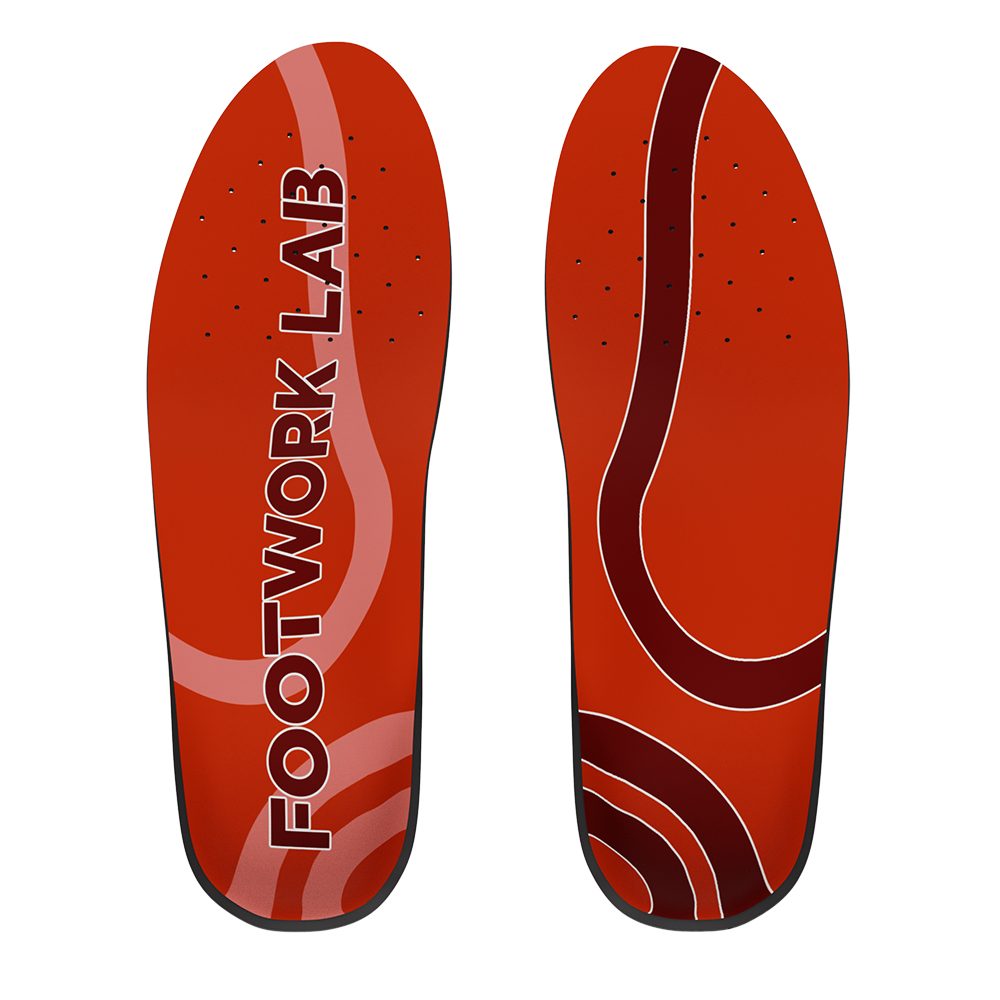
The second half of the foot line is stock, and stock in a facility means guessing a membership’s composition before it arrives. The FX range divides into three series — daily comfort for walking and long standing days, rehab care designs for the flat foot group and for pressure relief under a loaded sole, and sport builds for golf, outdoor, skate, ski, fitness, basketball and racket sport. A mixed facility rarely needs equal depth in all three; it needs the right skeleton in each.
Each series runs on the same four grades: support, anti-torsion, cushioning and starting ability. That vocabulary is what makes a small stock workable, because a facility does not stock builds — it stocks grade combinations that its assessment records point to. A gym with a running club skews toward cushioning and starting ability in the sport series; a facility next to an office district skews toward daily comfort; a rehab-adjacent studio carries the rehab designs in more depth. The assessment records, accumulated over the first quarter, are the evidence that turns the next order from a guess into a purchase.
The order mechanics are deliberately forgiving. The minimum order is two hundred pairs, mixed across styles and sizes, which is the point at which a single facility can hold a real range rather than one line in three sizes. Insole samples ship within three days, so the assessment lead can wear a build through a working week before the facility commits to a depth of stock. Insole orders accept ODM and OEM, so a facility chain with its own packaging does not have to start from a catalogue.
Pricing is the one thing we keep out of articles like this, and facility owners ask about it directly. A quotation depends on the build mix, the quantity and the destination, and the honest structure is simple: the assessment system is quoted as a machine, the insoles as a stock order with a reorder rhythm. What we do not do is bundle the two so tightly that a facility buys stock it cannot move to keep a machine it wanted. The two halves of the line should be free to breathe.
The reorder rhythm that keeps the shelf honest
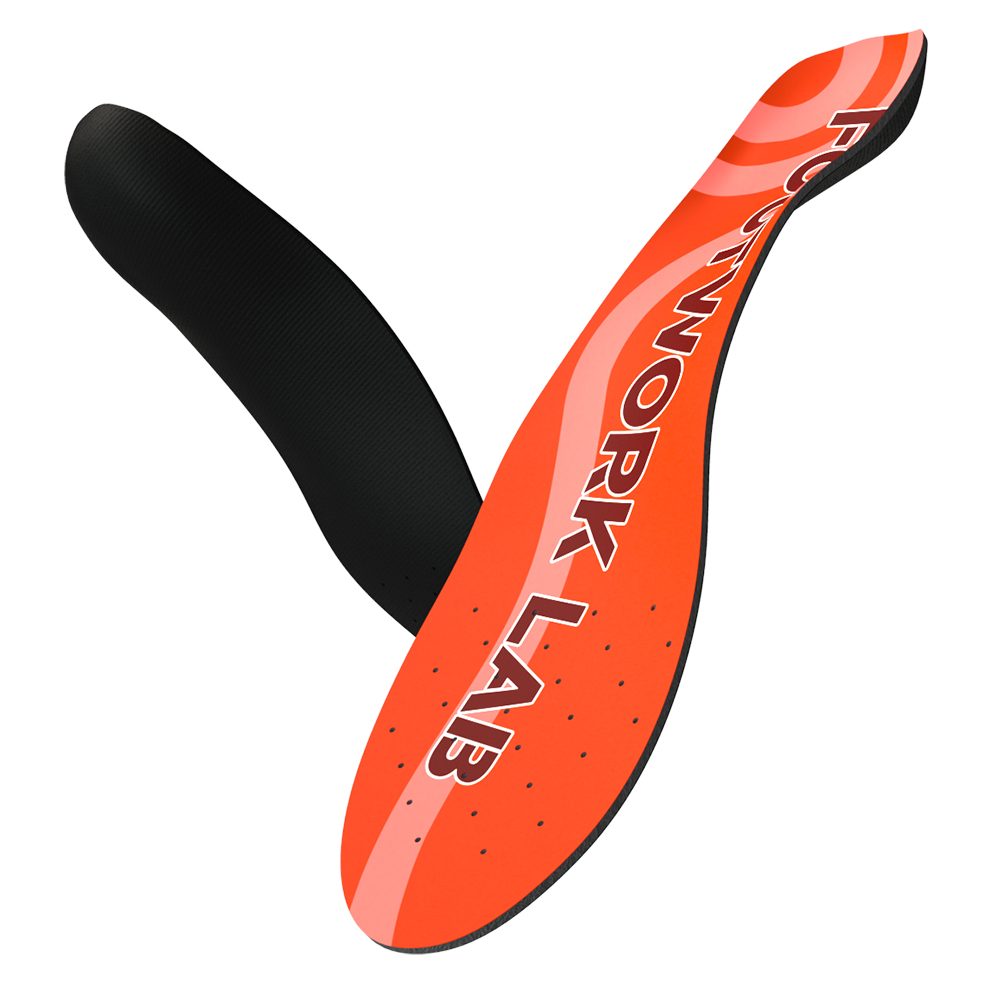
Insoles are wear items, and our guidance for daily wear is four to six months before the cushioning compresses and the cover abrades; heavy sport shortens that, and constant heat shortens it further. Those intervals are not a sales device — they are the clock the reorder rhythm runs on. A facility that sells a member a pair in March already knows roughly when that member returns, and the shelf has to be ready when she does.
The arithmetic works better on paper than in a spreadsheet panic. A facility that has sold through a style in eight weeks has learned something about its membership; the reorder should arrive before the last pairs go, because an empty hook kills the conversation the assessment started. Facilities that mark a reorder trigger at a fixed depth — reorder when a style falls to a few pairs, not when it is gone — report smoother shelves than facilities that reorder on instinct.
Staff training is the quiet fourth line in the stocking plan. Staff who have worn a build through a working week sell the range honestly, because they can describe the first-week feel, the break-in and the difference between grade combinations from their own feet. The three-day sample dispatch exists for exactly this: order samples the week the system is installed, let the assessment lead and one coach wear them, and start the shelf with a team that has already answered its own questions. The cost is a few pairs; the alternative is a shelf that only moves when the enthusiast is working.
Seasonality belongs in the rhythm as well. A ski-season facility builds depth in the sport builds before the season and trims after it; a facility with a January enrolment wave carries daily comfort into the new year. The assessment records make the seasonality visible early: if the sport series starts out-selling the daily line in the autumn records, the winter order writes itself from the file rather than from memory.
The reorder is also the natural retest point. A member returning for a fresh pair is a member whose feet have just done four to six months of work, and a retest under the same conditions shows what changed and what did not. Facilities that pair the two — retest, then reorder — turn a consumable purchase into a documented programme, and the documented programme is what the member renews.
What we tell facility buyers we do not do
The honest list starts with revenue. We do not promise a facility any walk-in rate, conversion rate or payback period from adding a foot line, and we decline to frame the assessment as a medical screening. What we can point to is what the session gives the floor: a concrete record to read from, a retest to schedule, and a footwear conversation with evidence behind it. Facilities that bought the line expecting a clinic door usually recalibrate within a month; the ones that bought it as a product line are, in our experience, still running it years later.
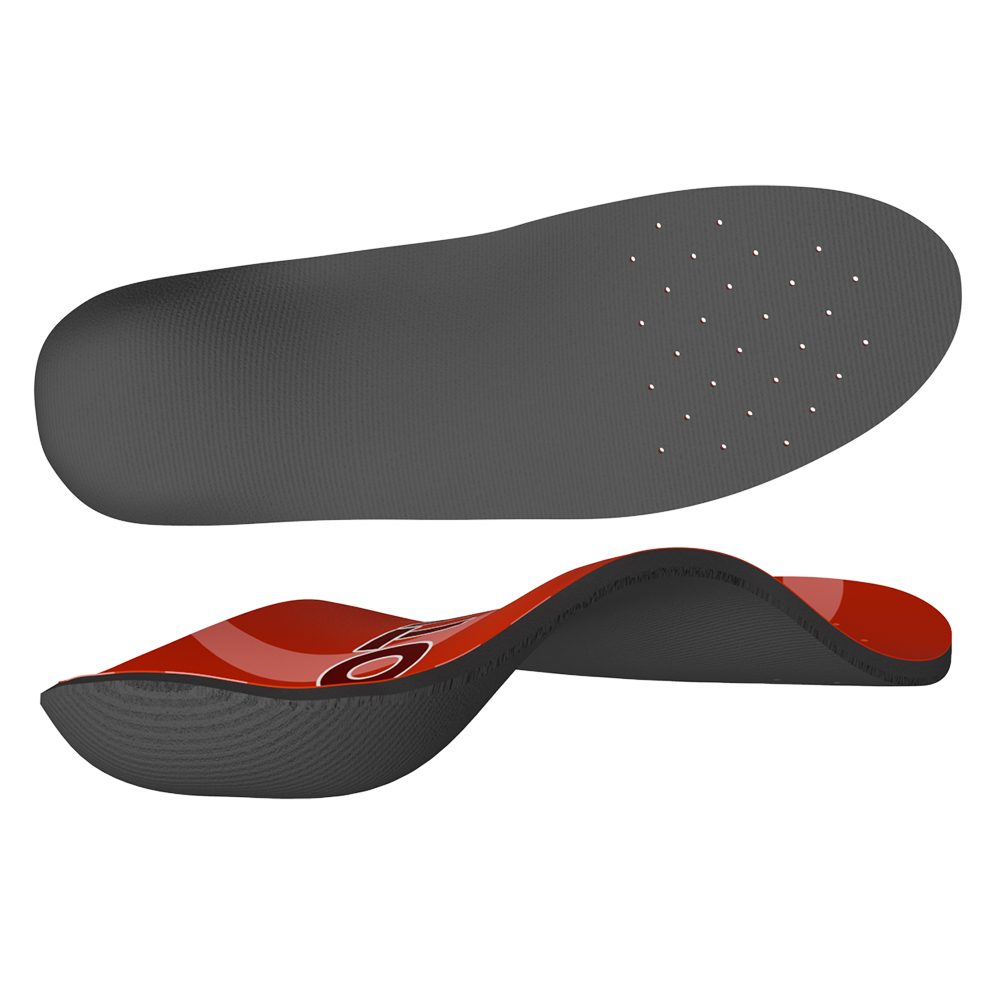
The second limit concerns the object itself. We mould insoles to a specification — the grades, the series, the construction — but the choice of build for a particular member is a judgement made in the room, from the record and the shoe, by the facility’s staff or a qualified professional. We do not write prescriptions from a distance, and the report’s reference line marks exactly where the equipment stops. On the hardware side we are equally plain: the systems record pressure, force line and posture; they do not capture surface geometry, and buyers who need a shape file are shopping in a different category.
What we can put in writing is the factory side: a one-unit machine minimum order, seven days of plant testing before dispatch, a twelve-month warranty against non-human damage with free parts, and after-sales through a dedicated WhatsApp group with engineers directly reachable, remote assistance and over-the-air updates for connected units. The foot line is a long relationship — machine once, insoles for years — and the parts of it we control are the parts worth holding to.
Frequently asked questions
How should a facility split the foot line in its budget?
Into three lines rather than one: the assessment system as a one-time purchase, the insole stock as a consumable with a reorder rhythm, and the assessment session as a staffed service. Facilities that budget the staffing and the retest slots at the same time as the hardware are the ones whose corners are still busy a year later.
How much insole stock should a first order carry?
The minimum order is two hundred pairs, mixed across styles and sizes, which is enough for a real range rather than a single line. Weight the mix toward the series the membership profile suggests — daily comfort, rehab designs or sport builds — and let the first quarter of assessment records correct the guess.
Which series suits a general fitness facility?
Usually a daily comfort core, a sport selection matched to the facility’s signature activities, and a shallow rehab depth. The four grades — support, anti-torsion, cushioning and starting ability — are the vocabulary for the choice, and the grade combination, not the member’s complaint, is what the assessment record points to.
How often does insole stock need reordering?
Our guidance for daily wear is four to six months per pair, sooner under heavy sport or constant heat. Set a reorder trigger at a fixed depth rather than at sell-out, and align the order with the seasons the membership actually trains through.
Can staff run the assessment without a clinician on the floor?
Yes, for the capture — the console guides the pass and regular briefed staff run it. The reading is the boundary: operators describe the record and read it into sizing and load conversations, while interpretation and anything clinical belong to a qualified professional, as the report’s reference line states.
Can the facility brand the insoles?
Yes. Insole orders accept ODM and OEM, so a facility or chain with its own packaging and size curve does not start from our catalogue. Samples ship within three days, so the assessment lead can wear a build before the depth of stock is decided.
What after-sales comes with the machine?
A twelve-month warranty against non-human damage with free parts, seven days of plant testing before dispatch, a dedicated WhatsApp group with engineers directly reachable, remote assistance where a connection allows, and over-the-air updates for connected units. The machine minimum order is one unit.
What we would do next
Take the one-page budget and add the three lines: the assessment system, the insole stock with its reorder trigger, and the staffed session time. Sketch the corner on the same page — plate position, camera stands, the walking approach — because floor space is the part of the foot line that cannot be retrofitted cheaply. If you want the split checked against your membership profile, send it through the contact page and we will tell you which lines look heavy and which look thin.
The insole range page lists the three FX series and the four grades in the factory’s own wording, including the order terms — the two hundred pair minimum, the three-day sample dispatch and the ODM and OEM options. The machine half of the line, the F2 system and its report items, is described on its product page in the manual’s own wording, and a second pair of eyes on the routine is one message away.
This article is intended for professional and educational reference. It is not medical advice. Foot assessment equipment produces measurements and images; clinical interpretation and any decision about care remain the responsibility of a qualified professional. Certification scope is limited to the documentation we hold: European Union certification and ISO quality system certification.