
A site supervisor arrives with two boots under one arm and a question that has already been asked on his behalf by forty men on a payroll: what can be put inside these that will still be there at the end of a shift? The question is narrower than it looks, and the narrowing is the whole point. A safety boot is a fixed envelope — a toe box whose shape was decided by a mould, an internal depth that was chosen when the boot was designed, a heel cup that sits where the last put it. Everything a custom build does, it must do inside that envelope, without adding bulk where there is no bulk to spare and without touching the protective features the boot was built and approved with. This article works through what a build can still change inside a safety boot, what it must never be asked to do, how double shifts and moisture change the arithmetic of wear, what the fitting check in the boot itself looks like, and how a crew order is structured so that the fortieth pair is as considered as the first.
The boot is a fixed envelope, and that is the design brief
Start by stating what the boot has already decided. The toe box is a shell whose geometry exists to protect, and its internal volume is whatever remains after the protection is accounted for — usually less than in a trainer of the same marked size. The internal depth is fixed by the design of the quarter and the tongue. The heel cup and the midsole platform are properties of the boot, not of anything laid inside it. A custom build does not renegotiate any of this; it works with what remains. Treating the boot as a fixed envelope is not a limitation to be apologised for — it is the design brief, and a workshop that understands it early produces pairs that go in cleanly and stay there.
The envelope varies more between boot models than buyers expect. Two boots in the same marked size can differ noticeably in internal depth and in the shape of the toe spring, and a pair made from a record alone, without the boot having been considered, is a pair being made for a foot the maker has measured inside a shoe the maker has not seen. We ask for the boot in the conversation from the first message: the model, the factory footbed if it can be photographed, and a plain answer to whether the fit is snug or generous. That single question, asked early, prevents most of the returns this category generates.
What a build can still change inside the envelope
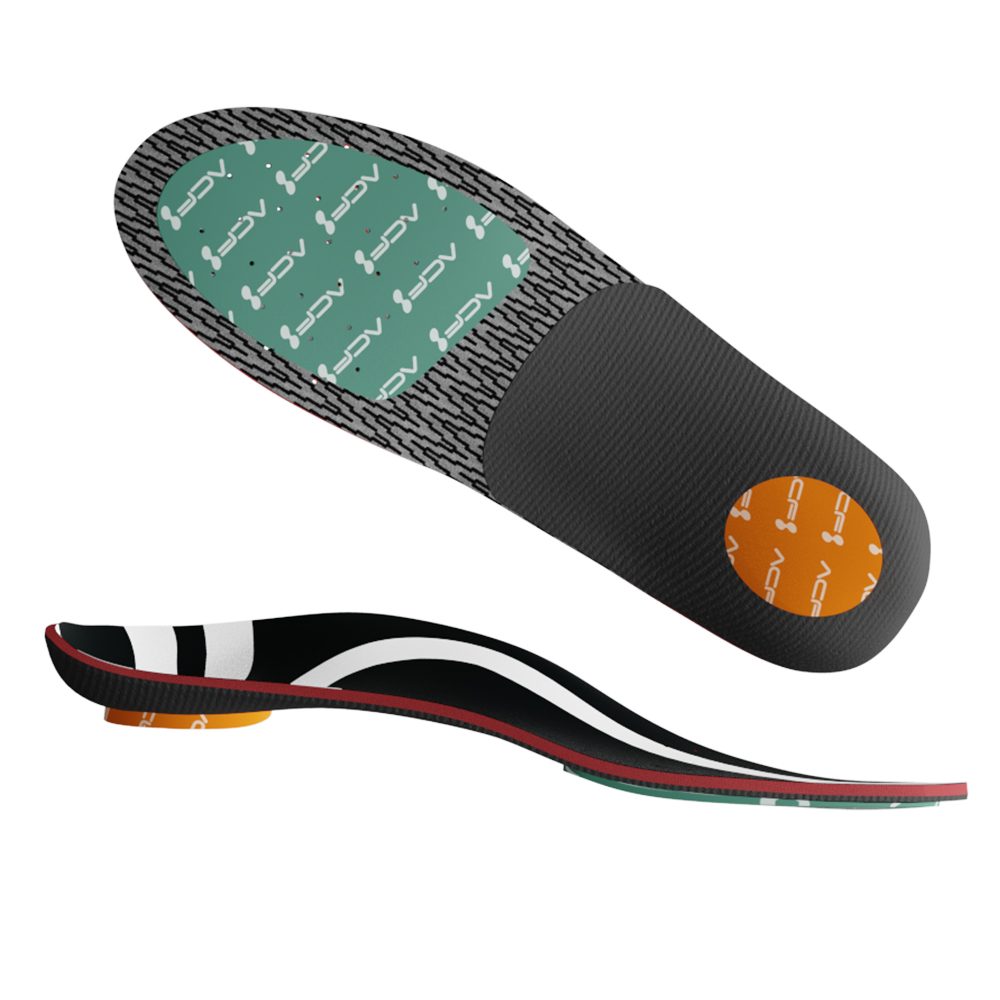
What remains changeable is more valuable than the envelope suggests. The footbed that ships with most boots is a flat, uniform sheet, and it flattens further within weeks of site work. Into that footprint a shaped build can restore contact along the arch, seat the heel so it stops wandering on the flat surface, and spread the load across the sole instead of letting it gather under the same two regions all shift long. None of that changes the boot; all of it changes how the foot experiences the boot, which is where the discomfort of a long shift actually lives.
The second change is the interface with moisture and friction. A cover chosen for a work environment manages the damp that a boot interior accumulates over ten or twelve hours, and the difference between a cover that grips the sock and one that lets the foot slide forward shows up by mid-afternoon as crowding at the toe. We treat the cover as a working component on these builds, not a cosmetic one. The third change is the smallest and the most appreciated: replacing a flattened factory sheet with a shaped one restores a little of the boot’s internal order, so the foot sits where the boot designer intended it to sit rather than where a collapsed footbed lets it settle.
What must stay untouched
Here the boundary has to be drawn without ambiguity. A safety boot carries its own approvals, assessed on the boot as it left its factory: the protective toe, the penetration resistance where fitted, the whole arrangement of materials and construction that the standard describes. An insole inserted afterwards is an addition the assessment never saw. We make no claim that a build preserves, restores or enhances any of the boot’s ratings, and we ask the same restraint of everyone who resells our pairs. The honest formulation, which we use on our own documentation, is that the pair changes how the foot sits inside the boot and nothing about what the boot was tested to do.
Two practical corollaries follow. First, a build must not be used to compensate for a boot that has failed: a cracked protective component, a collapsed platform, a torn upper are replacement matters, and no footbed is a repair. Second, bulk is spent carefully. Space taken under the heel or along the arch is space the design did not budget for, which is why a work build is typically leaner than a dress or daily build for the same foot — thinner where the envelope is tight, generous only where the boot has room. A workshop that ignores this produces pairs that lift the foot into the toe box, and the customer’s first complaint arrives within the hour, phrased as a size complaint when it is really a volume complaint.
Shifts, moisture and a footbed that works for a living
An office pair is worn in bursts between chairs; a site pair works. The differences that matter are heat, moisture and time under load. Feet swell across a long shift, so a build that felt correct at seven in the morning can feel tight by the middle of the afternoon; the fitting check should therefore be done late in a working day where possible, not in the calm of a Saturday shop. Moisture accumulates in a boot interior in a way no trainer experiences, and the drying routine becomes part of the product’s life: boots and pairs aired separately, never on a radiator, never in front of a heater, because driven heat is what ages the compounds fastest.
Rotation is the other structural difference. A crew member who works six shifts in one pair of boots and one pair of builds is asking those compounds to dry while they work, which they do badly. Two pairs alternated — one in the boots, one aired — effectively double the working life of each without doubling the cost in any meaningful sense, because wear is mostly a function of moist hours, not calendar days. We suggest rotation as a standing recommendation to distributors in this category, and the suggestion costs nothing to make and changes the reorder interval more than any difference between compounds.
Socks belong in the conversation too, because they are the layer the record never sees and the layer the foot actually feels. A thick winter sock worn with a build fitted for a thin one consumes depth the envelope did not budget, and the complaint arrives as crowding at the toe by the second hour. The fix is boring and effective: fit the pair with the sock that will actually be worn, and write the sock on the record the same way the boot model is written. Sites that issue socks as part of the kit have the easier version of this problem, because the sock is a constant; sites where every man brings his own need the question asked once, at fitting, rather than argued about at every reorder.
The replacement rhythm on a working site
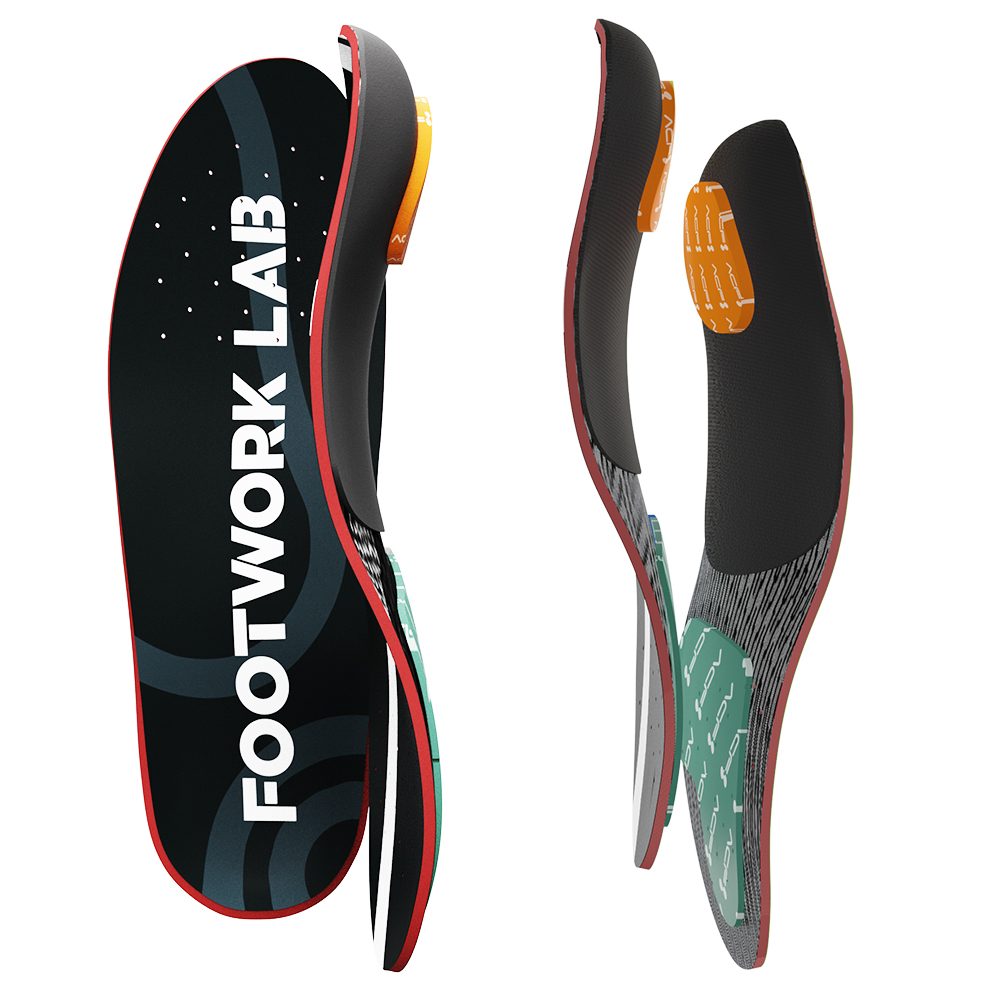
A site pair is not replaced by the calendar; it is replaced by inspection, and the inspection is simpler than people expect. The first thing to go is the cover, and it shows: smoothing and shine under the ball and the heel, then thinning, then wear-through at the edge of the arch where flex concentrates. The second is the middle layer, which announces itself as flatness — press the heel region with a thumb and compare it with the front of the same pair, or with a new pair if one is at hand. The third is the shaping layer, which rarely fails before the other two on a lean build, but which can crack at the flex line if it was made too thick for a boot that bends hard at the forefoot.
Two signals end a pair’s working life regardless of what the inspection finds. The first is the boot’s own footbed logic returning: when the foot begins sliding forward again by the end of a shift, the shaped surfaces underneath are no longer doing their routing. The second is any change in how the boot feels at the heel on uneven ground. Neither signal is subtle once a supervisor has been shown it once, which is why we encourage the person who ordered for the crew to walk the changeover with the men rather than posting a memo. A five-minute demonstration at shift change replaces a year of guesswork.
One more habit belongs in the site routine: the outgoing pair stays until the incoming one has been worn a full week. A pair thrown away the day it is replaced takes its evidence with it. Set beside its successor, a worn pair shows exactly which region carried the shift — the shine under the ball of the man who walks the scaffold all day, the crushed heel of the one who stands at a press — and that map of wear is the cheapest condition survey a site will ever get. It also settles disputes quickly: when a worker reports the new pair feels wrong in a particular spot, the old pair usually explains whether the spot was already loading heavily or is genuinely new. Sites that keep the last pair for a fortnight make better reorder decisions than sites that bin them, and the file note takes one line per man.
The two-minute fitting check in the boot itself
The fitting check happens in the boot, on the foot, and it takes about two minutes. First, the factory footbed comes out — not beside, out; stacking a shaped pair on top of a flattened sheet is the most common fitting error in this category and it consumes exactly the depth the build needed. Second, the pair goes in and the foot settles; the checker feels along the arch for contact and along the heel for seating. Third, the stand-and-load test: weight on, and any lift at the heel noted. Fourth, the toe question — room where the envelope allows it, and no sense of the foot being pushed forward. Fifth, ten steps down the corridor or across the yard, because a pair that is correct standing can be wrong walking.
Two adjustments cover most of what the check finds. If the heel lifts, the issue is usually a factory sheet left underneath or a build edge that is riding the boot’s own heel cup, and the fix is at the fit, not at the foot. If the toe feels crowded, the honest conversation is about volume, and the options are a leaner build in the same pair or a different boot — the second of which is a recommendation we are entitled to make and the customer’s supplier is entitled to resent, but it is true nonetheless. A pair cannot be thinner than its minimum and still do its job; when the envelope cannot afford even the minimum, the answer is the boot, and saying so early is cheaper than a return later.
Ordering for a crew, not a person
Crew orders succeed or fail on logistics rather than on craft. The minimum order is two hundred pairs, and the pairs can be mixed across models and sizes, which is what makes a crew order possible at all: one order, forty men, four boot models, the full run of sizes. What holds it together is the record-keeping — a line per person with their measurement record, their boot model and their size, so that the reorder is a message rather than a project. Samples can be dispatched within three days of a confirmed request, and the sensible use of that is to fit two or three representative feet on site first, confirm the envelope assumptions across the boot models actually in use, and then place the volume.
The reorder rhythm on a working site is shorter than most distributors first expect, and it should be planned rather than discovered. With rotation, a pair of daily builds on a full-shift site is typically renewed well inside the interval an office wearer would run; without rotation, faster again. None of this is a fault of the build — it is the arithmetic of moist hours under load. Distributors who quote a crew order with the reorder built into the plan keep the account; distributors who quote as if the first order were the whole relationship get a phone call at the end of the season and an awkward conversation about expectations.
Frequently asked questions
Does a custom insole change the protective rating of a safety boot?
No, and we make no such claim. The boot’s approvals were assessed on the boot as supplied; an insole added afterwards is outside that assessment. The pair changes how the foot sits inside the boot and nothing about what the boot was tested to do.
Will any build fit any safety boot?
No. Internal depth, toe box shape and heel cup geometry vary between models, sometimes noticeably within the same marked size. The boot model should be part of the conversation from the start, and a sample fitting across the models in use is worth the three days it takes.
Should the build go on top of the factory footbed?
No. The factory footbed comes out first. Stacking a shaped pair over a flattened sheet consumes the internal depth the build needs and is the most common fitting error in this category.
How often should a pair be replaced on a working site?
By inspection, not by calendar. Look for wear-through at the cover edge, flatness in the heel region, and the foot sliding forward again by the end of a shift. With rotation, expect a shorter renewal interval than an office wearer would run.
What about sweat and wet conditions?
Moisture is the main variable on a site. Air boots and pairs separately after each shift, never on a radiator or in front of a heater, and rotate between two pairs so each dries fully. Wear is mostly a function of moist hours, not calendar days.
Can the pair compensate for a boot with damaged protection?
No. A cracked protective component, a collapsed platform or a torn upper is a replacement matter. A footbed is not a repair, and offering one as such would misrepresent both the boot and the pair.
What are the ordering terms for a crew?
The minimum order for insoles is two hundred pairs, mixed across models and sizes, with samples dispatched within three days of a confirmed request. For the equipment that informs the records, the minimum order is one unit with a twelve-month warranty against non-human damage.
What we would do next
If you supply or manage a crew, do three things before the volume order: photograph the factory footbed of every boot model in use, fit samples on the two or three men whose feet and boots are most different, and write the drying and rotation routine into the site induction. The reorder will then run on rails.
The insole categories page sets out the daily family and the intents we state for it. Three articles carry the specifics: choosing insole materials for the compounds that survive site work, what to record for a repeat order for the file that makes reorders a message, and the quick screen at the door for the cheapest way to size up a crew before ordering anything.
This article is intended for professional and educational reference. It is not medical advice. Foot assessment equipment produces measurements and images; clinical interpretation and any decision about care remain the responsibility of a qualified professional. Certification scope is limited to the documentation we hold: European Union certification and ISO quality system certification.