
The mother’s question was simple: we only bought these in March, why is the pair already too small in October? The operator did not argue with the premise, because the premise was half right. The boy had grown out of the build the way he had grown out of two pairs of boots since spring. The pair was not worn out; the foot it was built to describe no longer existed. What the room did next is what experienced rooms do for junior athletes generally: a fresh capture, a look at how the old pair had worn, a new build spec, and a card in the folder with the dates written on it — when the pair was made, what the foot measured, when the next review falls. Junior athletes live on a different schedule from adults. Their feet change length and girth within a season, their body weight and training load move together, and the sport itself changes underneath them as they move between squads, surfaces and boots. A rebuild plan built for an adult fits a junior the way the March pair fit him in October. This article works through why juniors get rebuilt sooner, which triggers matter, what to record at every rebuild, and how to keep parents and coaches in the conversation.
A growing foot outruns any build plan
A custom insole is built to a description of a foot at a moment in time: the pressure record, the shape, the sport, the footwear it will sit in. For an adult, that description stays valid for a long stretch, because the foot itself stays much the same. For a junior, the description has a shelf life measured in months. Length grows, girth grows, the arch presents differently as the foot matures, and a build made in spring is quietly describing a foot that has moved on by the time the autumn season starts.
Load moves on the same schedule. Body weight rises through growth spurts, training hours climb when a youngster joins a squad or takes on a second sport, and every one of those changes alters how force arrives at the ground and distributes through the foot. The pair was built for the load the boy carried in March. The load he carries in October is not the same load, even where the foot had not grown at all.
None of this means the original build was wrong. It did its job for the foot and the season it described. Adults get rebuilt on slow clocks — our article on rebuilding a pair after a change in body weight describes the adult version of this logic. Juniors run the same logic on fast clocks, which is why the question is never whether a junior’s pair will need rebuilding, but when, and what will be recorded when it happens.
Three clocks run at once: the foot, the load, the sport
The foot clock is the obvious one, and the one parents notice first: boots replaced twice in a season, shoes that fit in the shop and pinch a month later. What the room notices is subtler — the same foot captured in spring and again in autumn presents a different outline and a different contact pattern, and neither capture is wrong. They are two honest descriptions of two different feet, taken seven months apart, and the build has to follow the newer one.
The load clock runs alongside it. A growth spurt adds body weight quickly; a new coach adds training sessions; exam season removes them. Each change shifts how force arrives at the ground. A junior who moves from one training session a week to four has changed the working conditions of the pair as thoroughly as if the foot itself had changed, and the rebuild conversation should treat it that way.
The sport clock changes the sport underneath the athlete. A youngster who switches from football to court sports has traded straight-line loads for lateral ones, and the demands on the edge of the build change with it, as our article on court sports and lateral loads describes. New boots bring a new internal volume, a new stud or sole pattern, and less room than the old ones. Three clocks, all running faster than any adult’s, and the room’s job is to watch all three rather than wait for a complaint.
The triggers that put a rebuild on the calendar
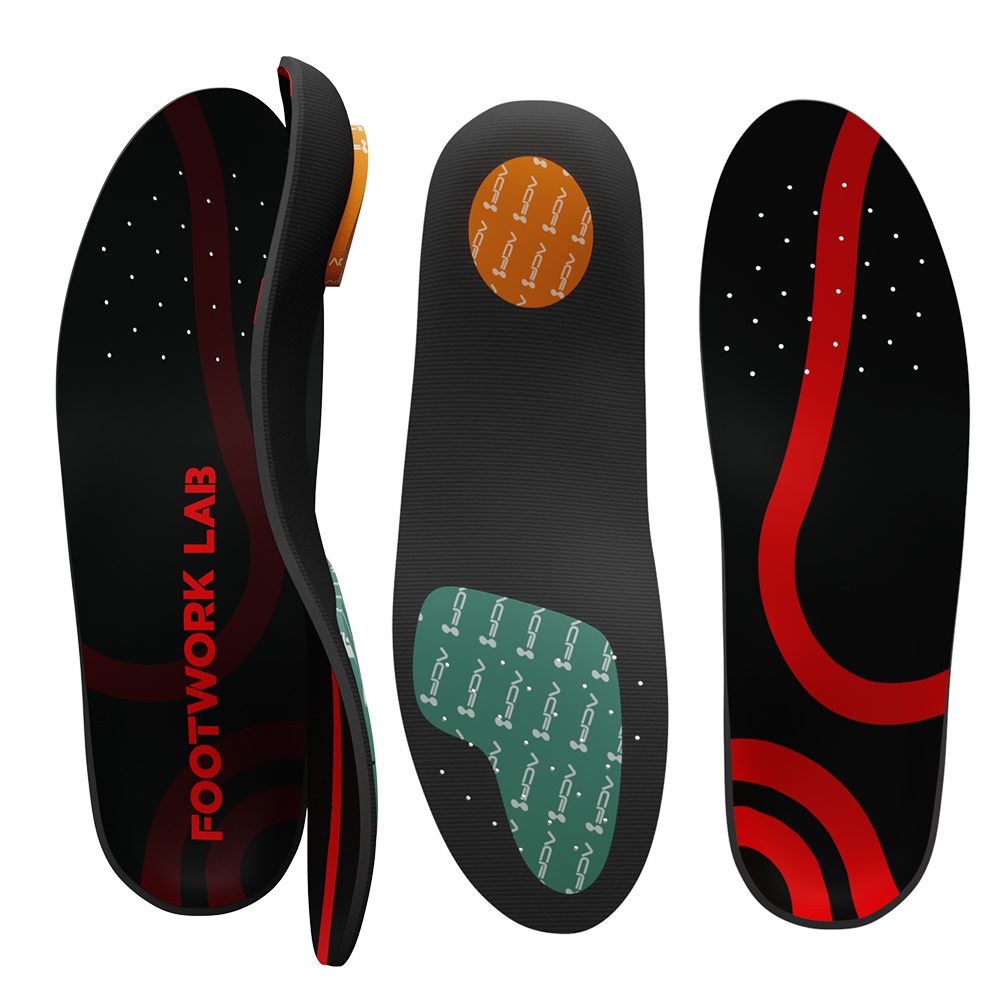
Rooms that work with junior athletes steadily converge on a short list of triggers, and it reads like the season itself: a growth spurt the parents have already noticed in trouser hems, boots replaced mid-season, a change of sport or squad, a jump in body weight, a complaint that had gone quiet coming back, and the start of a new season, when training load steps up. Any one of these is enough to book a re-capture and a fresh look at the current pair.
The practical tool is a card, one per junior, and it carries the dates rather than guesses: pair built, foot measured, capture taken, sport and boots at the time, next review date. The card turns the rebuild from a reaction into an appointment. When the mother asks in October why the pair is small, the answer is on the card, and so is the date the room already expected to see her.
What the operator says matters as much as what the card says. The sentence that works is: nothing went wrong — the foot moved on, and that is exactly what we planned for. Parents hear “the pair failed” when a rebuild is mentioned without context, and they hear “the room knows what it is doing” when the review date was written down in March. The card is the room’s credibility, in writing, for every fast-moving junior on the books.
What to record at every rebuild
Every rebuild starts from the same inputs, taken fresh. A new pressure record, captured under the same conditions as the previous one, because comparisons only hold when the conditions match. Photographs of the old pair, top and bottom, before it leaves the shoes — the wear pattern is a record of the season the pair just worked through. The current boots, the current sport and weekly hours, and the complaint, if there is one, in the youngster’s own words rather than the parent’s summary.
Each junior keeps a folder, dated, and the folder is what makes the rebuild defensible. When the new pair goes in and something still feels wrong, the comparison that matters is against the record and the spec the old pair was built from, not against memory. Rooms that keep dated folders can answer the question what changed with evidence. Rooms that rely on memory answer it with an opinion, and opinions travel badly between a parent, a coach and a professional.
The build spec that comes out of all this is a translation exercise, and our article on turning the customer’s own words into a build spec describes the middle of that process. What the factory receives is the spec plus the record; what the room keeps is everything around them. That everything is what makes the next rebuild faster, the season after this one, when the foot has moved on again.
How the rebuild is made, and how fast it can move
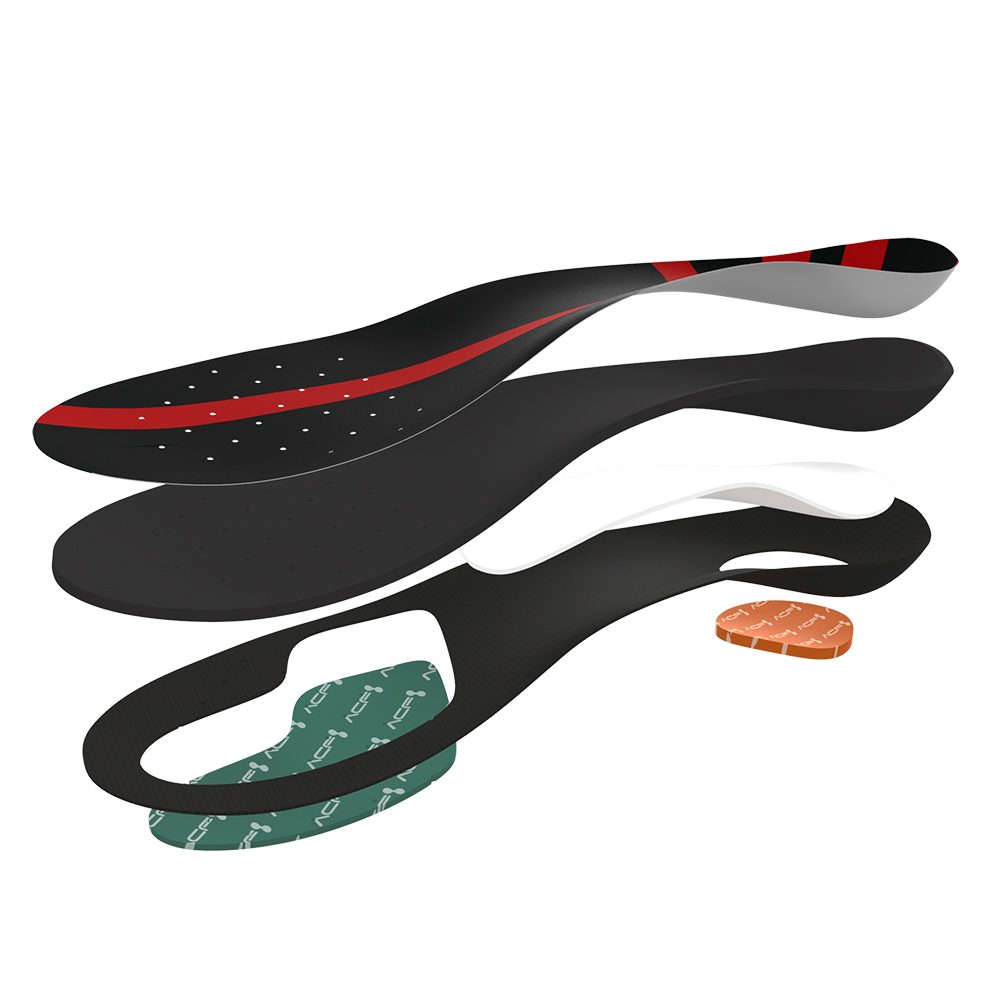
On the factory side, a rebuild is a build like any other: it starts from the updated record and the spec the room sends, and it goes through the same production steps as a first pair. What changes for a junior program is the tempo, and the tempo is manageable. Once a build spec is confirmed, a sample pair ships within three days, so a room can verify fit and feel on the athlete before committing the rest of the order.
For clubs and squads ordering at volume, the commercial shape is straightforward. Our insole order minimum is 200 pairs per order, and models and sizes can be mixed within that order — which is what a junior program actually needs, because a squad of growing athletes spans a wide range in both. Production at our plant runs at several hundred to a thousand pairs a day, so a season-start batch and a mid-season top-up both fit the calendar. We build insoles both to our own designs and to a customer’s spec, and private-label programmes for rooms that want their own brand on the product are routine; our article on private label insoles covers packaging and labelling.
The point of all this for the room is scheduling freedom. Junior rebuilds do not arrive on a tidy annual cycle; they arrive when the triggers fire, in ones and twos, mid-season. A supply arrangement that mixes sizes and models inside one order, with a fast sample step in front of every batch, turns those mid-season rebuilds from a logistics problem into a routine entry on the card.
What a rebuilt pair cannot be read as
A rebuilt pair is built to a spec, and the spec comes from measurements plus the professional’s judgement. What it is not is a promise of an outcome. The equipment in the room produces measurements and images; it does not diagnose, and neither do we. Where a junior has an ongoing condition, the decisions about care belong to a qualified professional, and the insole gets built to whatever that professional specifies — including the posting decisions, which our article on what a wedge under the heel or forefoot actually does explains from the build side.
This framing matters more with juniors than with adults, because parents arrive with hopes attached. The conversation that works is plain: we measure, the professional decides, we build to the decision, and the review dates on the card are how everyone checks whether the plan is working. Nothing in that chain is a claim, and nothing in it needs to be. The measurement record and the dated folder do the persuading.
It also matters for what the room promises the club. A rebuilt pair supports the athlete’s season; it does not promise availability for any particular match, and a coach who is told so plainly at the start is an ally for years. The honest sentence — we build to the record and the spec, and we review on dates — is the same one we give buyers at exhibitions, and it has outlasted every smoother version we have heard.
Parents, coaches and the two-week check
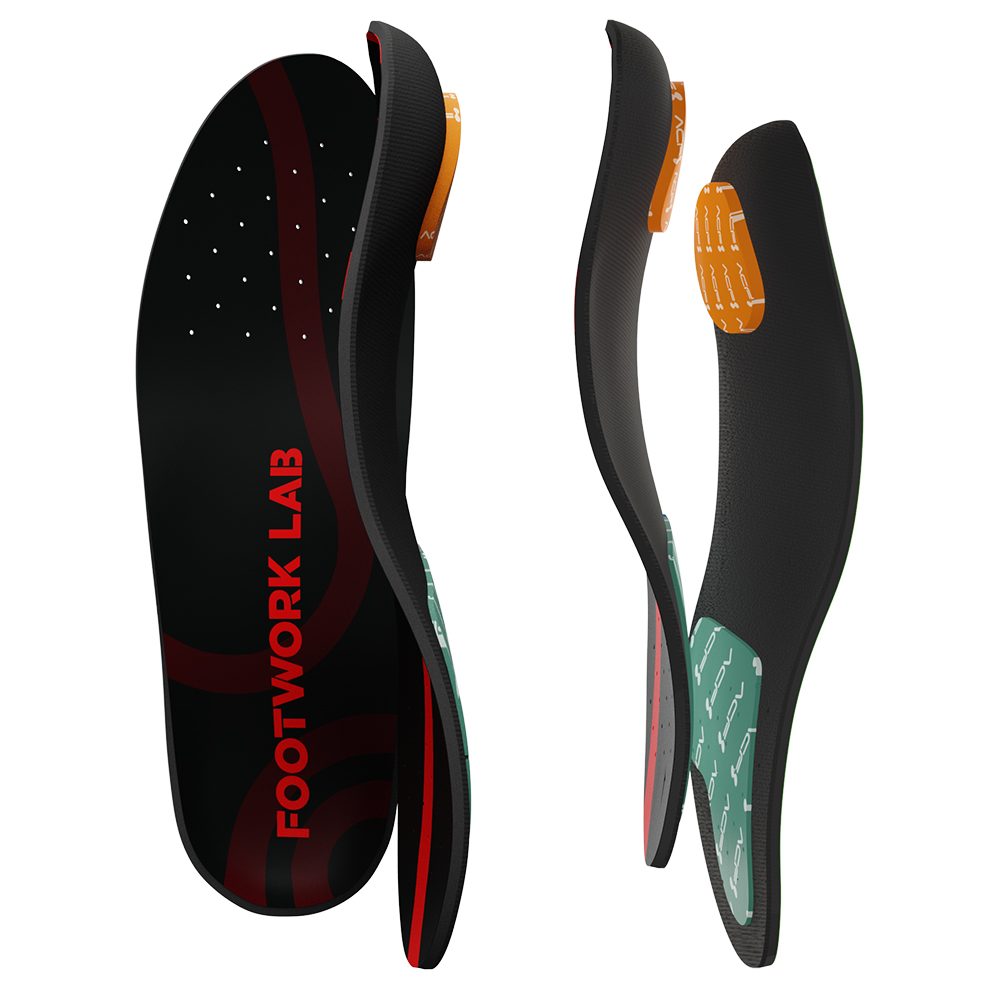
The rebuild conversation with parents has three parts, and it takes two minutes. What changed: the foot grew, the load rose, or the sport moved on. What we did: fresh capture, new spec, new pair, dates on the card. What to watch: the first two weeks, which is where fit problems and adjustments show up. Parents who are taken through those three parts stop treating the rebuild as a fault report and start treating it as maintenance, which is what it is.
The two-week check deserves its own discipline, because a youngster will often say nothing hurts until asked directly, and coaches hear even less. Our article on what a customer should be asked to report in the first two weeks gives the question list; for a junior, the questions go to both the athlete and the parent, and the answers get written on the card. Silence at the two-week mark is a result, and it is recorded as one.
For returning athletes — a junior coming back after an injury layoff — the rebuild conversation widens, and our article on what a gait record can and cannot support in a return to sport draws that line. The room measures and records; the professional and the medical side decide the plan; the pair gets built to the spec that results. The card, the folder and the dates are what let everyone in that chain — parent, coach, professional, factory — work from the same facts instead of the same hopes.
Frequently asked questions
How often does a junior athlete’s pair need rebuilding?
There is no fixed interval. The triggers are growth, a change in body weight or training load, a change of sport or boots, and any complaint coming back. Most rooms review a junior at every season change and rebuild when the fresh capture and the fit of the current pair say the description has moved on.
Can I order a mixed batch of insoles for a junior squad?
Yes. The minimum order is 200 pairs, and models and sizes can be mixed within that order, which suits a junior programme where a single squad spans a wide range. Ask us to confirm the mix before production so the batch covers every athlete on the roster.
How fast can a sample pair be produced and shipped?
Once the build spec is confirmed, a sample pair ships within three days. The sample step exists so the room can verify fit and feel on the athlete before the rest of the batch is produced, and it is the step we recommend for every rebuild rather than only the first order.
Do you offer OEM or ODM for insoles?
Both. ODM means we build to our own designs; OEM means we build to your spec, including private-label packaging and labelling. Many partner rooms run the rebuild programme under their own brand, with production and repeat orders handled on our side.
Will an insole fix my child’s feet?
That is not a promise we make, and a responsible room will not make it either. The equipment measures; it does not diagnose. A custom pair is built to the spec a qualified professional sets, and whether the plan is working is checked at the review dates written on the card, not assumed at delivery.
What should we send with a rebuild order?
The updated pressure record captured under the same conditions as before, photographs of the worn pair top and bottom, the current boots and sport, weekly training hours, the complaint in the athlete’s own words, and the previous build spec if it is on file. That set lets production rebuild against the season the pair just worked through.
What support do we get after delivery?
Every partner gets a dedicated after-sales group on WhatsApp and remote assistance for fitting and adjustment questions, so a mid-season rebuild does not wait on email. Questions that come up repeatedly are answered on our FAQ page, and production-side issues are handled directly by the factory, not an intermediary.
What we would do next
Put the card into practice this month: one per junior on the books, with the build date, the measurement date, the sport and boots, and the next review date written on it. Book the season-change reviews now rather than waiting for the phone call in October. Our article on rebuilding after a change in body weight covers the adult version of the same logic, and the insole categories page shows the sport builds we produce for exactly this kind of programme. If you are setting up a junior squad programme and want to talk through order structure and sample logistics, write to us — we are the factory, and the conversation goes straight to production.
This article is intended for professional and educational reference. It is not medical advice. Foot assessment equipment produces measurements and images; clinical interpretation and any decision about care remain the responsibility of a qualified professional. Certification scope is limited to the documentation we hold: European Union certification and ISO quality system certification.