
Six leads in one hand, a spaniel circling the legs that hold them, and the pavement still wet from last night’s rain: the dog walker’s day starts before the shops open. By mid-morning she has walked the same streets four times, waited at every corner while somebody sniffed a lamppost, braced twice when a terrier saw a cat, and stood in the park for ten minutes doing nothing except holding a slack leash and watching. Her feet did all of it. The job title says walking, but the walking is only half the story, and the half nobody bills for — the standing, the braking, the sudden pulls — is the half that walks into a clinic complaining at the end of the week.
For the clinics, physiotherapy practices and footwear professionals who meet people like her, professional dog walkers are a genuinely interesting population, because the job bundles three load profiles into one morning: distance walking on hard, often cambered surfaces; repeated sudden horizontal forces when animals decide things; and long static stints on cold kerbs while the client organism sniffs. Everything below is about reading that bundle properly: what the pavement contributes, what the leash contributes, what the shoes actually get used, and where a build can realistically live — and which questions separate a complaint about the job from a complaint about one dog.
The walking that footwear never gets told about
Ask a commuter how they walk and the answer is a rhythm: same pace, same route, same shoes, point to point. Ask a dog walker and the honest answer is that the pace belongs to somebody else. A walk with six dogs is a sequence of decisions made by animals — this bush, that gate, the other dog across the road — and the human body follows each decision at whatever speed it arrives. Twenty strides at a brisk clip, a full stop, weight parked on one leg while a beagle inspects a drain, then a lurch forward when the pack moves on. The gait cycle never settles into the steady, rehearsed pattern that most footwear, and most generic footbeds, are tuned around.
This matters for assessment because the client will describe the job as “walking”, and walking sounds benign. Nobody frames eight kilometres of stop-start animal-led movement as demanding, including the walker herself. The distance gets counted — many of them can quote a daily figure from a phone app — but the character of the movement does not. Character is what you need: the frequency of full stops, the share of the distance at speed, the number of direction changes forced by leads tangling or dogs crossing paths.
A practical first step, tomorrow morning, no equipment needed: ask the client to narrate a typical ten minutes of a walk, out loud, as a sequence. Not the route — the movement. Most dog walkers produce the pattern within a minute: forward, stop, forward, turn, brace, stop. Write the sequence into the record. It does more to explain the load profile than any distance figure, and it gives you a reference for the follow-up visit: if the story changes after intervention, the sequence tells you where to look.
Sudden pulls and sudden stops
The leash is the part of the job the shoes never see coming. A dog lunges, and the handler’s job is to not travel with it: the arm and trunk absorb, the legs anchor, and the whole event lands through the feet in a fraction of a second. Different dogs brake differently. A puller drags forward for metres at a time, loading the handler’s forefoot in a sustained lean; a startled dog produces one sharp event, an impact with stopping rather than rolling. Multiply by a pack, by a shift, by a week, and the feet have absorbed hundreds of small horizontal surprises that no commute contains.
Between the events sits the other signature: standing. Waiting at crossings. Holding position while a nervous dog regroups. Ten minutes in the park while the animals settle. The standing happens on hard pavement, in whatever the weather is doing, often on one leg more than the other as the leash hand and the body organise themselves around the pack. By now anyone who works with standing professions recognises the shape of the complaint: heavy heels, calves that feel full by mid-afternoon, weight hunting for a position the kerb never grants.
The two signatures have different timing, and timing is the cheapest diagnostic question in this population. Ask when the discomfort arrives: during the walking, or afterwards when she finally sits down? An ache that builds across the standing stints tells one story; forefoot soreness that tracks the pulls and the fast segments tells another; the ambiguous middle — arch cramping with unclear timing — deserves a proper record before anyone reaches conclusions. The measurement produces the map; the interpretation of that map belongs to the qualified professional in the room, and our role ends at the measurement.
One more thing worth writing down: which dog causes the events. Walkers always know. The puller, the reactive one, the puppy with no manners — the name attached to the worst ten minutes of the day is information, because a change in the pack changes the load profile, and that belongs in the case notes next to everything measured.
The surfaces under twelve paws
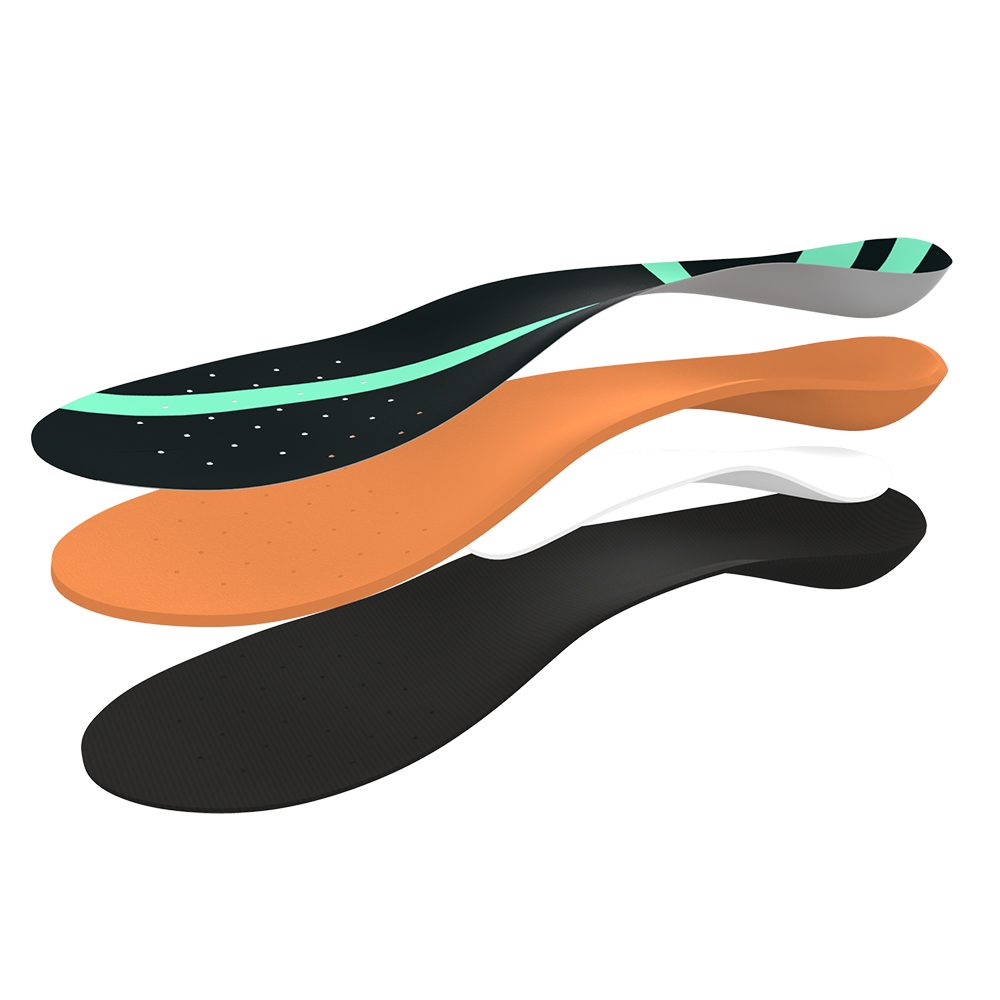
Pavement is not one surface. It has a camber, usually falling toward the gutter, and a walker who keeps to the same side of the same streets — most of them do, because the route is a habit — spends the morning with both feet on a slight and constant tilt. Repeat that tilt across a working week and it becomes part of the load distribution, quietly, in the same direction every day. Ask which side of the street the client walks, and you will often get a pause followed by an answer that surprises her; the habit is real but invisible to the person living in it.
Then the route leaves the pavement. Kerbs add a small step up and a small step down, repeated dozens of times, each one a loaded event on a tired foot. Grass verges and parks switch the surface to something uneven and softer, where the ankle does the stabilising the shoe no longer does. Gravel paths, mud after rain, wet leaves in autumn — each asks for grip and each changes which part of the foot leads. A walker with a mixed route can cross four or five surfaces before the first client is home, and the same surfaces do not repeat for an office worker in an entire year.
Rain rewrites the whole day. Wet pavement changes grip; soaked boots change how the foot sits inside the shoe; a walker who gets caught out works harder at every step to stay upright, and that effort concentrates where you would expect. The follow-on question for the intake is simple and earns its place: which surface was under you when the complaint started? Professionals who ask it in other trades report the same experience — the client can almost always answer, and the answer organises the rest of the assessment faster than anything measured.
Have the client describe the route as surfaces rather than streets: kerbs to the park, grass through the middle, gravel on the way back. Two minutes of narration, written into the notes. It becomes the shared vocabulary for the whole case — “the gravel stretch” means something to both of you from then on.
The shoes the walker actually wears
Professional dog walkers almost never own one pair of work shoes, and the reasons are sensible. Weather decides the pair: waterproof boots for the wet days, old trainers for the dry ones, something grippier when the route includes mud. Budget decides more of it than anyone admits — shoes that meet animals, puddles and mud wear out fast, so the job is done in footwear chosen for price and drying speed rather than for how the foot finishes the day. The consequence lands in your clinic weeks later: shoes that look serviceable and behave like shoes past their working life.
Midsoles go first, and they go quietly. A trainer can look clean and intact while its cushioning has stopped returning anything, because the failure is inside the material where nobody checks. Teach the fold test and use it in the room: press a thumb into the midsole under the heel and under the forefoot, and ask how much comes back. Then line the rotation up on the bench — all of it, including the pair kept in the van for emergencies — and ask how many walks each pair carries per week. The arithmetic usually explains more than the complaint does.
Fit is the other quiet issue. Walkers size up for thick socks, for swelling across a long shift, for room to move; a loose shoe lets the foot slide inside it on every braking event, and sliding inside the shoe is its own small injury repeated hundreds of times. Check whether the heel holds when the client mimics a leash lunge right there in your room — one step forward, one hard stop. If the heel lifts out of the shoe in your clinic, it lifts out of the shoe on the street, ten times a walk.
All of this belongs in the record before any discussion of a build. A shoe inventory with ages, weekly miles and weather roles takes three minutes to collect, and it decides more about the outcome than any single measurement taken without it.
Where a build can realistically live
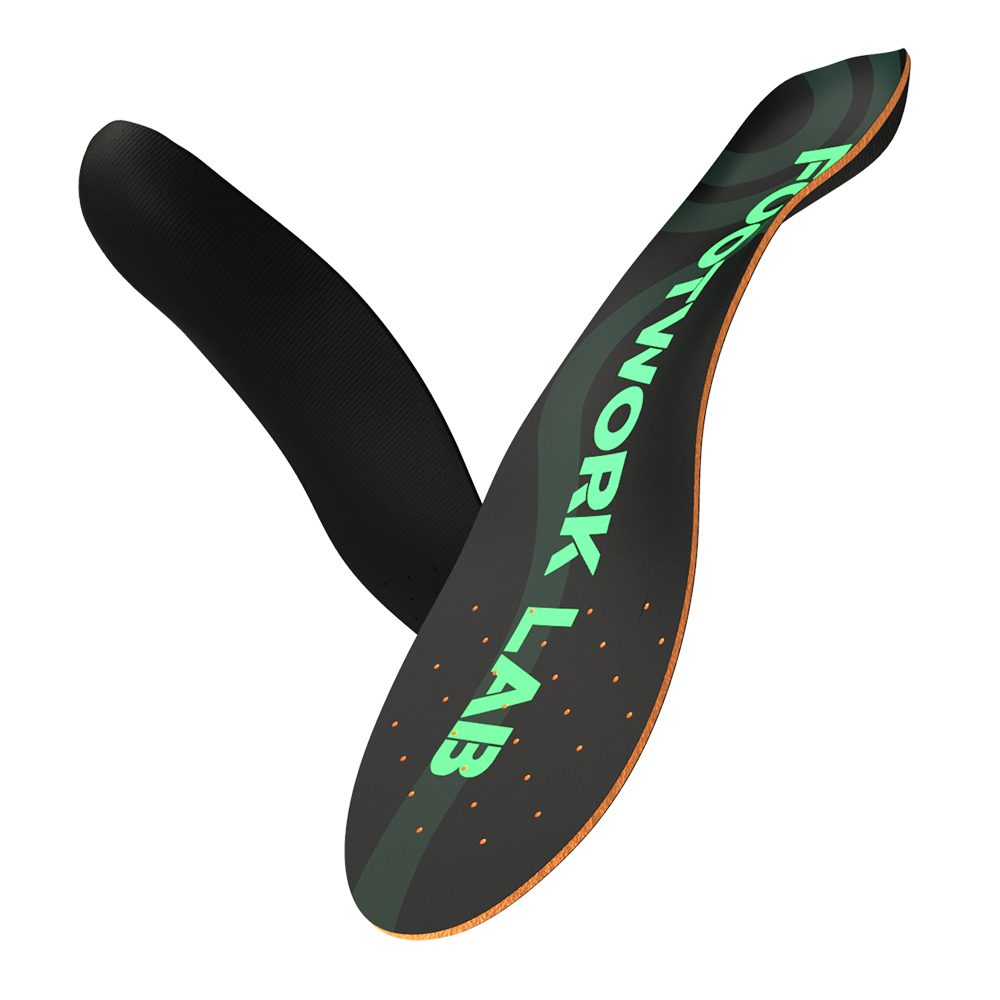
With the rotation on the bench, the placement question answers itself more often than not: the build goes into the pair that carries the most hours, which for most walkers is the everyday dry-weather trainer, not the special boots. Special footwear is special for reasons — waterproofing, grip, safety — and those reasons rarely include having room or tolerance for an added layer. The everyday pair is where the working day actually happens, and it is where a build can be fitted, checked and felt.
Fit the build inside the shoe it will live in, never on the bare foot alone. An older trainer has its own interior shape, its own heel counter behaviour, its own depth, and a build that sits perfectly in the clinic shoe can sit badly in a shoe that has been flexed out of shape by four hundred kilometres of pavement. Try it with the socks the client actually walks in. Watch the heel hold through the same braking test you ran earlier. If the shoe is too worn to hold anything honestly, say so — the professional conversation then starts with the shoe, not the build, and the client will respect the answer even when it is not the one she came for.
Walkers with a genuine two-container week — dry pair and wet pair, both carrying real hours — raise the one-pair-or-two question. The honest answer depends on how different the containers are and how the hours split, and it is a judgement for the professional in the room, not something a measurement alone can settle. What the assessment can do is make the decision an informed one instead of a guess.
Be plain about scope while you do all of this. A build supports, cushions and redistributes load inside a shoe; it does not correct the job, and it does not make a puller stop pulling. Setting that boundary at the fitting prevents the most common disappointment in working clients — the belief that a pair of insoles should cancel a physically unreasonable shift.
Five questions before you build anything
The intake for a dog walker fits into five questions, all answerable in the time it takes to untie a trainer, and all worth writing into the record verbatim.
First, the pack. How many dogs on a typical walk, what sizes, and how many pullers? Six small calm dogs and three young labs are different jobs wearing the same job title. Second, the route as surfaces: kerbs, cambered pavement, grass, gravel, mud — and which surface carries the most time. Third, the events: how many hard pulls or sudden stops in a normal walk? Walkers underestimate this until you ask them to count for one shift; the number is usually higher than the answer given from memory.
Fourth, the shoes: the full rotation on the bench, ages, weekly walks each, and which pair is due to die soon. This is where the fold test and the heel-hold test earn their minutes. Fifth, the timing of the complaint: during walking, during standing, or the morning after — and on which surface. If the client cannot place the complaint in any of those boxes, that itself is a finding worth a fuller assessment before anything else happens.
Two of the five questions — pack and events — have no equivalent in any other walking population, which is exactly why the generic walking-advice conversation fails this client. She has probably already been told to rest, to stretch, and to buy better shoes by people who pictured a commuter. You are the first person in the chain to picture the actual job: a stop-start, animal-decided, kerb-laced shift with occasional horizontal surprises. Write the five answers down. When she comes back, the notes are the case.
The fifth question deserves a second pass in the room. If the complaint tracks the puller specifically, the conversation includes the dog roster; if it tracks the standing, it includes the route; if it tracks neither, say so plainly and widen the assessment. Clients handle honesty better than vagueness, especially working clients who need their feet back on shift.
Review, wear and the second pair
Set the review before she leaves — roughly a month out, and after enough walks for the adjustment period to be over. New load distribution takes time to settle, and the sensible instruction is to build up across the week rather than sending the longest route through new footwear on day one. One punishing day in a pair that is still settling is how working clients lose patience with an otherwise sound plan, and the pair ends up in the van as a spare.
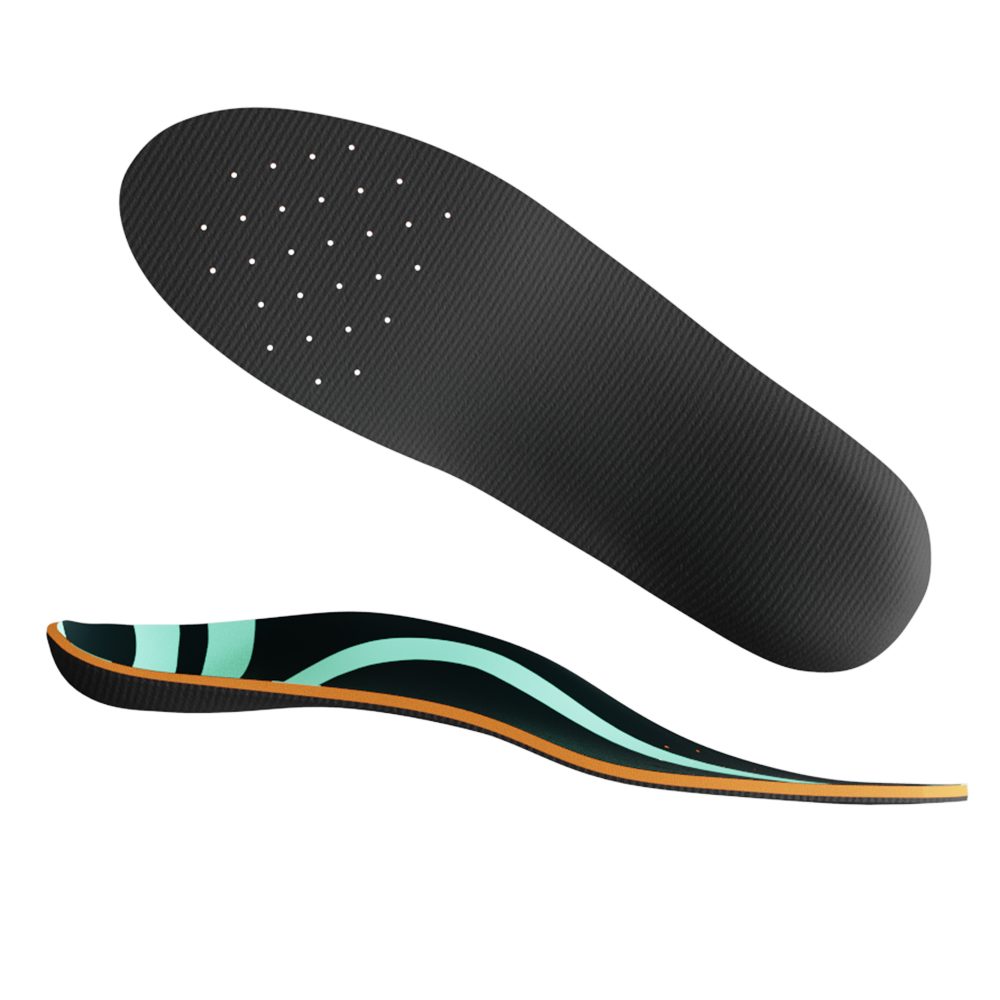
At the review, read the build itself before you ask anything. Where the material has taken its wear is the physical record of where the hours went: wear under the heel and forefoot says the walking and braking dominated, exactly as the intake predicted; wear in unexpected places says the real job was arranged differently from the story, and that mismatch is a finding worth discussing, not a fault of the client. Pair the wear reading with a fresh run of the five questions — the pack may have changed, the route may be different for the season, and a new puppy in the roster is a new load profile.
Watch the shoe as much as the build. A working trainer that was already tired at the fitting will be more tired a month later, and the container failing under a sound build is a different conversation from the build failing in a sound container. If the rotation is about to lose its main pair, that decision belongs in this visit, not three weeks after it.
And keep the boundary where it belongs throughout: the measurement and the wear are records, and the decisions — rebuild, re-shoe, refer, adjust the roster — stay with the qualified professional who can see the whole case. We make the measurement tools and the builds; we do not interpret anyone’s records, and saying so out loud is part of a clean working relationship with any client who earns her living on her feet.
Frequently asked questions
Which shoe should a dog walker’s insoles live in if she rotates several pairs?
Usually the pair that carries the most hours — for most walkers that is the everyday dry-weather trainer rather than the waterproof boots. Special footwear is chosen for grip and weather reasons that rarely leave room or tolerance for an added layer. Fit and test the build inside the shoe it will actually work in, never on the bare foot alone.
Can a pulling dog really cause foot problems for the handler?
The handler anchors every pull, stop and direction change through her feet, and a working week contains hundreds of these events. A sustained puller loads the forefoot in a lean; sudden lunges arrive as impacts with stopping. The pattern is real, it is measurable as a load description, and it is one of the two signatures — with standing — that define this population.
Does walking the same side of a cambered pavement matter?
It can. Camber tilts both feet the same way for the whole walk, and a walker who keeps to one side of the same streets repeats that tilt every working day. Asking which side of the street the client walks usually earns a surprised answer, and it belongs in the record next to the surface inventory of the route.
Should the client bring all her shoes to the appointment?
Yes — the whole rotation, including the pair kept in the van. Walkers choose shoes by weather and price, so the work is often done in footwear well past its working life. Lining the pairs up lets you check midsole return, heel hold and interior depth, and it decides more about the outcome than any measurement taken without the shoes present.
How long before a new build feels normal on shift?
Most people need an adjustment period during which load sits differently under the foot, and it is sensible to build up across a week of walks rather than running the longest route on the first day. Review about a month out, once the adjustment is over and the build has enough wear to read.
When should a build for a dog walker be reviewed or rebuilt?
At the review, read the wear on the build first — it is the physical record of where the hours went — then re-run the intake questions, because the pack, the route and the seasons all change the job. Also assess the shoe holding the build: a worn container failing under a sound build is a shoe conversation, not a build conversation.
Is a pressure assessment useful for a dog walker, or is the story enough?
The story organises the case and the measurement informs it; neither replaces the other. A record shows how load distributes during standing and walking, which pairs with the five intake questions — pack, surfaces, events, shoes, timing. The interpretation and any decision belong to the qualified professional; the equipment produces the measurement, not the verdict.
What we would do next
If a dog walker lands in your schedule next week, run the five-question intake before anything else: pack, surfaces, events, shoes, timing. It costs five minutes, it writes itself into the record, and it will stop you building for the commuter she was mistakenly assumed to be. The wear-and-container logic transfers to other outdoor trades too — our earlier piece on insoles for farmers covers a working week whose surfaces change with the weather in much the same way.
We manufacture custom orthotic insoles and the assessment systems used alongside them, and where a trade produces a distinctive load pattern we build a category around it — see the insole categories for how we sort those patterns. What we do not do is interpret records or promise outcomes; that judgement stays with the professional in the room, and our part ends at good measurement and honest builds.
And the question this population leaves us with: when a client’s working day is steered by animals rather than a schedule — six dogs, twelve leads, one pavement — do you build for the average hour of the walk, or for its worst ten minutes? We have heard experienced professionals argue both sides, and the case notes that settle the argument are worth sharing.
This article is intended for professional and educational reference. It is not medical advice. Foot assessment equipment produces measurements and images; clinical interpretation and any decision about care remain the responsibility of a qualified professional. Certification scope is limited to the documentation we hold: European Union certification and ISO quality system certification.