
A faster bench that varies between operators costs more than a slower one that does not. Speed is the property equipment is sold on and the property that matters least, because a workshop’s real costs sit in rework, adjustment appointments and the pairs that quietly do not get reordered.
Consistency is harder to demonstrate and easier to feel. It is the reason one workshop’s output is trusted by the people who refer to it and another’s is not, and it is usually a property of routine rather than of machinery.
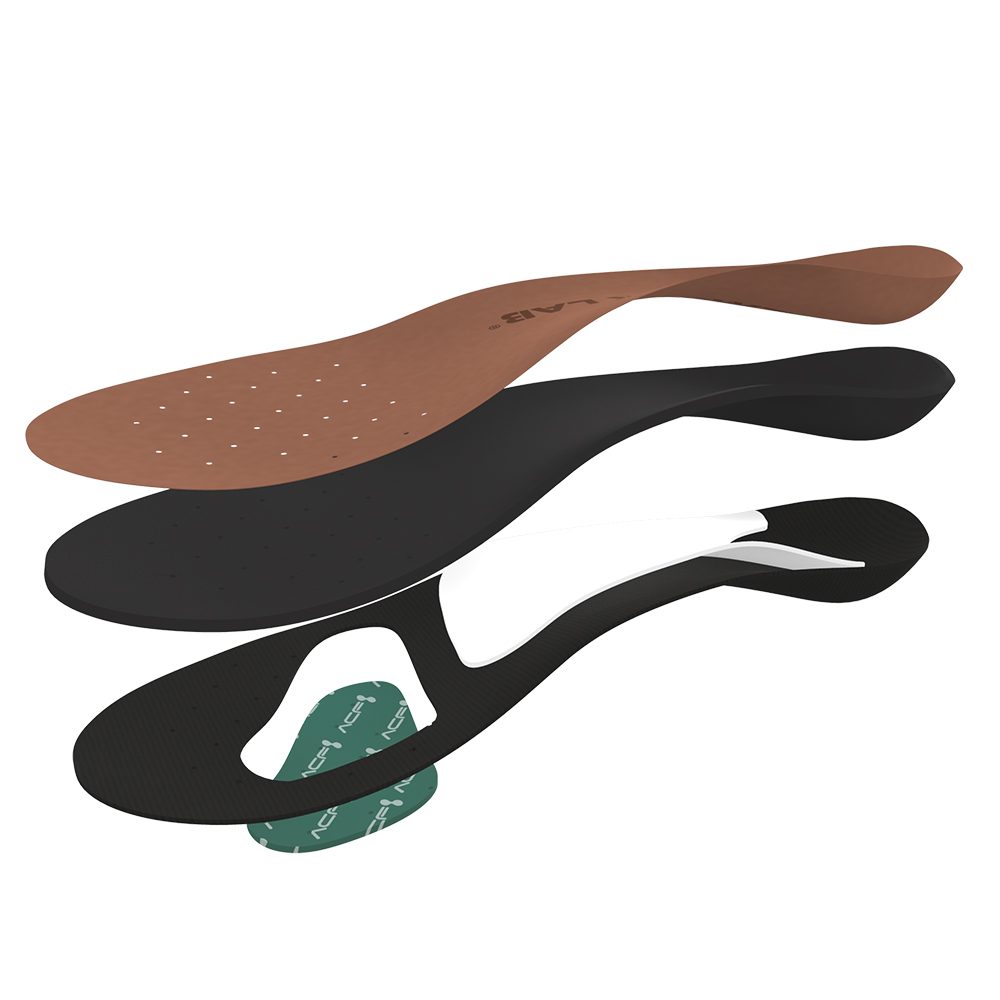
We build insoles at volume and supply the equipment others build them with, so we have run both a factory line and a single bench. What follows is where consistency comes from, what it costs to establish, and how to judge equipment on it rather than on speed.
Why speed is the wrong axis
Forming time is a small part of a session. The conversation, the capture, the specification, the finishing and the check all take longer than the heating or milling step, and together they decide how many pairs a workshop ships.
A machine that forms in half the time therefore saves a small fraction of the session, and if it does so at the cost of repeatability it is a net loss. The arithmetic is unglamorous and it is why experienced buyers ask different questions than first-time ones.
This is not an argument for slow equipment. It is an argument for specifying the workflow first and then choosing a machine that fits it, rather than choosing on a number that does not decide throughput.
What consistency actually consists of
Consistency has four components, and none of them are machine settings. The specification is written the same way every time. The material is from the same family and stored the same way. The finishing follows a fixed sequence. And the check is performed every time, including when the room is busy.
The first and last are the ones that slip. A specification written from memory varies between jobs, and a check skipped under pressure lets a bad pair leave the room. Both are habits rather than equipment questions, and both are what make two workshops with identical machines produce different results.
Establishing them costs a form, a routine and a named owner. None of it requires spending anything, which is why the cheapest workshops are often the most consistent ones.
The cost of an inconsistent pair
An inconsistent pair costs more than the material. It costs the appointment, the adjustment, the wearer’s confidence and usually a portion of the relationship. It also costs the workshop’s own time at the point where it can least afford it, because adjustments arrive when the diary is full.
Measured over a year, rework is typically the largest hidden cost in a small workshop, larger than waste and larger than stock written off. It is also the most preventable, because most of it traces back to two or three specification lines.
Finding those lines is a monthly job: look at the adjustments, ask which line of the form each one traces to, and change the form. Most months the answer is the same two lines, and fixing them prevents most of the following month’s rework.
Where machine settings do matter
Settings matter for repeatability rather than speed. A machine that returns to the same temperature, at the same rate, for the same material, produces the same result from the same input. One that varies produces output that varies, and no amount of operator skill fully compensates.
This is worth testing during a demonstration rather than assuming. Running the same material twice and comparing the results is a five-minute check that tells a buyer more than a throughput figure.
It is also worth asking what the machine does when conditions differ: a different material, a colder room, a longer session. Equipment that holds its settings under those conditions is worth more than equipment that is merely quick.
Layout, and the consistency of movement
Consistency is partly physical. A bench arranged so that mould, material, blank and form are all within one movement produces the same sequence every time, and the sequence is what makes the output repeatable.
A bench where the operator walks between cupboards produces a different sequence each time, because the order things are fetched in changes with what is nearest. That variation shows up in the pairs, and it is usually attributed to the machine.
Layout is therefore a consistency intervention as much as an efficiency one, and it costs nothing but thought before the bench is bolted down.
Training, and what has to be learned at the bench
Training covers settings, materials, safety and the routine. What it cannot cover is the judgement that comes from making twenty pairs and seeing which ones came back, and that judgement is where consistency ultimately lives.
The fastest way to build it is to review adjustments monthly and to name one person who owns the bench. Workshops where everybody uses it have no consistency, because consistency is a person’s habit before it is a machine’s property.
Where a workshop plans to grow, writing the routine down while it is still small is much easier than reconstructing it later from two people’s differing habits.
How to judge equipment on consistency
Three questions work. Will you run the same material twice and let us compare the results? What does the machine do when the room is colder, or the session longer? And what does the software record about each job?
The third is underrated. A machine that records what it did for each pair turns a disputed pair into a checkable one, and it is the cheapest quality record a workshop can keep.
What consistency is worth commercially
A workshop known for consistency gets reorders, and reorders are the profitable part of the work. A first pair built and adjusted is a service; a second pair built from an adjusted specification is margin, because it takes a fraction of the time.
It also gets referrals. Practices and shops send work where it comes back right, and they stop sending it where it does not. Over a year that flow is worth more than any equipment specification.
Materials, and why storage belongs in the conversation
Material behaviour is the largest single source of variation in a small workshop, and it is rarely the machine’s fault. Blanks from the same family but different batches can form differently, and blanks stored somewhere warm, damp or in direct sun will not behave like ones stored flat in a cupboard.
The practical response is boring and effective: buy from one family, note the batch, store flat, and record which batch each pair came from. When a pair comes back for adjustment, the batch note is usually the first thing that explains it.
This is also worth raising with a supplier before buying. A supplier who can say how their material should be stored, and how long a blank keeps, has thought about the part of the process where most variation actually enters.
What a demonstration should actually include
A good demonstration is not a video and not a brochure. It is the same input run twice, with the results compared, plus a run under conditions that are slightly wrong — a colder room, a different blank, a longer session than the one that was prepared.
Buyers are often shown the best case, and the best case is the one that never occurs in a working week. Asking for the awkward run costs nothing and tells a buyer more than any specification sheet, because repeatability under ordinary conditions is what a workshop lives on.
It is also reasonable to ask who runs the demonstration and whether the person who will train the bench is the same one. Training quality varies more between trainers than between machines, and it is the part that decides whether the equipment is used properly in month six.
The record, and why it is worth keeping
A job record turns argument into checking. When a pair is disputed, the question is usually what was specified and what was formed; without a record both answers are memory, and memory is generous to whoever is speaking.
The record does not need to be elaborate. Date, wearer reference, material batch, the specification lines, the settings used, and who finished the pair. Six fields, written once, and a disputed pair becomes a five-minute check rather than a conversation.
Over a year the same record becomes the workshop’s specification library. The second pair for a wearer is built from the first pair’s adjusted record rather than from a fresh appointment, which is where reorders become the profitable part of the work.
Where growth changes the answer
A bench that is consistent because one person owns it is fragile in a specific way: it works until that person is away. Workshops that plan to add a second bench, or a second operator, should write the routine down while it is still one person’s habit.
The written version is always worse than the habit, and that is fine. It is a floor, not a ceiling: it guarantees the second operator produces something acceptable, and the first operator continues to do better. Reconstructing it later from two people’s differing habits is much harder than writing it now.
Equipment that supports this — by storing specifications per wearer and per job — is worth more as a workshop grows than equipment that is merely faster, which is a further reason to specify on repeatability and record-keeping rather than on throughput.
What a year of adjustments looks like
The pattern is consistent across workshops of very different sizes. Adjustments cluster in the first month of a new material, in the weeks after a new operator starts, and in the seasons when footwear changes. Between those, the rate is low and stable.
Knowing the pattern changes how it is handled. A spike after a material change is not a quality failure, it is a specification that has not been re-derived for the new batch; a spike after a new operator starts is a training gap, not an equipment problem. Both are cheaper to fix when recognised early.
The cheapest control is a monthly count kept on one page. It takes a minute, it makes a spike visible in the month it happens rather than the quarter after, and it is the number that tells a workshop whether its consistency is improving or quietly drifting.
What we would do next
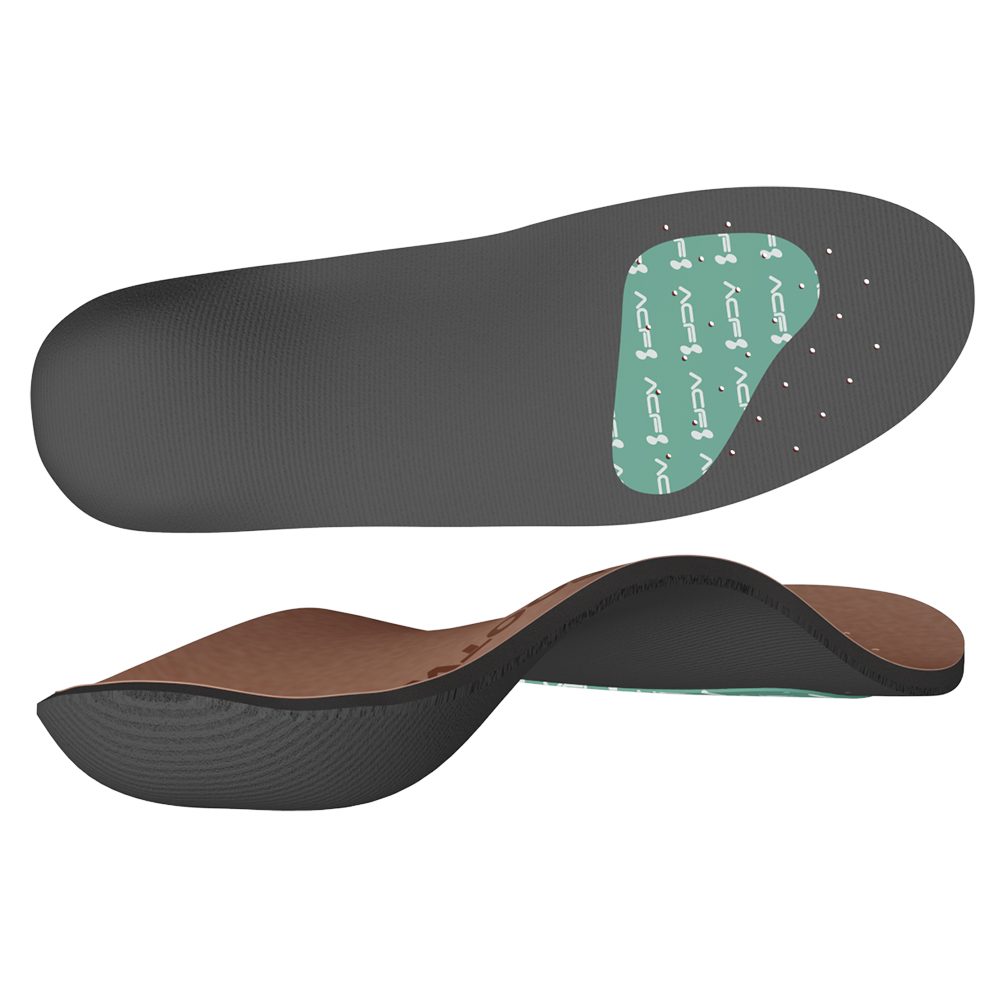
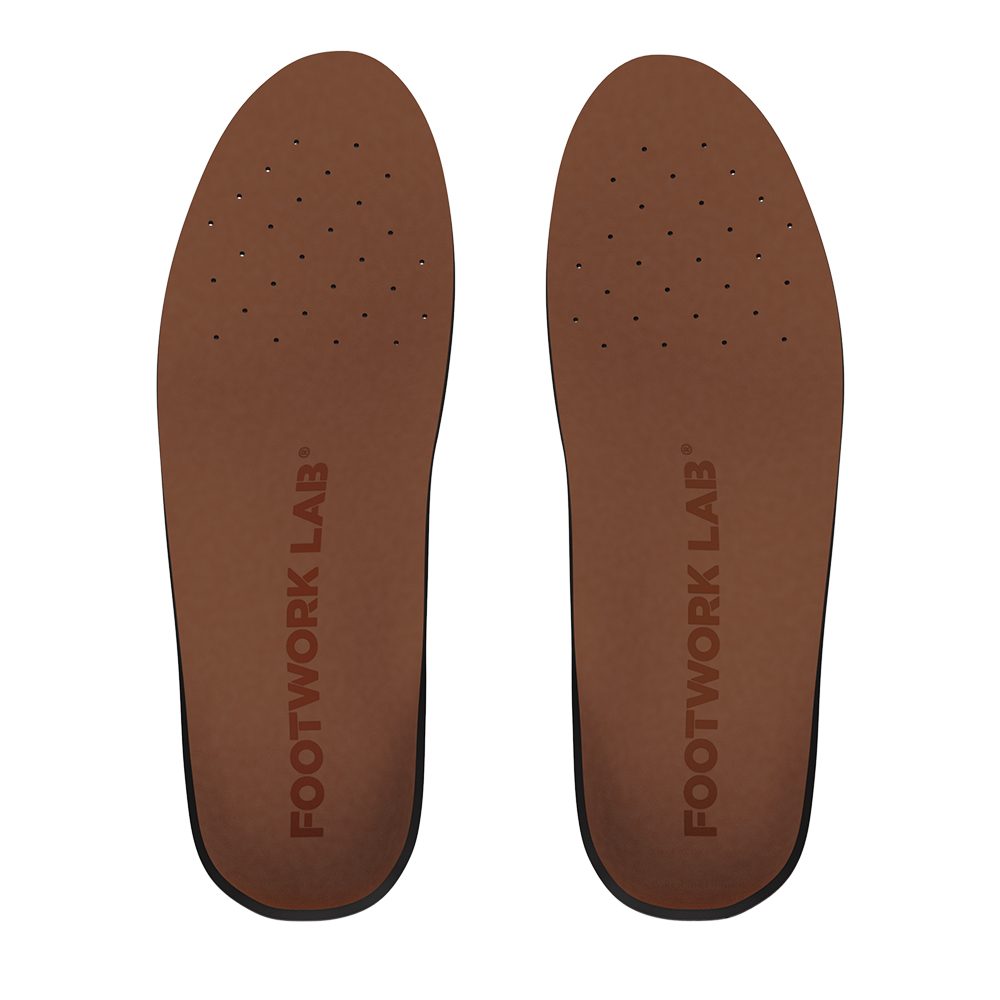
Before comparing machines, write the eight-line specification form, name the bench owner, and arrange the bench so the sequence never changes. Then test equipment on repeatability rather than speed, by running the same material twice. Our insole range and service page cover what installation and training include, and a short conversation settles which configuration fits.
Frequently asked questions
Is speed the most important thing in an orthotic machine?
No. Forming time is a small fraction of a session. Rework, adjustments and lost reorders are the real costs, and they come from inconsistency rather than from slowness.
What does consistency consist of?
Four things: the specification written the same way, the same material stored the same way, a fixed finishing sequence, and a check performed every time including when the room is busy.
What is the largest hidden cost in a small workshop?
Rework. A pair made twice costs two pairs of time, two blanks and one appointment. Most of it traces back to two or three specification lines, which a monthly review will identify.
Do machine settings matter at all?
Yes, for repeatability rather than speed. A machine that returns to the same settings for the same material produces the same result; testing this by running one material twice is worth more than a throughput figure.
How should layout be planned?
So that mould, material, blank and form are within one movement. A fixed sequence produces repeatable output; fetching things from different places varies the sequence and the pairs.
What minimums and lead times apply?
One unit for machines and two hundred pairs for insoles, mixed across models and sizes. Samples ship within three days of agreement.
This article is intended for professional and educational reference. It is not medical advice. Foot assessment equipment produces measurements and images; clinical interpretation and any decision about care remain the responsibility of a qualified professional. Certification scope is limited to the documentation we hold: European Union certification and ISO quality system certification.