
The Saturday rush is in full swing, and the barista has just completed her hundredth pivot between the espresso machine and the grinder — a one-pace rotation her feet will repeat several hundred more times before the lunch lull. A wet-floor sign stands in the corner she has to reach around. The floor is sealed concrete, mopped hourly and never quite dry, and her shoes, chosen for slip-rated soles because the house rules demand it, grip so well that every turn becomes a twist through the ankle rather than a slide across the floor. By the mid-afternoon lull she will lean both hands on the counter and stand still for the first time since opening, and that stillness will feel heavier than the rush did.
For the professionals who advise workplaces — physiotherapy practices, occupational health teams, footwear retailers with a fitting service, insole workshops — the bar is a distinctive case that deserves its own reading. It mixes short bursts of fast, precise footwork with long static stretches, on a floor that is hard, damp and crowded. This piece looks at what two square metres of café floor actually do to a person over a shift, what to ask before building anything for a barista, what such a build has to cope with, and how to follow up once the pair is on shift.
Two square metres, a thousand crossings
The defining geometry of bar work is compression. Nearly everything the job demands happens inside a space you could block out with two milk crates: machine, grinder, knock box, sink edge, till. Within that space the barista walks a step, pivots, reaches, braces a hip against the counter, leans into the portafilter, sidesteps a colleague, and returns — hundreds of times an hour during a rush, at a pace that never quite becomes walking and never quite becomes standing. A step counter will report a trivially small distance for the day. Her feet will report something entirely different, because distance was never the load; frequency and rotation were.
That rotation is the part most assessments miss. Each pivot loads the forefoot unevenly, drives force through the ball of the foot and the big-toe side, and asks the ankle to control a twist on a high-grip surface. Repeated a thousand times a day, this becomes the barista’s signature: soreness across the forefoot, a tired ache along the inside arch of the pivot foot, and calves that feel worked rather than walked. Ask a barista where the day lands and the answers cluster around the front of the foot, not the heel — the opposite of what a step-count assumption would predict.
The pattern matters because it separates the barista from the generic “someone on their feet all day”. A build designed for distance walking spreads load for strides measured in metres. A barista needs load managed for turns measured in degrees. Everything in the sections that follows follows from getting that one fact right before anything else is discussed.
What the slip-rated shoe changes
Café footwear rules exist for good reasons: hot liquids, wet floors, dropped crockery, liability. Slip-resistant soles are usually mandated, and they do their job — but they quietly reshape how the foot works. On a dry floor, a person turns by letting the sole rotate against the surface, sharing the twist across the whole foot. On a grippy sole over wet concrete, the sole refuses to rotate, so the twist travels up into the ankle and knee instead, and the foot’s own structures absorb what the floor no longer absorbs. Add the dampness, which softens leather uppers and changes how the foot sits inside the shoe as the day goes on, and the shoe stops being neutral background and becomes an active variable.
Inspect the shoe before discussing anything else. Three checks are worth the two minutes they take. First, the sole: genuine slip-rated work shoes, fashion clogs with a rubber outsole, and worn-through soles on a two-year-old pair behave nothing alike. Second, the footbed: does the shoe have a removable inseat with any depth to it, or a glued-in skim of foam? A build can only live in a shoe that gives it room. Third, the fit as worn: swollen feet at the end of a Saturday shift sit differently than fresh feet at a Thursday fitting, which is why the question “when do your shoes feel tightest?” earns its place on the sheet.
The measurement-versus-judgement line applies here as everywhere. A pressure record can show where load concentrates during a pivot and a standing spell; what that means for this foot inside this mandated shoe is the professional’s call, made with the whole history in hand. The measurement’s gift is the starting question: is the turn spreading load across the forefoot, or pinning it on the big-toe side every single time?
The bar lean: posture at the machine
Between rushes, bar work becomes its own load case. Waiting for shots to pull and milk to steam, most baristas settle into a lean: one hip parked against the counter, weight shifted onto one leg, the other foot floated lightly or hooked behind the ankle. It is a comfortable resting habit and a perfectly reasonable thing for a human to do. Held for minutes at a time, hundreds of times a week, it is also the habit that quietly rewrites where load lives on the foot.
The parked leg carries a plateau of load rather than a passing peak. Static standing like this removes the rhythm that walking provides — the stride-by-stride sharing of load, the calf muscle pump moving blood uphill — and replaces it with the same regions of the same foot loaded for minutes on end. The hip lean adds a slight pelvis drop on the resting side, which tilts the loaded foot’s arch and shifts the centre of pressure toward structures that were not designed to hold it there. Over months, the barista’s own map of discomfort tends to follow: one arch ache that never quite settles, a forefoot hotspot under the standing leg, and a general heaviness that arrives earlier each week.
Watch the lean during any assessment for a café worker, because it is data. Where does she park the hip — always the same side? Does the floated foot take any load at all, or does one leg do everything? For the same reason, a record taken only during a walking pass will understate the problem; a short static spell on a pressure platform, captured while she stands the way she actually stands at the machine, tells the truer story. Both are measurements, not verdicts — reading them for this foot and this job is professional judgement.
What to ask before building for a barista
A short structured interview separates builds that get worn from builds that get left in a locker. Start with the shift, not the foot. How long are the blocks of bar work, and does she rotate between the machine, the till and food service, or stay planted behind the espresso station? A barista who rotates has a mixed day; a barista who owns the machine for six hours lives the pivot-and-lean pattern described above. Ask how many staff share the corner at peak, because shared space multiplies the sidestepping and the twisting.
Then the environment and the shoe. Floor material where she actually stands, mat condition if there is one, the slip-rating of her shoes, whether the footbed is removable, and whether the same shoes carry her commute. Then the open questions that let her narrate rather than confirm: where do her feet end up by close, what has she already tried, what does she do when it gets bad? Baristas are resourceful people, and their improvised solutions — leaning into the grinder, parking a heel on the drip tray rail, standing one-legged while the other foot rests on the machine’s base — are a free field study in where load needs to go instead.
Finally, ask about measurement before anything else. A record that includes both a pivot sequence and a static standing spell, taken at her own pace, gives the honest picture of a bar day. What the record means for this individual is the professional’s interpretation; the record’s job is to make that interpretation defensible, and to give the eventual build something true to be built against.
What the build has to cope with
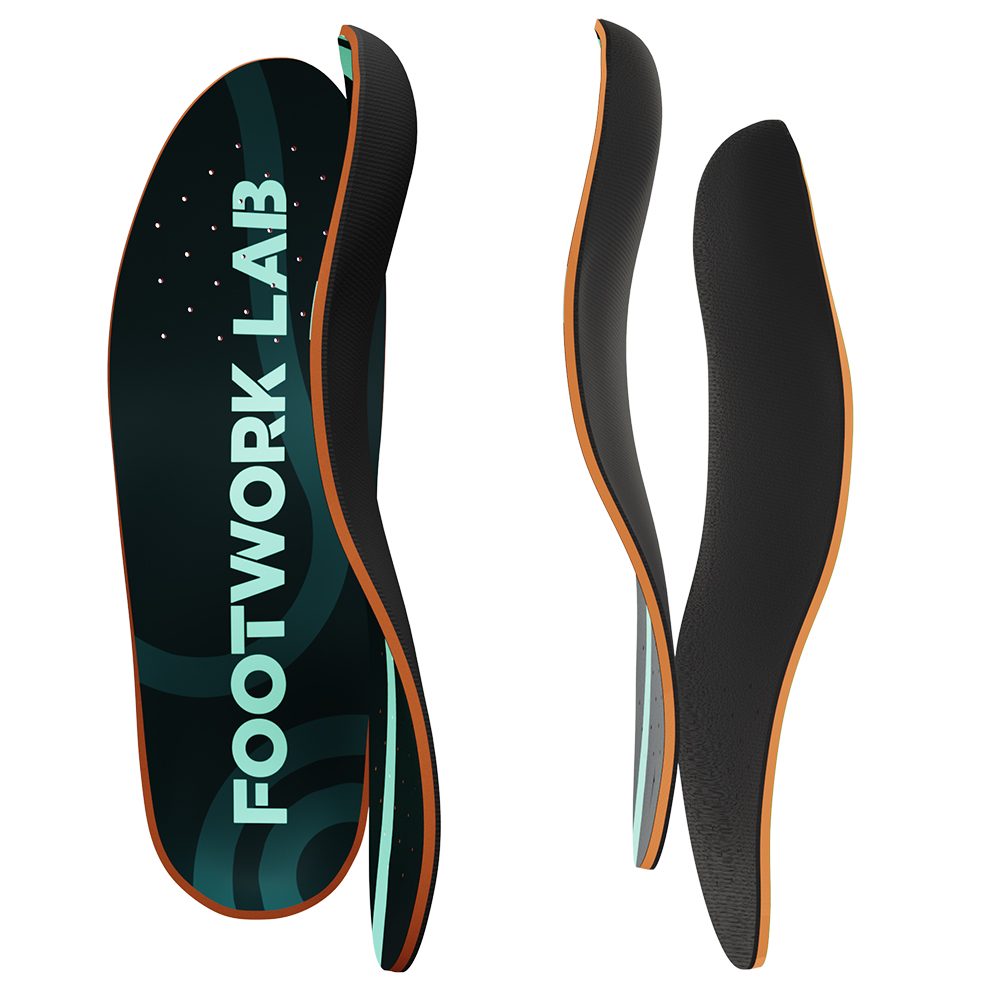
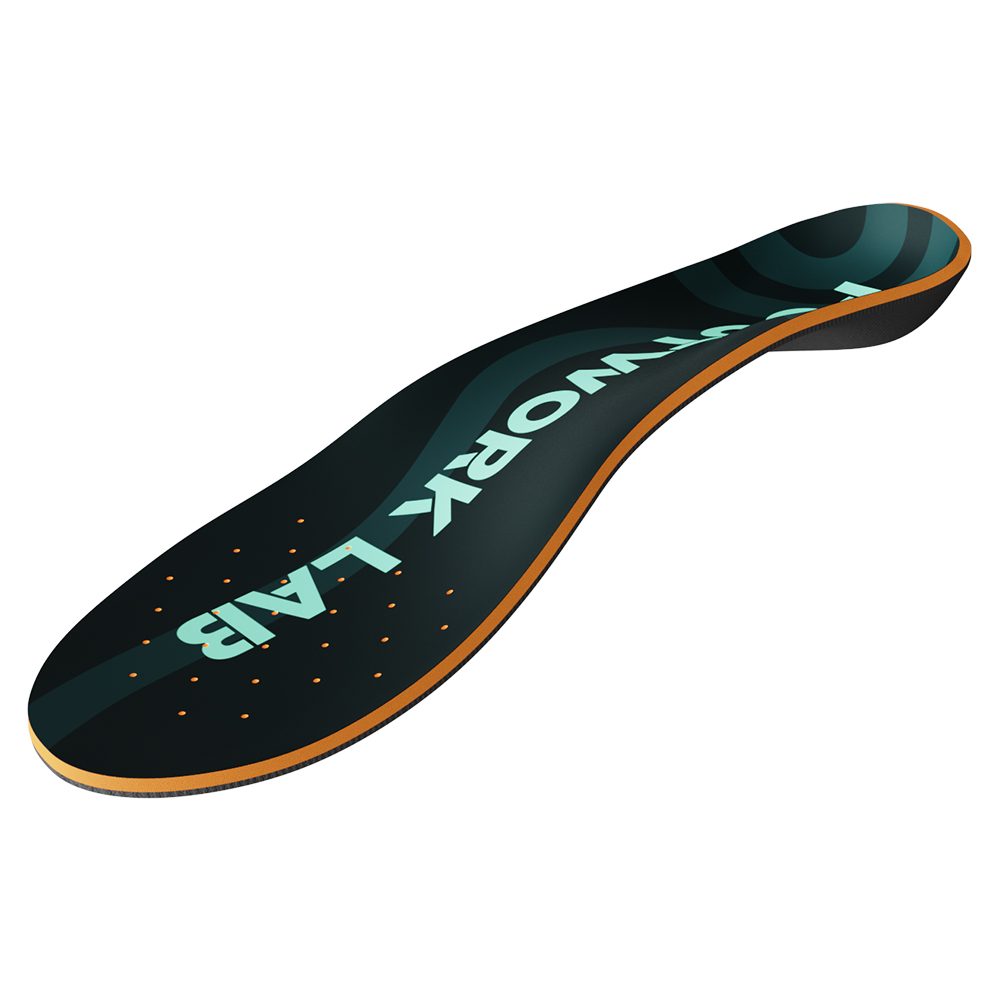
A build for bar work is not a walking build made shorter, and it is not a standing build either — it is both, alternating every few minutes. Its first job is load distribution across two contrasting demands: spreading the plateau of the static lean away from heel and standing-leg forefoot, and cushioning the repeated pivot peak under the ball of the foot and the big-toe side. A pair of custom orthotic insoles shaped to a measured standing and walking pattern is one of the few interventions that manages both demands while travelling with the person rather than with the workplace. The goal, stated plainly, is support and better load distribution — nothing more dramatic, and anyone promising the corner will become kind is selling something.
The second job is surviving the shoe. Café footwear is stiff-soled, closed, heat-resistant and short on internal volume, and a build that is technically elegant but makes the shoe tight will be pulled out on day one. Check volume, thickness at the toe area and the height the foot sits in the shoe with the actual work shoe on the foot — the shoes she wore to the appointment tell you nothing about the shoe she stands in for a living. If the employer issues shoes, build against the issued pair or say plainly that it cannot be done in that shoe.
The third job is respecting the pivot. Nothing about the build should fight the turn; it should give the twist somewhere better to happen, so the ankle stops absorbing what the grippy sole refuses to. Judge success quietly: three weeks in, is she still hooking one foot behind the other while she waits? Habits that disappear are the evidence that load found a better home. Habits that persist are evidence that the build and the shoe need re-reading together.
Getting the pair worn behind the bar
Workplace recommendations rarely fail on technical grounds; they fail on logistics, and café logistics are particular. Have her try the build inside the exact work shoe, laced as she laces it, standing the way she stands at peak — not the way a fitting-room photograph would like her to stand. Walk her through the first weeks honestly: a new pair changes how load sits under the foot, and there is an adjustment period during which short stretches beat full shifts. One brutal opening Saturday, followed by the pair quietly retiring to a locker, is the classic failure, and it is preventable with a sentence at the fitting.
Deal with the second-shoe problem directly. Many baristas keep a separate pair for commuting, or rotate two pairs of work shoes for hygiene, and a build that lives in only one of them will be forgotten on the wrong days. Either build for the pair she wears most and say so, or be explicit that the recommendation assumes those shoes. Offer a habit anchor instead of a lecture: insoles go in when the work shoes go on, at the start of shift, every shift. Anchored habits survive a busy café; remembered intentions do not.
Set expectations with the honesty you would want as a customer. What a build can realistically offer is better load distribution across a shift of pivots and leans — felt, and worth having. What it cannot do is make wet concrete soft, refund months of Saturday rushes in a fortnight, or compensate for a shoe that fights the foot. Saying that at the fitting is not underselling; it is what keeps the customer reporting back honestly at follow-up instead of disappearing with the failure story to the next café she works in.
After the first month on the machine
Schedule the follow-up before she leaves the fitting, because “come back if it hurts” filters out everyone who has adapted silently and everyone who has simply given up. A month is long enough for the adjustment period to be over and short enough that the work shoes have not yet reshaped themselves around a bad fit. At the review, let the pair speak before she does, in this order.
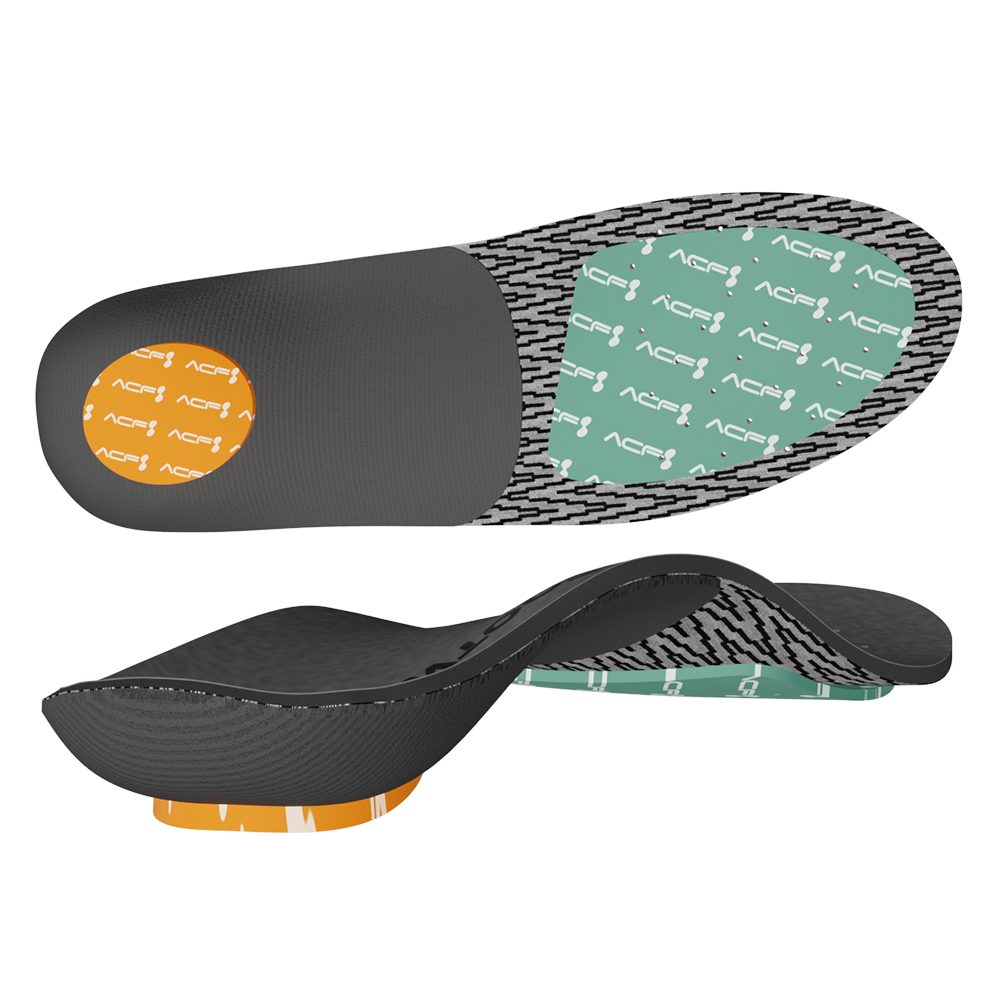
First, the wear surface. Where the build has compressed or darkened shows where the shift actually happened, and café wear has a recognisable shape: density under the forefoot of the pivot foot, a band under the standing-leg heel from the leans. Wear punched through at a single spot means load never redistributed, and the build needs re-reading against a fresh measurement — not more reassurance. Second, the habits: is the hip still parked on the same side, the heel still on the drip tray rail? Third, her own account, in her words — better, same, worse, or the best answer of all, “I stopped noticing my feet,” which is what success sounds like from behind an espresso machine.
Then close the loop with the café, not just the foot. If the floor, the mat or the issued shoe is working against the build, say so to whoever manages the site, because the recommendation carries further when the professional names the environment as part of the problem. And log the case. A workshop that can show a year of café and restaurant follow-ups — including the ones that needed a rebuild — is a workshop that café group managers learn to call first rather than last.
Frequently asked questions
Why do baristas’ forefeet suffer more than their heels?
Because the barista’s load is dominated by pivots, not strides. Every turn between machine and grinder drives a peak through the ball of the foot and the big-toe side on a high-grip sole, repeated hundreds of times an hour during a rush. Walking spreads load heel to forefoot with each stride; the one-pace pivot concentrates it. The static leans between rushes add a second plateau of load under the standing leg’s heel and forefoot.
Do slip-resistant shoes make things worse?
They solve a real safety problem and quietly create a mechanical one. On a grippy sole over wet concrete, the sole refuses to rotate during a turn, so the twist travels up into the ankle and knee and the foot’s own structures absorb it. The shoes should stay — the floor is genuinely hazardous — but the professional should read the sole, the footbed and the fit before building anything, and treat the shoe as an active variable rather than neutral background.
What should we ask a barista before recommending insoles?
Shift structure first: block lengths, rotation between bar and till, how many staff share the corner at peak. Then environment and footwear: floor material, mat condition, slip rating, removable footbed, commuting shoes. Then open questions: where her feet end up by close, what she has already tried, what she does when it gets bad. Her improvised habits — the grinder lean, the heel on the drip tray rail — are the best clues about where load needs to go.
Should the assessment include standing as well as walking?
Yes. A walking pass alone will understate the problem, because much of a barista’s day is spent in the lean, not in walking. A short static spell on a pressure platform, captured while she stands the way she actually stands at the machine, plus a few pivot passes at her own pace, gives the honest picture. Both are measurements; interpreting them for this foot and this job is the professional’s judgement.
Can one pair work across bar, till and food service?
Often yes, if the stations share the same footwear and the same footwear rules, because the pair lives inside the shoe rather than inside the station. What matters is that the build was made against the shoe she actually wears on shift and that the habit is anchored — insoles go in when the work shoes go on, every shift. Rotation between two pairs of shoes without a matching plan is the usual way this fails.
How long before a new pair feels normal on shift?
Most people need an adjustment period while load sits differently under the foot, and short stretches before full shifts prevent the classic failure of one brutal opening Saturday followed by the pair living in a locker. By roughly a month the adjustment should be over, and the wear surface on the build will show where the shift actually happened — which is why the follow-up belongs in the diary at the fitting itself.
When should a pair built for bar work be rebuilt or replaced?
At the month review, read the wear surface first. Café wear has a recognisable shape — density under the pivot foot’s forefoot and a band under the standing-leg heel. Wear punched through at a single spot means load never redistributed, and the build needs re-reading against a fresh measurement. Persistent habits, like the parked hip or the hooked foot, are further evidence that the build and the shoe need to be read together again.
What we would do next
If your service covers cafés and restaurants, take two things into your next barista fitting: a question sheet built from the interview above, with the pivot and the lean written in as named load cases, and the habit of checking the removable footbed before promising anything. Then add a static standing record to the assessment alongside the walking passes, because the barista’s day lives in the lean as much as in the steps. The same principle — measure the task the worker actually performs — runs through other service-floor jobs too, and the closest cousin is the one carrying a tray all day (The Tray Never Gets Lighter: Insoles for Waiters).
For workshop teams building at scale, café groups are a natural fit: whole crews can be measured and built for in production runs, and insole production capacity of roughly five hundred to a thousand pairs a day exists precisely so a group can outfit a staff rather than a staff member. If you run fits like these, here is the question we would put to you: when a barista reports at the month review that she no longer notices the pivot, do you credit the build, the shoes, or the fact that the rota finally gave her till shifts? We ask because our own logging has never fully separated those three, and the honest answer changes how we follow up.
This article is intended for professional and educational reference. It is not medical advice. Foot assessment equipment produces measurements and images; clinical interpretation and any decision about care remain the responsibility of a qualified professional. Certification scope is limited to the documentation we hold: European Union certification and ISO quality system certification.