
The flagstones are still wet from last night’s rain when the first trader starts unpacking, and the market will not close for another eleven hours. By ten the morning damp has burned off and the same ground is a sun-baked tarmac pitch; by four, if the forecast turns, it is a wet one again. The stall stays open through all of it, because a day’s takings cannot be rescheduled, and the person behind that stall stands through all of it too — no chair, no counter to lean on that belongs to them, no roof over the places their feet actually go. Retail has harder-sounding jobs than market trading, but few longer ones on the clock, and almost none where the ground underfoot changes character twice in a single shift. This article is for the clinics, fitters and insole workshops that serve traders. It works through what a market day asks of the feet, what to ask when a trader books in, and what a build for a working day that swings between flagstone, tarmac and rain needs to handle.
The longest shift in retail
A shop assistant’s shift has boundaries: the store opens, the store closes, the employee clocks out. A market trader’s day has no such courtesy. Stock is loaded before dawn, the stall is built in the cold, traded through the public hours, dismantled at close, and driven home — and every one of those phases happens standing up. The selling is the middle third of the day. The framing hours, when the feet do their heaviest and least glamorous work, come attached at both ends.
There is also no chair. Shop staff have a till to rest against in quiet moments; waiters keep moving, which has its own demands, but at least the movement varies the load. A trader waits. Standing still is a large share of the working day, and it happens on outdoor ground in outdoor temperatures, because customers do not queue at a market on any schedule. The body holds the same upright conversation with the same patch of ground for long stretches, then walks to restock, then holds still again.
The mix matters for anyone fitting this group. A day of pure standing and a day of steady walking load the feet differently, and a market day is both, interleaved, on surfaces that change underfoot as the weather moves through. Before recommending anything, find out how the day is actually proportioned: how long the setup and teardown take, how much of the trading stretch is stationary, how often the stock runs force a walk. Those proportions are the job, and the build that serves it has to be designed for the proportions, not the job title.
Two surfaces, one day
Indoor workplaces offer one floor, and everyone in the building learns it. The market offers a rotation: flagstones or cobbles in the older market squares, tarmac on the modern pitches, concrete under the covered halls, grass and mud at the edges of the site after rain. Between setup and teardown the same trader may cross all of them, and each asks something different of a foot and a shoe.
Cold flagstones on a winter morning are the character test. Stone holds the night’s temperature long after the air warms, damp sits in the joints, and the surface gives nothing back — a cold, hard, slightly uneven platform for the first and longest hours of standing. Unevenness matters as much as hardness: cobbles and worn flagstones keep the ankle busy, shifting load from edge to edge with every repositioning, in ways flat indoor floors never ask.
Then the afternoon arrives and the same pitch is a different workplace. Sun-baked tarmac is warmer, flatter, and unyielding in its own way, and the trading hours on it stretch long. Fitters who work with outdoor trades already know that ground is a third participant in every step alongside the foot and the shoe; market trading simply puts all three into a rotating cast. Ask which surfaces a trader’s pitch actually uses, and which hours are spent on which — the answers belong on the sheet beside any measurement, because a record taken of a walk describes a specific ground, and this job crosses several grounds in a day.
Rain, full sun and the shoes that meet them
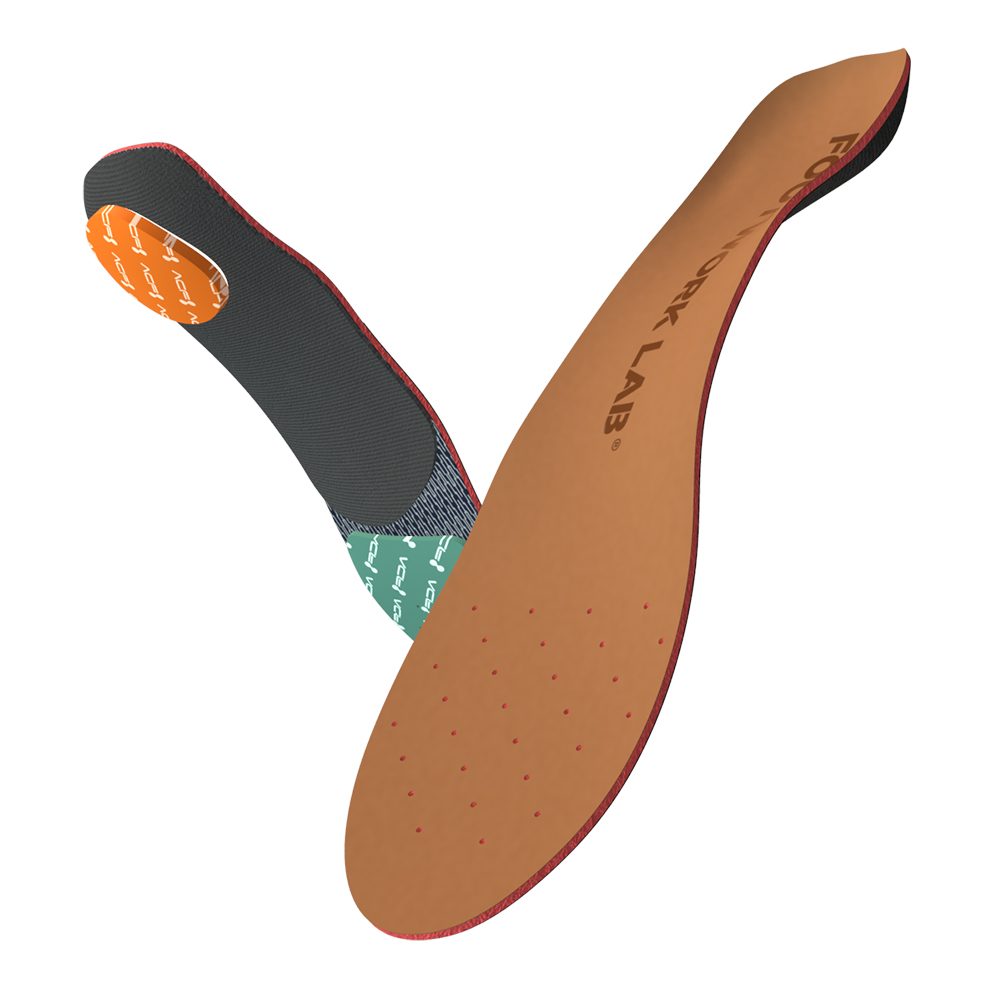
Weather is not a footnote in this trade; it is half the working conditions. Rain arrives and the stall stays open — covers go up over the goods while the trader’s own feet stand in whatever the ground has become. Pooled water finds the seams of ordinary footwear within an hour. Full summer sun does the opposite: heat radiates off the tarmac, feet swell across the afternoon, and the shoe that fit at dawn fits differently by four. Neither condition is extreme by the standards of outdoor work. Both are routine, repeated every week, for years.
The postal workers we have written about before face the same arithmetic — their rounds happen in the rain too (Six Miles of Pavement, Rain Included: Insoles for Postal Rounds) — but a round is walking, and walking keeps some circulation in the feet. A trader’s long still stretches in wet, cold conditions are a harder combination, and the footwear conversation needs to treat wet boots and cold feet as normal operating conditions rather than exceptions to plan around.
For the intake, ask the weather questions directly: what happens to the shoes on a wet day, whether there is a dry pair to change into, how the summer pitch differs from the winter one, and whether socks change with the season. The answers sound like small talk and are nothing of the kind — they describe the actual environment the build will live in. Wet boots that stay wet from morning to close, thick winter socks that change the fit of the shoe, swollen afternoon feet in the same footwear: each is a condition the professional fitting a build should know before deciding anything, because the build’s job is to work inside these conditions, not alongside an idealised dry one.
What to ask when a trader books in
The occupational intake for market traders covers five areas, and the first is the day’s shape: start time, teardown, how the hours distribute between standing and walking, and which market days per week are worked. Traders who run a single weekend pitch and traders who work four or five markets a week are doing different jobs with the same title, and the difference shows up in how much recovery time the feet ever get.
Surfaces and weather come next, as the previous sections described: which grounds, which conditions, which hours. Then footwear — chosen freely in this trade, unlike uniformed roles, which means the answer is more informative than it is in uniform cases. Ask what they actually wear in winter and in summer, whether the same boots serve both, and whether waterproofing or warmth has been winning the argument lately. Then the history, taken as description: when in the day the complaints arrive, whether cold mornings or long afternoons are the harder half, what a wet day changes.
Hold the same boundary through all of it that governs this work generally. Everything gathered at intake is scene-setting, not a diagnosis; the complaints a trader describes are descriptions of a working life, recorded as such, and whatever gets measured — standing, walking, turning — is measurement. Deciding what any of it means, and what should be built or changed, belongs to the qualified professional reading the whole file. The fitter’s contribution is to make sure the file contains the real day: the flagstones, the rain, the teardown, the recovery time between markets.
Building for the market day
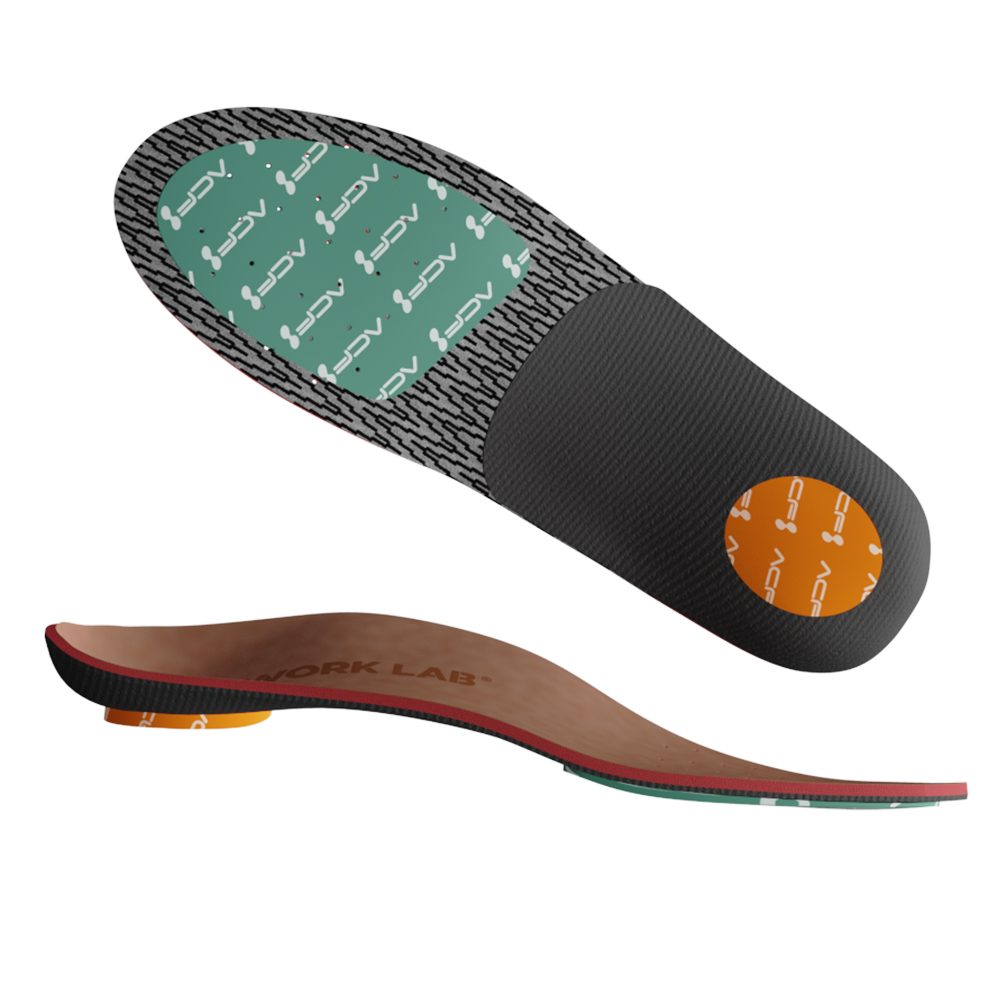
A build for a trader starts from the same premise as any occupational build — spread load more evenly, support the foot through its repetitive working movements, stop one small patch of tissue from absorbing the entire day — and then has to survive contact with this trade’s particular conditions. The market day asks the build to work across changing surfaces, in changing temperatures, inside footwear the trader chose for weather rather than for fit. That is the brief, stated plainly.
Three threads usually carry the design conversation. Support: whether the foot’s structure is held through the long still stretches and the frequent short walks in a way that distributes load rather than concentrating it — support, alignment and load distribution are what a build actually offers, and claims about correcting structures or improving gait are not in any fitter’s honest vocabulary. Ground contact: what the build contributes that cold flagstones and hot tarmac refuse to contribute, across a day of small repositionings and long waits. And the fit with the working boots as they are actually worn — with the winter socks, on the wet day — which is where the next section goes. Custom orthotic insoles, of the kind listed among our insole categories, are built to that brief once the professional has the measurements and the boots together in the room.
Say what the build is not, too: it is not an exemption from the market. The honest framing is a better condition to work in — load spread more evenly, the foot supported through the day it actually does — and a customer briefed that way at the fitting comes back to adjust rather than to complain. Traders are practical customers; they respect a build described in working terms far more than one described in promises.
Boots, socks and the two seasons
Unlike the uniformed trades, traders choose their own footwear, and they choose it for the weather first: waterproof boots through the wet months, lighter shoes in summer, thick socks in winter that change the interior fit of everything. Any build therefore has to answer a question uniformed trades rarely pose — one build across a rotating shoe wardrobe, or a build matched to the boot that does most of the year’s hours?
The practical route most fitting rooms take is to design around the dominant pair: the boot that carries the majority of market days, fitted with the socks it will actually be worn with. The summer shoe then gets a conversation of its own rather than a hand-me-down assumption — interiors differ, and a build moved between shoes without checking both interiors fits neither well. Bring both to the appointment. The same rule every fitting room runs — the shoes come in person, worn in — matters doubly when the wardrobe changes by season.
The layering of socks deserves its own minute in the conversation, because it silently changes everything downstream of it: shoe volume, foot position inside the shoe, and how any build sits. A build fitted around thin summer socks may float loosely inside a winter boot with thick socks underneath. Ask which socks are the everyday pair, fit around them, and note the choice on the sheet so the next reader of the file knows the build was designed for a specific, sensible pairing rather than an average of the year.
Adaptation and the market rhythm
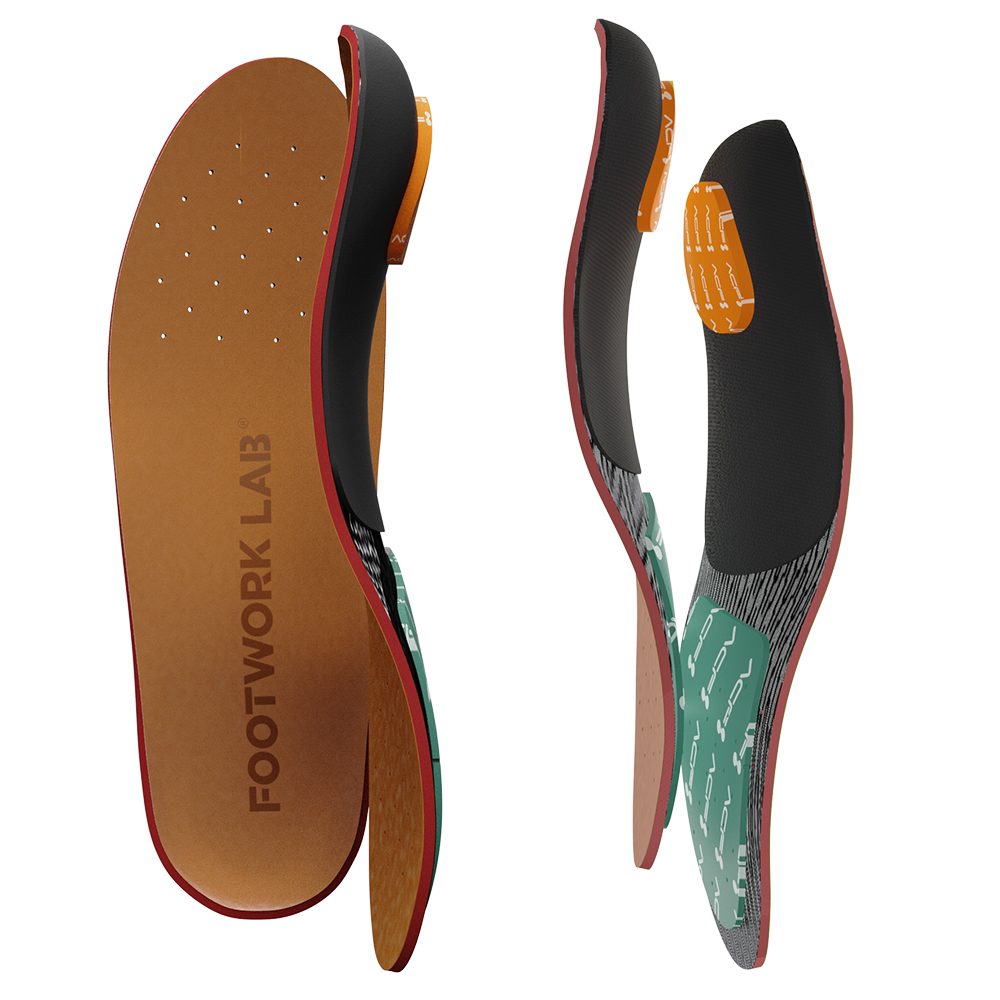
A new build changes how load travels through feet that have organised themselves around years of markets, and the introduction should follow the same honest pattern as any occupational build: a gradual first fortnight, no debuts on the longest trading day, and a check-in held until the customer has worked a full mix of weather and surfaces. The market rhythm adds one wrinkle worth planning around — many traders work their markets in bursts, with quiet days between, so the feet meet the build in concentrated doses rather than a steady run. Ask how the week is actually structured before writing the introduction plan.
The fortnight check-in should ask about the day in its halves, not in summary. How did the cold morning half feel, standing on the flagstones? How did the afternoon trading stretch feel on the flat ground? Did the teardown feel different in the new build than it did before? Halves produce usable descriptions; summaries produce “it’s fine”, which is a sentence that ends conversations instead of informing them. Whatever is reported goes on the record as the customer’s account, and what it means for adjusting the build is the professional’s decision, taken with the measurements on the desk.
Reassessment rounds the set. Markets move pitches, weather rotas shift the balance between wet and dry days, boots get replaced, and a build fitted against last year’s conditions gradually becomes an answer to a question nobody is asking any more. Tie the check-ins to real events — new pitch, new boots, a season that felt different — rather than to the calendar alone. Feet that work outdoors for a living earn that level of attention, and the traders who stand through rain and sun in the same morning will use it.
Frequently asked questions
Why are market days so hard on the feet?
Length and variety at once. The working day runs from setup before dawn to teardown after close, with no chair through any of it, and the ground changes character across the same shift — cold damp flagstones in the morning, sun-baked tarmac in the afternoon, rain whenever it arrives. Long still stretches alternate with short walks on surfaces that give nothing back.
Does standing on flagstones differ from standing on tarmac?
Yes, in temperature and in shape. Stone holds the night’s cold and carries unevenness that keeps the ankle busy with every shift of weight; tarmac is flatter and, in sun, hot through the shoe. A trader usually meets both in one day, and a build fitted for only one of them fits half the job.
What footwear do market traders usually wear?
They choose their own, which usually means weather-first decisions: waterproof boots through the wet months, lighter shoes in summer, thick socks in winter that change how everything fits inside the boot. Ask which pair carries most of the year’s hours and design around that pairing, with the socks actually worn.
Can insoles cope with wet conditions?
A build is designed for the conditions it will actually work in, and wet days are normal operating conditions for this trade rather than exceptions. The honest answer is to fit around the reality — wet boots, damp socks, the day as it happens — and to set expectations in working terms: better support and load distribution through the conditions, not an exemption from them.
Should traders use different insoles for summer and winter?
Most fitting rooms design for the dominant boot rather than running two builds, but the seasonal shoes deserve their own fitting conversation instead of an assumption that one build transfers freely. Interiors differ between boots, socks change the fit, and both shoes should come to the appointment before anything is decided.
How long does it take to get used to a new pair?
Plan on a gradual introduction across a couple of weeks, with no debut on the longest trading day. Because many traders work markets in bursts with quiet days between, hold the first proper check-in until a full mix of weather and surfaces has been worked, and ask about the morning and afternoon halves of the day separately.
When should a trader’s insoles be reassessed?
Tie reassessment to real events: a new pitch or market, new boots, a change in how many days are worked, or any change the trader reports in how the day feels. Outdoor working conditions drift season by season, and a build should keep answering the question the working year is actually asking.
What we would do next
Two changes for the coming week. First, a surfaces-and-weather block on the occupational intake sheet: which grounds the pitch uses, how the day splits between standing and walking, what happens to the shoes on a wet day. Second, a standing rule that the boots come to the appointment — the dominant pair, with the socks actually worn with them — before any build conversation starts. Traders talk about weather the way office workers talk about commutes, and both conversations belong on the sheet, not in the small talk.
For the comparison shelf, traders sit between trades you may already serve: the postal rounds that happen in the same rain (Six Miles of Pavement, Rain Included: Insoles for Postal Rounds), the landscapers and groundskeepers for whom nothing underfoot is level (Nothing Underfoot Is Level: Insoles for Landscapers and Groundskeepers), and the city delivery drivers who load and unload out of a van every few minutes. All outdoor, all weatherproof by necessity, none of them the same job.
And a question for the rooms that fit this trade: when a trader tells you the cold morning half is the one that hurts and the afternoon is fine, what do you change — and has that change ever been tested on a genuinely wet February Saturday rather than a mild one? We would genuinely like to hear how others have handled it.
This article is intended for professional and educational reference. It is not medical advice. Foot assessment equipment produces measurements and images; clinical interpretation and any decision about care remain the responsibility of a qualified professional. Certification scope is limited to the documentation we hold: European Union certification and ISO quality system certification.