
Vetting a machine manufacturer is a different exercise from choosing a machine. The specification tells you what a press can do on a good day; the manufacturer decides whether it can still do it in year five, when a seal has hardened and the person who installed it has moved on.
Most buyers run the two exercises in the wrong order. They compare specifications, shortlist two or three suppliers, and only then start asking whether those suppliers are factories. By that point the question is being asked of a salesperson who has been preparing for it since the first email.
We build assessment systems, not presses, and we buy equipment for our own plant in Ruichang, so we have sat on both sides of this conversation. What follows is the set of signals we look for, and the ones that make us slow down.
Time on the floor is worth more than any single document, and the way to get it is to ask for a slower tour. Request that the camera pauses at the testing area for a full minute, and ask what the person there is checking. The answer reveals whether testing is a station with a routine or a final glance before packing, and that difference predicts most of the field failures a buyer will experience.
Floor evidence beats showroom evidence
A factory has a production floor with work in progress on it. A trading company has a showroom with finished products in it. Both can produce a video; only one can produce a floor where parts are being machined, assembled, wired and tested in a sequence that makes sense.
What to look for on that floor: sub-assemblies waiting for assembly, a testing area with machines running, a rack of jigs and fixtures that look used rather than staged, and people who are working rather than presenting. A floor where every surface is clean and every machine is idle is a floor that has been prepared.
Ask to see the area where frames are welded or machined, even if the answer is that frames are bought in. The answer is informative either way: a manufacturer knows exactly which parts are made in-house and which are not, and will say so without embarrassment.
Then ask who does the final test, and what the test consists of. A machine tool manufacturer should be able to describe a run-in period and an inspection checklist. If the answer is “we test it before shipping”, ask for the checklist. The document is the evidence, and its absence is also evidence.
Capacity claims are worth testing on the floor rather than in the brochure. Ask how many units of the model you are considering were built last month, and ask to see the build list or the dispatch records for that month. A manufacturer answers from a production plan; a reseller answers from a stock report, and the two sound different when spoken aloud.
Documents that separate a factory from an assembler
Three documents do most of the work. The first is a bill of materials with part numbers, at least at the assembly level. A manufacturer has one because they need it to build. An assembler often does not, because they buy completed units.
The second is a drawing or a specification sheet for the structural parts. You are not asking for intellectual property; you are asking whether drawings exist. A supplier who cannot produce a drawing of a frame cannot support that frame in five years.
The third is an inspection record from a recent unit, showing what was checked and by whom. This is the document most often missing in this industry, and its absence explains why so many machines arrive working and drift within a year.
One further document matters for buyers with an engineering team: the electrical schematic. A machine without a schematic is a machine that can only be repaired by the supplier, which converts every future fault into a shipping event.
One document that is rarely requested and always revealing is a warranty claim record. Ask how many claims were handled in the past year and what the three most common causes were. A manufacturer with a real service history knows the answer and is usually willing to share it, because the causes are design lessons rather than embarrassments. A supplier who claims there were none is either very new or not the party handling them.
Spare parts: the question that predicts year five
Ask for the spare parts list with part numbers, then ask which of those parts the supplier holds in stock. The two answers together are the most accurate predictor of downtime you will get before purchase.
Wear parts are the ones to focus on: seals, hoses, heating elements, thermocouples, relays, belts and, for forming equipment, the contact faces of tooling. These are the items that will be needed, and the question is whether they are on a shelf or on a ship.
Then ask what the standard lead time is for a part that is not in stock, and who pays the freight. A supplier who hesitates on this question is a supplier who has not thought about the after-sales side, which is a warning about the whole relationship rather than about one part.
Finally, ask whether the controller or the software is proprietary, and what happens if the supplier stops supporting it. Machines with proprietary controllers are perfectly reasonable purchases, provided the buyer understands that the controller is the supplier’s, and that its failure is not a local repair.
The trading-company pattern
Trading companies are not villains. Many provide real value: language, logistics, consolidated sourcing, and a single point of contact. The problem is only when a trading company presents itself as a factory, because the buyer’s assumptions about support, spare parts and accountability are then built on something that does not exist.
The pattern shows up in small details. The website shows products from several unrelated categories. The salesperson answers technical questions by forwarding them. The factory address changes between documents. The product photographs are reused across several brands. The quotation arrives with a different company name on the bank details.
None of these is conclusive on its own, and all of them together describe a reseller. The honest response to that finding is not to walk away; it is to reprice the risk. A reseller with a good factory relationship can be a fine supplier, provided the buyer knows that the factory is the real counterparty and can be reached.
The question to ask directly is simple and rarely asked: “Which parts of this machine are made in your facility?” A factory answers with a list. A reseller answers with a paragraph, and the paragraph is the answer.
Ask, too, what the factory does when an order is late. Every manufacturer has a late order eventually, and the answer describes the operation more honestly than any capacity claim: whether it communicates early, whether it reallocates, and whether it tells the buyer before the buyer discovers it. How a supplier behaves under pressure is the best available proxy for how it will behave after the invoice is paid.
A remote audit protocol that works
Most buyers cannot visit, and the ones who can often visit a prepared room. A structured remote audit is more reliable than an unprepared visit, because it asks for the same evidence from every supplier.
Start with an unscripted video call, scheduled without warning about the content. Ask for a walk from the entrance to the assembly area, without cuts. Cuts are where preparation happens, and a supplier who cannot walk you through their own building without editing is telling you something.
Then ask for three specific things to be shown live: a unit under test, the spare parts storage, and a drawing for the frame of the model you are considering. Live requests are difficult to prepare for and easy to satisfy if the operation is real.
Follow up in writing with the same questions, and compare the written answers with what was said on the call. Inconsistency between the two is more informative than either alone, and it is the most common finding in vendor vetting.

Run the same three questions past two suppliers and compare the shape of the answers rather than their content. Factories tend to answer in specifics — a part number, a month, a person — while resellers answer in reassurances. Specificity is difficult to improvise, and it is the most reliable signal available to a buyer who cannot visit.
Finally, ask what happens to documentation after delivery. A manufacturer keeps a copy of the build record for the serial number, which means a fault in year four can be traced to the batch that produced it. A reseller rarely has that record, and the absence is felt exactly when it matters most: when a fault is unusual and the only useful question is what was different about that unit.
Commercial signals worth reading
Who quotes tells you who is accountable. If the quotation comes from the factory, with the factory’s terms, the buyer has a direct relationship. If it comes from an agent, the buyer has a relationship with an agent, and the factory relationship is someone else’s asset.
Who negotiates matters too. A factory negotiates on scope: what is included, what is optional, what can be simplified. A reseller negotiates on price, because scope is not theirs to change. Both are legitimate; they are simply different conversations, and confusing them wastes time.
Who invoices decides where the money goes and, more importantly, whose warranty applies. Payment to a third party in a different name is the single most common source of disputes in equipment purchases, and it is entirely avoidable with one question before the deposit.
The last signal is who answers after the sale. Ask for the name, the channel and the time zone of the person who will handle technical questions in month six. A supplier who can answer that question has thought about the relationship; one who redirects to a general inbox has not.
A final check concerns ownership of the design. Ask who owns the drawings, who can authorise a modification, and what happens to the design if the relationship ends. Buyers who intend to order repeatedly should know whether the machine they are standardising on belongs to a factory that will still be making it in five years, or to an assembly operation whose supplier may change.
None of these checks is adversarial. A supplier who is genuinely manufacturing something is usually pleased to be asked, because the questions are the ones that separate them from competitors who are not. The buyer’s job is not to catch anyone out; it is to make sure that the assumptions behind a five-figure purchase are true before the money moves. A supplier who finds that tedious has told you something useful about the next five years.
What we do, and what we do not
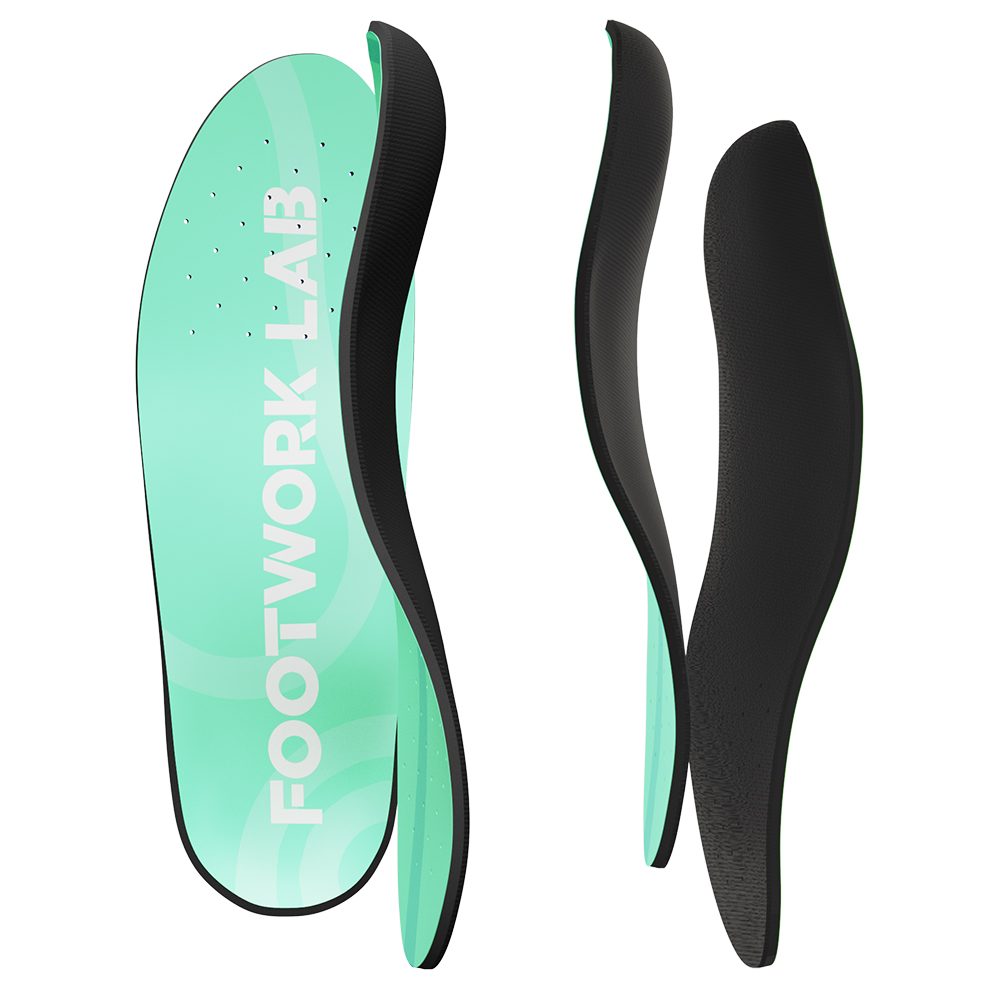
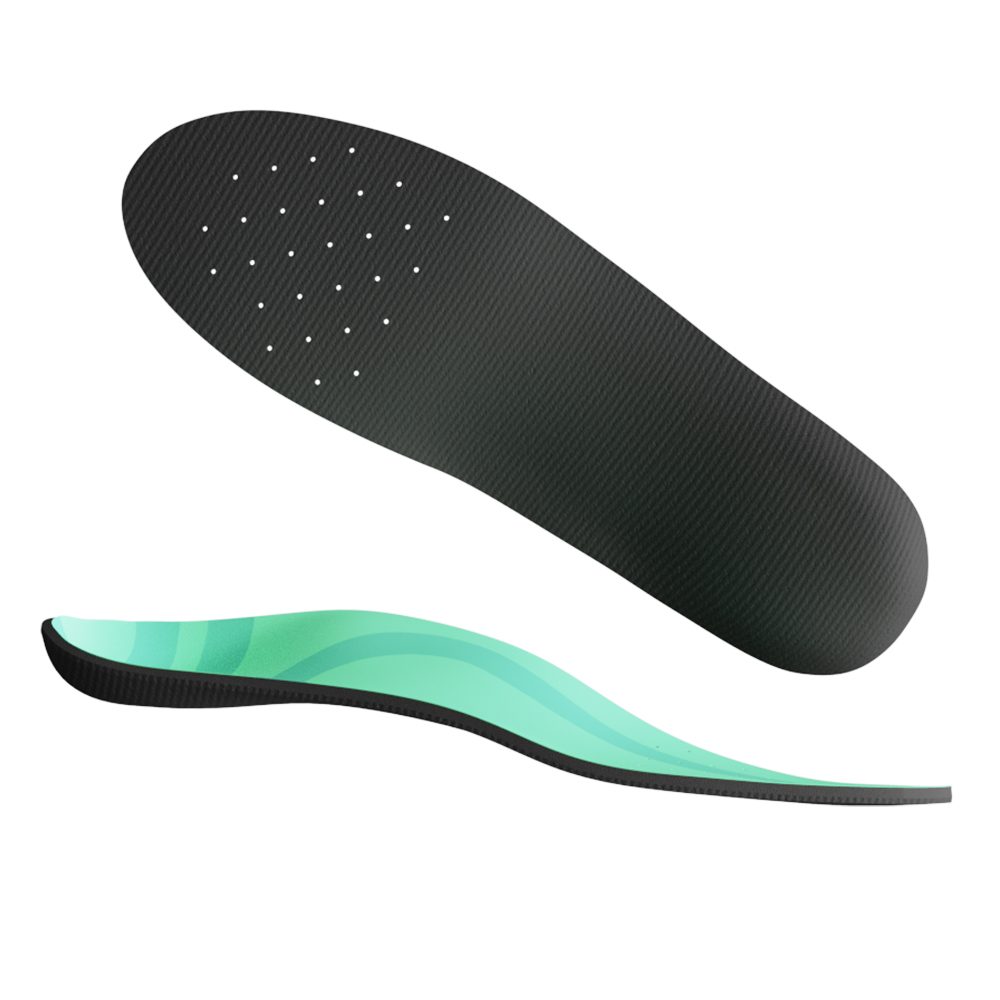
Our scope is foot assessment systems and finished custom orthotic insoles. We design and build the assessment systems, we produce insoles to specification, and we hold the documentation for both. We do not manufacture presses, ovens or trimming equipment, and we say so rather than quoting for something outside our competence.
That boundary is useful to buyers in this category, because it means our advice about forming equipment comes from operating it rather than from selling it. When a clinic asks what a machine has to do, the answer comes from our own production floor, where the same questions were settled by experience.
For buyers who conclude that they would rather not buy equipment at all, there is a third route: assess and specify in the clinic, produce through a factory, and hold a small stock of finished pairs. We run that model for customers in several markets, and it converts a capital problem into a purchasing one.
Frequently asked questions
Do you manufacture insole machines?
No. Our scope is foot assessment systems and finished custom orthotic insoles. We run forming and molding in our own plant and can explain what equipment has to do, but we do not build or sell presses, ovens or trimming equipment.
What is the fastest way to tell a factory from a reseller?
Ask which parts of the machine are made in their facility, then ask for a drawing of the frame and the spare parts list with part numbers. A factory answers with a list and documents; a reseller answers with a paragraph.
Is a video call enough for a remote audit?
It is enough if it is unscripted. Ask for a walk from the entrance to the assembly area without cuts, then request three live views: a unit under test, the spare parts storage and a drawing for the model you are considering.
Which spare parts should be stocked by the buyer?
The wear items specific to your process: seals, hoses, heating elements, thermocouples, relays and belts. Ask the supplier which of those they hold and what the lead time is for the rest, then decide what you can afford to wait for.
What is the minimum order for your assessment systems?
A single unit. Machine orders start from one, and each system ships with a dedicated WhatsApp group, direct access to our engineers, remote assistance where the site allows it, and over-the-air updates for units connected to the internet.
What does the machine warranty cover?
Twelve months on non-human damage, with free replacement parts. The warranty is a floor rather than a strategy, which is why the support structure behind it — engineers reachable directly, remote assistance, updates — matters more in practice.
Can we buy insoles from you instead of equipment?
Yes. Insole production runs with a minimum order of two hundred pairs, mixable across models and sizes, with samples dispatched within three days of specification approval. ODM and OEM work are both accepted.
What we would do next
Before the next supplier call, write the three questions you will ask every supplier in the same words: which parts are made in your facility, which spare parts do you hold, and who answers technical questions in month six. Comparing answers to identical questions is the only fair comparison. If the conclusion is that you would rather buy insoles than equipment, the insole categories page shows what we produce and the FAQ page covers order terms.
This article is intended for professional and educational reference. It is not medical advice. Foot assessment equipment produces measurements and images; clinical interpretation and any decision about care remain the responsibility of a qualified professional. Certification scope is limited to the documentation we hold: European Union certification and ISO quality system certification.