
Fitting footwear and orthotics in one session is where the two products either cooperate or compete — and the order of the session decides which. Shoe first, insert second, decision last sounds obvious, and it is violated daily in both directions: inserts recommended before the shoe is chosen, or shoes sold with an insert conversation that the shoe’s construction makes irrelevant.
A combined session done well reduces returns more than any product improvement on either shelf. The returns are rarely about quality; they are about two good products installed in an order that made them argue — an insert stacked on a moulded footbed, a shoe chosen for a foot that then changed height by a thickness.
This article is the session, step by step: the sequence, the checks at each step, the notes that travel with the sale, and the follow-up that turns a fitting into a relationship. We manufacture custom insoles and the equipment that measures for them, and we see the downstream of fittings — the remakes and the reorders — so the sequence here is written from the outcomes backwards.
Why the order decides the outcome
The shoe sets the physical limits before the insole exists: its footbed, its depth, its toe box, its heel counter. An insert fitted before the shoe is chosen is fitted to an abstraction — the foot, yes, but not the environment the foot will stand in. The same insert succeeds in one shoe and fails in another, and the failure arrives as a complaint about the insert.
The reverse error is quieter: a shoe sold for fit alone, with the insert conversation deferred, loses the follow-up moment. The customer buys shoes, wears them wrong for their feet for a month, and the eventual insert conversation starts from a complaint instead of from a fitting. The moment when both products could be considered together is brief, and it is at the counter.
The order also disciplines the conversation. Shoe first keeps the discussion about fit and volume, which customers understand. Insert second keeps it about duty and specification, informed by the shoe that is now known. Decision last keeps both products from being judged in each other’s absence.
One session, three steps, and the discipline is entirely procedural — which is good news, because procedures train faster than product knowledge and survive staff turnover better.
Step one: the shoe, fitted to the foot
Fit the shoe for fit and volume, and make the customer walk in it before anything is discussed about inserts. A shoe that pinches at minute five will be returned regardless of what happens later, and the insert will take the blame for a shoe that was wrong from the start.
While fitting, read the three features that decide the insert conversation: whether the footbed is removable, how much depth exists above it, and how firm the heel counter is. Thirty seconds with a thumb and a glance — and the insert step now has its constraints, before the customer has heard the word insert.
Say the shoe’s verdict out loud in those terms: this one has a removable footbed and decent depth — inserts will sit naturally; this one is moulded and close-fitting — inserts would need to be slim. The sentence sets expectations early enough that the later narrowing feels like care rather than upsell’s opposite.
And let the customer own the shoe choice. The fitter’s job is to fit and to inform the constraints; the customer who chose the shoe cooperates with what follows, and the customer who was assigned it returns it.
Step one has a variant worth adopting in rooms that see the same clients regularly: the history glance. Before fitting, look at the shoes the customer walked in on — the wear pattern tells the fitter what the last months actually did, regardless of what the customer remembers. Wear on the outer heel, wear through the forefoot, asymmetric wear; each is a note the fitting can use and the insert step can address. The glance costs ten seconds, and it is the only part of the history that cannot be misremembered.
Step two: the insert, matched to shoe and duty
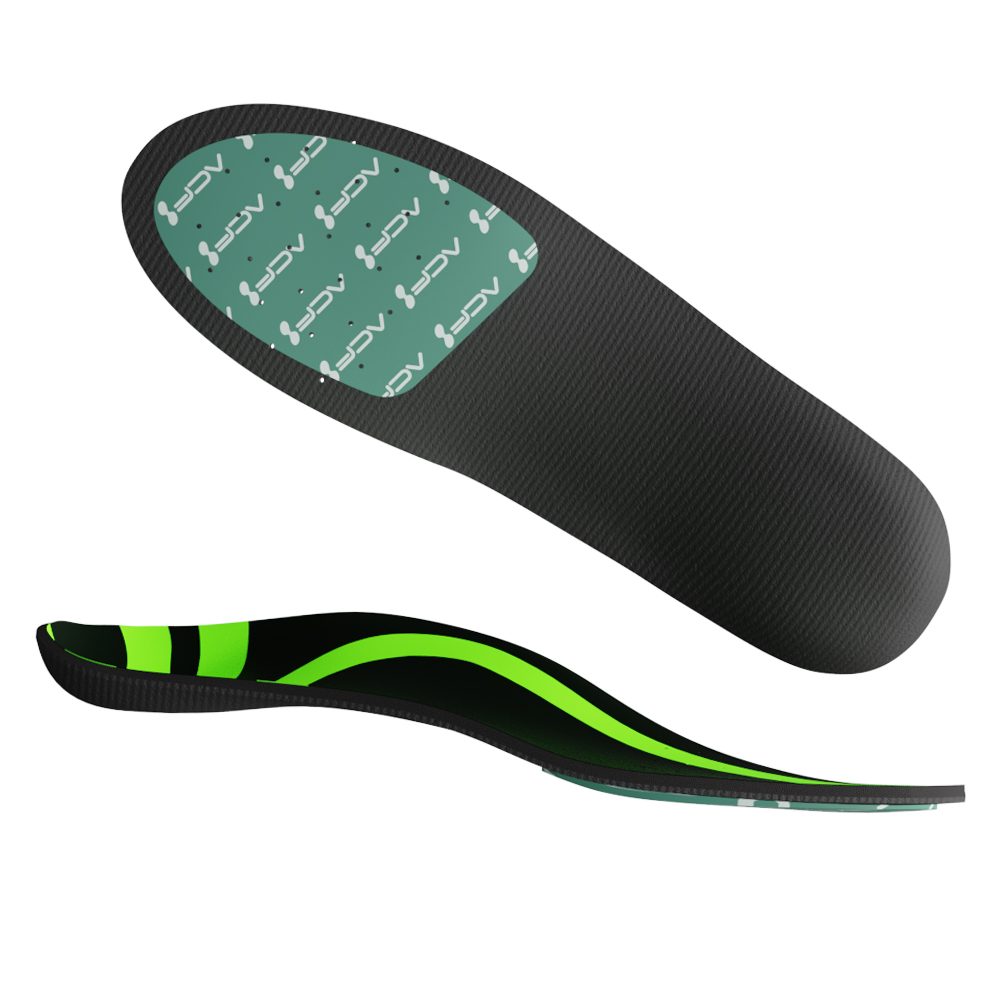
With the shoe known, the insert question becomes concrete: what can this shoe host, and what does this customer’s day demand. The two answers meet in the recommendation — support-first where the duty is long hours, cushioning-first where impact dominates, slim constructions where the budget is a dress shoe’s.
If a footbed was removable, remove it now, in front of the customer, and seat the insert against the heel. The demonstration matters: the customer who watched the footbed come out understands why the insert sits flat, and the customer who did not will stack it at home and call it a defect.
For the made-to-measure path, this is where the measurement enters: the pressure record and alignment capture taken in the session, plus the shoe details just established, become the specification. The measurement is minutes; the shoe details are what make the specification real rather than theoretical.
Match the insert to the duty out loud: hours, surfaces, activity, the shoe it will live in, and the trade-offs the budget allows. Customers accept a named trade-off; they return an unnamed one.
The measurement step deserves its paragraph of staging: the capture should happen after the shoes are off, with the feet rested a moment, and the conditions recorded — the same protocol discipline as any assessment. Rooms that bolt a measurement onto the end of a busy fitting produce records that vary with the hurry, and variation is the enemy of the comparison visit that makes custom work worthwhile. Two minutes of staging protects the record’s value; the record is the part of the session that outlives the shoes.
Step three: the walk test, both products together
The decision step is walked, not discussed: the customer walks the actual shoe with the actual insert, at their own pace, long enough for the novelty to fade. The fitter listens for the specific things: heel staying seated, arch meeting the foot without a point, toes leaving the floor without a catch.
Ask the guided questions rather than the general one — not how does it feel, but does the heel lift, does anything press the instep, does the front of the shoe still have room. Guided questions surface the specific problems that specific answers address; the general question collects politeness.
What the walk test finds is cheap to resolve now: a slimmer construction, a footbed reconsidered, a different shoe from the same shelf. The same findings after a week of wear are a return, processed with margin lost twice and goodwill lost once more.
And close with the expectations, in the customer’s words: the first day feels different, the shape settles in a short break-in, and if something pinches — pinches, not merely feels new — come back and it will be adjusted. The sentence prevents the quiet abandonment that never registers as a return but registers as a lost re-order.
The notes that travel with the sale
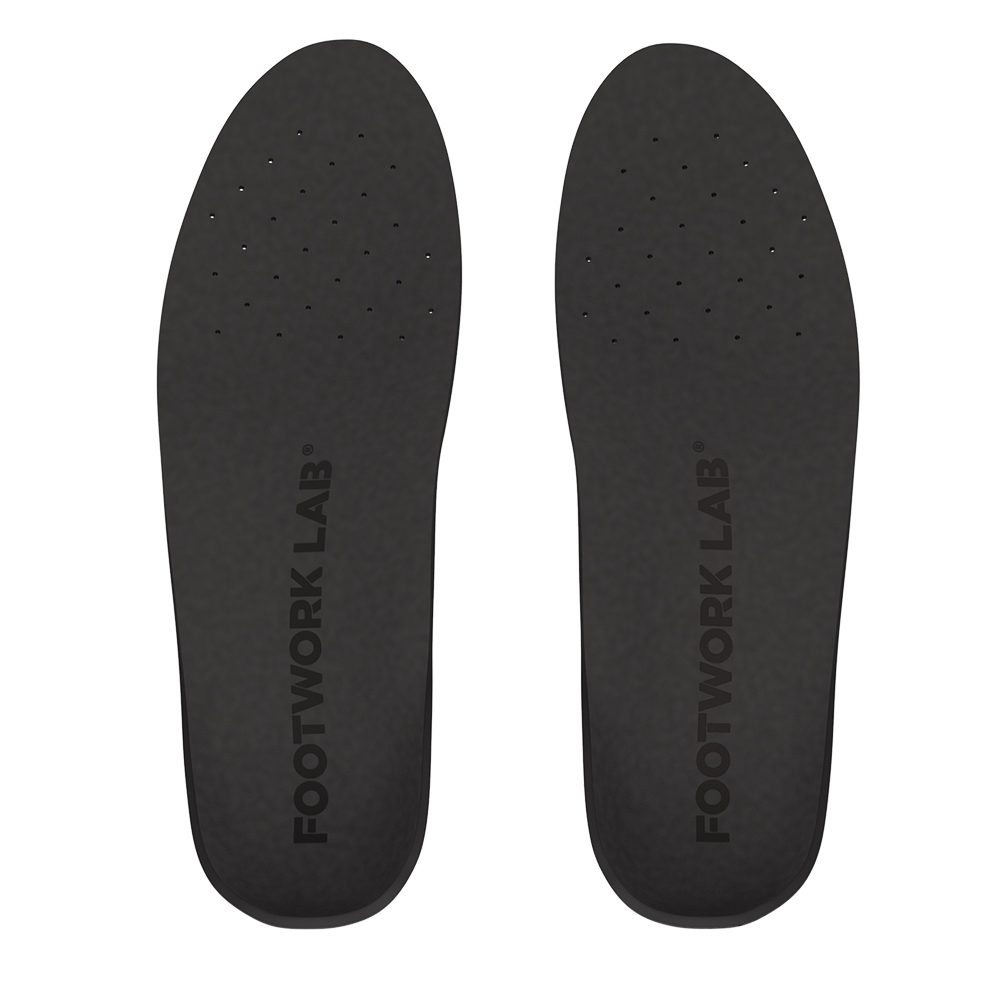
A combined fitting produces information worth keeping: the shoe model and its footbed state, the insert chosen or specified, the walk-test findings, and — where a measurement was taken — the record with its conditions. The file is the fitting that persists past the staff turnover and past the customer’s memory.
For single-pair retail, the file is a card or a line in the till system: shoe, insert, date, notes. Its value arrives at the return visit, when the question what did I buy last time becomes a lookup instead of an archaeology.
For made-to-measure work, the file is the specification: measurement, shoe details, duty notes, the changes agreed at the walk test. Our production consumes exactly that file — samples in three days, production from the reviewed specification — and the remake conversation, if one ever happens, starts from the document rather than from disagreement.
The file also feeds the follow-up: a customer whose insert wears on a knowable schedule is a customer whose reorder can be anticipated. Programs are built from files; transactions are rebuilt from scratch every time, and the difference is the entire economics of the counter.
The file has one more use that rooms discover with delight: the complaint referee. When a customer returns sure that something changed, the file says what was, and the conversation starts from evidence — the walk-test notes, the fit findings, the conditions of the measurement. Some complaints end with an adjustment; some end with the customer remembering that the pinching started after the new boots. Either way the file ends the argument before it starts, and arguments are the most expensive thing a counter sells, because they are always given away free.
The follow-up that turns a fitting into a relationship
Book the check-in when the customer is still at the counter: two or three weeks out, short, specific — how is the shape settling, anything pressing? The booked follow-up converts a sale into a service and surfaces the small problems while they are still adjustments.
Use the follow-up to inspect, not to sell: the insert’s shape, the shoe’s wear pattern, the customer’s habits since. The inspection either confirms the fitting or catches its exception, and both outcomes deposit trust. The re-order conversation, when it comes months later, is made easy by every inspection that happened before it.
Where a measurement was taken, the follow-up is where the comparison habit starts: the next record under the same protocol, whatever changed in between. The comparison is the product that keeps giving, and it is only available to rooms that kept the first record’s conditions.
And let the follow-up teach the program: which shoes the customer actually wore, which duty the insert actually served, which notes were right. A season of follow-ups rewrites the fitting script better than any consultant — the counter is a research department that happens to also sell.
The session, summarised
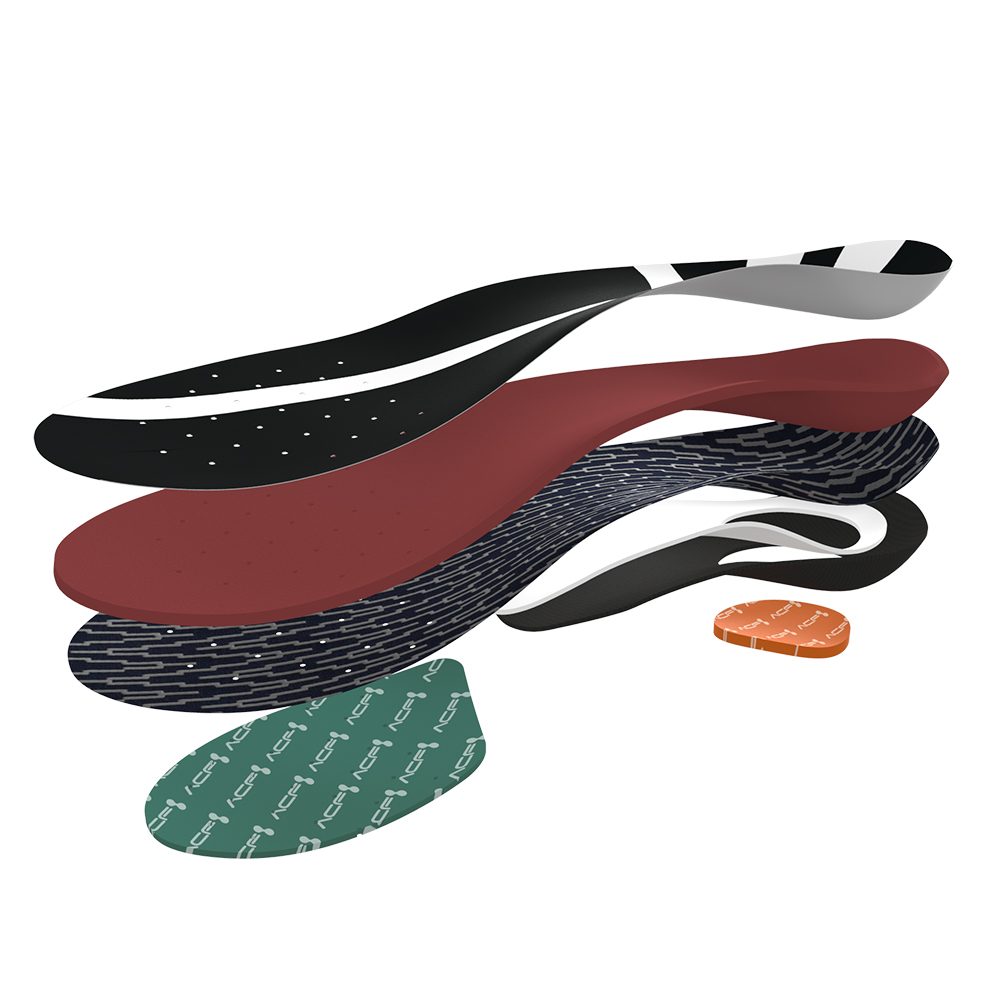
Shoe first: fitted to the foot, walked before discussion, its three insert-relevant features read aloud. Insert second: matched to the shoe’s budget and the customer’s duty, footbed removed in front of them, measurement taken where the path is custom. Decision last: walked, asked with guided questions, closed with expectations in plain words.
Then the notes and the follow-up: the file that makes the next visit a continuation, the booked check-in that makes the sale a service, the comparison record that makes the relationship compound.
The sequence reduces returns because it installs the two products in cooperating roles — the shoe chosen for the foot, the insert chosen for the shoe and the day — and because it catches the mismatch while the answer is a shelf away rather than a parcel away.
None of it requires new products. It requires an order, a script and a file — the cheapest equipment on the floor, and the only part of the fitting the customer never sees and always feels.
And a last thought on who runs the sequence: it trains. The three steps are procedural by design — fit, read, walk — and a new staff member can run them from a laminated card in week one, with the product knowledge deepening behind the procedure rather than blocking it. Rooms that wait for expertise before installing the sequence wait for a hire that carries it, and such hires are rare and expensive. Rooms that install the procedure train the expertise into whoever arrives, which is how counters get better instead of merely busy.
Frequently asked questions
Should the insole be chosen before or after the shoe?
After. The shoe sets the limits — footbed, depth, heel counter — and the insert has to fit those limits and the customer’s duty. An insert chosen first is fitted to an abstraction; the same insert succeeds in one shoe and fails in another.
Do I remove the original footbed before fitting an insert?
Whenever it is removable, yes — in front of the customer, so they repeat it at home. The insert then occupies the space designed for the footbed, the fit stays true, and two arch shapes do not compete under the foot.
What should a walk test check?
Heel seating, the arch meeting without a point of pressure, instep clearance, toe room on the lift-off. Ask guided questions — does the heel lift, does anything press — rather than the general how does it feel, which collects politeness instead of findings.
How does a custom insole order start from a fitting session?
With the measurement — a pressure record and alignment capture — plus the shoe details and duty notes gathered in the session. That file is the specification: samples ship within three days, and production follows the reviewed specification.
What should the fitting notes include?
Shoe model and footbed state, the insert chosen or specified, walk-test findings, and the record with its conditions where a measurement was taken. The file is what makes the return visit a continuation rather than an archaeology.
When should customers come back after a combined fitting?
Two or three weeks, booked at the counter: a short, specific check-in on settling and pressure. The follow-up either confirms the fitting or catches its exception while the answer is still small — and it is where the re-order relationship starts.
What are your custom insole terms?
Minimums start at two hundred pairs, mixed across models and sizes; samples ship within three days; production runs on our own line with capacity in the hundreds of pairs per day. Insoles are available as ODM and OEM, with scope agreed in writing.
What we would do next
Adopt the three-step sequence at your counter this week — shoe, insert, decision — and write the script for the boundary sentences. The measurement that upgrades the session to custom: F2 / FMP Gait Scanner.
For the shoe-side detail — how volume, footbeds and counters decide what an insert can be — our guide on foot orthotic inserts and shoe fit is the companion read.
This article is intended for professional and educational reference. It is not medical advice. Foot assessment equipment produces measurements and images; clinical interpretation and any decision about care remain the responsibility of a qualified professional. Certification scope is limited to the documentation we hold: European Union certification and ISO quality system certification.