
A shop owner types four words into a search bar, gets two different sets of results, and assumes she is looking at two different products. In one version the noun comes first and the modifier trails behind it; in the other the modifier leads. The listings that come back are not identical: the titles are ordered differently, the photographs are chosen differently, and the descriptions begin with different claims. She screenshots both pages and sends them to a supplier with a one-line question about which one she should be comparing. The honest answer is that she is comparing one question asked twice, and that the difference between the pages is a difference in marketing rather than in machinery. This article explains why the two orders exist, how a listing behaves under each, what a buyer should look for in either case, and which parts of the purchase — the record, the handoff to the customer, the build request that follows — do not change at all when the words swap places.
Two orders, one query
Search engines have been normalising word order for long enough that the two phrases return largely overlapping results. The intent behind them is identical: a person wants a machine that looks at a foot and produces something useful on a screen. What differs is the phrasing habit of the buyer and the phrasing habit of the seller, and those two habits have grown apart. Buyers type the version that sounds like speech; sellers write the version that reads like a product category.
The overlap is not complete, and the gap is instructive. The order that leads with the modifier tends to surface listings written by suppliers who think of themselves as belonging to a technology category, and those listings lead with capture. The order that leads with the object tends to surface listings written for a trade audience — shops, clinics, fitteries — and those listings lead with what the machine does in a room. Neither order is more accurate. They are two doors into the same corridor, and the rooms behind them are furnished by whoever wrote the page.
For a buyer, the practical consequence is that searching both orders is worth the extra ten seconds, not because the products differ but because the sellers do. A supplier who appears under one order and not the other has told you something about how they think about their market. A supplier who appears under both, with the same specification in each, has told you something more useful: that the page was written by someone who understands that the words are a doorway rather than a description.
There is a small trap in the overlap. Because the results interleave, a buyer can end up comparing a machine that records load with a machine that captures shape and conclude that the market is confusing. It is not confusing; it is two categories sharing a keyword. The way out is the same in both orders: ignore the title and read what the page says the session produces.
Why the modifier moves at all
English allows an adjective to sit before its noun or to trail it in a phrase, and the two positions carry slightly different weight. Placed in front, the modifier becomes part of the name of the thing; placed behind, it becomes a description of the thing. A seller who puts it in front is claiming a category. A seller who puts it behind is adding a detail. Neither construction is wrong, and both appear in trade catalogues that have been printed for decades.
Marketplaces then amplify the difference, because titles are assembled to match how people search rather than to read well. A listing titled with the modifier first is optimised for the buyer who thinks in category terms; one titled with the object first is optimised for the buyer who thinks in tasks. The same workshop can publish both, sometimes from the same account, sometimes in different languages, and the specifications will be identical underneath.
Buyers contribute their own variation. Some type what they would say to a colleague — the thing that scans a foot — and some type what they would write on a purchase requisition. Add the habit of dropping spaces, and the four words fragment into a dozen strings that all mean one thing. A supplier who chases every variant is chasing search behaviour, not customers, and the pages that result tend to read like keyword lists rather than like answers.
What is worth noticing is which position the word occupies in the listing that finally gets shortlisted. If the word is in the title but absent from the specification, it was decoration. If it is in the specification, the page has committed to something and can be questioned about it. That test works in either order and takes about a minute.

Reading a listing that leads with the object
When the noun comes first, the title reads as a task: a device for a foot, with a modifier attached at the end. Listings written this way are usually aimed at trade buyers, and the body of the page tends to be concrete — what the machine sits on, how many passes it runs, what the customer receives. That concreteness is a good sign, because a supplier who can describe a session in plain language usually has one running somewhere.
The risk in this order is under-specification. A page can spend its length on the room, the counter and the customer journey and never say what appears on the report. A buyer who shortlists on that basis has bought a workflow rather than a record, and will discover the gap when the first customer asks what the numbers mean. The check is simple: find the list of named items. If there is no list, there is no record, whatever the photographs show.
The second risk is that the trailing modifier is doing no work at all. Some pages attach it because competitors do, and the specification underneath is a pressure plate with a report — perfectly good equipment, described dishonestly. A buyer who has read the page carefully can usually spot this: the word appears in the title, in the meta description and in the first paragraph, and then never again. That pattern is worth asking about directly, in writing, before a deposit.
The advantage of this order is that it tends to surface suppliers who can talk about a shop or a clinic week. Those conversations produce better questions from the buyer, and better questions produce a shorter shortlist. A page written for a trade audience will usually tell you how long a session takes and who operates it, which are the two facts that decide whether the machine gets used on a busy Saturday.
Reading a listing that leads with the modifier
When the modifier comes first, the title reads as a category: a particular kind of foot device, with the object as its subject. Listings written this way often belong to suppliers whose product is a surface capture, because that is the family for which the modifier is literally true, and the page will usually show a rendered foot, a light pattern or a file format. That is a coherent claim, and a buyer who needs geometry should follow it.
The risk in this order is category drift. A supplier with a pressure system may adopt the leading modifier to stay in the same search results, and the page then has to work harder to explain what it actually does. When that explanation is missing, a buyer can arrive at a demonstration expecting a model and be shown a report. The disappointment is not really about the machine; it is about a word that was borrowed and never returned.
A buyer reading this order should look for the place where the page describes the output. If the output is a file, the machine captures shape and the purchase is a manufacturing input. If the output is a set of named values with a date, the machine records and the purchase is a decision input. If the page cannot say which, the supplier either does not know or does not want to, and both answers are reasons to keep looking.
There is a useful side effect to searching this order: it tends to surface the more technical pages, including the ones that discuss resolution, file formats and export. Even a buyer who does not need that family can learn from them, because the questions they raise — what happens to the file, who can open it, how it is stored — apply to any record, in any category, in either word order.
What does not change with word order
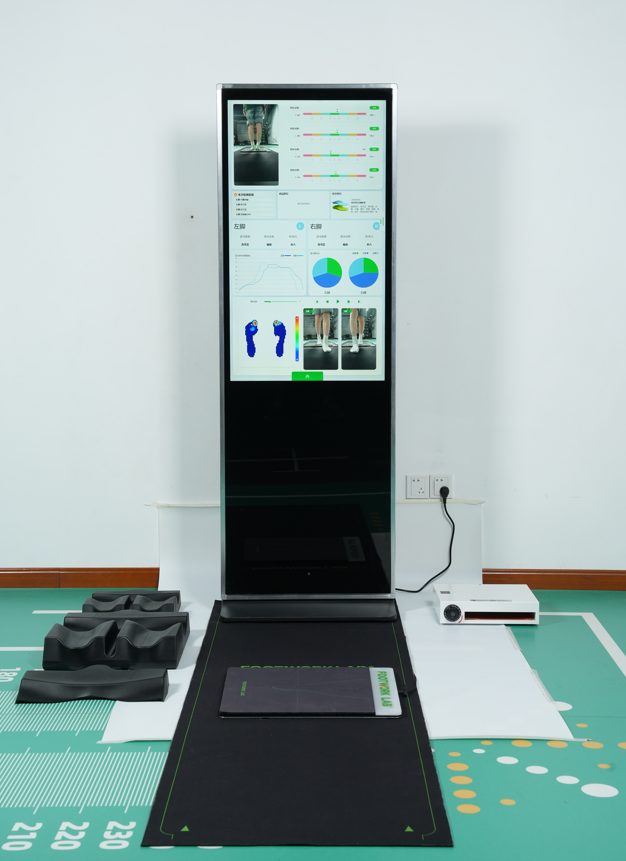
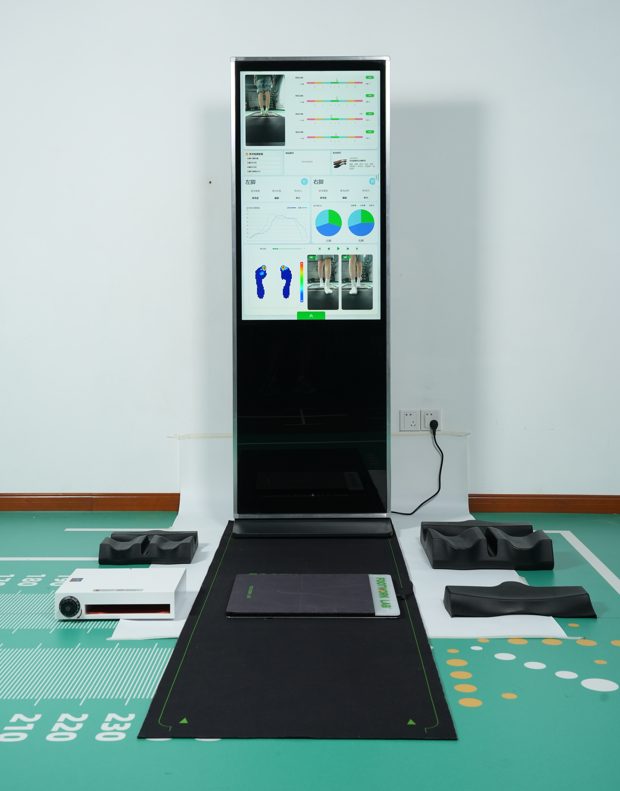
The record does not change. Whether the words are typed one way or the other, the useful questions about a session are the same: which passes were run, which items appear on the page, whether two visits can be compared, and who reads the result. The X3 records arch presentation, lower-limb alignment, static pressure and dynamic gait, and captures a round-trip walking video that a fitter can replay with a customer. Those items are the same list regardless of how the search was phrased.
The handoff does not change either, and this is the part buyers underestimate. A report is only useful if it reaches the person who will act on it, and there are three routes that cover almost every case: a code the customer scans, an email copy that lives in their inbox, and a print on the spot for the ones who want paper. A shop uses all three in a week without thinking about it. The route is chosen by the situation, not by the search term that produced the machine.
The build request does not change. When the session leads to an insole, the fitter takes the record and turns it into a specification — style, grading, size, the corrections the professional has decided on — and the factory builds to it. On the X3 there is an additional step for footwear: the shoe range is entered into a library first, and only then can the system offer a shoe recommendation against the record. That library is a local asset, built up over months, and it is the same asset whichever order the buyer typed.
What does change, slightly, is the buyer’s own expectations. A person who searched with the modifier in front may arrive expecting a modelled foot and be surprised by a report; a person who searched with the object in front may arrive expecting a quick screen and be surprised by the depth of the record. Both surprises are avoidable with one sentence on the first page, which is why we put that sentence early rather than in a footnote.
A short routine for either order
Read the title twice, once for the noun and once for the modifier, and decide which one the page is actually about. Then find the output: a file, a report, or a recommendation with nothing behind it. That single step sorts most shortlists, and it works whether the words arrived in one order or the other, in a marketplace listing or on a supplier’s own site.
Then ask three questions of whichever page survives. What happens to the record after the session — which format, who can reopen it, whether two visits sit side by side on a computer that is not the machine. How the routine is standardised — same instruction, same starting foot, same position in the room. And who reads the output, listening for whether the answer includes anyone outside the vendor’s company. A supplier who answers all three with specifics has thought about the second year.
We are clear about our own boundaries. The X3 is not a surface capture device: it records pressure, alignment and gait, and there is no modelled foot and no laser in it. The modifier in the search bar is a market phrase, not a description of our hardware, and a buyer who needs geometry for a carving workflow should be told so in the first email. We do not diagnose, and no item on the report is a finding; reading the values belongs to a qualified professional. We do not publish prices, because a quotation depends on configuration, destination and the service around the unit, and we do not promise exclusivity by region, which is a distribution agreement rather than a product term.
What we do publish is the structure a buyer can plan against. One unit is the minimum order, machines accept ODM, and every unit is tested at the plant for seven days before dispatch. The warranty runs twelve months against non-human damage with free parts. Support runs through a dedicated WhatsApp group with engineers reachable directly, remote assistance when a session misbehaves, and over-the-air updates where the unit is on a network. None of that changes with word order either, which is the quiet point of this article.
Frequently asked questions
Do the two word orders mean the same thing?
In intent, yes. Both describe a person looking for a machine that examines a foot and produces something on a screen. The results overlap heavily because search engines normalise order, and the differences that remain come from how sellers write titles rather than from what the machines do.
Why do the listings look so different under each order?
Because the two orders attract different writing habits. Modifier-first titles tend to come from suppliers who think in technology categories and lead with capture; object-first titles tend to be written for a trade audience and lead with the room, the counter and the customer.
Which order should I search with?
Both, once. The extra ten seconds is worth it because the seller pool shifts slightly, and a supplier who appears under both orders with the same specification in each has shown you that the page was written deliberately rather than assembled for a keyword.
Does the modifier describe the hardware?
Not in our case. The X3 records pressure, alignment and gait, and produces a report with named items. There is no modelled foot and no laser in the unit, so a buyer who needs a surface file for a carving step is shopping in a different category.
What does the record contain?
Arch presentation, lower-limb alignment, static pressure and dynamic gait, with a round-trip walking video a fitter can replay with a customer. Every item is a recorded value, and the reading of it belongs to a qualified professional.
How does the report reach the customer?
Three routes: a code the customer scans, an email copy, or a print on the spot. Shops use all three in a normal week. The route is chosen by the situation, and none of it depends on how the search was phrased.
What are the order and support terms?
One unit is the minimum order, machines accept ODM, and each unit is tested at the plant for seven days before dispatch. The warranty covers twelve months against non-human damage with free parts, and support runs through a dedicated WhatsApp group with direct engineer access.
What we would do next
Type both orders once, then put the two shortlists side by side and mark which page actually states its output. Bring the marked pages to the contact page and we will tell you which of them answers your question, including the ones that are not ours.
The X3 system page lists the record items, the three handoff routes and the shoe library step in the equipment’s own terms. 3D foot scanning is the phrase buyers type makes the naming argument from the search side, and an insole scanner sells the assessment follows the record into the sale. A footwear store that fits by record describes the counter routine, and foot type is a record, not a verdict is the shortest version of the compliance point this article keeps making.
This article is intended for professional and educational reference. It is not medical advice. Foot assessment equipment produces measurements and images; clinical interpretation and any decision about care remain the responsibility of a qualified professional. Certification scope is limited to the documentation we hold: European Union certification and ISO quality system certification.