
The message arrived at nine in the evening, the way these messages do: I have been walking around the house barefoot in them, is that all right? Below it, a photo of the pair on a tiled floor, one in a slipper, one on the tile. The partner who forwarded it added his own question: what do I tell her. The answer is shorter than partners expect and longer than a yes. Wearing a pair barefoot at home is inside the ordinary life of a custom insole, not a misuse of it, and the room that never talked about home use in the handover conversation will spend the first month answering these questions one message at a time. There is a better way: decide the room’s position on socks, floors, hours and slippers in advance, say it out loud when the pair is collected, and write it where the customer can find it again. This article works through the home-use questions partners’ customers actually send, the answers that hold up, and the handful of cases where the right reply is a booking rather than a paragraph.
What actually happens to a pair after it leaves the room
The room sees the pair for an hour. The customer lives with it for the rest of its working life, and almost none of that life happens inside the clinic. It happens in hallways and kitchens, on tile and hardwood, in slippers and bare feet, in the first hour after waking and the last before bed. If the handover conversation only covers shoes and wearing schedule, the customer walks out with instructions for a tenth of the pair’s actual use and improvises the rest. Improvisation is fine more often than rooms fear: a custom insole is a durable object with a finished cover, and ordinary home use does not endanger it. But fine is not the same as informed, and the difference shows up in the first-two-weeks report.
The drift is predictable and worth naming. Customers wear the pair in their main shoes as instructed, then, liking them, move them into other shoes, into slippers, and eventually wear them barefoot around the house because the support feels better than the floor. None of that is a complaint about the product; it is the product succeeding well enough that the customer wants more of it. The room that planned for the drift answers each step with a sentence, and the room that did not loses the next question to the shoe shop down the street.
The professional framing underneath every home-use answer is the one the room should keep in view: the pair was built from a pressure record, a shape capture and the customer’s footwear information, to serve that foot in those shoes. Home use changes the conditions around the pair, not the pair itself. Saying what conditions the build assumed, and what happens when they change, is most of what the customer needs to hear.
Barefoot at home is inside the design, not outside it
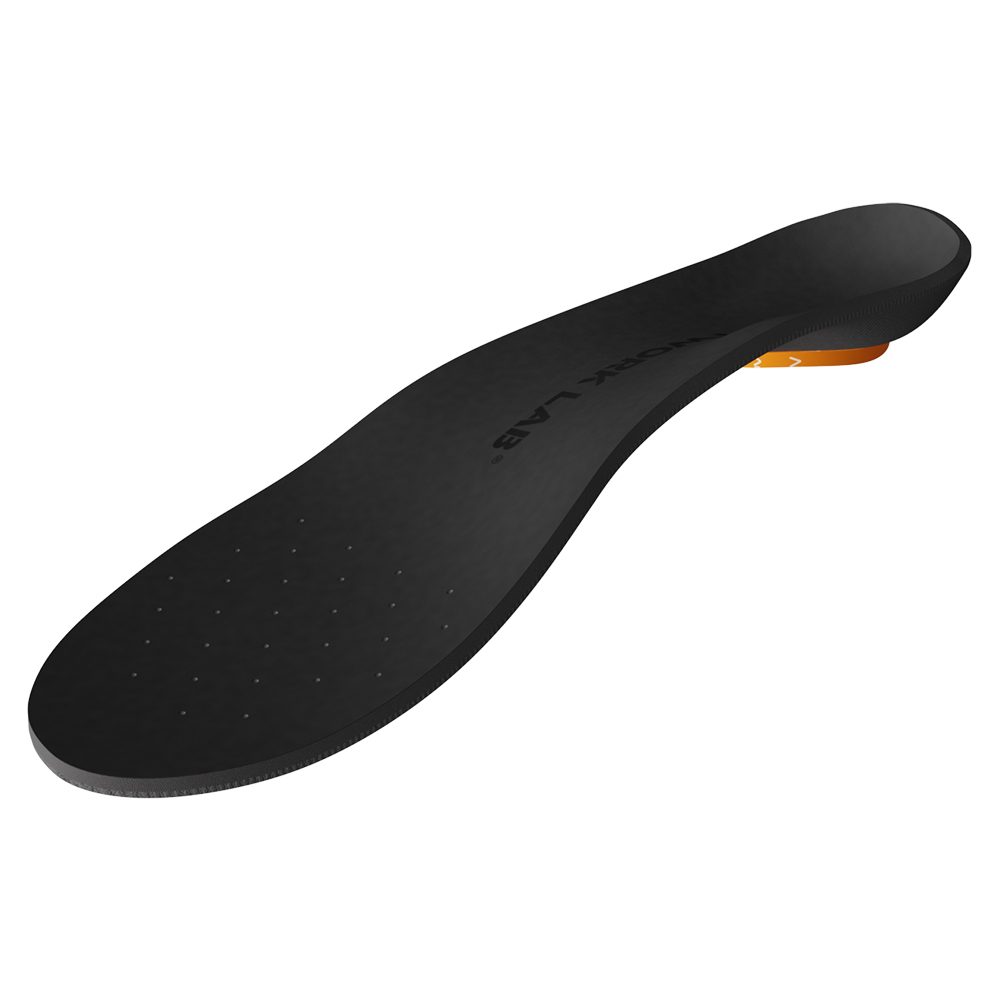
So the direct answer first, because partners ask us to be direct: yes, walking on a custom insole barefoot at home is ordinary use. The top cover is finished for skin contact, and the support underneath it behaves the same whether a shoe upper wraps it or not. A customer who wears the pair barefoot on the floor is using the object the way it was built to be used. Rooms that treat this as misuse generate unnecessary anxiety, and anxious customers either stop wearing the pair or stop reporting what they do with it, and the second is worse than the first.
Two honest caveats belong in the same breath as the yes. The first is mechanical: bare feet do not hold an insole in place the way a shoe does. On a smooth floor, a barefoot insole can slide under the foot, especially on the push-off, and a sliding insole delivers an uneven step and an annoyed customer. The practical fixes are flooring-aware: a textured floor, a pair of household slippers with the insoles in them, or accepting that the hallway tile is a slip zone and planning around it. The second caveat is about what barefoot use changes: the pair in a slipper at home is not the same condition as the pair in the running shoe, and if the customer reports how something feels at home, the room should note the condition before reading the report.
What the room should not do, in either direction, is promise outcomes from barefoot use. It does not fix anything, accelerate anything, or add anything the build did not contain. It is simply more hours of use under a different condition, and the conditions are what the sheet keeps track of.
Socks and floors: the two variables the customer controls
Barefoot at home almost never stays barefoot, and the first thing the customer adds is socks. The question behind the question is sock thickness: the pair was built to sit in shoes with a particular volume and a particular sock, and the customer’s house socks are a different thickness. The honest answer is that a thin house sock changes very little, a thick winter sock changes the fit feel noticeably, and neither damages the pair. What matters is that the customer connects the difference to the sock rather than to the pair failing. The room that says this once, at handover, saves the January message: my insoles stopped fitting, which turns out to be wool socks, which turns out fine.
Floors are the other variable, and the one customers under-report. Tile, stone and hardwood deliver the floor’s character undiluted; carpet behaves like a second cushioning layer and alters how the support presents. A customer who reports that the pair feels different in the bedroom than in the kitchen is usually standing on carpet versus tile, and the room that knows its customer’s floor plan answers in one sentence.
Both variables belong in the handover script because the customer controls them and does not know they matter. Two sentences: thin socks at home are fine, thick socks will feel different without anything being wrong; tile will feel firmer than carpet, and that is the floor, not the pair. Customers repeat these sentences back to their families, which is how a room’s script becomes a customer’s knowledge.
Hours: how the first fortnight actually goes
The wearing schedule is the one piece of home-use guidance rooms give reliably, and it is worth restating because barefoot use changes it. The build is new to the foot, and the foot is new to the build, whatever footwear it happens in; the ramp-up applies to hours of wear, not to shoes. A customer who finishes the day’s allotted hours in shoes and then adds an evening barefoot in the pair is extending the ramp, and most feet manage it, but the room should know it is happening and adjust if the reports change. Our piece on the first two weeks lists what a customer should be asked to report back, and home hours belong on that list beside shoe hours.
The working pattern rooms settle on: the schedule counts wear, wherever it happens, and the customer reports hours honestly. A sheet on the fridge is not a joke; customers who track hours report more accurately than customers who estimate, and accurate hours make the fortnight conversation shorter and more useful. What the room does with the report is judgement work for the professional.
One caution the ramp-up conversation should carry: an evening of barefoot use is not a substitute for the shoe hours the build assumed. The pair was designed against the customer’s footwear and their usual sock, and the shoe hours are the condition the build was verified against. Barefoot time is extra, pleasant, and secondary, and the room should notice before the fortnight report does when customers quietly trade one for the other.
The messages customers actually send
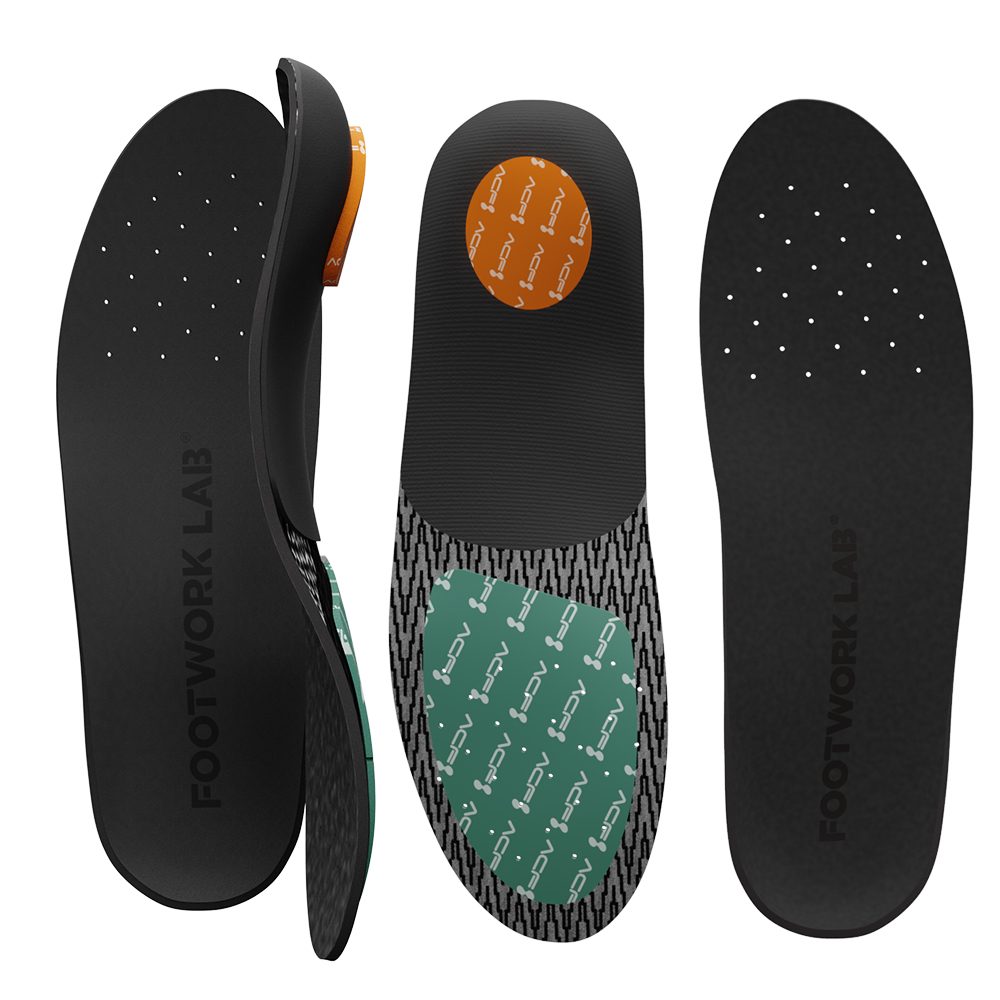
The evening messages cluster into a handful, and it is worth writing the replies once, properly. Can I wear them barefoot around the house: yes, watch the smooth floors, the insole can slide. Can I put them in my slippers: yes, if the slipper has removable footbeds or enough depth. Can I move them between shoes: yes, that is what a removable pair is for, keep them in the day’s main shoe as scheduled. Should I wear them to bed: no, the foot does not need them lying down, and a pair worn overnight takes wear hours the build did not plan for. One of them feels different from the other: both were built against this foot’s own record, and if the difference persists, come in and we look at both together.
The last message deserves its own paragraph, because it is the one rooms mishandle. Two different feet in one order is a normal build situation, and each insole answers its own foot’s record, as our article on building a mismatched pair sets out. A customer noticing that the two feel different is not reporting a defect; they are reporting that they have two feet, which the build knew. The reply that works says so without dismissing the observation, and adds the line that matters: if the difference becomes uncomfortable rather than merely noticeable, that is a fitting conversation, and it happens in the room.
Notice what all of these replies have in common: they are short, they name the condition, and none of them promises anything about what the foot will feel like next month. That is the only register in which the room’s answers stay true. The customer wants reassurance, and the honest reassurance available is that the pair is behaving as built under the conditions described.
When the answer is a booking, not a text reply
Some evening messages should end in an appointment rather than a paragraph, and the room that knows which is which saves itself the worst outcomes. A change in the customer’s body weight, for instance, is not a home-use question at all; it changes the load conditions the pair was built against, and our piece on rebuilding a pair after a change in body weight explains why that conversation happens with a new record, not by text. Persistent discomfort under a specific area, a cover that has started to separate, a top that has compressed flat: all of these are room visits that need the pair in hand.
The home-use questions that resolve by message are the condition questions: socks, floors, slippers, hours, barefoot. The ones that become bookings are the pair questions: fit, feel, wear, damage. Drawing that line for staff, in writing, keeps the evening reply consistent no matter who sends it. The line also protects the customer from the opposite failure, which is a room that texts back reassurance about something that needed looking at.
There is a quiet commercial point here too: every condition question answered well is a customer who keeps wearing the pair, and every booking prompted early is a fitting conversation the room controls. The room that planned for barefoot-at-home keeps its customers; the room that improvised loses them to whichever shop answers the nine o’clock message first.
What goes in the leaflet and what the room says out loud
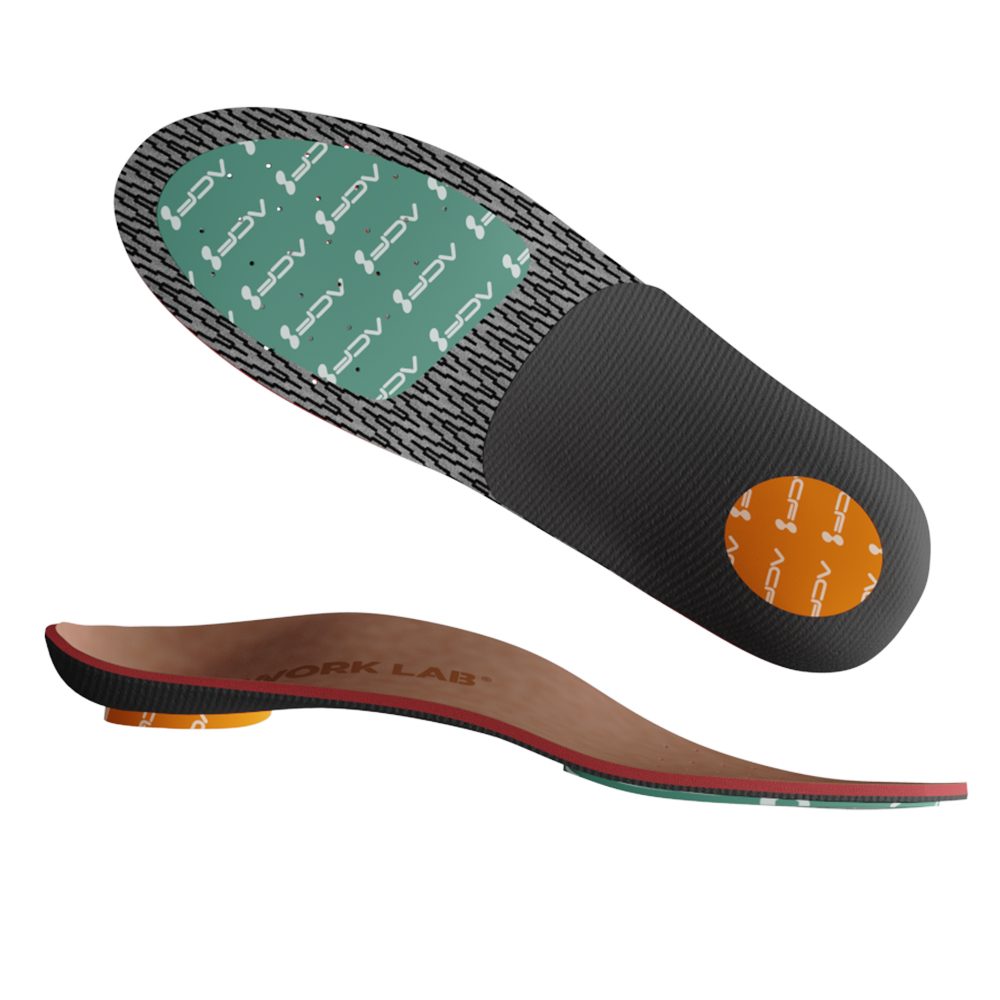
The handover is where all of this compresses into two minutes. What the room says out loud at collection: the wearing schedule in hours, the sock and floor sentences, the slipper option, and the one-line version of the difference between a condition question and a fitting question. What goes in the leaflet so it survives past the car park: the schedule, the same sentences, and the room’s preferred contact route for each kind of question. Customers do not remember speeches; they remember sheets, and the sheet answers the nine o’clock message when the room is asleep.
Rooms that skip the home-use script pay for it in a different currency: repeated one-off replies, inconsistent answers from different staff, and a customer who resolves the next question elsewhere. Rooms that write the script answer faster, identically, every time. The script costs one afternoon to write and nothing to run.
The last element is the invitation to report. A customer who has been told, at handover, that the room wants to hear how the pair behaves at home sends the nine o’clock message to the room instead of to nobody, and the fortnight report arrives fuller. Fuller reports let the professional read the pair’s first weeks against real conditions, barefoot hours and wool socks included, and they catch the small fitting conversations while they are still small.
Frequently asked questions
Can a customer wear custom insoles barefoot around the house?
Yes, that is ordinary use. The structure works whether a shoe upper wraps it or not, and the cover is finished for skin contact. The one practical note is smooth floors: bare feet do not hold the insole in place, so it can slide on tile or hardwood. A slipper with the insoles in is the simplest fix for home hours.
Can the pair go into household slippers?
Yes, if the slipper has removable footbeds or enough depth to take the insole flat. A pair in slippers is a good way to spend evening hours at home, and it solves the sliding problem on smooth floors. What the room should note is the condition: slipper hours are home hours, not a substitute for the shoe hours the build assumed.
Do socks change how the pair behaves?
A thin house sock changes little; a thick winter sock changes the fit feel noticeably, because sock thickness sits between foot and insole like every other layer. Neither damages the pair. The room says this at handover so the customer connects a seasonal change of feel to the sock rather than to the pair failing.
Does carpet change the feel compared with tile?
It can. Carpet adds a soft layer under the insole, which alters how the support presents, while tile and hardwood deliver the floor undiluted. A customer reporting that the pair feels different between rooms is often standing on different floors. The condition explains the difference, and the sheet line is one word: carpet, or tile.
Should the customer wear the pair to bed?
No. The foot does not need support lying down, and overnight wear adds hours the build did not plan for, at a condition nobody measured. The wearing schedule counts hours on the foot, upright, in the conditions the room specified. If a customer asks, the short answer is that night hours are off the schedule on purpose.
Can the customer move one pair between several shoes?
Yes, that is what a removable pair is for, and moving between shoes within the day is normal. What the room keeps in view is that each shoe is a different condition for the build, so if the customer reports how something feels, the shoe it was in goes on the sheet beside the report. The scheduled main shoe stays the pair’s default home.
When should a home-use question become a booking?
When the question is about the pair rather than the conditions: persistent discomfort in one area, a cover starting to separate, a top compressed flat, or any change in the customer’s body weight since the build. Those need the pair in hand and a professional’s eyes. Socks, floors, slippers and hours resolve by message; fit, feel and wear belong in the room.
What we would do next
Write the home-use script this week: the barefoot yes with the sliding note, the sock and floor sentences, the slipper option, and the line that separates a condition question from a fitting question. Put it on the handover sheet and in the leaflet, and add home hours to what the first-two-weeks conversation asks for. Our pieces on what a customer should be asked to report back in the first two weeks and what a wedge under the heel or forefoot actually does cover the reporting habit and the build logic behind the answers. The insole categories page shows the build range in the factory’s own terms, and the FAQ page carries the answers we send partners most often by message.
This article is intended for professional and educational reference. It is not medical advice. Foot assessment equipment produces measurements and images; clinical interpretation and any decision about care remain the responsibility of a qualified professional. Certification scope is limited to the documentation we hold: European Union certification and ISO quality system certification.