
The capture takes seconds; the argument starts when the photo goes up on the screen. The customer leans in, looks at her own back from an angle no bathroom mirror has ever shown her, and says the sentence every capture room knows by heart: “That’s not how I stand.” Sometimes it is quieter — a frown, a step back, a hand going to her own shoulder as if to check. Sometimes it is louder, and the room has a visitor who wants the photo deleted. The strange thing, and the thing this article is about, is that the photo is usually accurate and still feels wrong. People do not see themselves from behind; the self-image that argues with the screen was built out of mirrors, front-facing cameras and intention, and none of those sources records what the body does when nobody is watching. So the operator is left holding an honest image that its owner wants to reject, and the way that moment is handled decides whether the session ends with a customer who understands her own record or one who distrusts the whole room. This article covers why the photo surprises people, what it actually records, the sentences that settle the argument in real rooms, what to do when the customer demands a second capture, what the photo can never be used to claim, and how to file it so it stays honest long after the argument is forgotten.
The moment the photo goes up on the screen
The sequence is always the same. The capture finishes, the operator turns the screen, and for a second or two the customer simply looks — because almost nobody has seen a full rear view of their own standing posture before, and the novelty buys the operator those two seconds. What follows is one of a short list of reactions. The sceptic: “The camera must have caught me at a bad moment.” The negotiator: “I was standing on that thing, obviously I was stiff.” The alarmed one, who goes quiet and starts reading the image like a diagnosis. And the rare one who looks, nods, and says “yes, that’s me,” usually a customer who has already been through some kind of assessment before. Each reaction needs a different answer, but they all share one opening move: before explaining anything, the operator should let the customer keep looking. Rushing to reassure reads as defence. Operators who have run capture rooms for years treat that minute as part of the protocol, not as dead air — they hand the screen over, stand slightly aside, and wait for the question instead of the reaction. The question, when it comes, is almost never “is this camera accurate?” It is “is this how I actually look?” — and that second question is what the next sections answer.
Why the photo looks wrong to its owner
The self-image arguing with the screen was assembled from limited sources. Mirrors show the front, reversed. Phone cameras show the front, from arm’s length. Neither shows how a shoulder line sits from behind, how weight visibly settles toward one hip, or how a head rides on a neck after a day at a desk. So when the posture photo appears, the customer is not comparing it against a remembered rear view — no such memory exists — she is comparing it against an intention: how she believes she holds herself. The photo records practice; the intention records aspiration. The gap between them feels like an error, and it is not. Everyday conditions make the gap wider still. Most captures happen in street clothes, and a jacket hem, a wallet in a back pocket, a bag strap, hair over one shoulder — each of these reads on a silhouette as posture, and none of them is posture. Our article on posture capture in street clothes covers what the camera can and cannot see through ordinary clothing, and why rooms that ask visitors to remove a heavy coat get cleaner records without making anyone uncomfortable. Then there is time itself: posture is not a fixed structure, it is a moving habit, and the stance a body holds at ten in the morning is not the one it holds at four in the afternoon. A photo taken seconds after the customer climbed onto the platform, still breathing from the walk in, shows a settling body. All of this means the honest answer to “is this how I actually look?” is: it is how you looked, in that clothing, at that moment, after that morning. Which is a real answer — just a longer one than the room expected.

What the photo actually records
Stripped of drama, the posture photo is a camera capture of how a person stood, under stated conditions, at a recorded moment. It sits inside a session alongside the plantar pressure record taken from the same visit, and the two answer different questions: the pressure record shows how load distributed across the soles during a standing or walking pass, the posture photo shows how the rest of the body arranged itself above it at the same time. Read together, they describe one person’s standing habit more completely than either can alone; read separately, each invites over-reading, which is why rooms that keep them in one labelled session file produce better records than rooms that treat the camera as an extra. The conditions label matters more than most operators expect. Which side the customer faced, what she was wearing, whether the coat came off, what time of day it was, whether this was the first capture of the visit or the third — these decide how the image can fairly be read later, and a photo filed without its conditions is a photo waiting to be misread. What the photo is not, at any point in this chain, is a judgement. It records arrangement, not health; position, not condition; habit at a moment, not destiny. The equipment’s contribution is the image and its conditions. Everything the image means — what it suggests, what it rules out, what it is worth following up — belongs to the professional side of the room, and the next section deals with the exact words that keep that boundary visible while the customer is still standing there looking at her own back on the screen.
The sentences that settle the argument
The words that work in real rooms share a grammar: they describe the record, they locate it in time, and they hand interpretation to someone qualified — all in one or two sentences, spoken while the customer is still looking at the screen. The workhorses: “This is how you stood while we asked you to stand still for the capture.” Then, before scepticism can organise itself: “Everyone shifts and corrects all day — this is one sample of yours, taken just now, in the clothes you walked in wearing.” And the boundary sentence, which does more quiet work than any other line in the room: “We’re not saying anything is right or wrong here. This is a record you can take with you, and if you ever want it explained properly, that’s a conversation with someone qualified to have it.” Notice what these sentences refuse to do. They do not name anything on the photo — no leaning, no tilt, no imbalance pronounced with clinical gravity. They do not defend the equipment, because defending the camera turns the moment into a contest between the customer and the machine. And they do not rush past the customer’s surprise, which is legitimate; seeing your own back for the first time deserves a beat. The related instruction — stand still — is worth a mention here too, because our article on capturing a record when the customer cannot stand still makes the same point from the other side: the instruction itself shapes the record, and rooms that reword it get calmer photos. Operators who memorise three sentences and use them in order survive this moment; operators who improvise under a sceptical stare usually lose it.
When the customer asks for a second photo
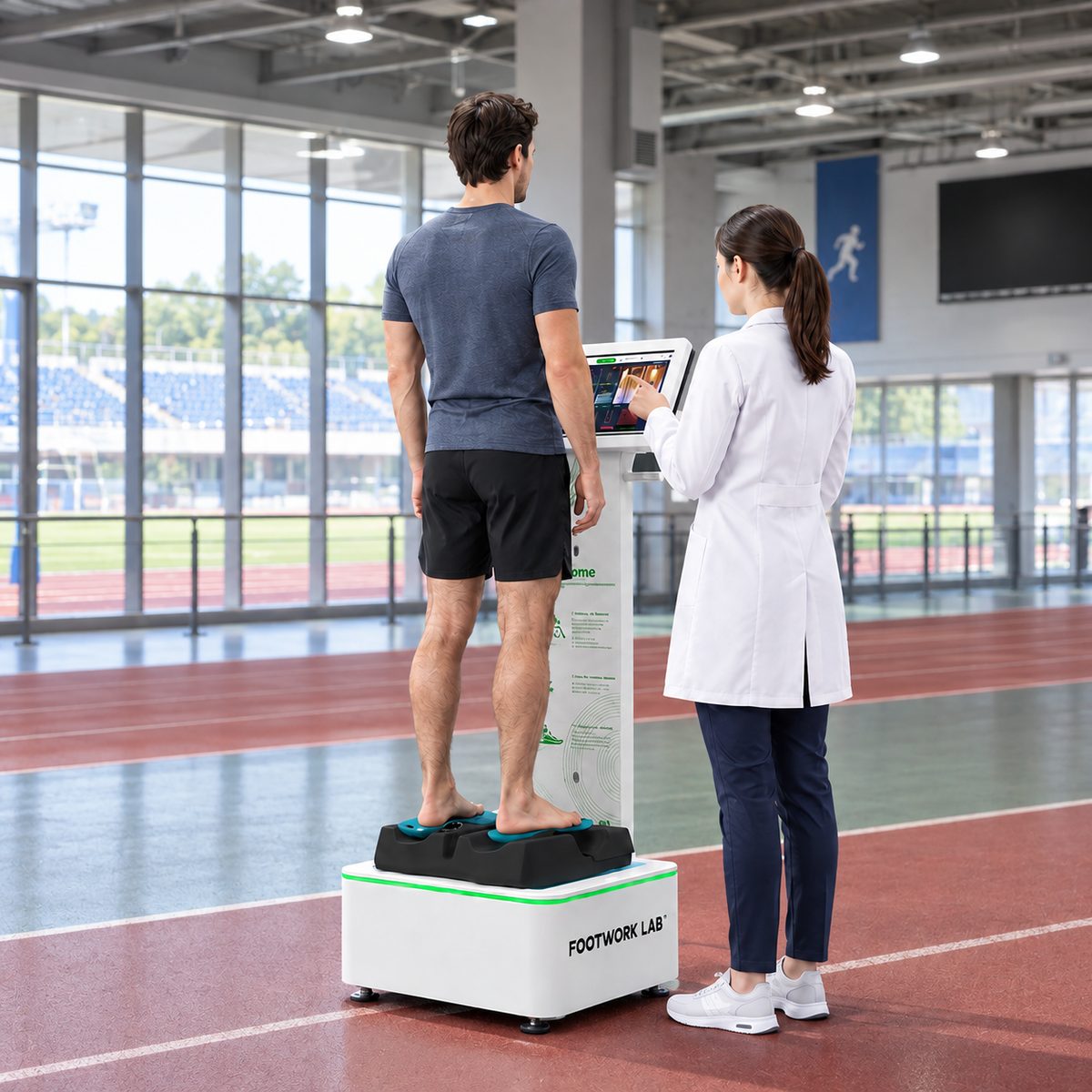
Let them have it — a second capture is cheap, it costs a minute, and refusing it turns curiosity into confrontation. But take it properly: same position, same clothing if possible, same point in the settling process, because two photos taken under different conditions cannot be compared and the customer will compare them anyway. The useful question before the second capture is what she wants it to test. “I think I was hunched” is testable: take the second capture after a minute of standing around naturally, chatting, and see whether the hunch persists when nobody is performing stillness. “That’s not my real posture” is less testable and more interesting, because the honest reply is that the photo never claimed to show real posture — it showed one moment, and moments are what cameras take. When the second image comes up, the conversation changes character. If the two photos differ, the difference itself is the lesson: posture moves, and one moment was never the whole story. If the two photos agree, the consistency is worth naming calmly — “it came out the same both times, so that’s a steady way of standing for you today” — without any adjective of praise or alarm attached. Our article on two operators and one protocol covers the wider discipline here: captures stay comparable across staff and across visits only when the conditions are written down and repeated. What the room must never do with a second photo is cherry-pick — taking repeats until one looks flattering and filing that one is not a protocol, it is a habit that eventually empties the record of meaning.
What the photo cannot be used to claim
The posture photo invites over-reading more than any other image in the capture room, because bodies are the one subject everyone already has opinions about. The boundary this room holds is the same one every assessment room holds: the equipment produces measurements and images; interpretation of what they mean for the person belongs to a qualified professional, working from the full record, the conditions and the person in front of them. In practice that boundary lives in small refusals. The photo is not shown to the customer with a running commentary on what is wrong with her. It is not captioned with conditions wearing clinical vocabulary — “postural deviation” said aloud at a screen turns an image into a sentence about a person, and the person is standing right there. It is not compared against an ideal silhouette presented as normal, because ideal postures are the folklore of the internet, not the finding of any capture. And it is never, ever used to sell: the moment a photo becomes the reason a customer must buy something, the record stops being a record and becomes a prop, and customers remember being sold to with their own image far longer than they remember anything else about the visit. None of this makes the photo timid. A consistent presentation, captured twice under labelled conditions and handed to a professional with the pressure record beside it, is genuinely useful material. The photo keeps that usefulness precisely because the room refused to spend it on claims at the moment of capture.
Filing the photo so it stays honest
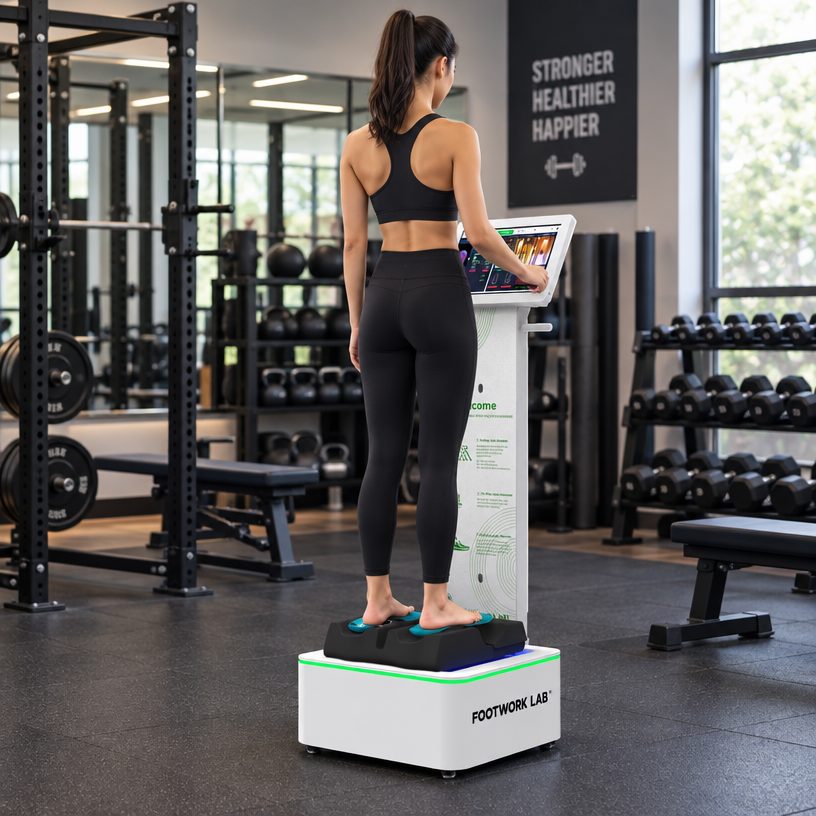
The argument at the screen fades within an hour; the file lasts for years, and the file is where the photo’s honesty is either kept or lost. A posture photo filed properly carries its conditions with it: date, time of day, what the customer was wearing, whether outer layers were removed, which capture of the session it was, and which pressure record belongs alongside it. A photo filed without those labels is an image waiting to be over-read — six months later, nobody in the room can say whether the shoulder line in it describes the customer or the coat. The printed summary the customer takes home deserves the same discipline: our article on what belongs in a printed summary covers the full page, but the posture-specific rule is short — show the image, label the conditions in one line, and let the description say what was seen rather than what it means. Rooms that follow the labelling habit get a second benefit over time: when the same customer returns a year later, the labelled file makes a fair comparison possible, and change over time is one of the few things a posture record can legitimately speak about, because change is measured against the conditions rather than against an ideal. The habit costs seconds at capture and buys years of readable records. The photo that started this article as an argument can end its life as something better — the page in a file that a professional, years on, can actually trust, because the room that took it wrote down everything the image alone could not say.
Frequently asked questions
Why do I look different from what I see in the mirror?
A mirror shows your front, reversed; a posture photo shows your back, from a direction you never see. The self-image that argues with the photo was built from mirrors and front-facing cameras, so a rear view has nothing to be compared against except intention. The photo records what your body did at that moment, which is a different thing from how you believe you hold yourself.
Is the posture photo a diagnosis?
No. It records how you stood under stated conditions at a recorded moment. Naming a condition, explaining a cause or advising on care belongs to a qualified professional working from a full assessment. The photo is one part of a session record, alongside the pressure measurement, and it stays a description rather than a conclusion however it is filed.
Can I ask for the photo to be taken again?
Yes, and a good room will offer it before you have to ask. A second capture only means something if the conditions are repeated — same position, similar clothing, similar moment in the visit. Two photos under different conditions cannot be compared fairly. What the pair of photos shows, whether they agree or differ, is itself worth hearing about calmly.
Why was I photographed in my ordinary clothes?
Capture rooms usually work with what the visitor walked in wearing, and a heavy coat, a bag strap or a back-pocket wallet can read on a silhouette as posture. Many rooms ask visitors to remove bulky outer layers for exactly that reason. What the camera cannot see through clothing is as relevant as what it can, which is why the clothing is written into the record.
Why did two photos from the same visit look different?
Posture moves. The body corrects constantly, and the seconds between two captures are long enough for a shift in weight, breathing or attention to change the image. Differences between captures describe the movement, not an error. When two properly conditioned captures agree, that consistency is worth noting in the file; when they differ, the conditions note explains most of it.
Who decides what the photo means?
A qualified professional, working from the full record, the labelled conditions and the person in front of them. The equipment’s contribution is the image and the conditions around it. Operators in the room describe what the record shows and deliberately stop before interpretation, because interpretation spoken at a screen tends to arrive dressed as certainty.
What happens to the photo afterwards?
It is filed as part of the session record with its conditions — date, clothing, which capture of the visit — alongside the pressure record from the same session. The customer receives a copy in the printed summary where the summary includes one. The labels are what keep the image readable months later, when a fair comparison against a later visit becomes possible.
What we would do next
If you run capture rooms, take one habit from this article this week: before turning the screen toward the customer, check that the conditions you will say aloud — the moment, the clothing, the position in the visit — are the conditions written in the file. Then use the three sentences in order, and let the customer keep looking. On the equipment side, the X5 foot, ankle and posture system page shows how the posture capture sits alongside the pressure record in one session, and the FAQ page collects the operational answers we give most often by message. The questions it does not answer reach us through the usual channels.
This article is intended for professional and educational reference. It is not medical advice. Foot assessment equipment produces measurements and images; clinical interpretation and any decision about care remain the responsibility of a qualified professional. Certification scope is limited to the documentation we hold: European Union certification and ISO quality system certification.