
Service ends, the last pan is down, and the first thing the chef does at the staff door is lean on the wall and take the weight off one foot, then the other. Ten hours on kitchen tile: a strip of floor smaller than most bedrooms, crossed a few steps at a time, a thousand times a night, in clogs or slip-on shoes chosen for grip and washability rather than for the foot inside them. Add heat, add the wet patches that never quite dry near the sink, and the kitchen becomes one of the hardest environments feet work in — harder, in load terms, than most sports. Yet kitchen staff rarely turn up in fitting rooms, because the trade’s attention goes to runners and hikers, and the chef assumes the ache is just the job. It is partly the job. But the job is fixed and the interface is not, which is why insoles for kitchen staff deserve the same structured conversation nurses get. This article walks through what a kitchen shift actually loads, the clog problem, the questions to ask before building, what a pair must survive, why standing is the real workload, the wet-floor question, and what the follow-up fortnight should settle.
Ten hours on tile
The kitchen floor is chosen for everything except feet. Tile and poured surfaces are there to be cleaned, disinfected, drained and rolled over by trolleys, and they do those jobs well; what they do to a foot standing on them for a full service is concentrate load, cycle after cycle, with almost no give. Unlike a corridor, a kitchen station barely involves walking. The work happens inside a few paces: pivot to the counter, two steps to the oven, back to the board, weight shifting constantly but the feet never travelling far enough for the stride cycle to spread the work around.
That pattern — thousands of tiny steps and weight shifts inside a small box — is a distinct load case, and it explains a complaint pattern chefs describe consistently: the ache sits deep in the foot, arrives around the middle of service, and is worst on the standing-heavy sections rather than the rushed ones. The small-step pattern also wears footwear in a distinctive way, compressing the same regions over and over, which matters later when a fitter examines what the shoes have done to themselves before they did anything to the foot.
The hours do the rest. Ten to twelve hours is a normal service day, often on six-day weeks, and the last hours are worked on feet that have already absorbed the first eight. Whatever is built for this customer is built for the final hours of a long day, not for a fresh morning assessment — a point worth remembering when the fitting session itself is scheduled, because a chef who comes in on a day off is presenting a different foot from the one that finishes a Saturday service. The history, the shoes and the schedule together decide what a build is actually being asked to do, and none of the three should be guessed at.
The clog problem
Kitchen footwear has its own logic, and almost none of it favours the foot. Clogs and slip-on kitchen shoes are chosen because they protect against spills, can be hosed down, and grip greasy floors. Structurally they tend to be stiff, shallow and backless or loosely heeled, with a fixed footbed or none at all, and the foot is often held more by the snugness of the upper than by anything under it. Every one of those properties constrains what can be added and how much room there is to add it.
The shallow interior is the first constraint. A pair that raises the foot even slightly changes where the top of the foot meets the upper, which on a slip-on can turn a secure fit into a loose one, and a loose clog on a wet floor is a hazard before it is a comfort problem. The fixed footbed is the second: where the shoe’s own bed cannot come out, anything added sits on top of it, and the combined height and the changed geometry both need checking against the shoe, not just against the foot on the measuring device.
The stiffness cuts the other way. A stiff sole already does some of the spreading work a footbed might do, by preventing the foot from folding fully through the step, which means the pair inside it has a different job from one built into a flexible trainer. Building for a chef without handling the actual shoes is guesswork, and the first practical instruction of this article is therefore the simplest: whatever model the customer works in, it comes to the fitting session, and the build is checked inside it before anything is agreed. The foot alone has never been the whole case in this trade; the shoe around it decides half of what is possible.
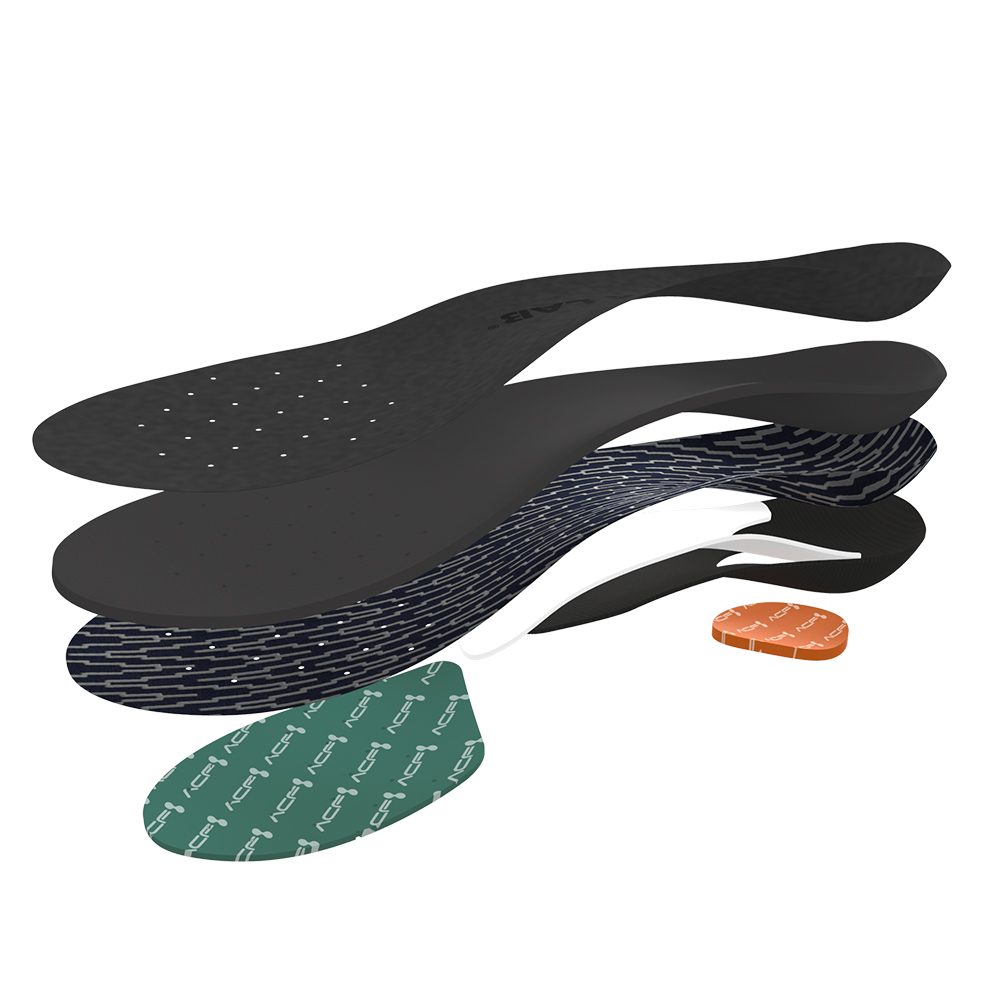
The questions to ask before building anything
The assessment conversation for kitchen staff should cover the ground the job actually decides, and six questions do most of it. Hours first: how long a service, how many days a week, and whether the standing-heavy sections cluster at the start or the end. Station second: does the customer stay inside one small area, or move between sections — a chef de partie and a porter work their feet differently in the same kitchen. Third, the footwear: which model, how old, does the footbed come out, and is there a second pair in rotation. Fourth, the floor: tile, poured concrete, or anti-fatigue matting anywhere, and whether the mats cover the station or just the wash area. Fifth, moisture: how much of the shift is spent near wet floors, because it changes both the build and the care instructions. Sixth, timing: which hour the ache arrives at, and whether it exists on days off.
The last question deserves its usual weight, because it sorts the job’s load from everything else. A complaint present on days off in soft shoes is telling a story the kitchen alone cannot explain, and that story belongs with a qualified professional rather than with a build. Our article on turning the customer’s own words into a build spec covers how the answers become instructions; the kitchen-specific rule is that the shoe model, the floor type and the moisture answer must survive verbatim onto the sheet, because they decide more about the build than any pressure map does.
Two actions fit on one line each: the shoes come to the appointment, and the timing question is asked before any talk of a pair. Everything downstream gets easier when those two hold, because the first removes the guesswork from fit and the second removes the guesswork from purpose. A session run in that order produces a build sheet that another fitter could pick up cold and continue — which is the quiet test of whether the questions were collected properly in the first place.
Heat, moisture and long hours: what the build must survive
A kitchen pair lives in conditions a running pair never sees. Heat rises from the ovens and from the floor itself; moisture arrives from wash areas, spills and simple twelve-hour wear in a closed shoe; compression arrives in long static stretches rather than in walking cycles. The build has to hold its shape through all three, and it has to keep doing it while staying thin enough for a shallow clog.
The thinness constraint dominates the others, and it is worth saying why. In a deep trainer a pair can add structure without disturbing the fit; in a shallow slip-on every added thickness comes off the foot’s room somewhere else, usually at the top of the foot or at the heel lock. The build for a chef therefore starts from the shoe rather than the foot: measure what depth the shoe actually offers, then decide what can be achieved inside it. Where the answer is “less than needed”, the honest move is to say so and to look at whether a different kitchen model in the employer’s allowed range can take a fuller pair — a conversation about shoes that is really about fit. A pair of custom orthotic insoles built around a recorded assessment is a tool for spreading load across more of the foot’s working surface through those long static hours; it is not a pad that turns tile into grass, and the customer should hear that boundary at fitting rather than discover it later.
Moisture shapes the care instructions more than the build: whatever goes into a kitchen shoe needs to dry properly overnight, and a rotation — two pairs, swapped and dried — preserves both the shoes and what sits inside them. The follow-up visit should ask about drying habits as directly as it asks about the ache, because a pair that never fully dries ages faster and carries smell into a workplace that notices.
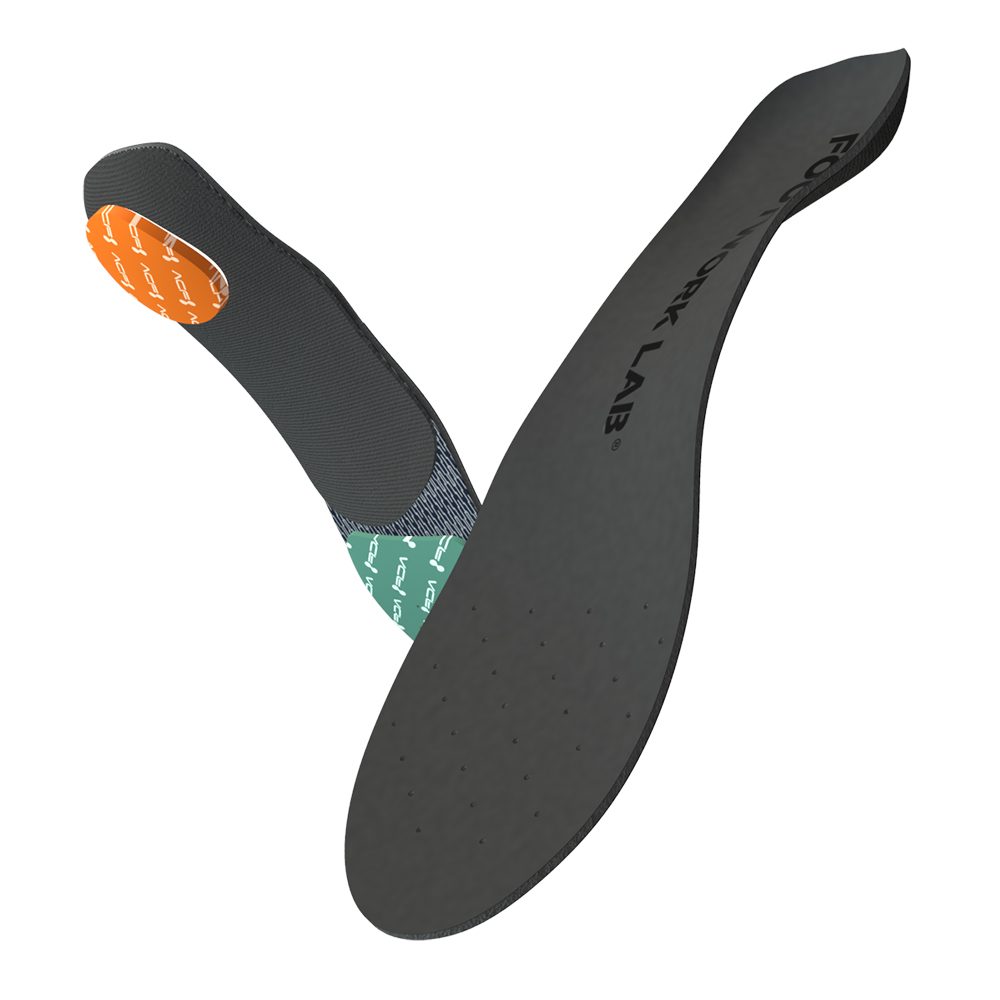
Standing is the real workload
The counter-intuitive finding about kitchen work is that the standing does more damage than the moving, and any assessment should be built around that fact. Walking cycles load across the foot in a moving pattern with brief unloading between steps; standing at a station holds one region under steady load for as long as the station holds the cook. A sauce section at peak service is minutes of continuous, unbroken compression in the same places, relieved only by those few paces across the box — which are themselves small steps that re-land weight in nearly the same spots.
This changes what a fitting session should observe. Watching a customer walk the length of a room shows the walking case; it says little about the eleven minutes she will spend pinned at the range. The correction is cheap: ask her to stand the way she stands at her station, weight settled where it settles, for a minute or two, and observe where the load sits when it is allowed to sink. Comparing the two positions takes minutes and usually relocates the support decisions, because the regions that carry static load are not always the ones the walking pass highlights.
It also changes the advice given alongside the build. Micro-habits that interrupt static load — shifting weight deliberately, a half-step to the side between tasks, a moment of sitting when the pass allows — are not padding on the conversation; they break exactly the loading pattern a service concentrates. A fitter who explains the static case, observes it, and builds to spread it is answering the shift the chef actually works, and the chef will recognise the answer as being about her kitchen rather than about feet in general. That recognition is worth more than any specification, because it is what turns a purchase into a plan the customer will actually keep to.
Wet floors and the sole question
The wet-floor problem sits at the boundary between the pair and the shoe, and it is where kitchen fits most often go wrong. Kitchen footwear grips because its sole compound and tread pattern are designed for contaminated floors; that design assumes the foot sits at a particular height inside the shoe, with the heel locked where the maker put it. A pair that lifts the foot changes that geometry, and if it lifts it unevenly — higher at the heel, or rocked towards one edge — the sole can meet the floor differently at exactly the moments grip matters most.
The check is mechanical and belongs in the fitting session with the actual shoes on: the pair inside, foot down, weight on, and then look at how the sole sits. Flat contact, no rocking, heel engaged where the shoe intends it. Then the honest conversation about tread: if the shoes are close to worn through, no underfoot addition will recover the grip the sole has lost, and the shoes are the first replacement, not the pair. Fitting a carefully made footbed into a dead sole spends the customer’s money on the wrong layer, and the fitter who says so plainly earns the trust that the next recommendation will stand on.
Replacement rhythm belongs in the same conversation, because kitchens eat footwear. A chef who replaces shoes every few months and keeps the pair between them needs to know that a new shoe model can change the fit of an existing pair, and the follow-up should include a re-check whenever the shoes change. Our article on what happens to a pair that fails the final check describes how much attention a build gets before it leaves the workshop; the matching attention on the customer’s side is this sole-and-shoe check, done at least twice a year, because the environment the pair works in changes faster than the pair does.
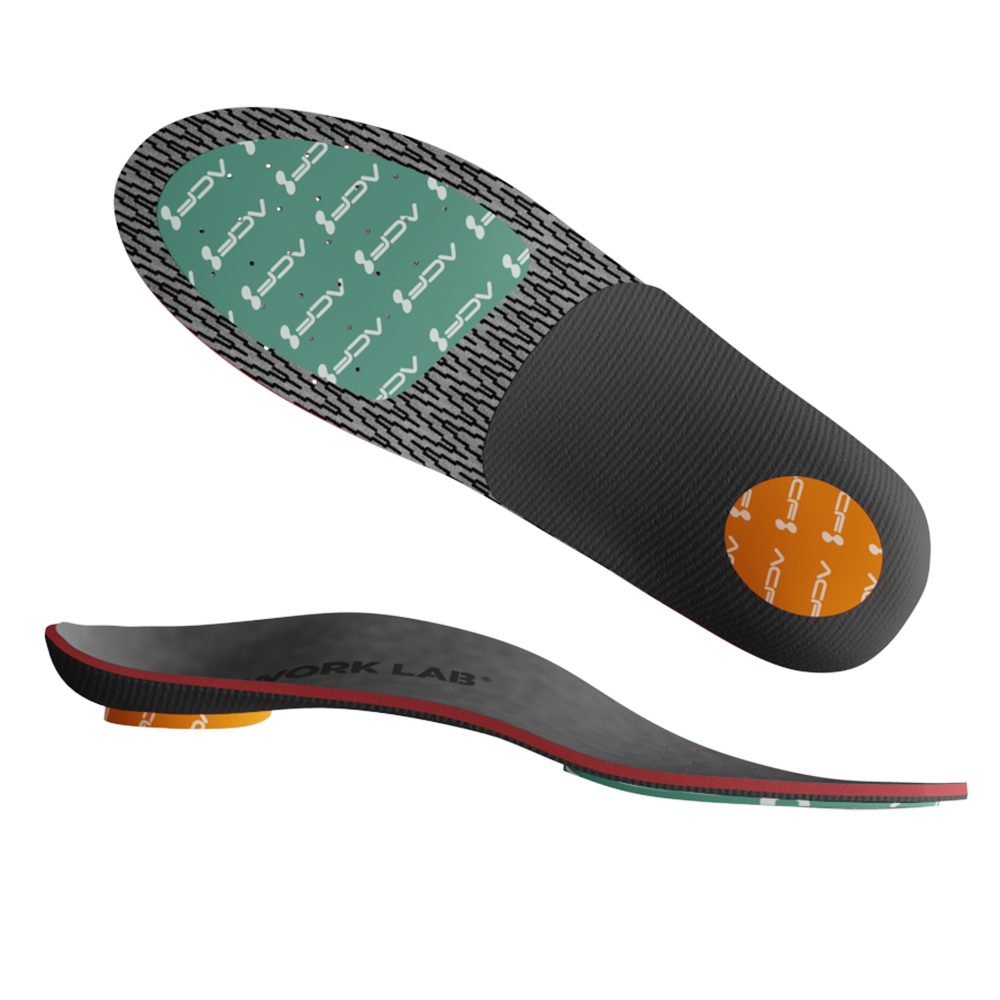
The follow-up and honest expectations
The fortnight after fitting sets the judgement the pair will carry, and the instructions given at handover decide whether that judgement is fair. Phase the start: part shifts first, full service once the foot has adapted to a new distribution of work. Then the week-two check, which is a set of questions rather than a verdict: where does the ache sit now, at which hour does it arrive, and is it different from what the kitchen used to hand out?
Two outcomes deserve pre-explaining. First, the ache often moves before it fades: load that has concentrated in the same regions for years does not redistribute silently, and an unfamiliar feeling in a new place during week one is usually the foot noticing the change, not a fault. Second, hour ten still exists. A pair changes where the work lands; the floor stays tile, the service stays long, and the last hours will still announce themselves — less, in many cases, but not never. A chef told this at fitting judges the pair against the right question. A chef not told this judges it against the tile and the clock, and the pair loses a contest it was never entered into.
The follow-up visit should bring the shoes back with the pair: check how the footbed sits inside the clog, look at wear against how she actually works her station, and ask about the drying rotation. Like everything downstream of the measurement, the reading of how a foot is getting on belongs with a qualified professional; the fitting room’s job is a build that matches the stated conditions and a record worth handing on. Kitchen staff rarely expect to be taken this seriously, and the surprise is part of why they stay — with the fitter and with the pair.
Frequently asked questions
Are insoles worth it for kitchen staff?
For long hours on hard tile inside constrained footwear, the interface between foot and shoe is the main adjustable layer of the whole job. A pair built around an assessment spreads load across more of the working surface through long static stretches. It changes where work lands; it does not make tile soft, and medical questions belong with a qualified professional.
Will a pair fit inside kitchen clogs?
Only if the build starts from the shoe. Clogs and slip-on kitchen shoes are shallow, stiff and sometimes have a fixed footbed, so depth decides what can be achieved. Bring the actual work shoes to the fitting and check the pair inside them, foot down and weight on, before agreeing anything.
Does an added pair affect slip resistance?
The shoe’s sole does the gripping, and it grips best when the foot sits where the maker intended. A pair that lifts or rocks the foot can change how the sole meets a wet floor. The check is mechanical: pair inside, weight on, flat contact, no rocking. Worn soles are a shoe problem first.
Why does the ache get worse during long standing stretches, not the busy running around?
Standing is a distinct load case: walking cycles load across the foot with brief unloading, while standing holds one region under steady compression without relief. Service concentrates standing at a station, which is why the ache arrives mid-shift. A fitting session should observe standing as well as walking.
How should the pair be cared for in a hot, wet kitchen?
Drying matters as much as anything: a closed shoe over a long shift collects moisture, and whatever sits inside it needs to dry fully overnight. A two-pair rotation, swapped and dried, preserves the shoes and the pair alike, and the follow-up should ask about drying habits directly.
What should I expect in the first two weeks?
A phased start — part shifts, then full service — and an honest week-two conversation. The ache often moves before it fades, which is usually adaptation rather than fault. Hour ten still announces itself: a pair changes where the work lands, it does not delete the shift or soften the floor.
How often should the pair and shoes be re-checked?
Kitchens wear footwear quickly, and a new shoe model changes the fit of an existing pair. Re-check at follow-up after the first fortnight, then whenever the shoes change, and at least twice a year besides. The wear pattern, not a calendar, decides when a pair has finished its working life.
What we would do next
If you fit kitchen staff, take the six questions onto your form tomorrow and make the shoes a condition of the appointment — no shoes, no build, because every honest answer about depth and grip lives in them. Ask the timing question before any talk of a pair, and let it sort the job’s load from everything else before the conversation goes further. The FAQ page collects the operational answers we give most often by message, including the ones on wear intervals and re-checks. When a chef tells you about their station, do they describe the standing or the running — and does that answer match where the ache lands? The comments are open, because that comparison is worth collecting between rooms.
This article is intended for professional and educational reference. It is not medical advice. Foot assessment equipment produces measurements and images; clinical interpretation and any decision about care remain the responsibility of a qualified professional. Certification scope is limited to the documentation we hold: European Union certification and ISO quality system certification.