
“Shall we book your follow-up?” the receptionist asks, pen hovering over the diary, and the room realizes nobody has actually decided what the follow-up is for. The first record is done, the customer is putting her shoes back on, and the booking has to happen now or not at all. One colleague mouths “two weeks” because that is what the room always says. Another mutters that a year is more realistic, because nothing much changes in a fortnight. The customer, meanwhile, has already moved on to asking about parking. The slot gets filled with whichever interval won the last argument, which usually means whichever colleague spoke first.
This piece is about that decision, made deliberately. What a second capture can actually compare, why the gap between records is a question about clocks rather than a preference, what a too-soon record measures and what a too-late one quietly fails to measure, how to match the interval to the reason for re-recording, and what to write down between the two dates so that the second file is worth opening.
The interval gets picked by habit, not by the question
Walk into most rooms and ask how often they re-record customers, and you will get a number delivered with great confidence and no reasoning behind it. Two weeks, here. Three months, there. Annually, everywhere. The number usually traces back to a founder’s habit, a software default, or a sentence somebody heard at a trade event years ago — not to a decision about what the second record is supposed to find out. The habit then hardens. Customers get booked into it regardless of why they came, what changed in their lives, or what the first record actually showed, and the files fill up with second captures that nobody can quite explain.
The trouble with a habit interval is that it answers a question nobody asked. A second capture is only useful when something in the person’s situation has had time to change, or when the first capture itself was compromised and needs replacing under better conditions. Those are different jobs on very different schedules. A replacement for a spoiled capture can happen the same afternoon. A check on whether someone has settled into a new pair of orthoses needs the adaptation period to be genuinely over. A look at whether a job change has altered the way someone loads through the day needs months, not weeks, because the new job has to become ordinary before it shows up honestly in a record.
So the first move is not choosing an interval. It is naming the reason a second record would exist at all. If nobody in the room can finish the sentence “we are recording again because…”, the follow-up is not a plan, it is an appointment, and the diary is about to fill with records whose comparison value is borrowed rather than real.
Different questions run on different clocks
Once the reason is named, the interval largely picks itself, because each kind of question has its own natural timescale. The shortest clock belongs to capture quality: if the first record was spoiled — a misstep at the edge, a hesitation that dominated everything, footwear rules that drifted mid-session — the second capture is a technical replacement, and it can happen as soon as the room and the customer can both give it fair conditions. Nothing about the person needs to change; only the measurement does.
The middle clock belongs to adaptation. When someone has started wearing a new pair of custom insoles, or new work footwear, or has returned to training after a long layoff, the early weeks are exactly that — early. The body is negotiating with the new arrangement, and a record taken in the middle of that negotiation mostly documents the negotiation itself. The useful question — has this settled into something stable — only becomes answerable once the settling has had a real chance to happen, which puts the sensible re-record well past the awkward first stretch rather than inside it.
The longest clock belongs to life changes. A new job with new floors, a move from a standing role to a seated one or the reverse, a training block with a very different character from the last one: these reshape the daily load a foot lives under, but slowly, and only measurably once the new pattern has become the person’s ordinary. Re-recording two weeks into a new job measures the novelty. Re-recording a season in measures the job. And a general baseline review — same person, same protocol, nothing in particular suspected — deserves a full year between dates, with the conditions held as close to identical as the room can manage, because only then does the file compare like with like.
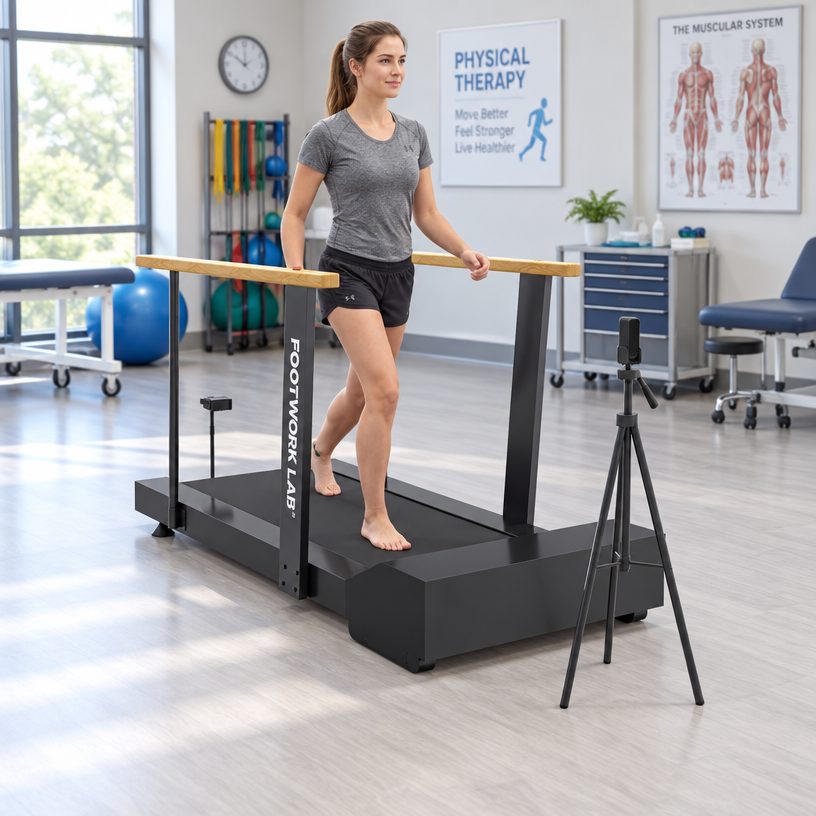
Too soon, and the record mostly measures noise
The follow-up booked two weeks out of pure habit has a predictable failure mode: it re-measures ordinary variability and presents the result as change. Walking varies from stride to stride in everyone, and from day to day more than most people expect — warm-up, sleep, the shoes chosen that morning, the walk from the car park. Two records taken close together, with nothing in the person’s life having actually changed, differ from each other roughly as much as two records of the same person on any two ordinary days would. The room then finds differences, because differences are always there, and the differences get narrated as findings when they are weather.
This is worse than useless, because it teaches everyone the wrong lesson. The customer sees two different pictures and concludes the measurement is unstable. The colleague who ordered the early re-record sees the differences confirm whatever they suspected. The file now contains a comparison that looks like evidence and is not, and every future reader has to work out that the gap between the dates was too short for the question the comparison pretends to answer. Nothing about any of this was malicious. It was a diary slot filled by habit.
Short intervals do have legitimate uses, and they are worth separating cleanly from the habit bookings. A technical replacement for a spoiled capture can come the same day or the next. A check that a changed protocol produces a consistent record can come within days, deliberately, with the protocol difference written on the sheet. What the short interval cannot do is detect change in the person, because in a fortnight the person has not changed enough for any measurement to see it. If the question is about the person, give the person time. If the question is about the capture, fix the capture — and say on the record which of the two the second date was for.
Too late, and the comparison quietly dissolves
The long interval has the opposite failure mode, and it is subtler. A year later, the customer comes back, walks across, and the new record sits beside the old one on the screen. Everyone leans in. What nobody checks is whether anything between the two dates was held constant — and over a year, almost nothing was. The shoes are different. The job may be different. The protocol drifted: a different staff member gave the instruction, phrased differently; the pace request evolved; the room moved to a different floor. Each drift is small and each is defensible in the moment, and together they dissolve the comparison the file claims to contain.
This is the quiet way rooms accumulate worthless archives. The two records look like a comparison — same customer, tidy date gap, clean printouts — and the notes, when there are notes, describe findings rather than conditions. A year later, a colleague tries to use the pair and cannot say what the difference means, because the difference could live in the feet, in the shoes, in the instruction, or in all three at once. The honest answer is that the file cannot say, and the honest cost is a third capture taken properly to find out what the first two were supposedly saying all along.
Long intervals are not the enemy; unmanaged conditions are. A yearly record can be genuinely comparable if the room treats the second date as a protocol reproduction rather than a fresh occasion: same footwear rule, same instruction wording, same time-of-day expectation where the diary allows it, same start routine, and a conditions block on the sheet filled in at the time. Where life genuinely changed — and over a year it usually has — the change goes on the sheet too, so the reader knows the pair compares a person with a slightly different life rather than a person with herself.
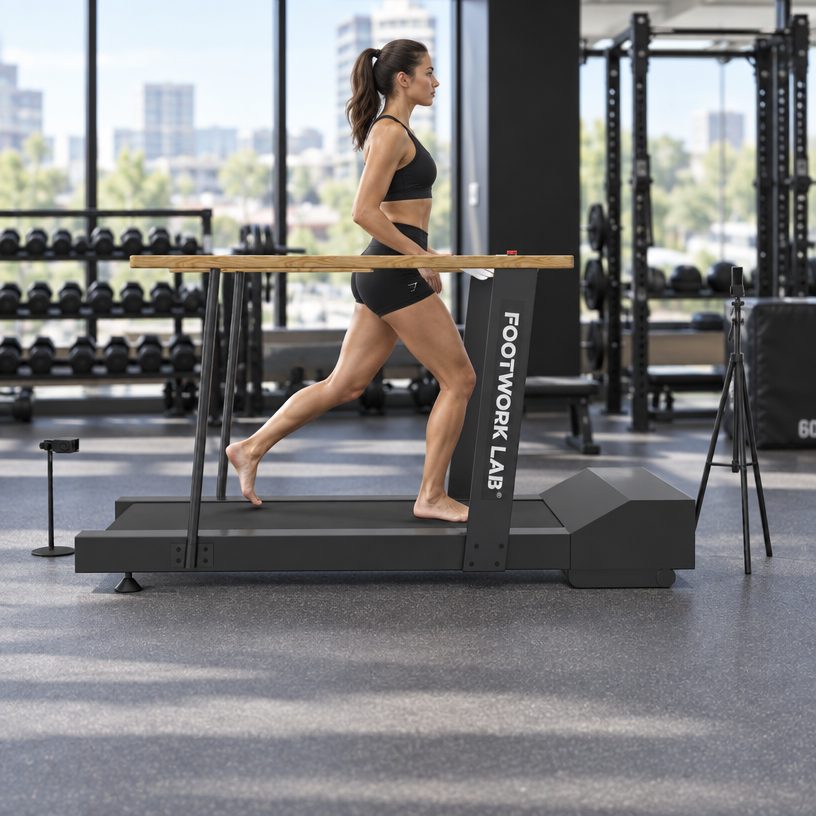
Matching the interval to the reason
Put the clocks together and a working policy falls out, one that a room can write on half a page and apply without debate. First, replacement captures: booked on demand, whenever a capture is spoiled, no fixed interval, the reason written as “technical replacement”. Second, adaptation checks after a new pair enters the person’s daily life: booked past the awkward settling stretch — for most people that means the follow-up lands when the new arrangement has stopped feeling new — with the question on the sheet phrased as “has the pattern settled” rather than “has anything improved”. Third, life-change records: booked a season or more into the new job, new training block or new daily pattern, with the change named in the booking notes, not discovered afterwards.
Fourth, routine baselines: annually, for customers whose files the room actually uses across years, with the protocol reproduced deliberately and the conditions block filled in. And fifth — the policy most rooms forget to write down — no re-record at all when nothing hangs on it. A customer whose record was clean, whose situation has not changed and whose next step does not depend on new data does not need a second date to feel cared for. Offering one anyway turns the record into a ritual and dilutes the meaning of every follow-up that matters.
Two habits make the policy stick. Book the reason, not just the date: the diary entry carries one line saying what the second capture is for. And review the interval at booking time, every time: thirty seconds at the desk asking “what has changed since the last record, and has it had time to settle?” converts the follow-up from a subscription into a decision. Rooms that do this find their follow-up bookings get rarer and their follow-up files get better, which is the trade worth making.
The second date has to be as fair as the first
Whatever the interval, the second capture inherits every fairness rule the first one had, plus one more: it has to be fair to the first one specifically. Same footwear rule — if the first record was barefoot, the second is barefoot, and if the first was in the customer’s everyday work shoes, the second happens in those shoes or the comparison is wearing a costume. Same instruction, word for word, ideally from the same staff member, because two people phrase “walk at your own pace” differently and customers hear the difference. Same start routine, same direction, same expectations about time of day where the diary can honour them.
The capture itself stays a tool in all of this. A gait platform such as the F5-LAB dynamic gait system records whichever crossing it is given, on the first date and the tenth, with no memory and no opinion; whether the two dates were taken under conditions that make comparison honest is the professional’s work, entirely, and it does not live in the device. That is worth saying plainly to new staff, because the equipment’s consistency quietly suggests the comparison is taken care of. It is not. The device is the same; the world around it is what changed.
Which is why the conditions block matters more on the second date than on the first. On the first date it documents a baseline. On the second it is the thing that decides whether the pair means anything at all. Footwear, instruction wording, time of day, anything that drifted even slightly — written at the time, in plain words, before the two records are looked at side by side. A pair read before its conditions are written tends to grow a story to fit the pictures. Write first, then read. The order protects everyone, including the customer whose file this will be for years.
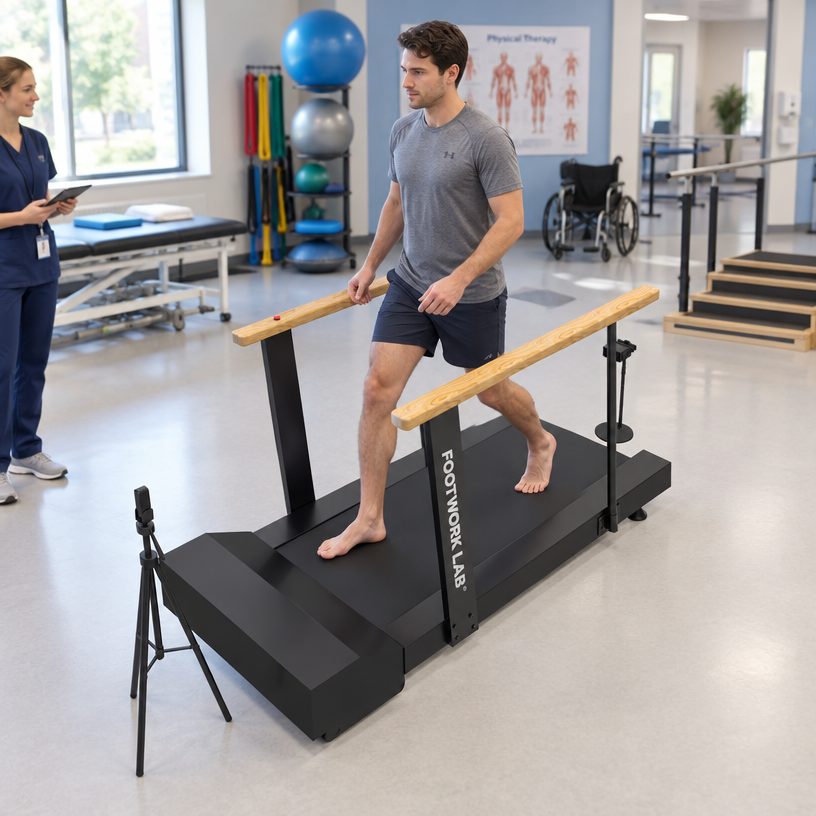
The interval card: four lines that make follow-ups deliberate
Everything above compresses into a card small enough to live in the diary, and the card is the deliverable of this whole piece. Line one: the reason — replacement, adaptation check, life-change record, or annual baseline, named in those words. Line two: the question — one sentence stating what the second record is supposed to decide, written before the appointment is confirmed. Line three: the clock — what has to have had time to happen before this date is meaningful, which is what justifies the gap between the two bookings. Line four: the hold-constant list — footwear rule, instruction wording, time-of-day expectation, start routine, each named so the desk staff can see the requirements without interpretation.
The card earns its space at both ends. At booking, it forces the interval decision through the question instead of the habit: if nobody can fill line two, the follow-up does not get booked, and the customer gets a call-back trigger instead — “book us if the new pair stops feeling new, or if the job changes”. At the second appointment, the card hands the room its own protocol, so the capture is reproduced rather than reinvented, and the conditions block gets filled from the card rather than from memory.
There is a quieter benefit that shows up months later. Files built this way read clearly to someone who was not in the room: reason, question, clock, conditions, record. No archaeology required. And files that read clearly get used, which is the entire point of taking a second record at all — not to fill a diary slot on a schedule, but to give the next decision about this customer something honest to stand on.
Frequently asked questions
How long should we wait before recording a customer again?
Long enough for the thing the second record is meant to detect to have actually happened. A replacement for a spoiled capture can come the same day. A check on whether someone has settled into a new pair should wait until the new arrangement has stopped feeling new. A record after a job change belongs a season or more into the new job. An annual baseline is the only interval that comes from the calendar, and it only works if the protocol is reproduced deliberately.
Is a follow-up two weeks later ever worth booking?
Only for capture questions, never for change questions. Two weeks is enough time to replace a spoiled record, or to check that a deliberately altered protocol produces a consistent result. It is not enough time for anything in the person’s life or adaptation to have changed measurably, so a habitual fortnight follow-up mostly re-measures ordinary day-to-day variability and dresses it up as a finding.
What makes a one-year comparison meaningless?
Unmanaged conditions. Over a year the shoes change, the job may change, the instruction wording drifts, the staff member changes and the room itself may move. Each drift is small; together they dissolve the comparison. A yearly record is only comparable if footwear rules, instruction wording, start routine and time-of-day expectations are reproduced, and if every genuine life change is written on the sheet so the reader knows what the pair actually compares.
Should the interval change after a customer starts wearing a new pair?
Yes. The sensible re-record sits past the settling stretch, booked when the new arrangement has stopped feeling new, with the question phrased as whether the pattern has settled. Recording inside the settling period mostly documents the negotiation between the person and the new pair, which is real but temporary, and it makes a poor baseline for anything that comes later.
Do the two records need to be taken on the same equipment?
Same equipment keeps one variable fixed, which helps, but it is not what makes the pair comparable. The device records whichever crossing it is given. Conditions make the comparison: footwear rule, instruction wording, start routine, time of day. Two records from the same device taken under drifted conditions compare less honestly than two records from different rooms taken under reproduced protocol, though the simplest policy is same room, same device, same words.
What conditions must match between the two dates?
Footwear and lacing rule, barefoot or shod; the pace instruction word for word; the start routine and direction; the staff member giving instructions where possible; and a comparable time of day. Anything that could not be held equal gets written on the sheet at the time, in plain words, before the two records are viewed side by side. Write first, then read.
What should we write down when we book the follow-up?
Four lines, on a card or in the diary entry: the reason for the second record in one word or phrase; the question it is meant to answer in one sentence; the clock — what must have had time to happen before the date is meaningful; and the hold-constant list the second capture will need to honour. If the question line cannot be filled, the honest move is to book a trigger instead: the customer calls when something has actually changed.
What we would do next
Print the interval card — reason, question, clock, hold-constant list — and tape it inside the diary cover or drop it into the booking template, so the follow-up conversation at the desk runs through four lines instead of one habit. Then run this week’s follow-up bookings against it: every slot where line two cannot be written gets converted to a call-back trigger. Expect the diary to thin out. That is not lost revenue being disciplined away; it is noise being retired from the files, and the follow-ups that remain become records a colleague can actually read a year later. The same discipline of deciding what a record is for before taking it applies to the very first capture, too (Walk In, Walk Across: How Many Passes Make a Fair Record).
And here is the question we leave with every room that rebuilds its follow-up policy this way: when you look at your last twenty follow-up appointments, how many had a question written down before the date — and what did the other ones actually decide?
This article is intended for professional and educational reference. It is not medical advice. Foot assessment equipment produces measurements and images; clinical interpretation and any decision about care remain the responsibility of a qualified professional. Certification scope is limited to the documentation we hold: European Union certification and ISO quality system certification.