
The first order goes out on a Tuesday, and by Thursday the shop has sold eleven pairs and wants more of the one that moved. The message that arrives is a photograph of an empty shelf and a sentence: the grey ones, the soft ones, the ones with the thin edge. On the factory side, that description has to be matched against two hundred pairs across three builds and a spread of sizes, and the answer depends on a record that may or may not exist. This is the ordinary fate of a good first order: the reorder is decided while the first box is being packed, and it is decided by whatever was written down at that moment. This article sets out the four details worth recording before the carton is sealed, how the minimum order works when it is meant to be mixed rather than repeated, how a size curve teaches an owner what to stock next, the honest trade between holding stock and ordering against demand, and why a sample that arrives in three days says nothing about the six weeks behind it.
The second order is drafted while the first is packed
A first order is a decision about a range. A second order is a decision about a shelf. The two use different evidence, and the evidence for the second one starts accumulating the day the first carton is opened. Which build did customers pick up and turn over? Which size ran out first? Which pair has been on display for a month with a crease in the cover? None of that is guesswork, and none of it can be reconstructed later from memory.
The problem is that the record keeping usually starts too late. An owner who decides to track sales properly in month three has already lost month one, and month one is the most informative month a new range will ever have, because every pair sold is a first sale rather than a repeat. The fix is cheap and unglamorous: a sheet of paper behind the counter with a line per style and a column per size, filled in at the till rather than at the end of the week.
On the factory side the same logic runs in reverse. What we can reproduce exactly is what was specified exactly. A reorder that arrives as a photograph of a shelf can usually be matched, because the builds are distinct and the covers are recognisable, but matching takes a day of messages that neither side enjoys, and it introduces a risk that nobody needs: two similar builds in the same colour family, and a shop that receives the wrong one.
The habit worth building is small. When the first order is confirmed, ask for the specification back in writing — style reference, size breakdown, materials, the reference of any mould or template used — and keep that document where the till is. It takes one email and it converts every future reorder from a conversation into a line.
Four lines that belong in the file
The first line is the style reference, and it has to be the reference the factory uses rather than the name the shop invented. A shop can call a build anything it likes on the shelf, and it should, because customers remember names. The file needs the other one: the code that appears on the factory’s own list, which is what a reorder will be keyed against when the person who placed the first order has left. That happens more often than owners expect, and it is almost never announced in advance.
The second line is the size distribution, expressed as the actual pairs received rather than the curve that was intended. A two-hundred-pair order mixed across styles and sizes will not arrive as a perfect curve, and the difference between the plan and the delivery is the first useful piece of data the shop owns. Write down what came, not what was ordered, because the reorder is built on what is on the shelf.
The third line is the batch. Materials move: a cover fabric can change shade slightly between production runs, a foam can arrive with a different feel, a plate can be supplied in a marginally different stiffness. None of that is a defect, and all of it is visible to a customer who bought a pair in spring and comes back for a second in autumn. Recording the batch against the delivery date means that when a customer says the new one feels different, somebody can check whether the material changed or the foot did.
The fourth line is the mould or template reference, and for a customised range it is the most important of the four. A build made to a recorded foot is only repeatable if the shape it was formed on is identified. Write the reference on the box, on the invoice and in the file, and store the mould or template under the same reference. A workshop that keeps shapes but not numbers can remake a pair once and then has to start again.
What the size curve is telling you by the third month
By the third month a shop knows something a catalogue cannot tell it: which sizes its own customers actually buy, and which ones sit. The pattern is rarely symmetrical. A shop near a school sells the smaller end of the range and runs out of it twice a season. A shop in a retirement town sells the middle and the wide fittings and has one size it has never sold. Neither pattern appears in a national average, and both decide the next order.
The curve also exposes the difference between a range problem and a size problem. If one build sells in every size and another sells only in the middle, the second build is not necessarily wrong — it may simply attract a customer with an average foot who is unwilling to try something unfamiliar. That is a display and conversation problem, not a production problem, and ordering more of it will not solve anything.
Two rules of thumb survive contact with real shops. Widen before you deepen: when a size sells out twice, add pairs either side of it before doubling the size that sold. And treat the slow size as information rather than a mistake: a shop that trims it to zero and then receives a customer who needs it has lost a sale to save a pair of shelf space.
The counter record and the size sheet belong together. A shop that assesses feet before selling has a second data set — which recorded foot types bought which build — and the two together are a better forecast than either alone. That is the argument for keeping the assessment note in the same file as the sales line rather than in a separate folder that nobody opens.
Stock on the shelf or made against the order
There is a real trade here and it is worth stating as a trade rather than a preference. Holding stock means a customer can walk out with a pair, which is what most retail customers expect, and it means capital is sitting on a shelf in a shape that may not sell. Ordering against demand means every pair has a buyer before it is made, and it means a wait that some customers will not accept.
Most shops we work with settle in the middle without naming it. They hold the daily comfort range in the sizes that always move, because that is the walk-in business, and they order the rehabilitation and sport builds against recorded sessions, because those customers are already waiting for something made for them. The mix is decided by the shop’s own traffic rather than by a supplier’s minimum.
The minimum order matters here because of what it is for. Two hundred pairs is not a number chosen to make a container worthwhile; it is the smallest quantity at which a shop can open a genuine curve across styles and sizes instead of stacking one build in one size. Used properly, the minimum is a range decision. Used badly, it is two hundred of the same pair and a shelf that does not change for a year.
What we do not do is push a shop towards stock it has no evidence for. A supplier who fills a shelf with the builds he prefers to sell creates exactly the slow stock that convinces an owner that the whole category does not work. The size sheet is the shop’s document, not ours, and the most useful thing a factory can do with it is read it honestly and say when the answer is to order less.
Three days for a sample, and the weeks behind it
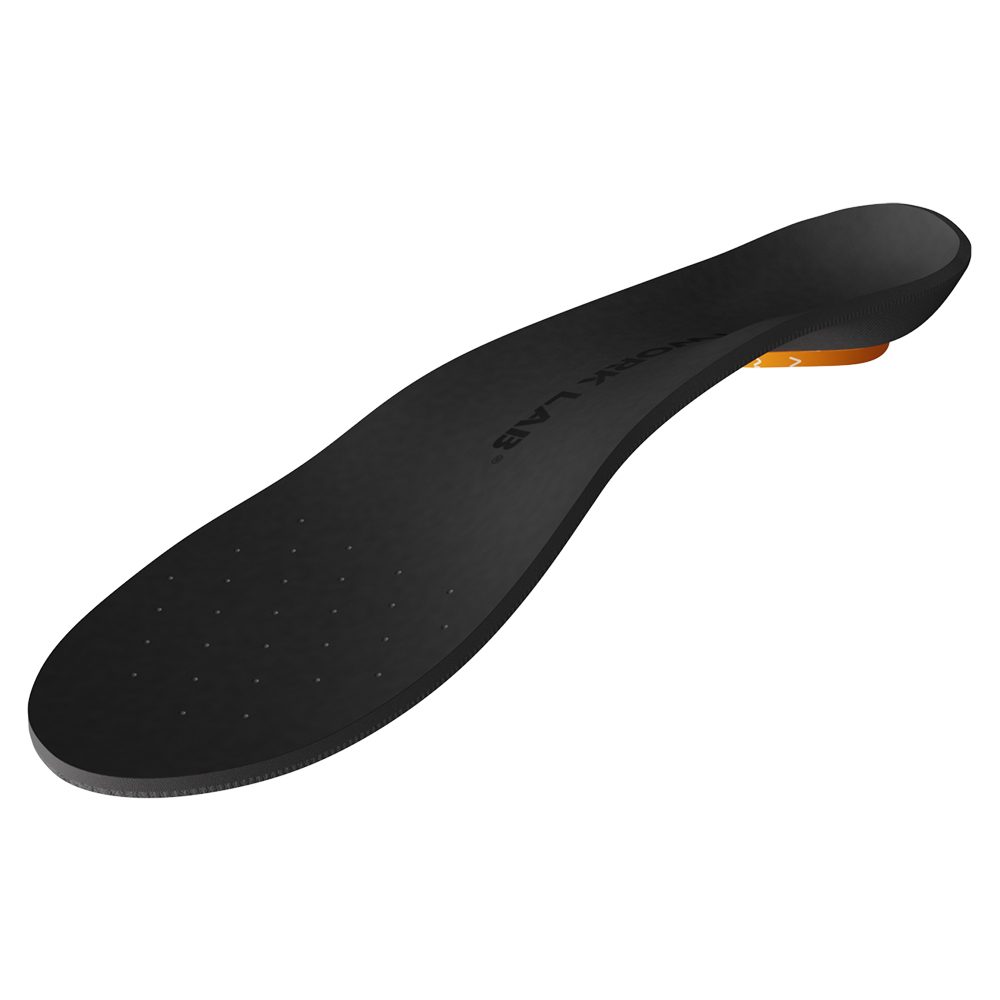
Samples leave within three days, and that speed is worth something specific: it lets a buyer hold a build before committing to a curve. Feeling the cover, flexing the plate, comparing a soft build against a firm one, checking how the edge finishes — these are judgements a photograph cannot support, and a shop that has held the product talks about it differently at the counter. Staff who have handled a pair sell it with their hands, and customers notice.
What three days does not tell anyone is how the bulk order will run. Sampling is a separate operation from production: a sample bench can stop and adjust, while a production run is scheduled against materials, moulds and the working day. Bulk delivery is quoted at six to seven working days by courier, ten to twelve days by air, or thirty to thirty-five days by sea, and those windows start from production rather than from the enquiry.
The mistake buyers make is planning a launch against the sample date. A shop that announces a fitting week because samples arrived on Thursday is planning against the fastest thing in the chain. Plan against the slowest: if the range has to be on the shelf for a season, the order belongs in the calendar a month before the season, not a week before it.
Production capacity matters to this arithmetic. Our line runs at roughly five hundred to a thousand pairs on a working day, which is comfortable for a shop’s seasonal order and tight in the weeks before a trade fair, when everyone orders at once. A buyer who orders early gets the window they asked for. A buyer who orders in the busy fortnight gets the pairs, and a date that has moved. That is not a complaint about demand; it is simply how a factory calendar behaves when every shop in a market waits for the same trade fair before it commits.
What a reorder message should contain
A good reorder is five lines long. The style reference and the batch it came from. The sizes and quantities wanted, in the shop’s own numbers rather than a percentage. The delivery mode the shop is planning against. Any change to the build, stated as a change rather than left to be noticed. And the date the shelf needs it. Anything else is conversation, and conversation is welcome, but those five lines are what a factory can act on without asking three questions back.
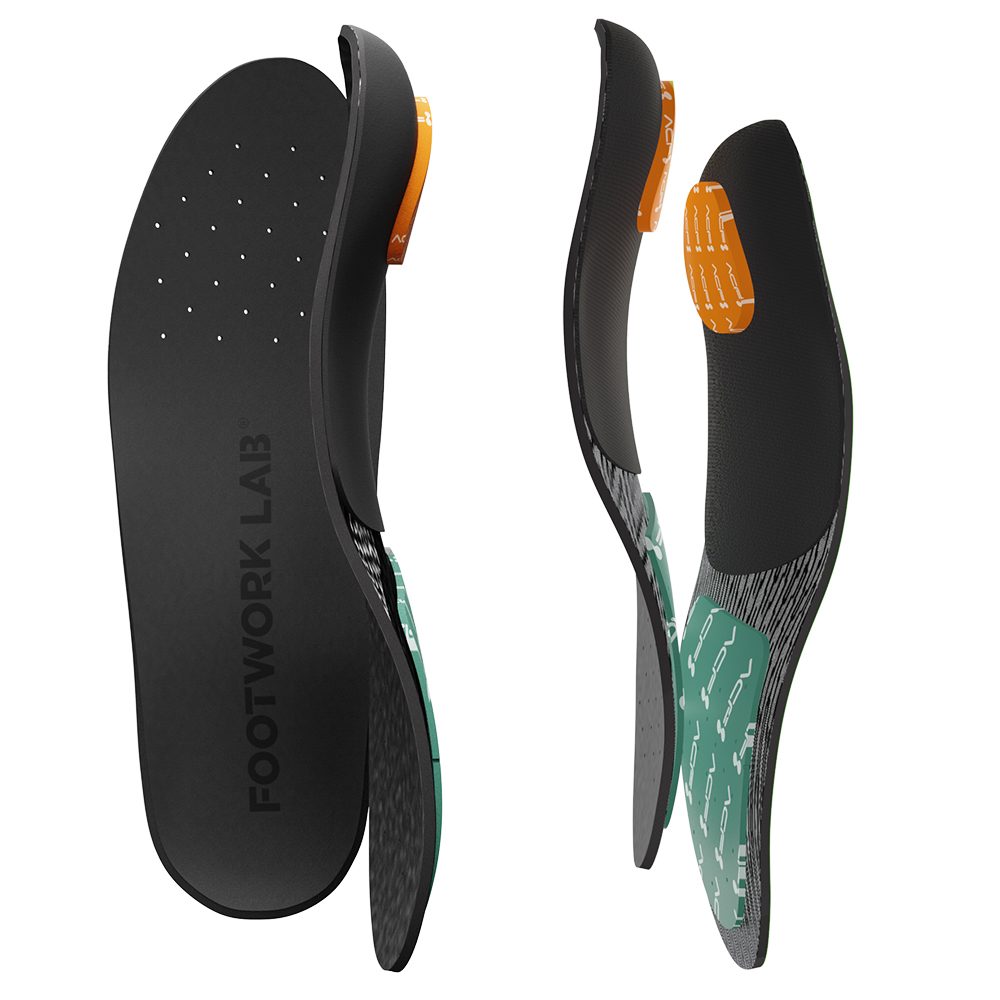
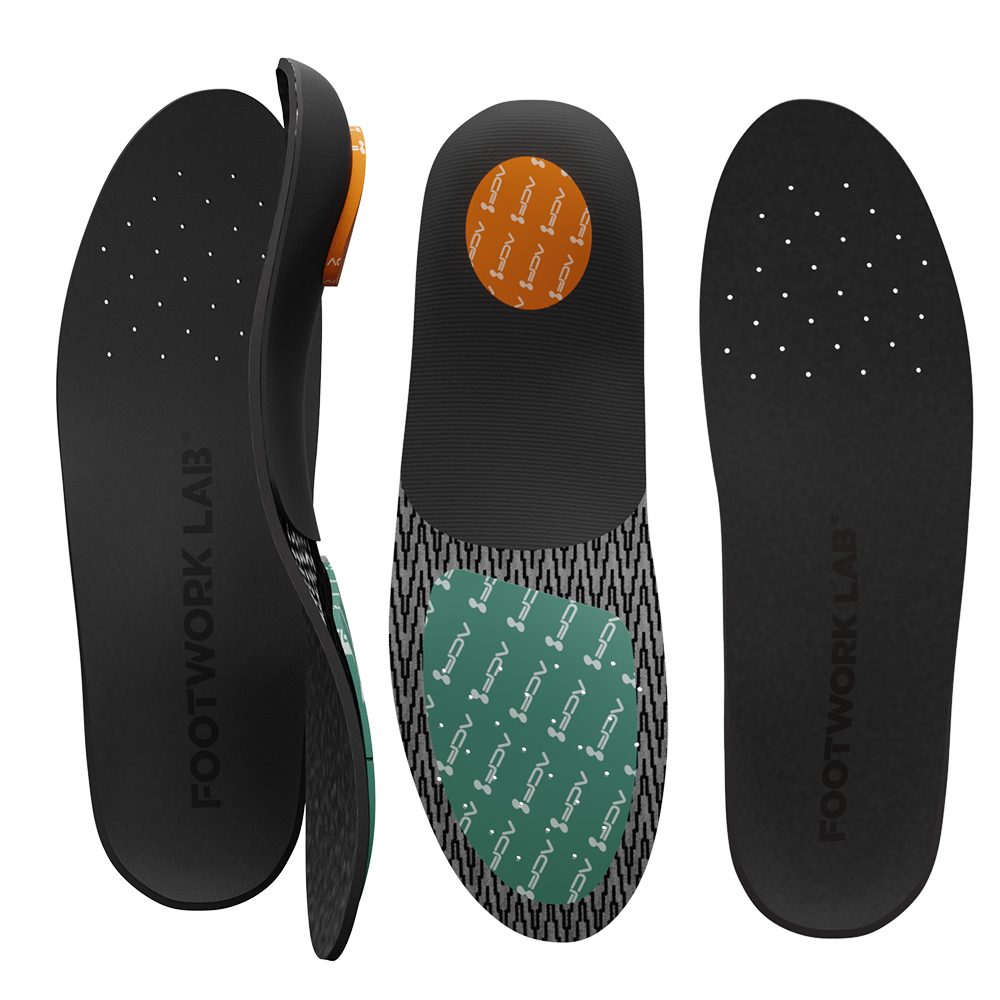
The reason to insist on this is continuity rather than bureaucracy. A range that keeps its names, its references and its grading from season to season is a range a customer can ask for by name, and a shop can reorder in a sentence. The builds we hold deliberately do not change: the daily construction — a mesh face, a cushioning textile layer and a shaped polymer plate — stays the same because a customer’s memory points at a product line, not at a shipment. New ideas go beside the standard range rather than replacing it.
We are clear about the parts we do not do. We do not promise a region to one dealer, because that is a distribution agreement with obligations on both sides rather than a line in a quotation. We do not diagnose anything, and no insole we make is sold against an outcome: the build matches a record, the record describes a foot, and what any of it means for a particular person is a professional’s judgement. We also do not put figures in an article, because a price depends on the build, the quantity, the destination and the service around it.
Frequently asked questions
What should be recorded before the first insole order ships?
Four things: the factory’s style reference, the size distribution actually delivered, the batch, and the reference of any mould or template used. With those four, a reorder becomes a line rather than a conversation, even if the person who placed the first order has moved on.
How does the two-hundred-pair minimum work?
It is a minimum for the order, not for the style. Two hundred pairs can be mixed across builds and sizes, which is what lets a shop open a real curve rather than stacking one build. Used that way, the minimum is a range decision rather than a container decision.
Why does the batch number matter if nothing is wrong with the product?
Because materials shift slightly between runs — a shade, a foam feel, a plate stiffness. Recording the batch lets a shop check whether a customer’s sense that the new pair feels different comes from the material or from the foot.
Should a shop hold stock or order against demand?
Usually both, split by range. Daily comfort builds are held in the sizes that always move, because walk-in customers expect to leave with a pair. Rehabilitation and sport builds are ordered against recorded sessions, because those customers are already waiting.
How fast do samples and bulk orders move?
Samples ship within three days. Bulk delivery runs six to seven working days by courier, ten to twelve days by air, or thirty to thirty-five days by sea, counted from production rather than from the enquiry. Plan a launch against the slowest option.
Can a reorder change the build?
Yes, and it should be stated as a change rather than assumed. Insoles accept both ODM and OEM, so a shop can adjust materials, covers or branding, provided the change is written down and the style reference is updated with it.
What happens if a size runs out mid-season?
Widen the curve on the next order before deepening the size that sold, and keep the slow size rather than trimming it to zero. A missing size loses a sale to save a pair of shelf space, which is a poor exchange.
What we would do next
Open the file for your last order and check whether those four lines are in it. If they are not, send us the delivery note, the invoice and a photograph of the shelf through the contact page, and we will reconstruct the reference and the batch from our own records before the next order is placed.
The insole range page lists the three families, their grading and the daily construction, which is where most reorder conversations start. A footwear store that fits by record follows one shop through its first season with an assessment counter, and orthopedic products sell in order explains how a foot care shelf sequences itself.
For the longer view, a foot care product line shows how a range is arranged to answer a record rather than a catalogue, and what a scanner adds to an orthopedic insole business sets out why the counter note and the sales line belong in the same file.
This article is intended for professional and educational reference. It is not medical advice. Foot assessment equipment produces measurements and images; clinical interpretation and any decision about care remain the responsibility of a qualified professional. Certification scope is limited to the documentation we hold: European Union certification and ISO quality system certification.