
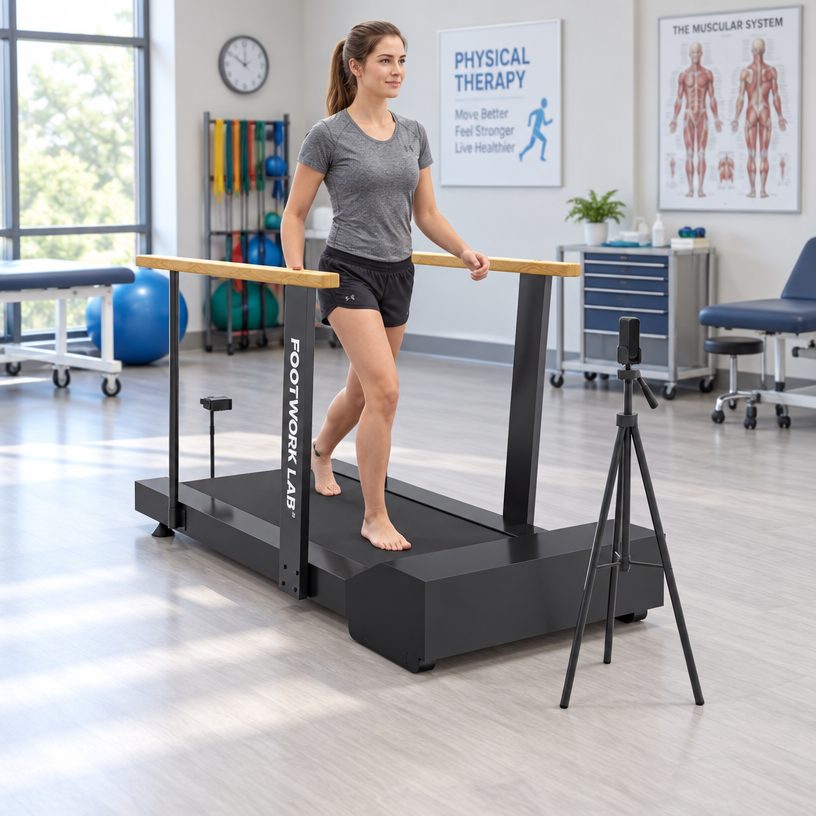
The first customer of the day arrives from the street, takes off shoes and socks, and steps onto a platform in a room that has not yet warmed up. The toes are cool to anyone paying attention. The last customer of the day arrives from a heated office, has waited in a warm room for a quarter of an hour, and crosses the same surface barefoot and comfortably warm. The two records come out of the same equipment, in the same room, on the same day — and they are not measurements of quite the same conditions. Anyone who has compared files across a working day has seen this drift without always being able to name it.
This piece is about foot temperature before scanning: what warmth and coolness do to a contact record in qualitative terms, how conditions drift across a day, and what a practice can hold constant so the nine o’clock record and the four o’clock one can be compared fairly.
The cool foot and the warm foot are not the same recording surface
A pressure record is a conversation between a foot and a surface, and temperature is one of the things sitting at that table. A foot that has come in from the cold behaves differently underfoot from one that has been warm and shod for hours. The tissue itself feels different — firmer, less yielding. The customer’s own account differs too: cool toes get noticed, wriggled, curled, guarded; warm feet get forgotten, which is precisely what you want from a recording surface.
None of this needs numbers to be useful in the room. The qualitative picture is enough to change practice: cool feet tend to make less settled, less forgiving contact; warm feet tend to spread and yield more evenly. Where the difference matters is in how the record reads — the contact pattern from a cold-start customer can look quieter, more hesitant, more concentrated in fewer areas than the same person’s feet would produce later in the day. The foot did not change its nature between morning and afternoon. Its conditions did.
The point deserves a careful frame, because it is easy to overclaim in either direction. Temperature does not rewrite who the customer is; it moderates how the foot meets the surface in that moment. A record is still a real measurement of a real crossing. What changes with temperature is the fairness of comparisons — between hours, between sessions, between the file from today and the file from last month. Fairness is a practice discipline, not an equipment property, and that is where the rest of this piece lives.
What cold does to a contact record, qualitatively
Watch a cold-start customer cross and the details accumulate. The toes may sit differently — tensed, slightly clawed, not fully relaxed into the surface. The customer may report that the surface feels unpleasant, and anything unpleasant gets hurried. Steps taken to escape a cold floor are not the unhurried steps of a settled walk. All of this lands in the record: shorter contacts, less even spreading, a pattern assembled at the speed of “get this over with” rather than the speed of ordinary walking.
Warmth works the other way. Feet that have been in warm shoes, or have waited barefoot in a warm room, spread more readily, settle faster, and complain less. The customer forgets the feet, which is the state every capture wants. We have written before about what a warm mark adds to a footprint board and why temperature belongs in the conversation at all (The Warm Mark on a Footprint Board: What Temperature Adds), and the same logic carries to platform work: the state of the foot at the moment of contact is part of the measurement conditions, whether or not anyone writes it down.
Be careful not to turn this into folklore. The claim worth defending is modest: temperature is one of the conditions that moderates contact, its effects are visible in qualitative terms, and its influence is strongest exactly when nobody is controlling for it. Whether a particular difference in a particular pair of records owes anything to temperature is a judgment for the qualified professional reading the whole file. The practice’s job is narrower and very doable: notice the foot’s state, record it, and stop letting it vary silently.
How conditions drift across a working day
A room that hosts records all day is a room full of slow drifts. The heating cycles. The morning’s cold air gives way to a room warmed by bodies and machinery. Customers arrive through different doors in different weather: the early ones come straight from the street, the mid-morning ones from cars, the afternoon ones from offices that have been warm since the working day began. Each arrival carries its own foot temperature into the room, and the room’s own state moves underneath all of it.
The drift is invisible in any single record, which is what makes it corrosive. One capture looks fine. A second looks fine. Only when a morning file is set beside an afternoon file does the difference appear — and by then, nobody remembers what the room was like at either hour. Drift is not a malfunction; it is what rooms do. The failure is documentation, not physics.
Map your own room’s drift once, deliberately, and it stops being mysterious. On a quiet day, note the room’s state at opening, midday and late afternoon — warm or cool, busy or still, doors open or shut — alongside how each customer arrived. Most practices discover a pattern they half-knew: an early window of cool starts, a warm plateau through the afternoon, a late-day dip when the door stands open for deliveries. Once the pattern has a shape, the routines below can be designed against the actual drift in your room instead of against an imaginary average day.
What to hold constant before every capture
The first constant is the settling window. Shoes and socks off, a few minutes seated in the room where the capture will happen, a couple of informal crossings, then the formal pass. The settling window does double duty for temperature: it lets the foot acclimatize to the room’s air and surface, and it removes the coldest, most reactive version of the foot from the record. We have argued for this window on general grounds before (The First Two Minutes: Letting Feet Settle Before a Capture); temperature gives it a second, specific justification.
The second constant is the room itself. Heating on at the same point every day, doors closed during sessions, the first capture of the day waiting until the room has reached its usual working state. None of this requires instrumentation; it requires a card by the switch panel and the discipline to follow it. A room held steady from opening to closing shrinks the drift that the settling window then has to absorb.
The third constant is the customer’s immediate history — and this one you cannot control, only capture. How long they have been indoors, where they came from, whether the day is a cold one. Ask it as a script line at greeting, the same flat question every time, and write the answer on the sheet. Three constants, one card, one script line: the whole routine costs minutes a day, and it converts the silent drift of the last paragraph into documented, comparable conditions on every file the practice produces.
Fair comparisons across hours and across months
With the routines in place, comparisons get a rule: like compares with like. A morning record compared against another morning record, with both sheets carrying their conditions, is a fair conversation. A nine o’clock file against a four o’clock file is a conversation about conditions first and feet second — and the sheet should already have said so before anyone starts drawing conclusions from the difference.
Across months the stakes rise, because the question behind most repeated assessment is whether anything has changed. A change measured across two files taken under equal conditions says something about the feet. The same change measured across a cold-start file and a warm-afternoon file says nothing reliable at all: conditions moved with the calendar and the weather, and the comparison inherited every one of those moves. This is why the conditions lines on the sheet are not administrative decoration; they are what makes a longitudinal file readable at all.
When a forced mismatch is unavoidable — the diary is the diary — write the mismatch down next to the record and weigh it openly. A record is a measurement of a specific crossing, on a specific day, in a specific room state, with the foot in a specific condition. Anyone who reads the file later, including a referrer and including the customer’s next professional, deserves to see those conditions beside the pattern. The practice that documents them can compare honestly. The practice that does not is comparing photographs taken in different lighting and calling it progress.
What the sheet should say about warmth
Four lines carry the temperature story, and none of them needs a number. Line one: where the customer came from and how long they have been indoors. Line two: the foot’s state at capture, in plain words — “cool to touch on arrival, settled during the wait” is exactly the right register. Line three: the room state — usual start, warm afternoon, unusual and described. Line four: anything the customer volunteered about the surface or their feet, in their own words: “floor feels freezing”, “feet have been boiling all day in boots”.
The customer’s own words earn their line. They describe the experience from inside the shoe, so to speak, and experience is part of the conditions: a customer hurrying off a cold floor is producing a different walk from one settling comfortably, whatever the contact pattern technically shows. A sentence in the customer’s words beside the record protects the next reader from weighing a hurried, cold-start crossing as if it were a settled one.
Keep the wording descriptive. The sheet records what was noticed and what was said; it does not decide what the temperature difference means, because that judgment belongs to the qualified professional interpreting the complete file. The discipline is the same one that governs every line of a good worksheet: observation on paper, interpretation in the professional’s hands, and never the two mixed up on a page that will outlive the conversation that produced it.
When the foot’s temperature is part of the question
Everything above treats temperature as a condition to neutralize. There are sessions where the opposite is true — where the customer’s own account puts warmth or cold at the centre of why they came. Some people will tell you, unprompted, that their feet run cold in ordinary rooms, or that warmth changes how their feet feel through the day. Those accounts belong in the file exactly as spoken, and the settling and conditions documentation described above becomes even more important, because now the foot’s thermal state is not background — it is the subject.
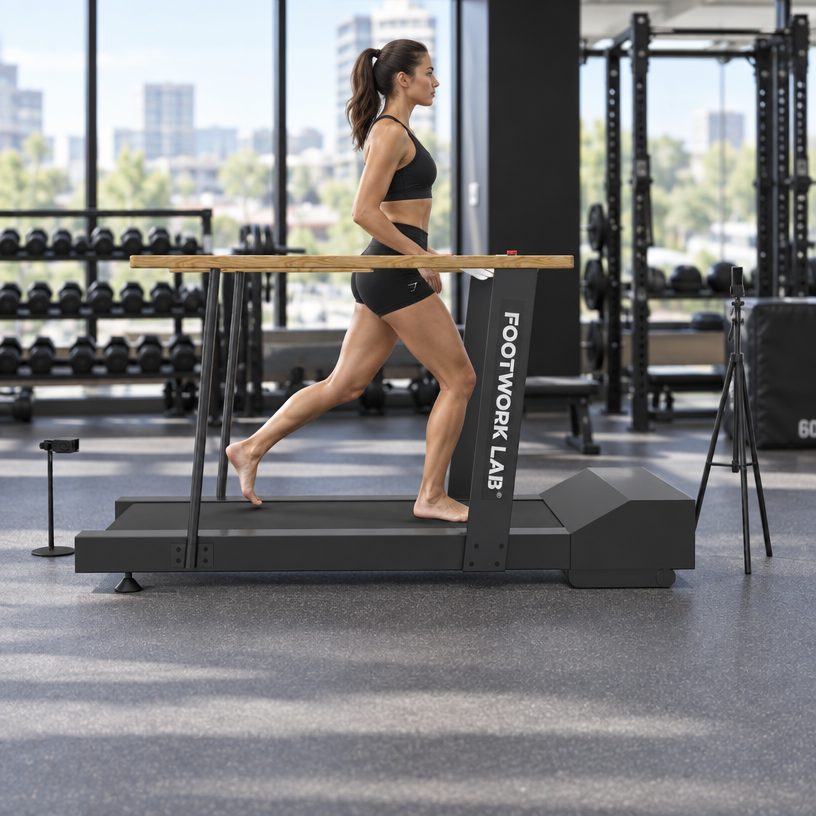
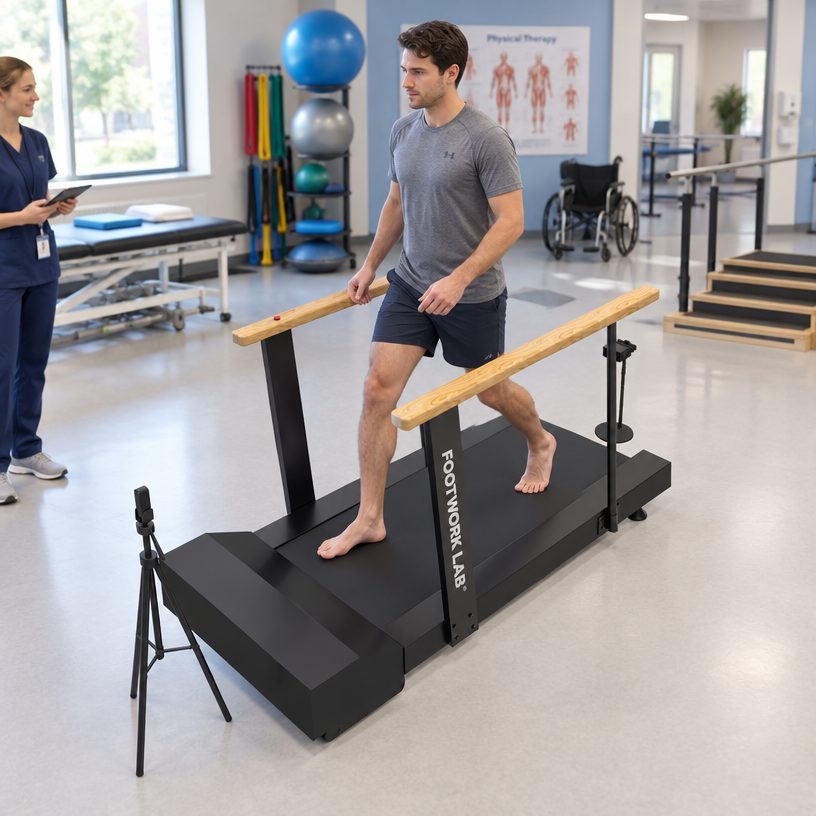
In those sessions, the honest division of labour matters more than ever. The equipment records what the foot does on the surface under the conditions of that moment — and a long dynamic platform such as the F5-LAB records those crossings with the same indifference at any hour of the day. What the coolness or warmth means, whether it connects to anything else in the picture, and what should happen next are questions for the qualified professional holding the whole assessment. A measurement session contributes the measurement; it does not contribute an explanation.
What the practice can promise, and deliver, is the conditions discipline: every record carries its thermal context, every comparison respects it, and nothing about the foot’s temperature is left to memory. That is a modest promise, but it is the difference between a file that can be read honestly next season and a file that quietly misleads everyone who opens it. Most of professional record-keeping is made of exactly such modest, kept promises.
Frequently asked questions
Does foot temperature really change what the record shows?
Qualitatively, yes. Feet arriving cold tend to make firmer, less settled contact, and customers hurry off cold surfaces; warm feet spread and settle more readily. It moderates how the foot meets the surface in that moment — it does not rewrite the person — and its influence is strongest when nobody is documenting it.
Do I need to measure the room and the customer’s skin to manage this?
No. Plain observation covers the practice’s side: cool or warm to touch, arrived from the street or a warm office, room at its usual working state or not. The goal is documented, comparable conditions, not instrumentation. Interpretation of what any thermal difference means belongs to the qualified professional.
How long should a customer wait barefoot before the capture?
Long enough to settle: shoes and socks off, a few minutes seated in the capture room, a couple of informal crossings, then the formal pass. The sequence matters more than the clock — the same routine for the nine o’clock customer and the four o’clock one is what makes records comparable.
Can I compare a morning record with an afternoon record?
Only if both sheets carry their conditions. If one was a cold start and the other a warm afternoon, the comparison is about conditions first and feet second. Where the diary forces the mismatch, write it beside the record and weigh it openly rather than letting it pass silently.
What should I write on the sheet about temperature?
Four lines without numbers: where the customer came from and how long indoors; the foot’s state at capture in plain words; the room state, usual or otherwise; and anything the customer said about their feet or the surface, in their own words. Observation on the sheet, interpretation in the professional’s hands.
The customer says their feet are always cold — what should the session do about it?
Record the account in their words and make the conditions documentation stricter than usual, because the foot’s thermal state is now part of the question rather than background. The equipment contributes measurements under documented conditions; what the coolness means and what happens next are the qualified professional’s decisions.
Is a record taken in a cool room a bad record?
No. It is an honest measurement of a crossing made in a cool room by a foot in a stated condition, and for some questions it is exactly the record wanted. It becomes misleading only when its conditions are lost — which is why the conditions travel on the sheet beside every record.
What we would do next
This week, put the settling routine and the room card into practice — same window for every customer, same room sequence every morning — and add the four conditions lines to the worksheet. Then, on the next quiet day, map your room’s drift once from opening to closing. Most practices find the pattern explains several old puzzles about files that never quite matched.
The habit underneath it all is the one this series keeps returning to: conditions travel with the record, and the sheet is what makes them travel. Fairness across hours and months is built from the same discipline as fairness between passes (Walk In, Walk Across: How Many Passes Make a Fair Record) — nothing clever, just the same conditions on both sides of the comparison, written down where the next reader can see them.
And a question for rooms that run records all day: have you ever traced a puzzling difference between two files back to the hour they were taken — and if so, what does your worksheet say about temperature now that it did not say then? We would like to hear what other practices write down.
This article is intended for professional and educational reference. It is not medical advice. Foot assessment equipment produces measurements and images; clinical interpretation and any decision about care remain the responsibility of a qualified professional. Certification scope is limited to the documentation we hold: European Union certification and ISO quality system certification.