
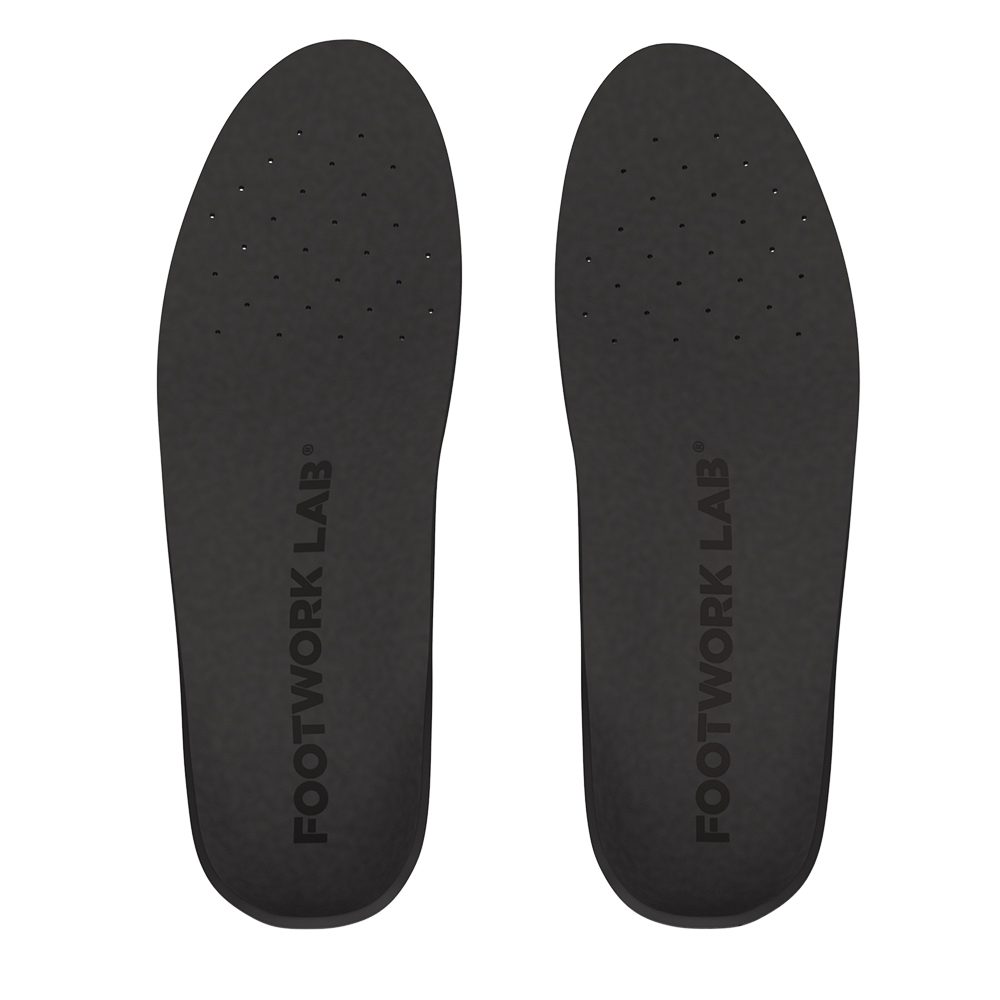
Building a Foot Care Set for the Shelf: Where the Insole SKU Fits
A foot care set sells because nothing in it needs explaining twice. How to assemble one around an insole SKU, what the packaging may say, and how the minimum order spreads.

A foot care set sells because nothing in it needs explaining twice. How to assemble one around an insole SKU, what the packaging may say, and how the minimum order spreads.
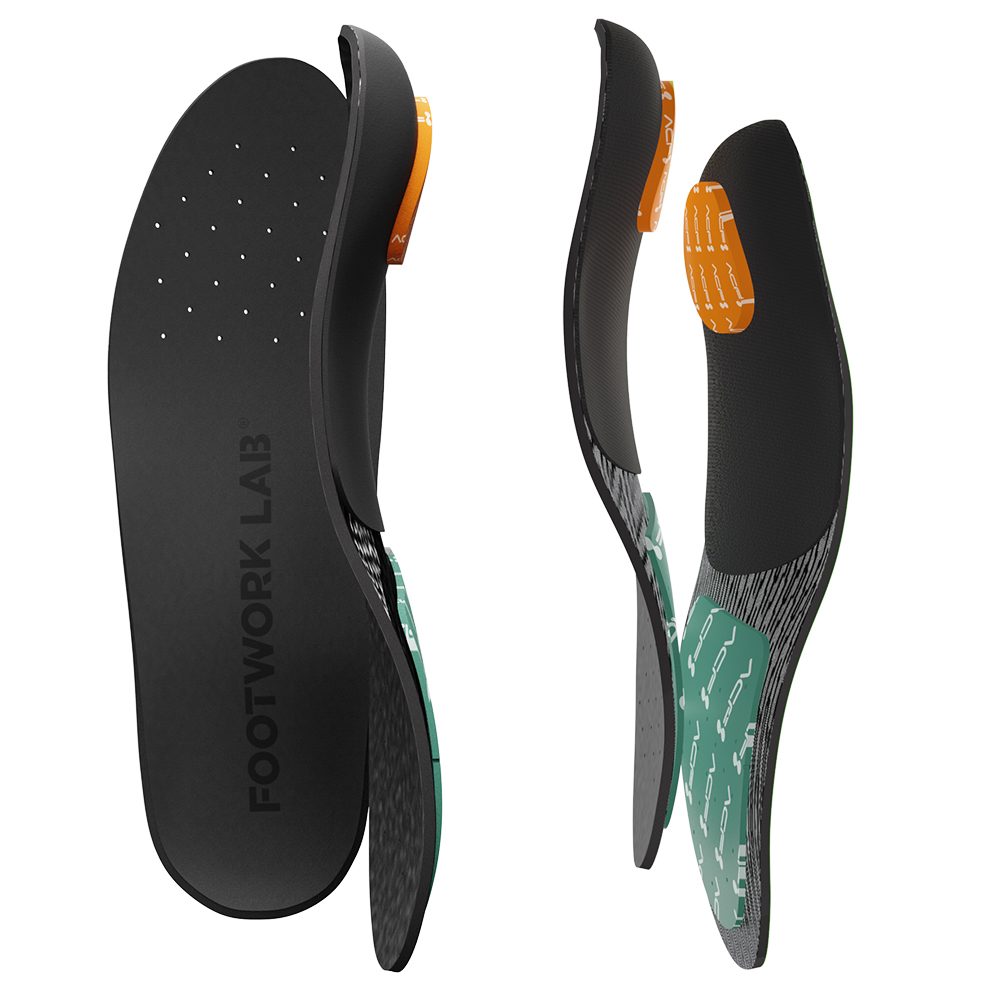
An arch support order is a specification, not a feeling. The lines a buyer should fill in before production starts, and which of them a foot record can settle first.
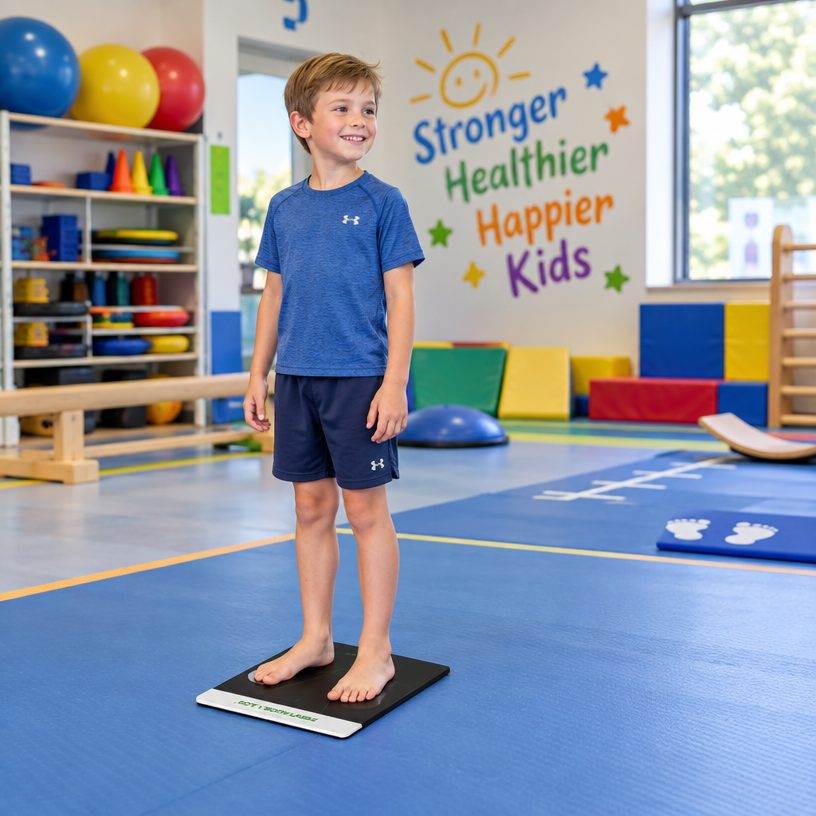
A foot scan before the shoe choice changes what the fitter reaches for: what the record adds, what it cannot pick, and why the file outlives the purchase.
A treatment room list is a budget document. Where insole ordering sits among chairs, lamps and instruments, and how to write the acceptance line for it.
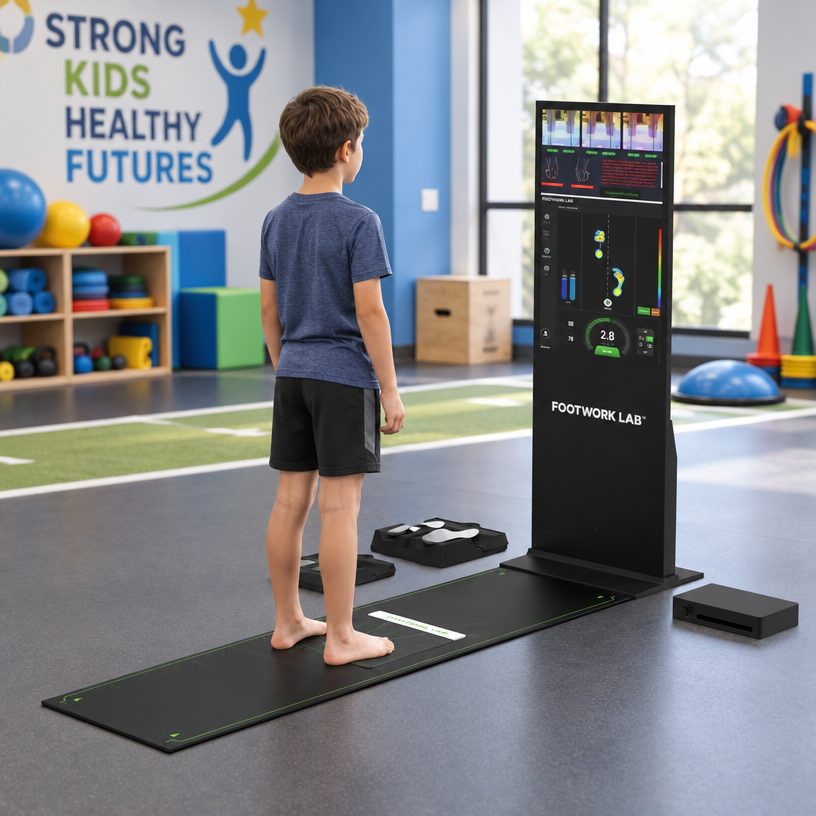
A demo is a test, not a show. Repeatability, report delivery, software handling and what to ask when the search term promised a shape file you will not receive.
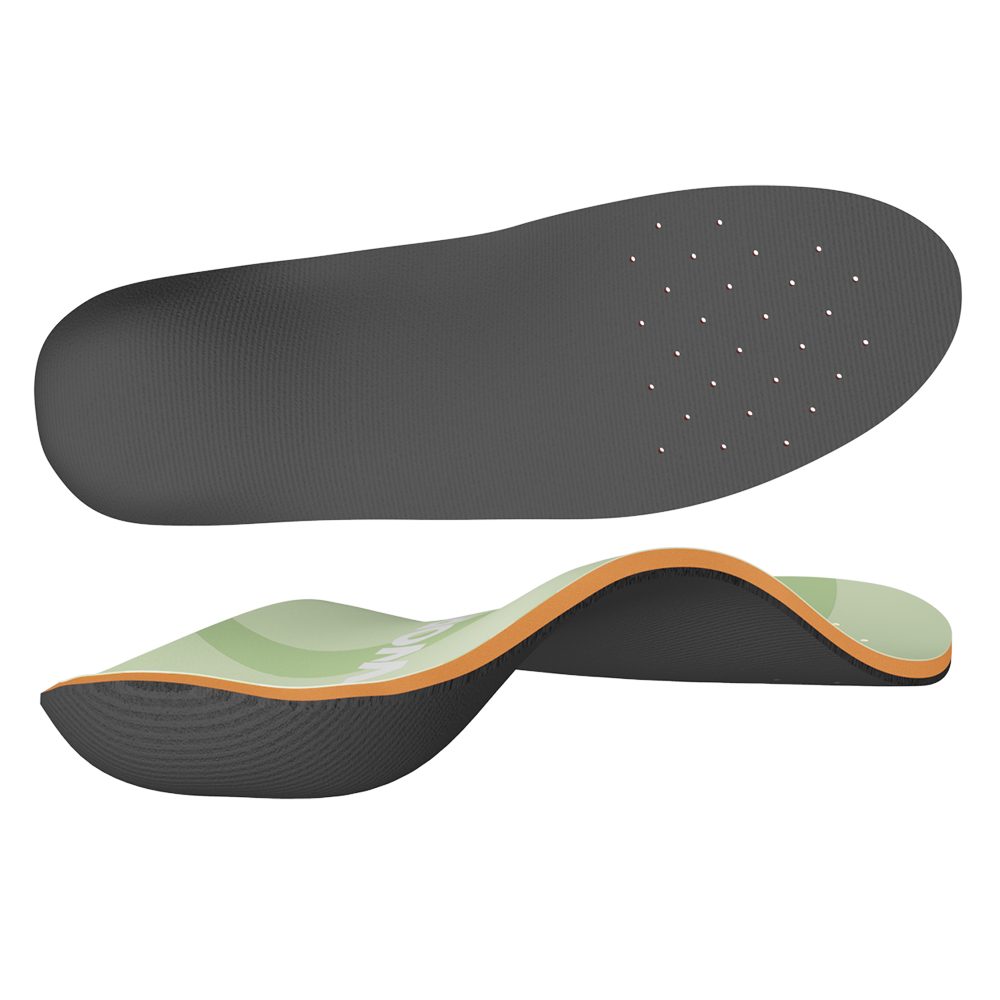
A sensor gives a reading; a programme needs a record. Why single readings disappear, which conditions must be fixed, and what makes a retest worth it.
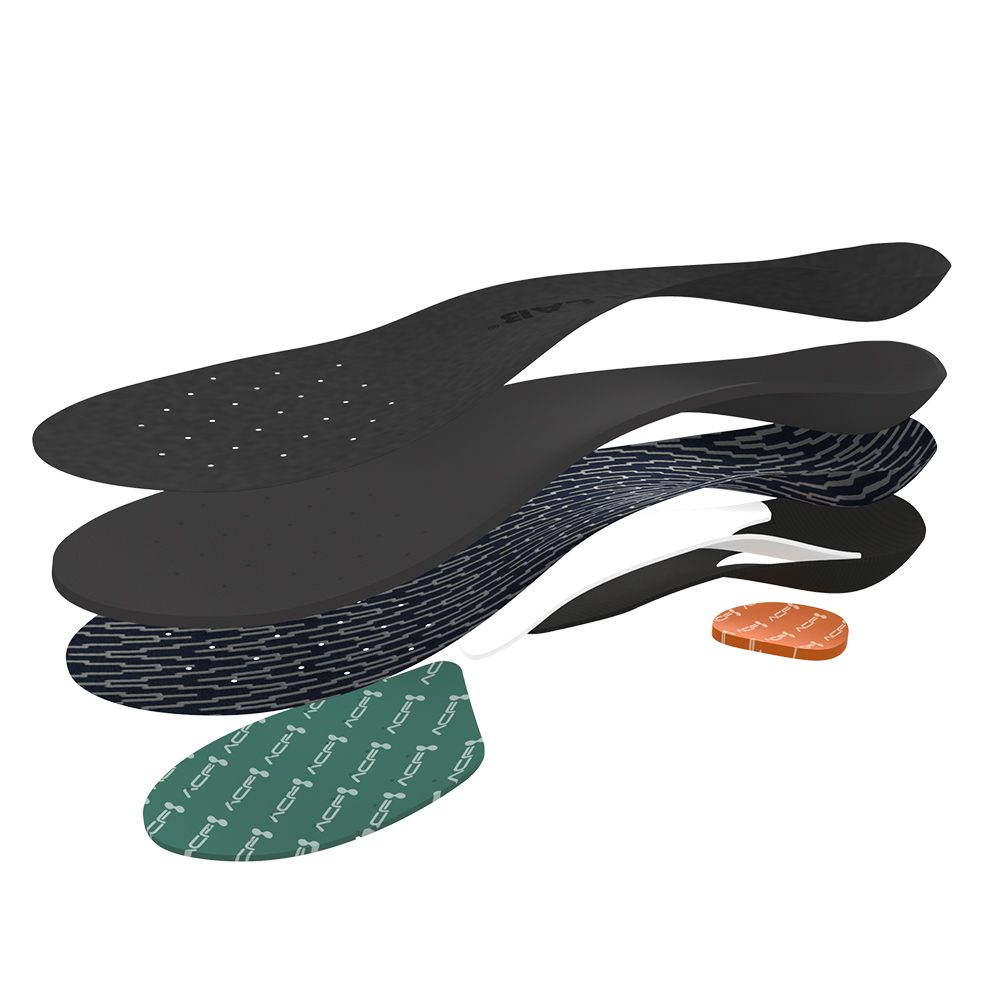
For a shoe brand the insole is a module with its own specification. Lasts, branding, the two-hundred-pair minimum and the delivery rhythm behind a custom story.
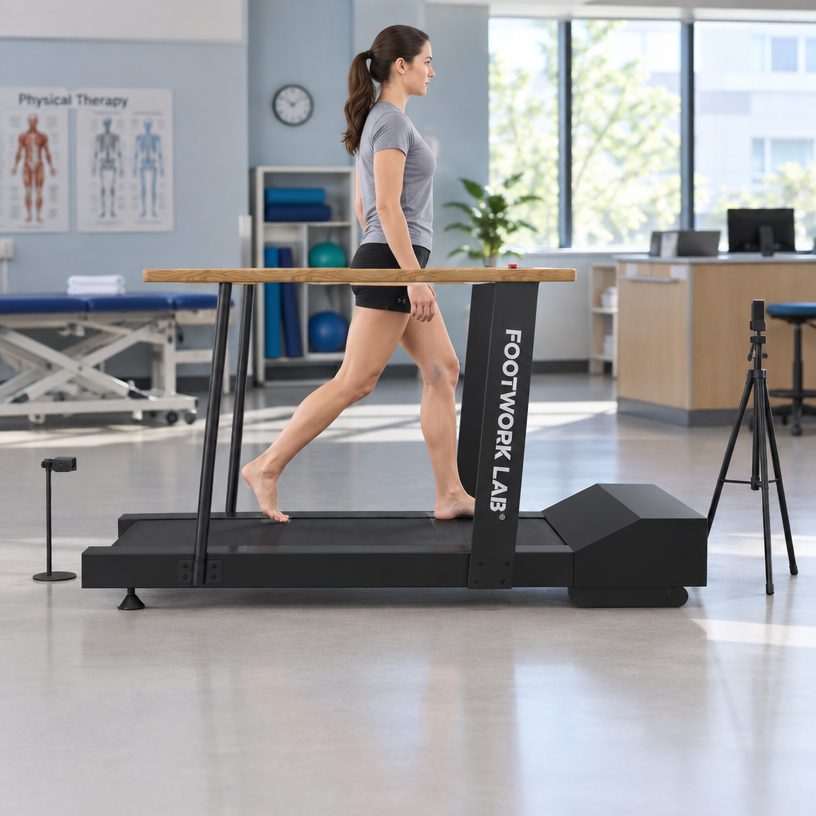
The same person walking and running produces two records that cannot be compared line by line. What changes between modes, and how to write the retest conditions down.
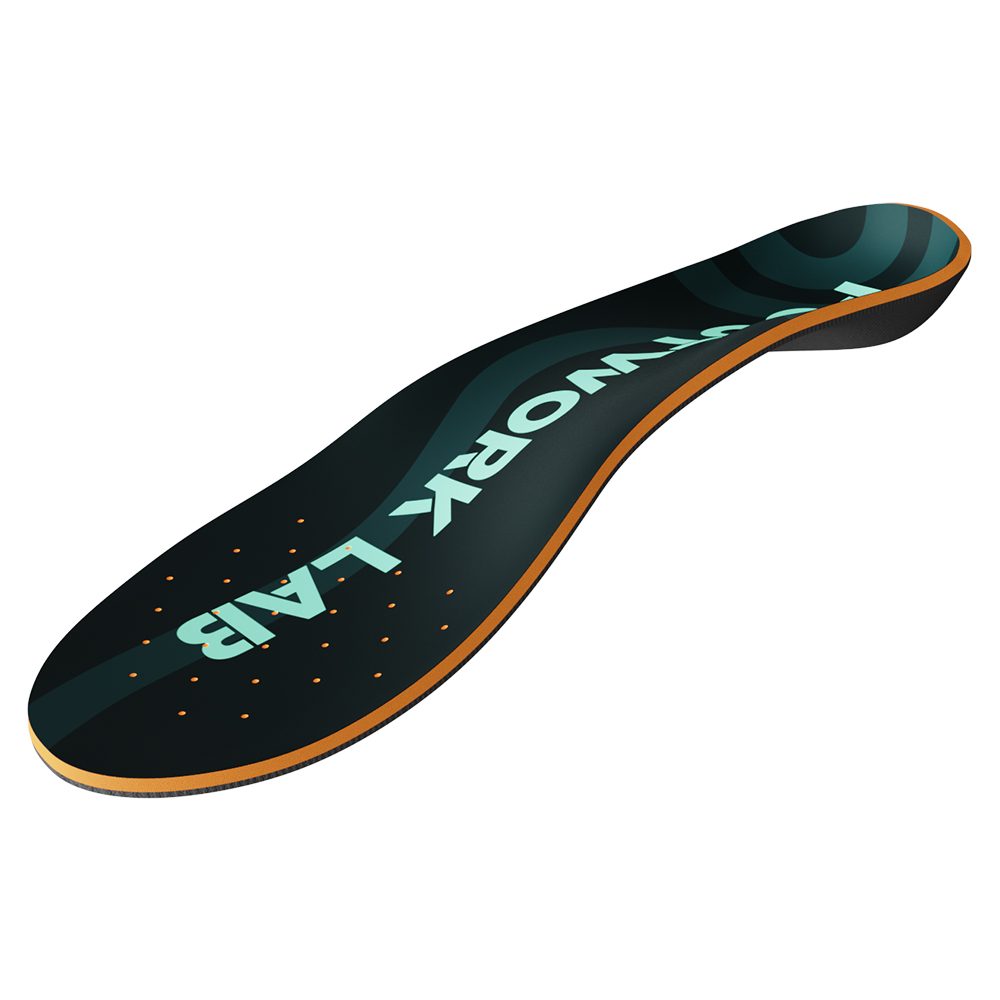
Capture and production in the same room change the workflow, not just the lead time. How a record becomes a template, who checks the pair, and when production belongs back at the factory.
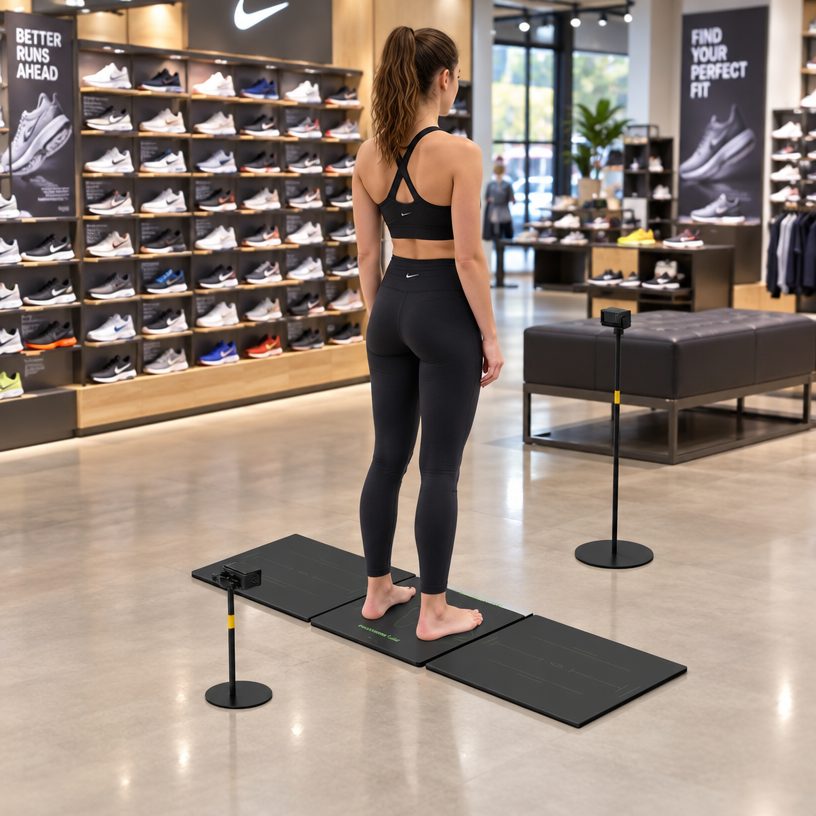
An outreach day runs on what fits in a case. Setting up plantar scanning in a borrowed room, using the on-site customisation module away from the workshop, and what can be handed over before leaving.
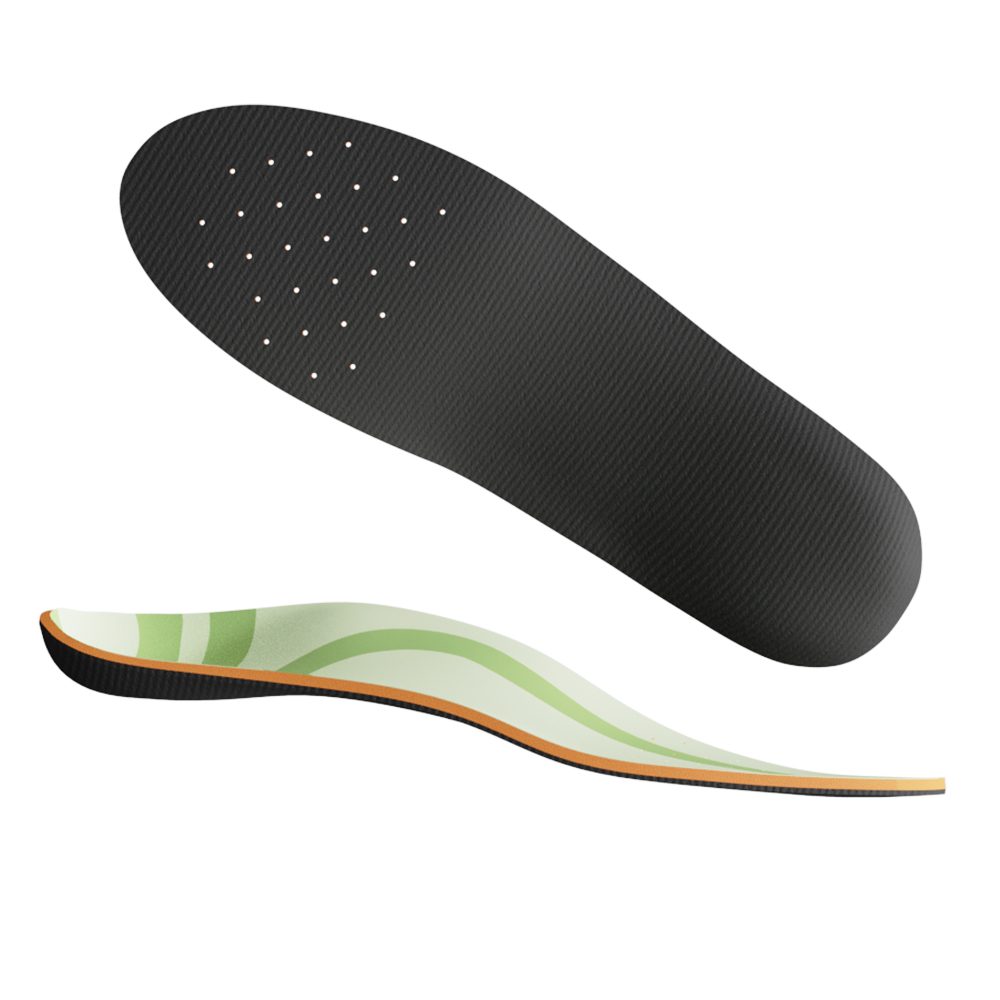
A training block changes what a foot has to absorb. How the four FX Sport grades follow the block, and why the reorder date is set by the programme, not the calendar.
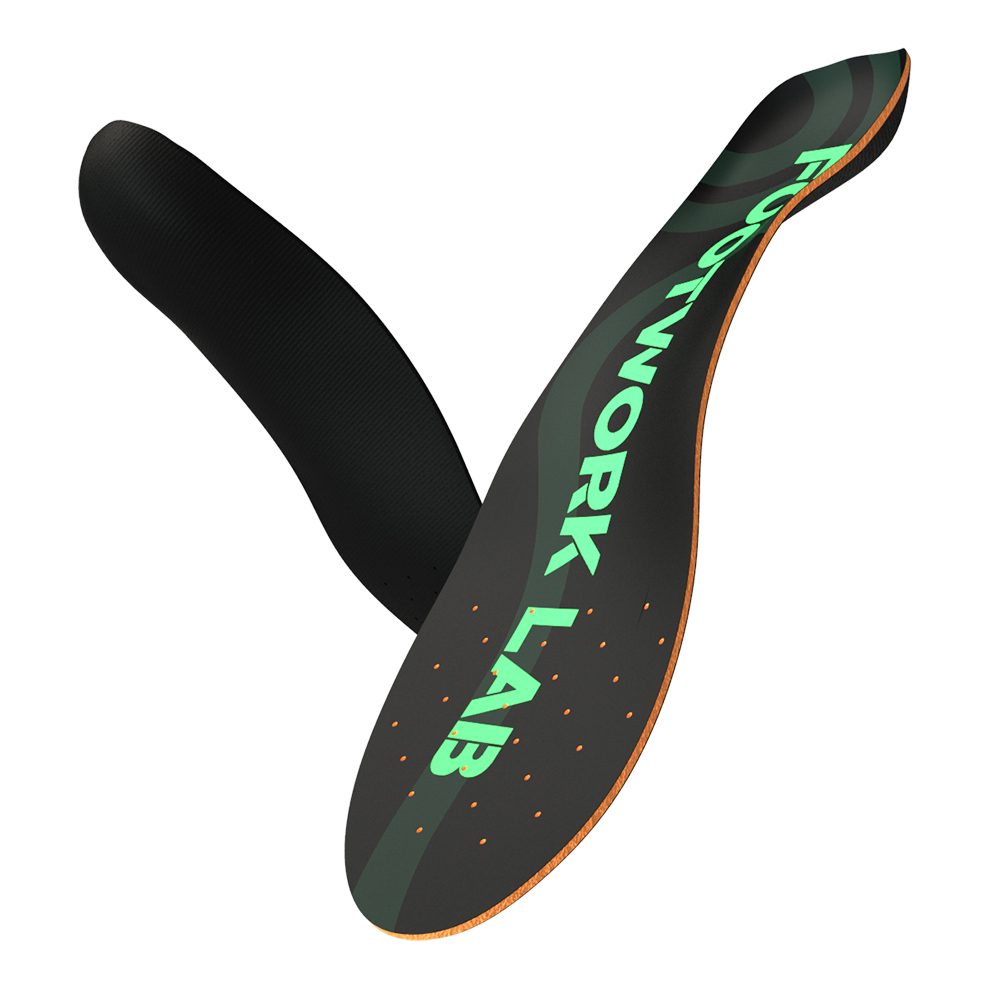
A machine is a schedule, not a purchase. Who runs it, how much floor it takes, how many days a week it actually works, and when daily capacity becomes relevant.