
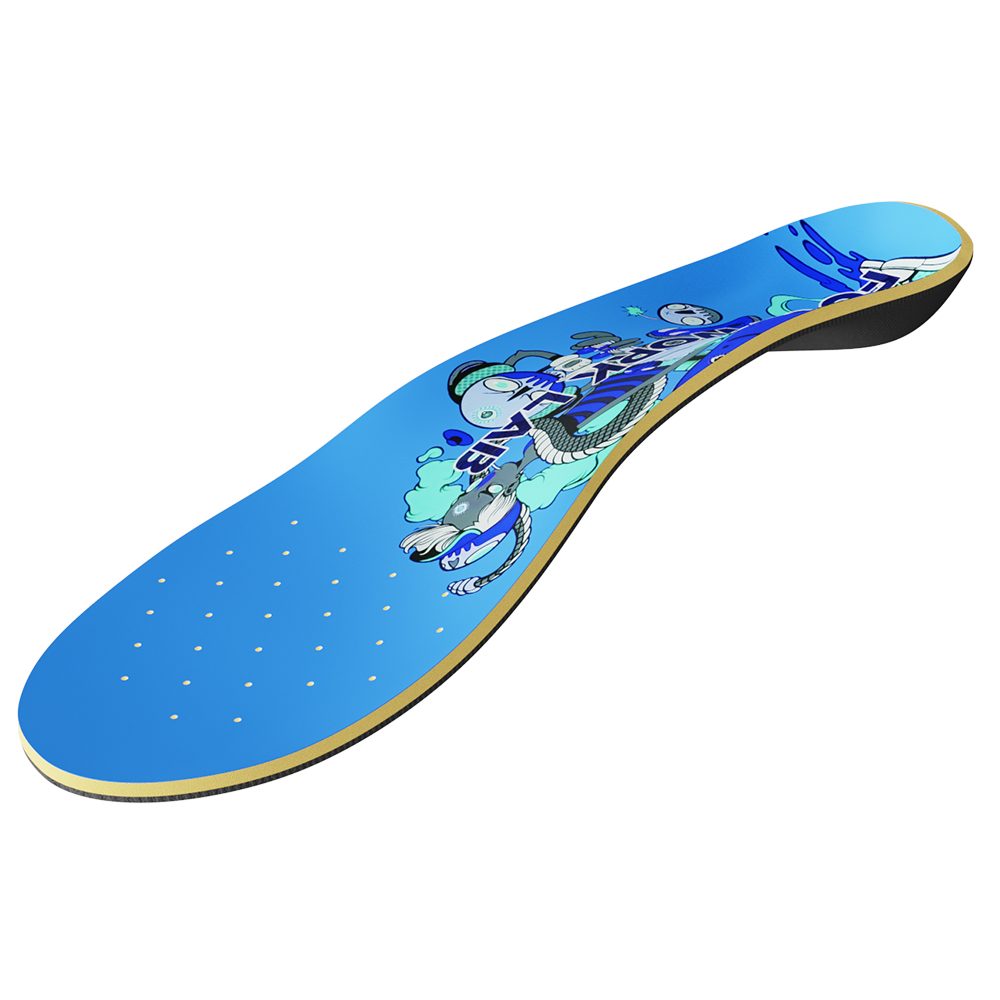
In-House or Factory: Deciding Whether a Custom Orthopedic Insoles Machine Pays for Itself
Owning the machine is the easy half of the decision. The staffing, materials and quality bench behind it decide whether it pays back.

Owning the machine is the easy half of the decision. The staffing, materials and quality bench behind it decide whether it pays back.
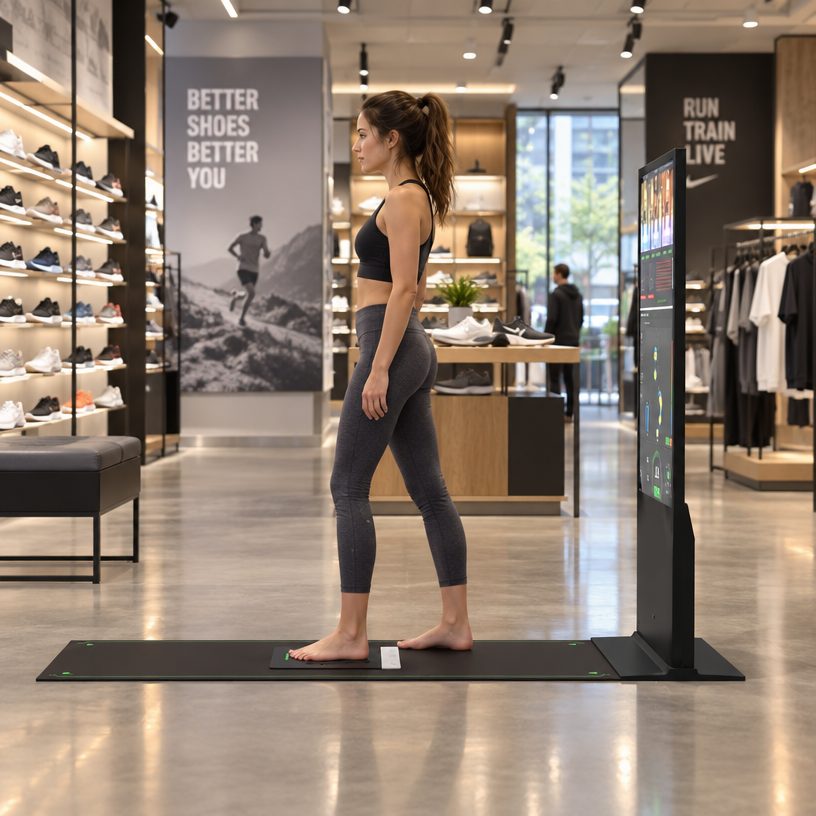
Two clinics can own the same plate and get different data. Room layout, calibration habits and capture routine decide which one you are.
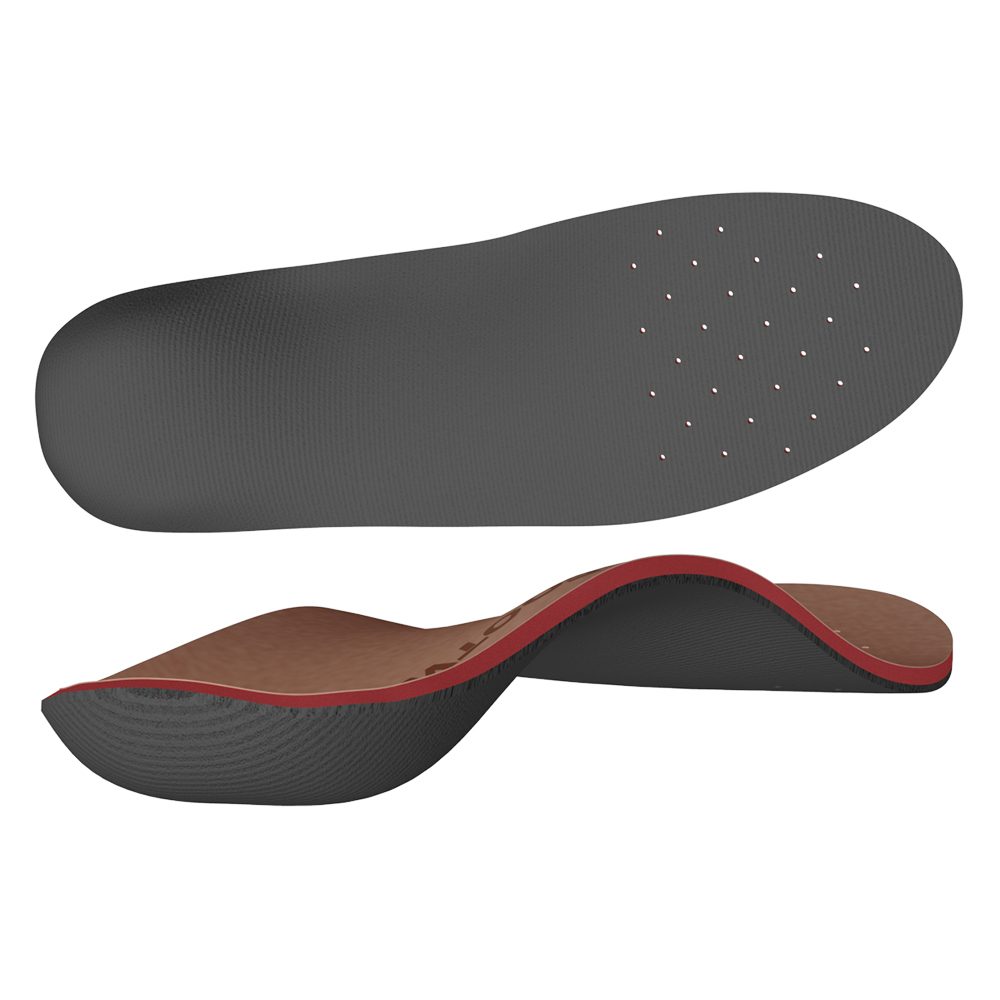
A capture device changes the front of an insole business. It does not change the back. Where the gain is, and where the work still sits.
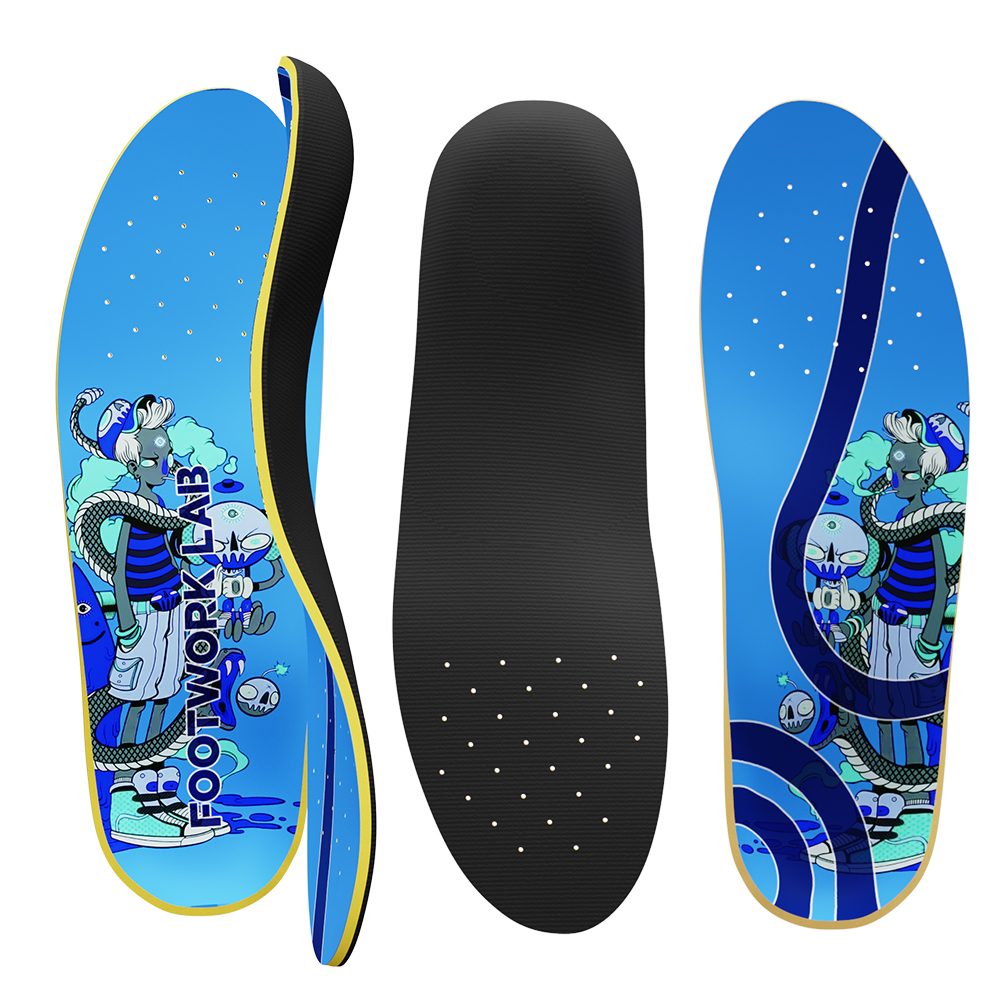
Distributors and clinic groups increasingly want their own label on a functional device. What an ODM programme includes, and what it does not.
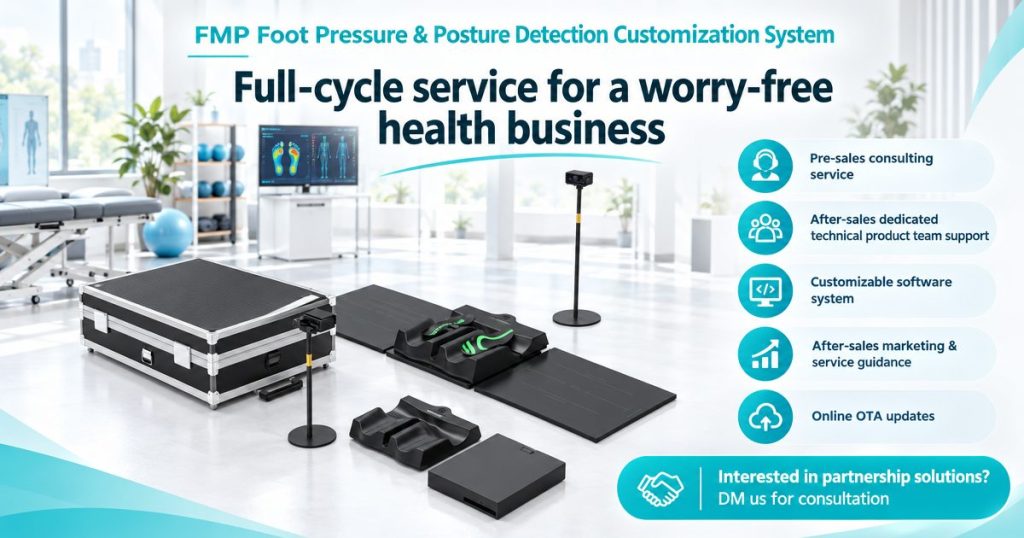
Mapping language is borrowed from imaging. What a pressure map actually records, how to read it, and where shape capture differs.
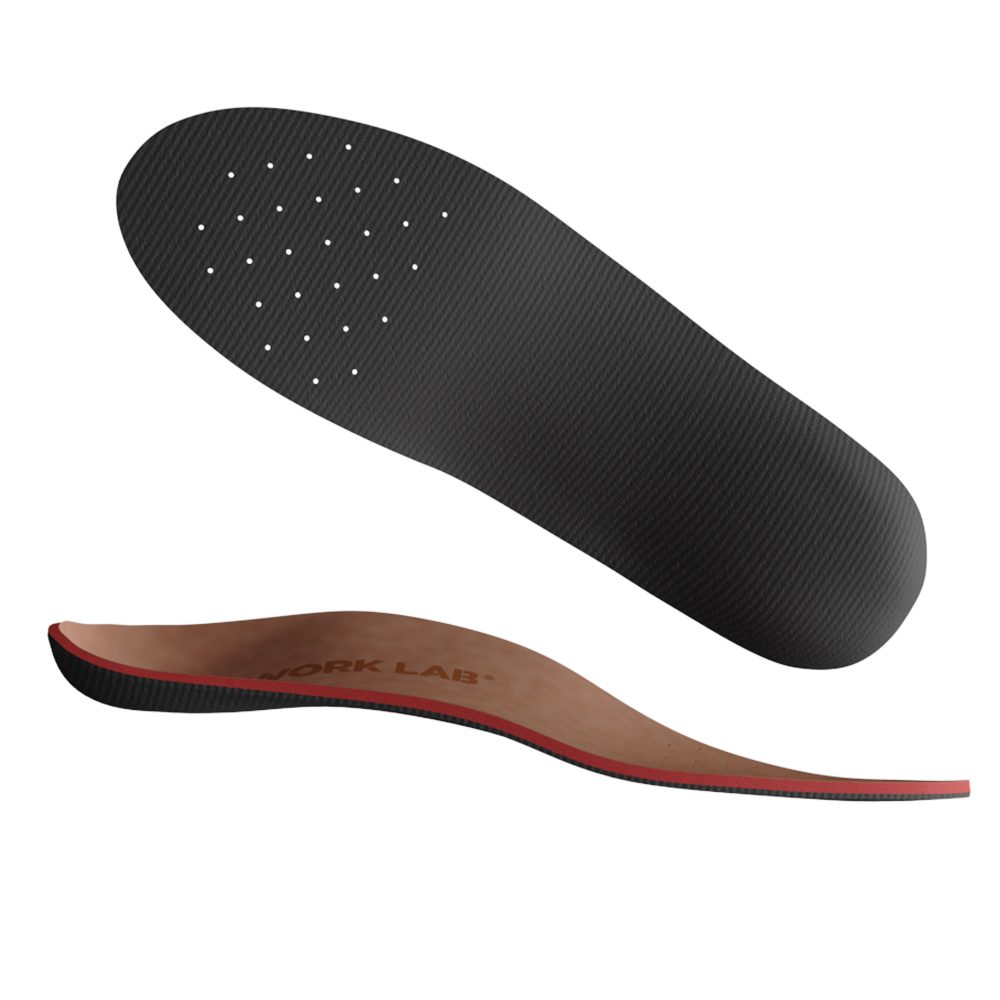
Three ways to capture a foot for a moulded insole, what each one preserves, and how the choice shows up in the finished pair.
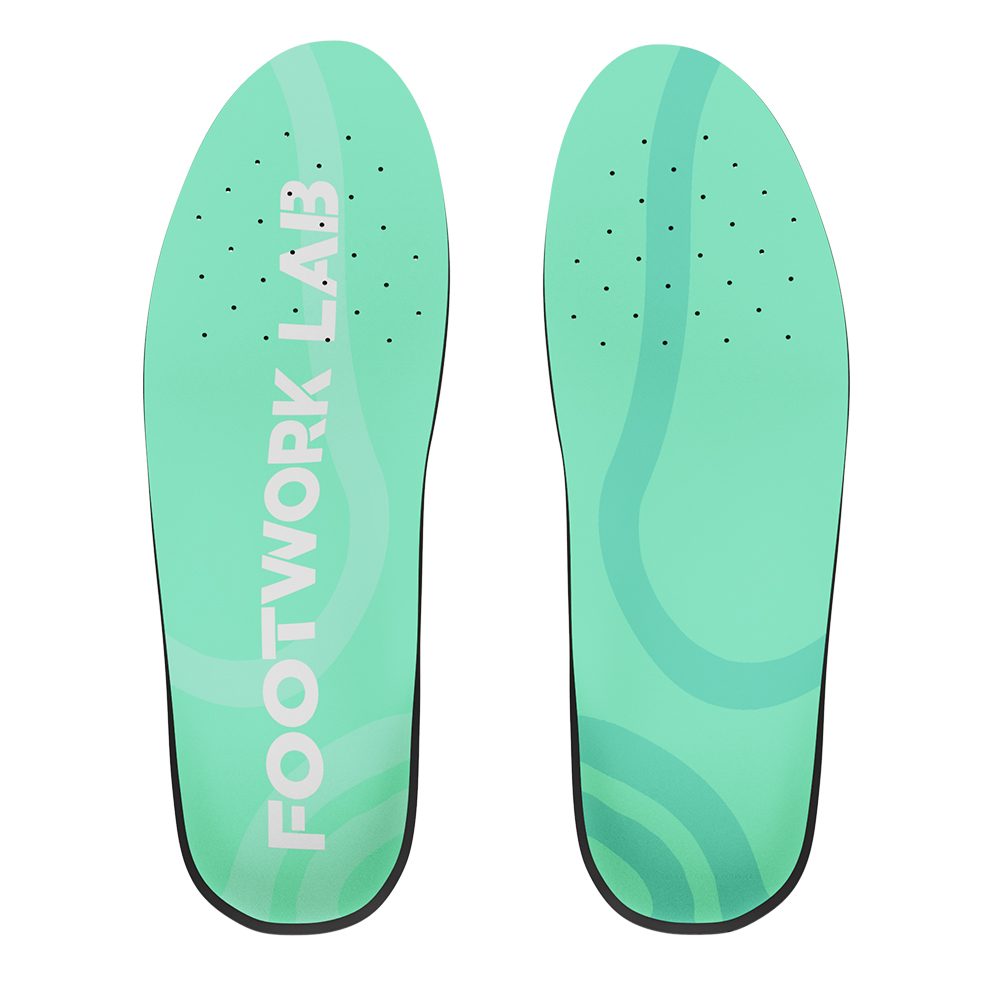
Choosing between custom orthotics and a prefabricated range is a capacity question as much as a clinical one. A framework for both sides.
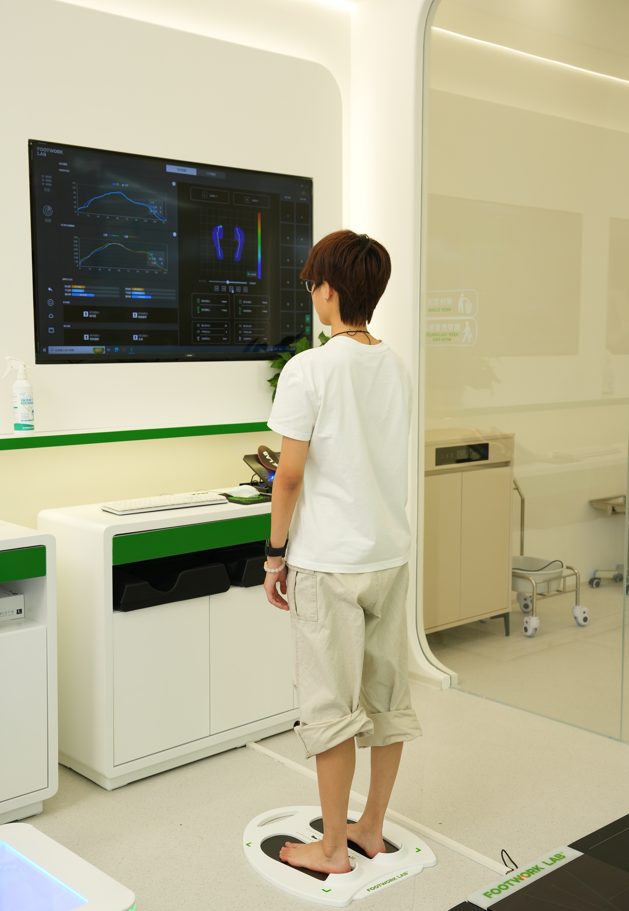
A biomechanical analysis is only as useful as the report it produces. What belongs in that document, and what buyers should ask to see first.
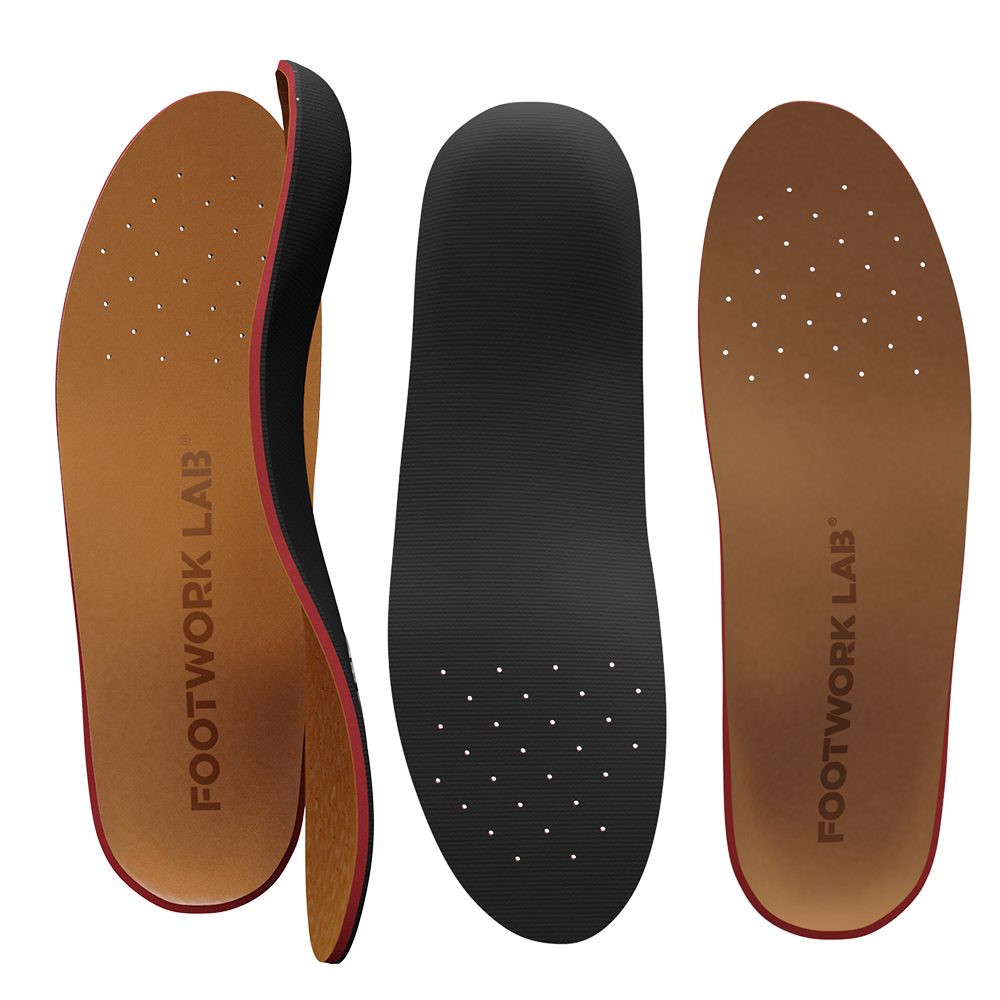
Heat-mouldable insoles solve a delivery problem and create a consistency problem. Where the method belongs in a clinic or retail range.
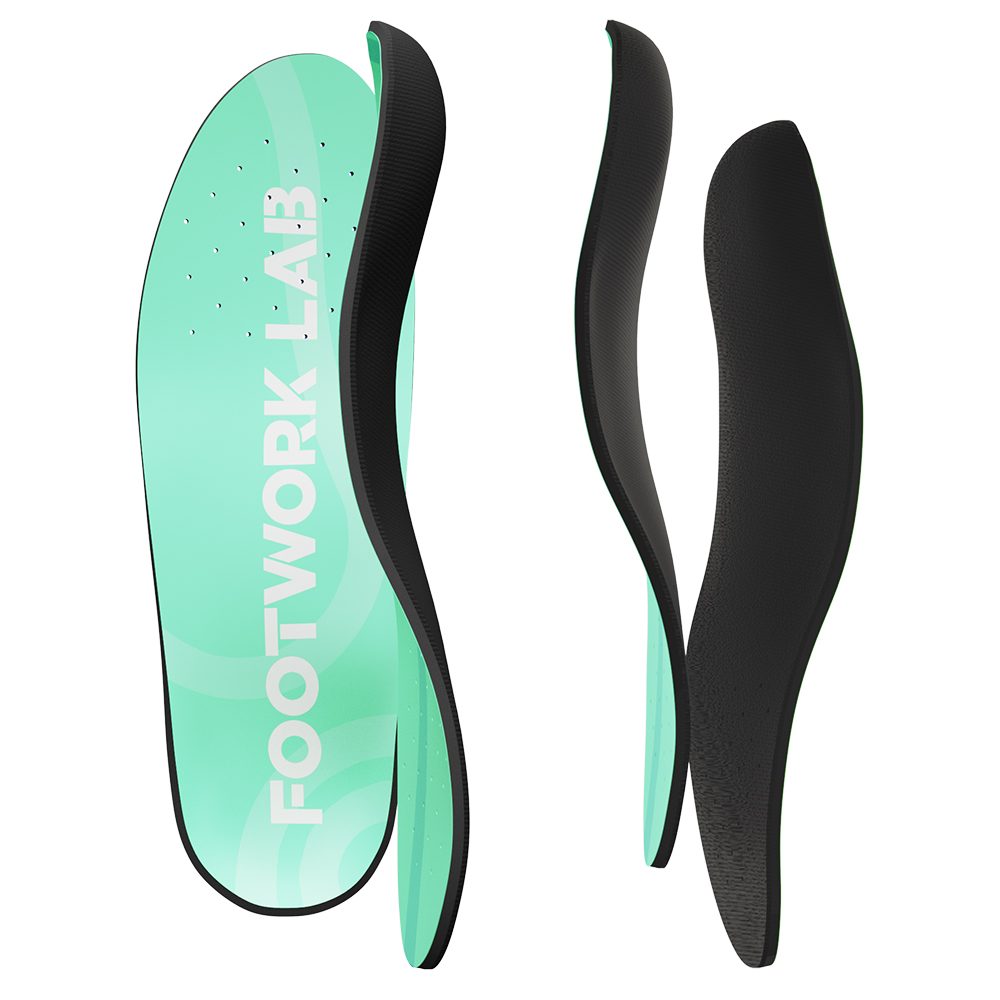
The first order proves a design works. The reorder proves the supply chain does. How a repeat programme is planned, specified and shipped.
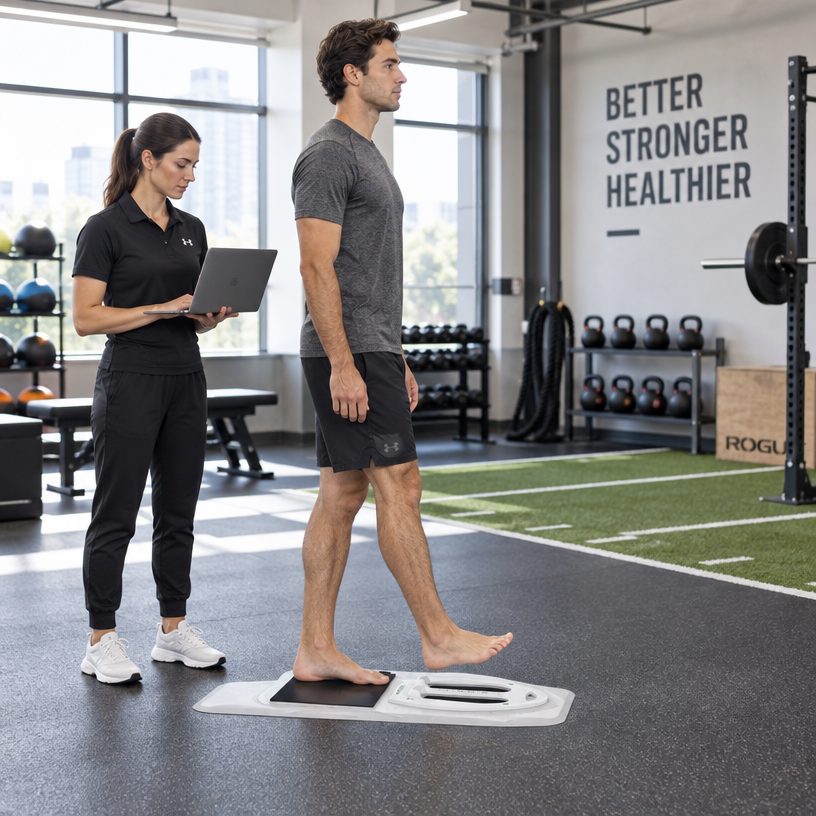
Buyers search for a scanner for foot assessment with very different rooms in mind. The checks that separate a workable purchase from a shelf ornament.
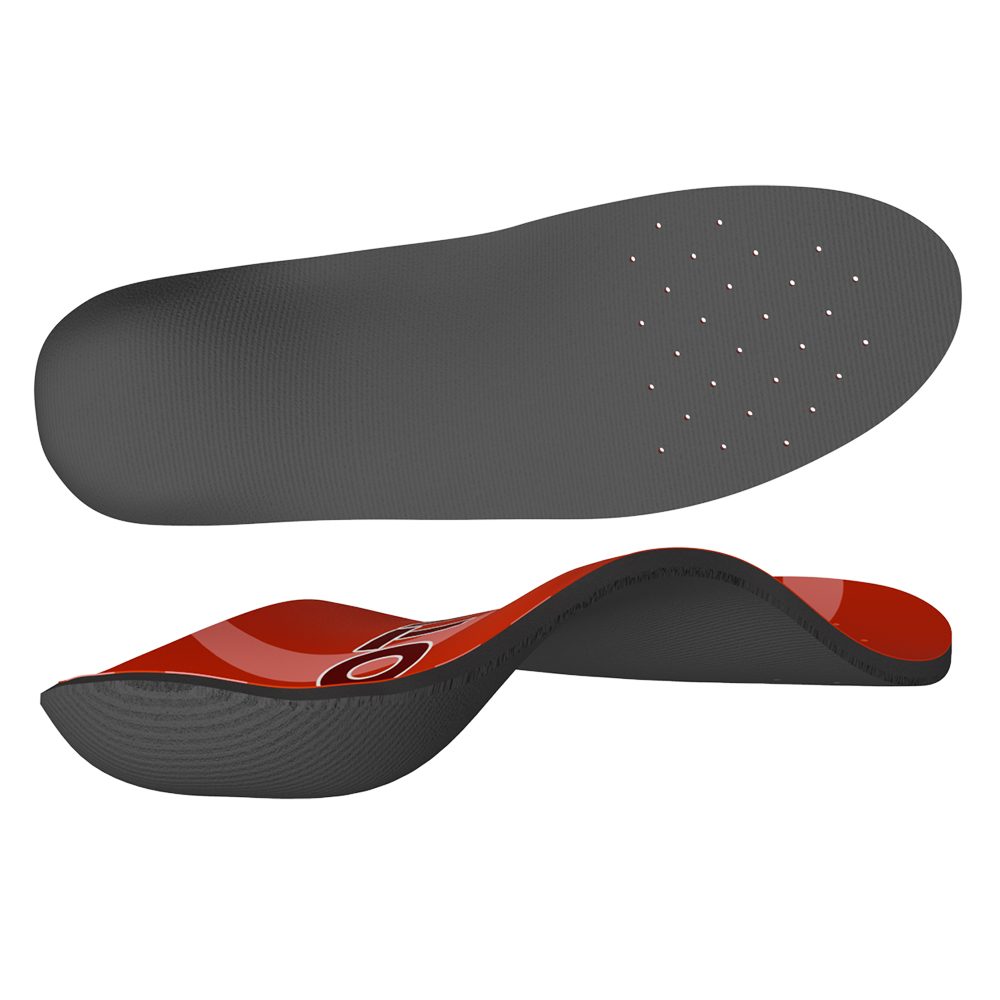
Orthotics, orthoses, inserts, insoles — the words overlap and the products differ. A working vocabulary for buyers who order across markets and channels.