
Orthotic molding is where a design stops being an intention and becomes an object, and the method chosen decides which intentions survive. Two workshops can hold the same design file and produce shells that behave differently in the shoe, because thermoforming, milling and printing each impose their own limits on thickness, curvature and stiffness.
Buyers rarely ask about the forming method, and suppliers rarely volunteer it, which is why the topic stays invisible until a batch arrives that does not match the approved sample. By then the design has been blamed, the material has been blamed, and the actual cause — a forming step that could not reproduce the file — has been missed.
This article describes the three common methods from the production side, what each one fixes for the life of the pair, and how to write a specification that names the method rather than leaving it to the factory. We form insoles on our own line, so the trade-offs below are the ones we manage daily rather than theoretical ones.
Forming is a decision, not a step
A design file describes a shape. Forming turns the shape into a physical object with thickness, surface and internal structure, and every method makes different choices about those three. A shell that is right in the file and wrong in the shoe was usually formed by a method that could not hold part of the design.
The decisions are concrete: can the method produce the curvature the design asks for, can it hold thickness where the design is thin, can it place material where stiffness is needed without thickening the whole shell, and can it repeat the result on the five hundredth pair as faithfully as on the first.
None of those questions appears on a product page, because the product page describes the design rather than the process. That is precisely why they belong in a buyer’s own specification document, alongside arch geometry, heel cup and cover material.
The rest of this article takes the three methods in turn, then returns to the questions that tie them to order volume and to the remake clause.
There is a commercial dimension too: the method decides how a factory answers a change request. A design adjustment on a formed shell usually means a new model; on a milled shell it means a new tool path; on a printed shell it means a new build file. Buyers who expect rapid iteration should ask which of those the factory can do within a week.
Thermoforming over a positive model
Thermoforming starts with a model of the foot and a sheet of thermoplastic. The sheet is heated until it softens, drawn over the model, and cooled while held in place. The result takes the model’s shape and the sheet’s thickness distribution, which is why the model matters as much as the material.
The method’s strength is continuity: the shell has no seams, the surface follows the model smoothly, and the thickness transition from heel to forefoot is gradual. That suits designs where the arch region needs a defined but blended geometry rather than an abrupt edge.
Its limits appear at the extremes. Deep undercuts and tight curvatures can thin the sheet where the design wants material, and very stiff materials resist being drawn into fine detail. A design written without reference to the method will ask for both, and the workshop will quietly deliver a compromise.
Repeatability depends on temperature control and on the model. Two workshops with the same sheet and the same design but different heating practice will produce shells that differ in stiffness, and neither will be wrong until the customer compares them side by side.
The model itself is a production asset. Whether it is a physical cast, a milled positive or a printed one, it defines what the sheet is drawn over, and its accuracy is the ceiling on the shell’s accuracy. Workshops that treat the model as a consumable tend to find that their batches drift.
It is worth asking how the workshop stores its models. A model that deforms in storage produces a batch that follows the deformed shape faithfully, and the error is systematic rather than random, which makes it harder to spot. Storage is part of the forming process whether or not it appears in the specification.
Milling from a block
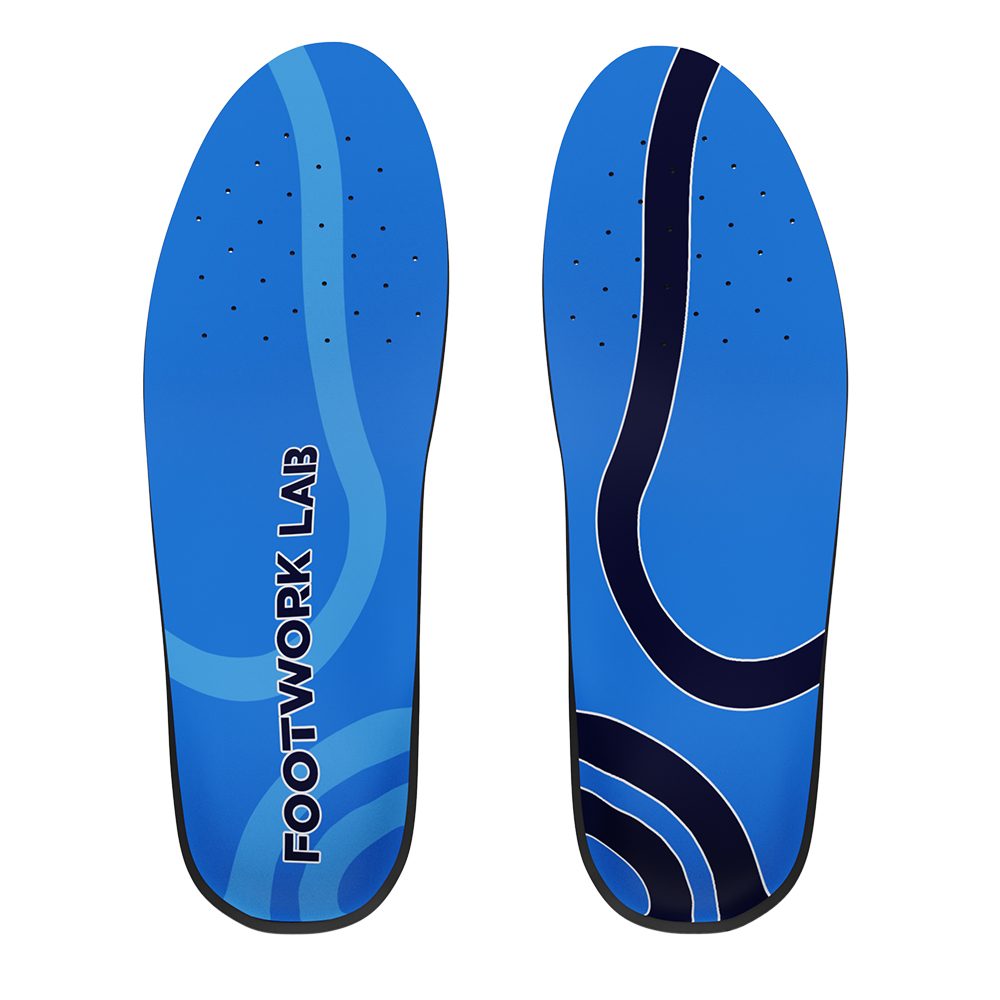
Milling starts from a block of material and removes what the design does not need. It can hold thickness precisely where the file specifies it, produce sharp transitions and internal features, and reproduce a file with a fidelity that is easy to verify by measuring the output against the design.
The strength is control: because material is removed rather than deformed, the geometry in the shoe is the geometry in the file. For designs with defined posts, discrete support zones or a specific heel cup profile, milling gives the workshop a way to deliver exactly what was specified.
The limits are time and waste. Milling is slower per pair than forming, and the removed material is scrap. At low volume both are acceptable; at high volume they change the economics, which is why milling is often paired with a library of designs that are proven before they are produced.
Surface finish is the third consideration. A milled shell may need finishing to be comfortable under a cover, and the finishing step is manual, which reintroduces the variability the method was chosen to avoid. Specifying the finish is as important as specifying the cut.
Milling also makes small design changes practical. A two-millimetre shift in a support region is a file edit rather than a new model, which suits workshops that iterate with a clinician over several visits before settling a design.
Printing a shell layer by layer
Printing builds an object additively, which allows internal structure, variable density and geometry that neither forming nor milling can produce. For insoles, that possibility is interesting in the arch region and in cushioning zones, where a lattice can be tuned rather than selected from a catalogue.
The strength is design freedom within the printer’s envelope. A single file can describe a stiff heel cup and a softer forefoot, and the object comes out as one piece. That is genuinely new capability, not a marketing claim, and it explains why printed designs have found a place in sport and in accommodation work.
The limits are material choice and throughput. Printable materials are a narrower family than thermoplastics, and the properties of a printed part depend on print orientation and post-processing as well as on the material. A workshop that prints needs a validation routine for each design, not just for the machine.
Printing also changes the remake conversation. When a design is a file and the object is a print, a remake is a reprint — fast, but only if the file and the printer settings were recorded. Workshops that print without recording settings cannot reproduce their own good results.
The finishing question deserves its own line in the specification. A printed shell may need the layer surface smoothed, an edge relieved and a cover bonded with an adhesive chosen for the material. Those steps are manual, and manual steps are where variation re-enters a process that was chosen for precision.
It is also worth asking whether the printed part is the whole shell or a component. Some designs print a lattice insert inside a formed shell, which combines the two methods and inherits the limits of both — a detail that matters when a specification is being written by someone who expects one method to do everything.
What the method fixes for the life of the pair
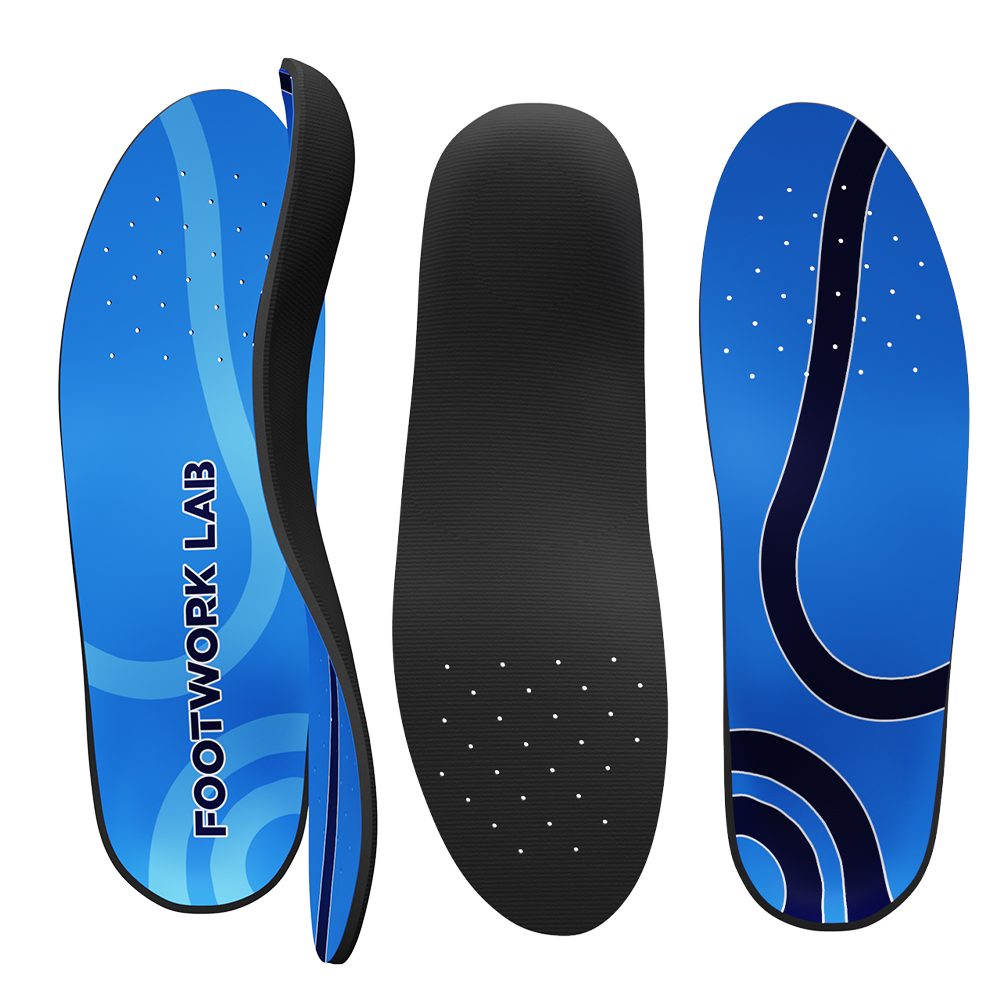
The method fixes the relationship between thickness and stiffness. A formed sheet derives stiffness partly from curvature and partly from thickness; a milled block derives it from geometry and material grade; a print derives it from density and internal structure. A specification that asks for stiffness without naming the method is asking for three different things.
It also fixes the surface. Formed shells have a drawn surface with a slight texture; milled shells have a machined surface that may need finishing; printed shells have layer lines that may need post-processing. The cover can hide all three, but the cover choice then has to be made with the surface in mind.
And it fixes the edge. The trim line on a formed shell follows the sheet; on a milled shell it follows the tool path; on a printed shell it follows the design. Edges are where comfort complaints concentrate, so the method’s edge behaviour belongs in the specification rather than in the complaint log.
Finally, the method fixes the remake cost. Thermoforming a remake is a repeat of a cheap step; milling a remake repeats machine time; printing one repeats a build. Knowing which of those applies tells a buyer how to price the remake clause before signing.
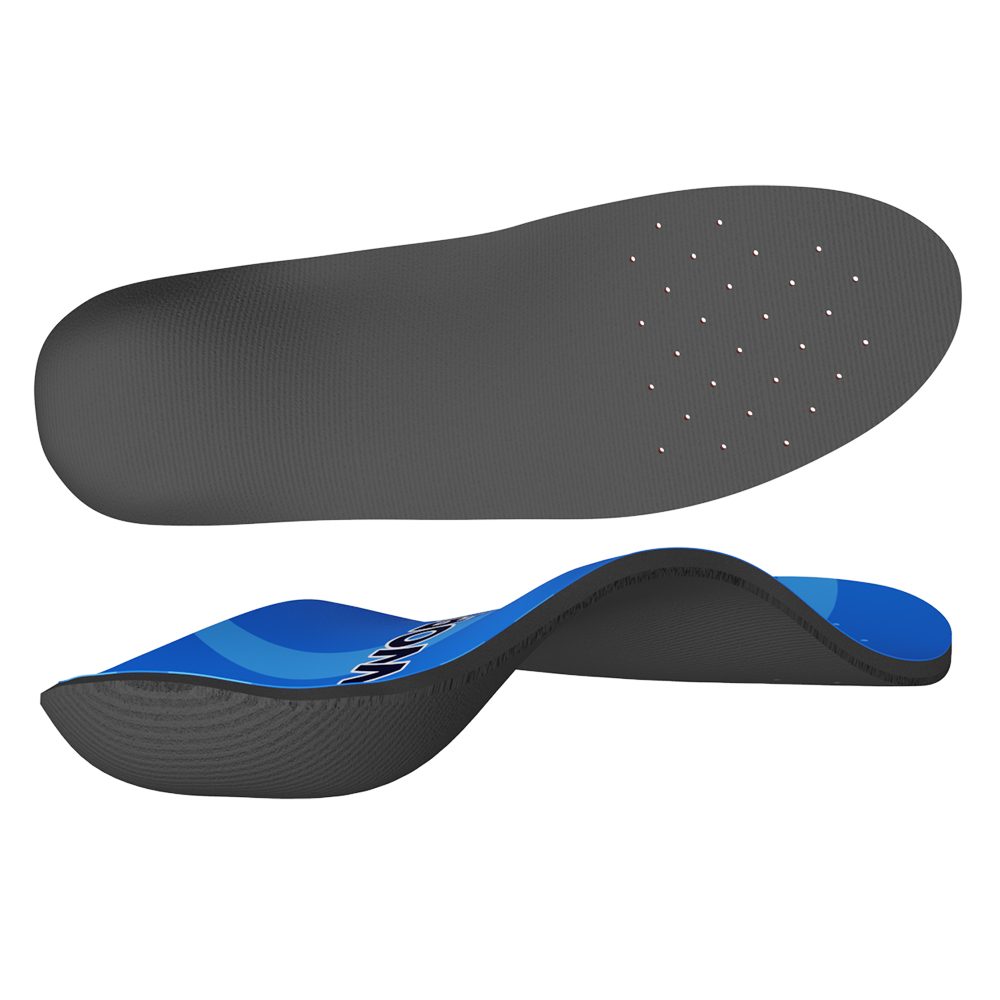
It is worth adding one more consequence: the method fixes how the shell behaves at the trim line. A formed edge is a cut through a drawn sheet and can be slightly rounded by the draw; a milled edge is a cut through a block and is sharp until finished; a printed edge follows the design. The cover hides all three until it does not.
Matching the method to the order volume
Volume is the first filter. A workshop producing a handful of pairs a week can afford a slow method and precise geometry; a line producing hundreds a day needs a method whose cycle time fits the day. Choosing the method before the volume is how workshops end up with capacity they cannot use or precision they cannot sustain.
The second filter is design variety. A small number of proven designs suits milling, because the tool path can be optimised and the result verified once. High variety suits forming, because changing a model is quicker than reprogramming a cut, and printing sits between the two depending on how the design is parameterised.
The third filter is the checking regime. Milled and printed outputs can be measured against the file; formed outputs are usually checked against the model and the sample. A workshop that intends to sample-check statistically needs a method whose variation is measurable at that level.
Put the three filters in writing before a supplier is asked for a quotation. A supplier who can answer them has a process; one who answers with a machine name has a product.
A useful discipline is to write the volume assumption into the specification. If the order is expected to grow, the method should be one that scales without a change of process; if it is expected to stay small, precision may be worth more than throughput.
Specification fields tied to the method
Add one line to the insole specification: forming method, with the material family and, where relevant, the post-processing step. That single line prevents the most common mismatch, in which a design written for one method is produced by another and judged against the original intention.
Add a second line for the shell’s behaviour rather than its name: how stiff it should feel under load at the heel, at the arch and at the forefoot, described in terms a fitter can recognise. Behaviour survives a material substitution; a trade name does not.
Add a third line for the approved sample, with the date it was approved and the method used to produce it. Every later batch is compared with that sample, and the method is part of what the sample represents. Without it, a change in method looks like a change in quality.
Three lines, no numbers that belong to the factory’s process rather than to the customer’s requirement. They turn a design conversation into a production conversation, which is where the pair actually gets made.
The specification should also name who approves a change of method. If a factory substitutes one forming route for another between batches, the approved sample stops representing the product, and the comparison that protects the buyer quietly stops working.
Frequently asked questions
What is the difference between thermoforming and milling an insole?
Thermoforming draws a heated sheet over a model, so the shell follows the model and thickness varies gradually. Milling removes material from a block, so the geometry follows the file precisely at the cost of machine time and scrap. The choice affects stiffness behaviour, edges and remake cost.
Can a design be produced by any method?
No. Deep undercuts, very fine transitions and extreme stiffness combinations are limited by the method. A design should name the method it was written for, otherwise the factory has to compromise quietly.
Do you produce insoles in-house?
Yes. We manufacture custom orthotic insoles at our own plant in Ruichang, with a minimum of two hundred pairs that can be mixed across models and sizes.
How do we know a batch matches the approved sample?
By comparing against the sample and the specification fields — arch geometry, heel cup, shell stiffness family, cover, thickness budget and forming method. Ask for the method to be recorded with the sample date.
What is your production capacity?
Roughly five hundred to a thousand pairs a day on our own line. That capacity is what makes sampled checking meaningful rather than a formality.
Can samples be produced before a full order?
Yes, samples ship within three days. The useful test is to place the sample in the target shoe under the target activity and record what needs changing before production begins.
Which method should a small clinic-led workshop choose?
It depends on volume and design variety more than on technology. A workshop with a few proven designs and low volume can justify a precise method; one with high variety and short cycles usually needs a faster forming process.
What we would do next
Write the forming method into the insole specification alongside arch geometry, heel cup and cover. Our Insole Categories page lists the ranges we produce, and Our Factory shows the forming, finishing and checking steps in sequence.
The workshop setup article covers the room, services and staffing that surround the forming step; read the two together before commissioning a line.
This article is intended for professional and educational reference. It is not medical advice. Foot assessment equipment produces measurements and images; clinical interpretation and any decision about care remain the responsibility of a qualified professional. Certification scope is limited to the documentation we hold: European Union certification and ISO quality system certification.