
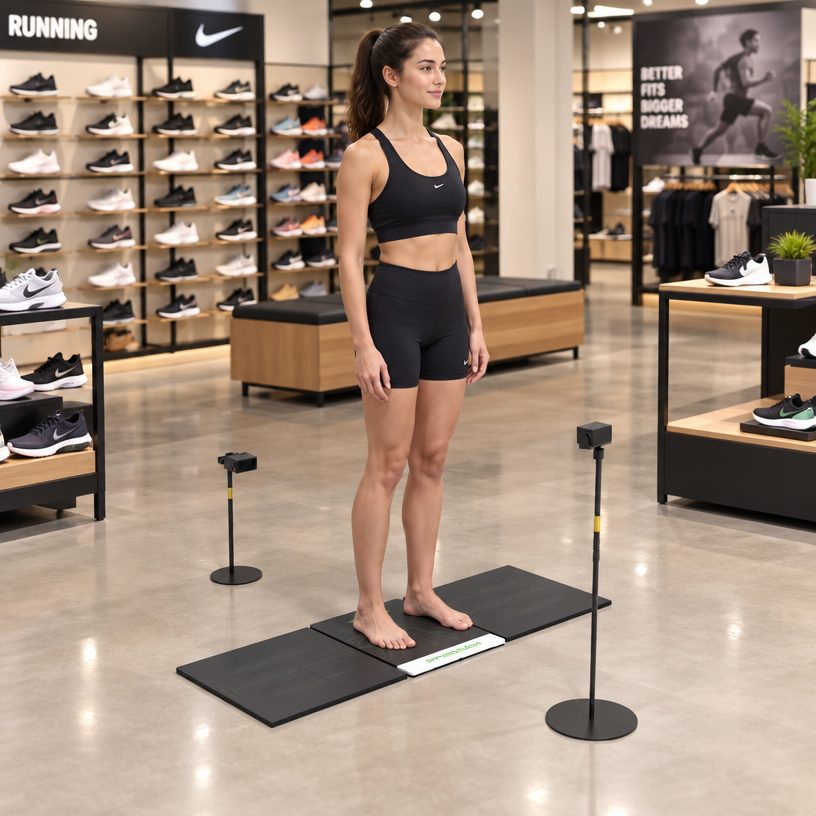
The Words Behind a Foot Scanner Machine Listing: How to Read It Before You Compare Machines
A listing reads differently once you know what to look for: sensor, software, terms. A plain reading guide for a loosely used phrase.

A listing reads differently once you know what to look for: sensor, software, terms. A plain reading guide for a loosely used phrase.
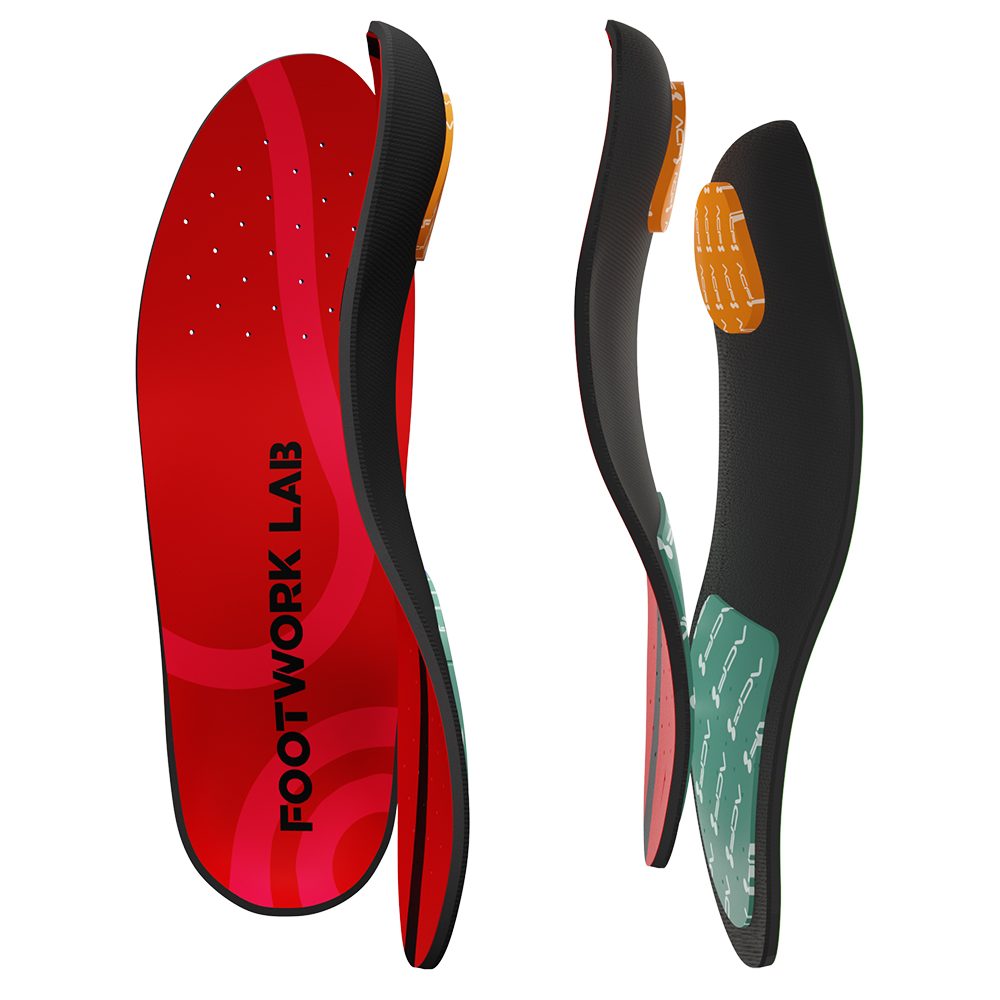
Material choice is product design: what TPU brings to a sport insole, how it behaves under repeated load, and what to confirm with the factory.
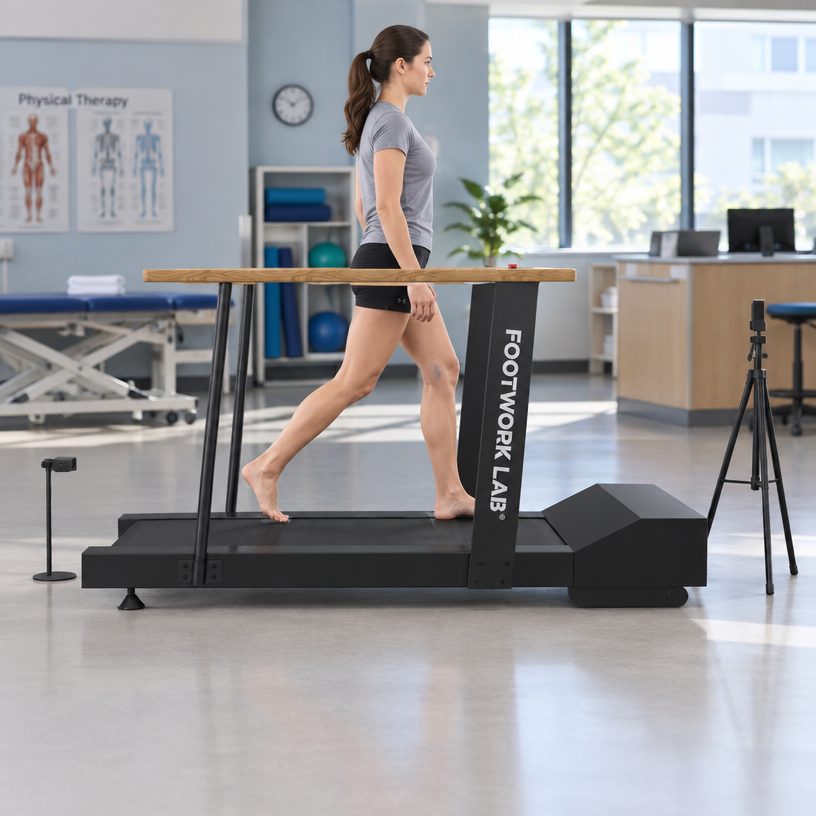
No figures, a structure instead: what drives the cost of a platform, which options move it most, and how to compare quotes that are not written alike.
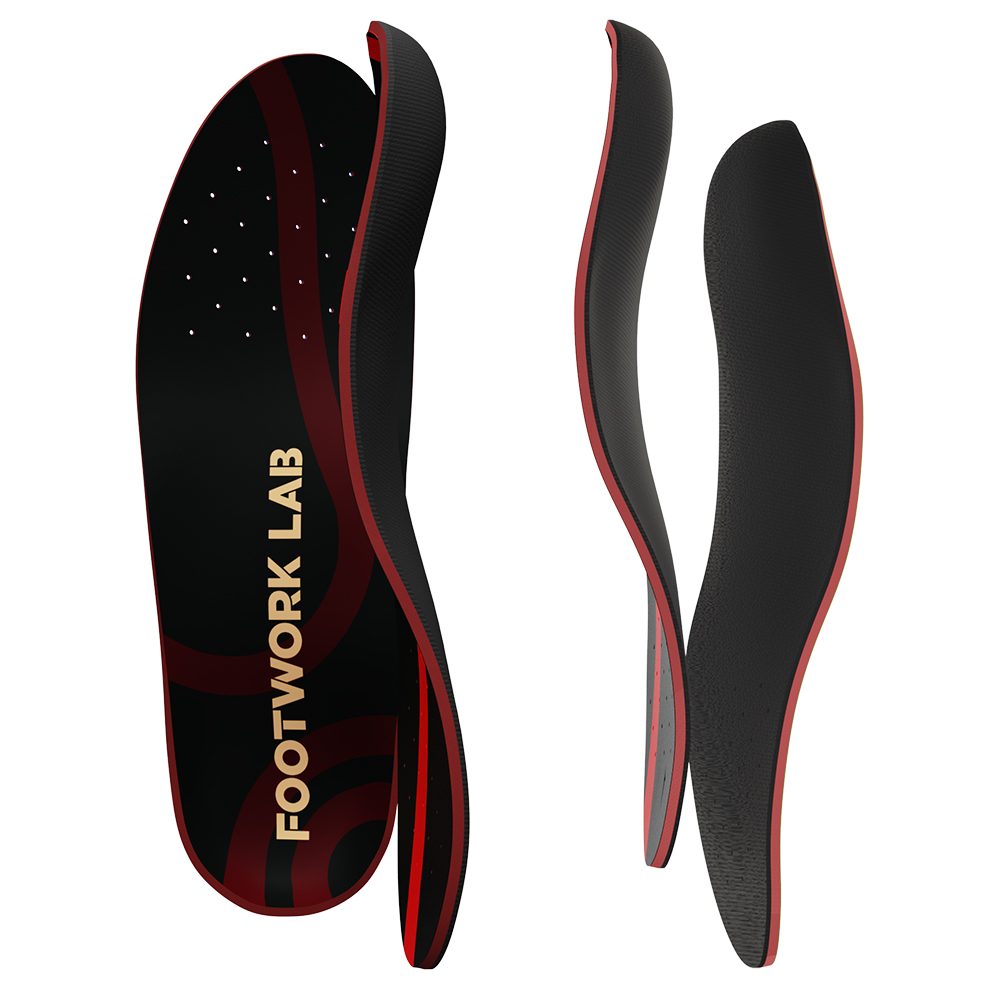
What an arch piece contributes to load distribution, where its effect ends, and why it is one part of a record rather than a standalone answer.
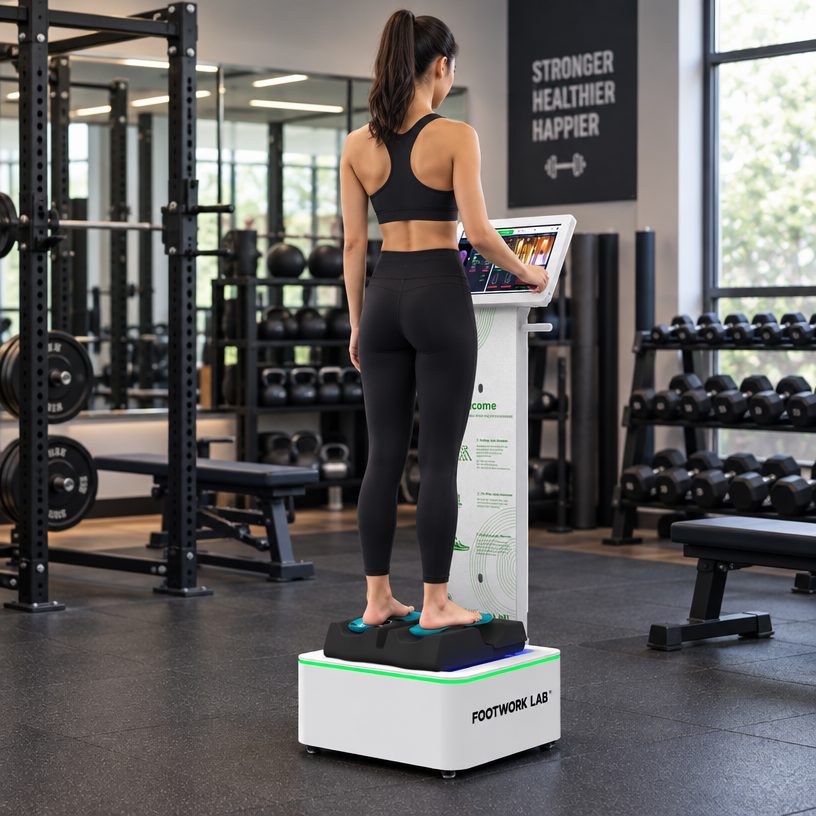
A comparison method that survives sales conversations: sensor first, software second, terms third, and the demo conditions that make results comparable.
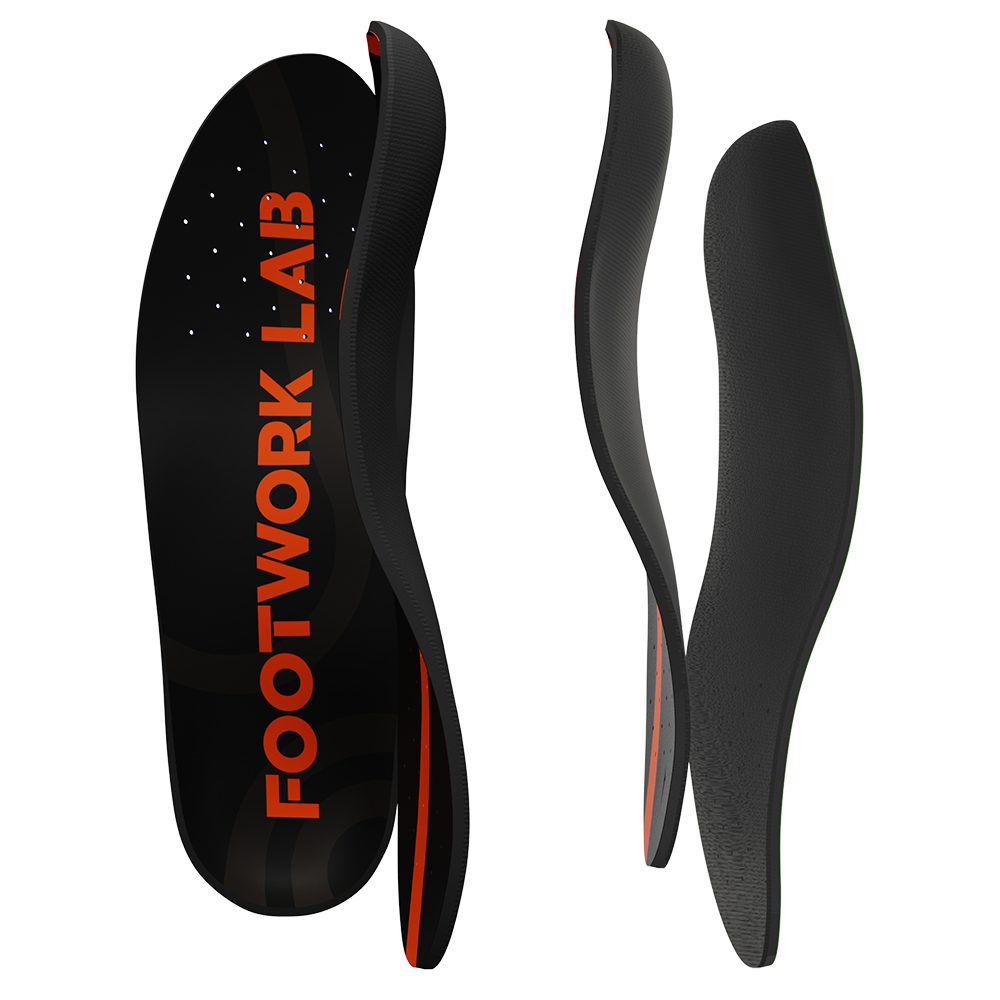
Functional and accommodative orthotics do different jobs. How to tell them apart, and why the specification sheet should follow the purpose.
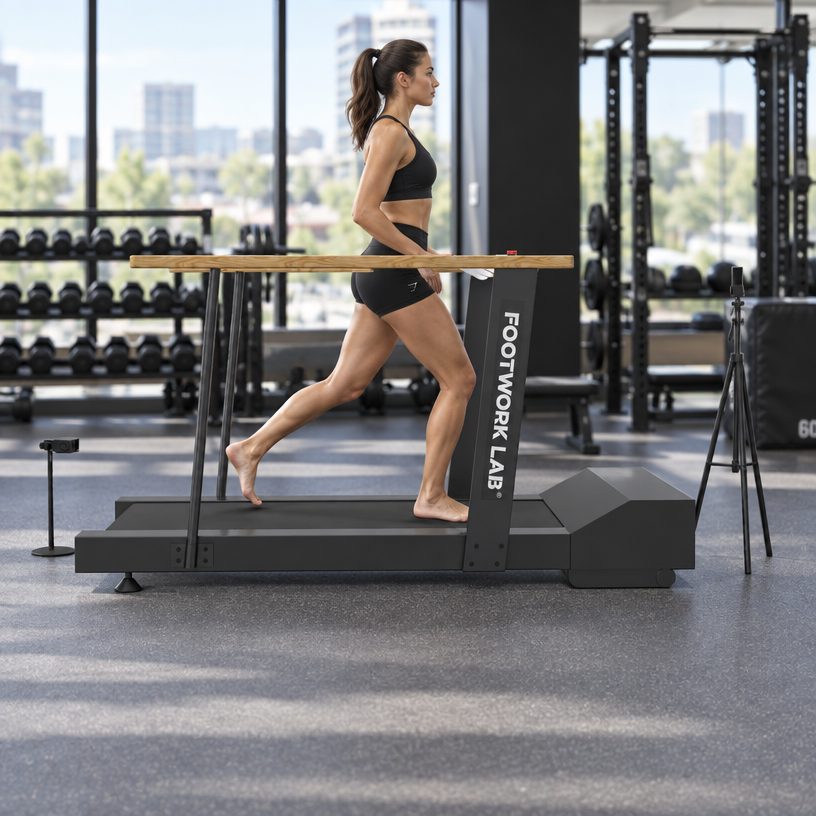
A plain reading of regions, peaks, timing and left-right comparison, plus the questions each panel is actually qualified to answer.
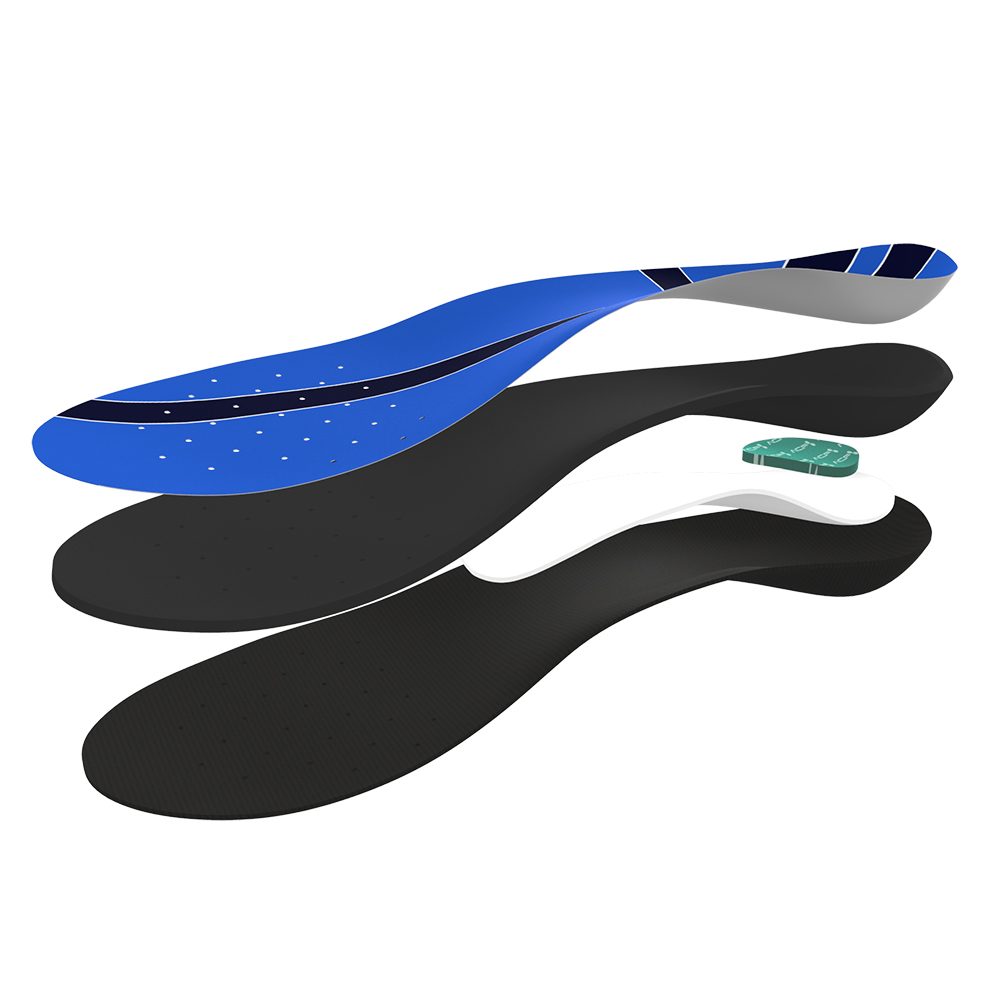
What the category label covers, where retail inserts end, and what changes when the order goes to a factory with MOQ, mixing rules and remake terms.
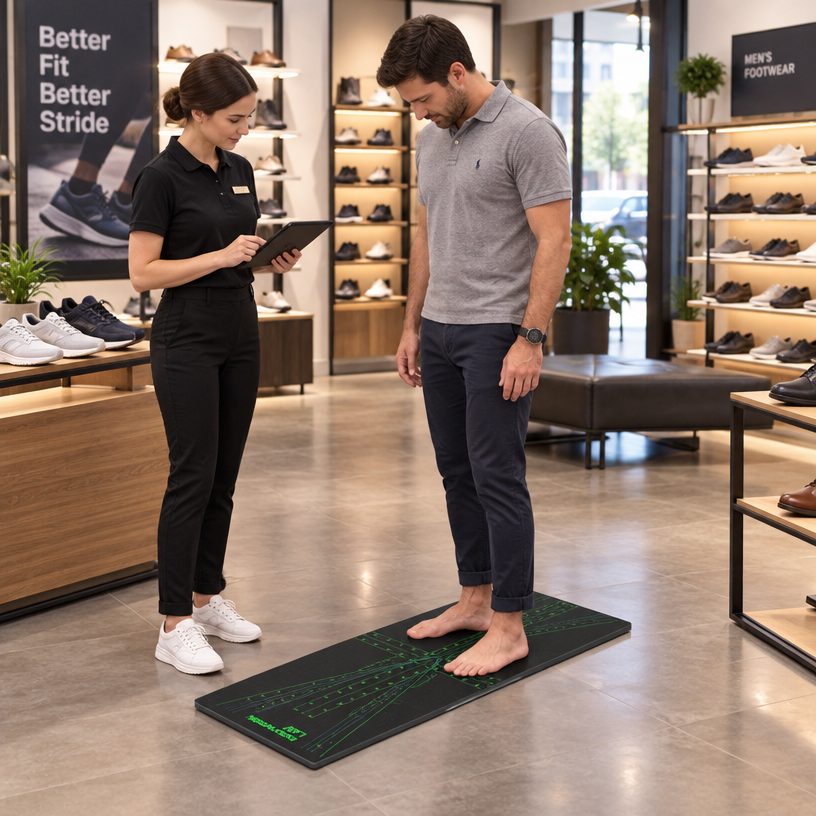
Two instruments, two questions: shape versus load. What each records, what each misses, and how to decide which one your room actually needs.
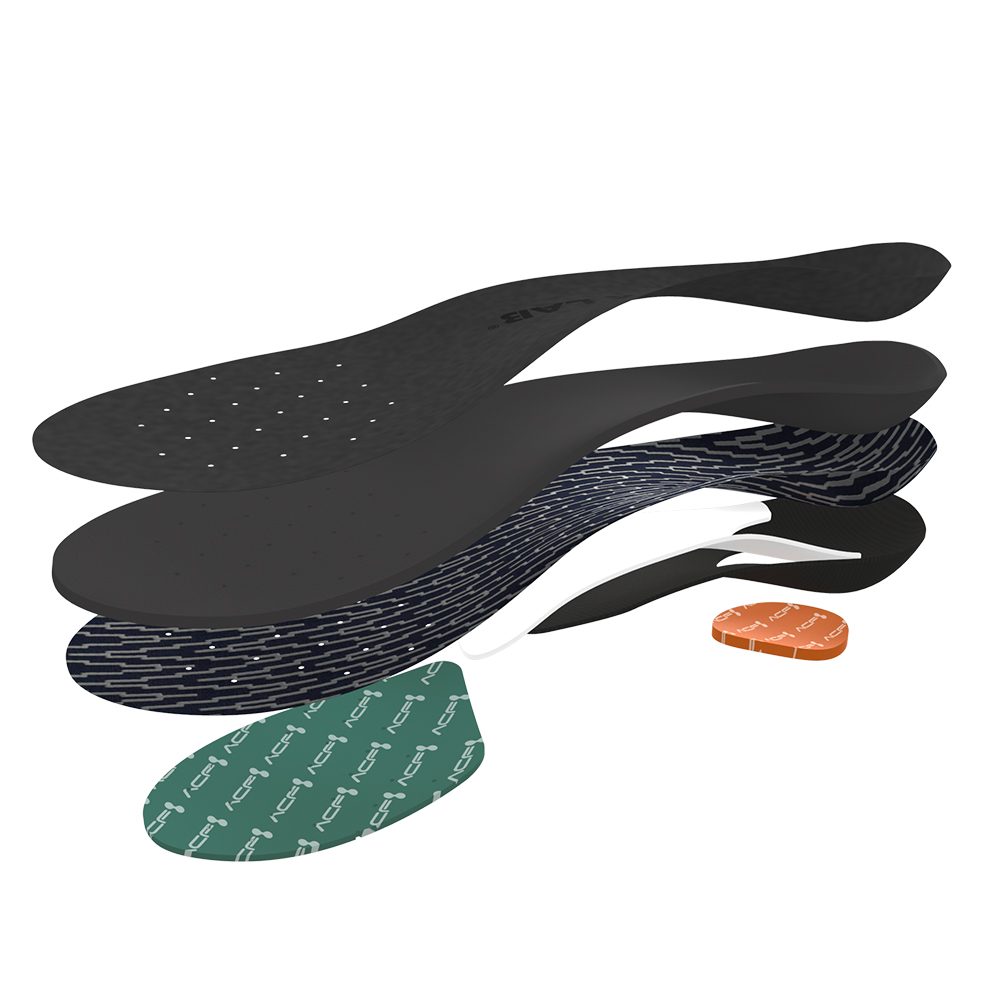
The molding step explained plainly: heat, pressure, cooling, tolerances, and the checks that decide whether a pair matches the design file.
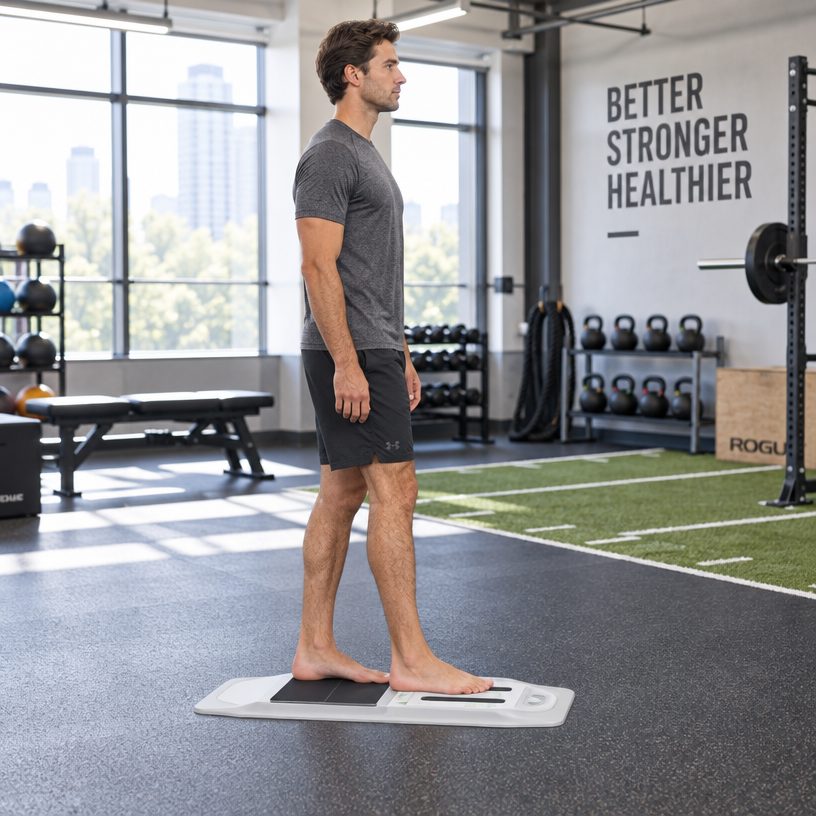
The search phrase promises a ranking; a clinic decision needs a fit. Match the machine to the appointment structure instead of the leaderboard.
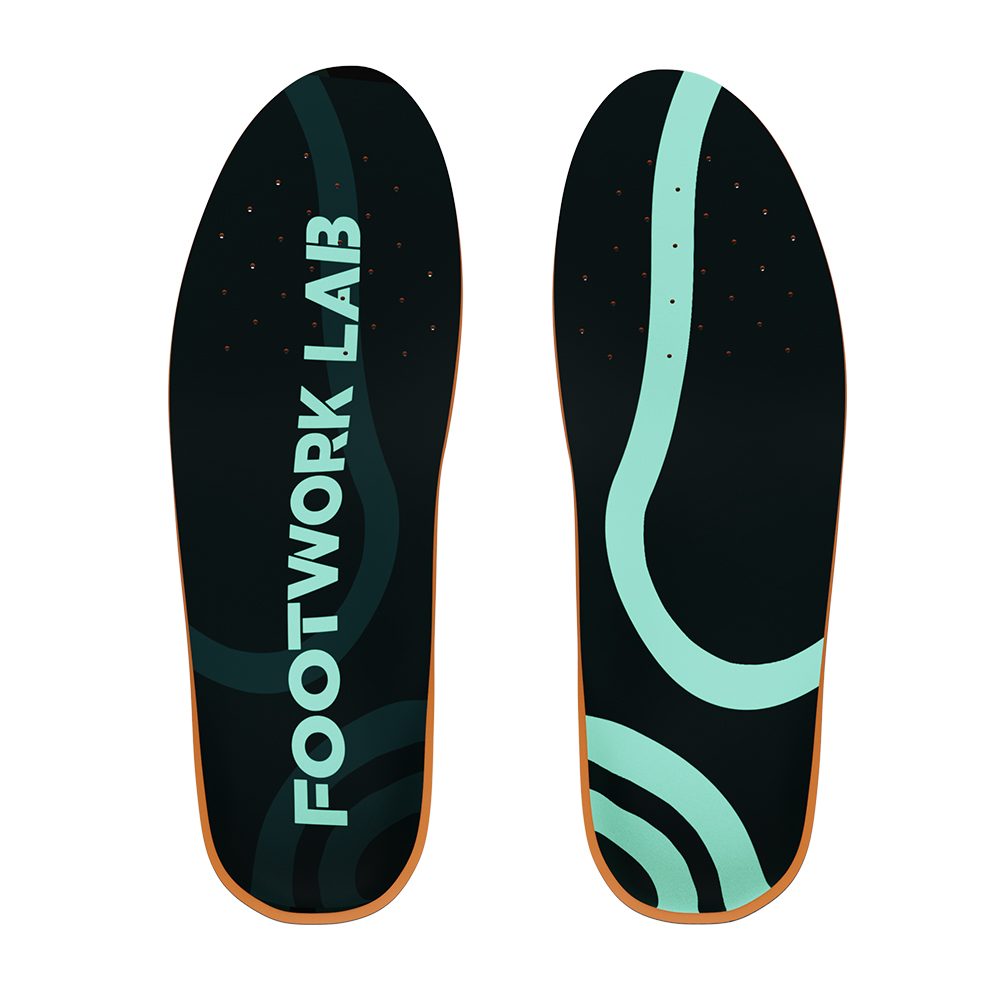
Custom is a production promise, not a label: measurement, mixing rules, remake policy, capacity and lead time, all defined before the order.