
The message arrives in Spanish, one line long, and the line is a search phrase rather than a request: plantillas ortopedicas, no accent, no quantity, no destination. Behind it is a distributor who has been typing the same words into a browser for two evenings and has found a hundred sellers who all claim to make exactly what he is looking for. He is not sure yet whether he wants a supplier or a single pair for his own feet. He has not decided whether he is restocking a shelf he knows or launching a category he does not. The phrase, translated plainly, means orthopaedic insoles — a shelf, not a product — and until it is narrowed, every quotation he receives will be answering a different question. This article takes the phrase apart from the factory side: what Spanish-speaking buyers usually mean by it, the two kinds of buyer who type it, what a first order has to state in writing, and which decisions belong to the buyer rather than to us.
A word that names a shelf, not a product
In Spanish, plantillas are insoles, and ortopédicas places them in a category rather than a specification. The accent is usually dropped when people type quickly, and search engines are forgiving about it, so the phrase arrives in a dozen small variations that all mean the same shelf. Some markets prefer soportes plantares, some clinics write órtesis plantares, and a good number of buyers simply type plantillas and hope the results sort themselves. None of these words says which construction, which series, which thickness of cover or which market the buyer is selling into.
That vagueness is not a problem for the buyer so much as a problem for the quotation. A factory that answers the phrase literally can send a catalogue, a price band and a photograph of a shelf, and every one of those answers will be technically correct and commercially useless. What changes the answer is the sentence that follows the search: how many pairs, for which country, to sit on a shelf or to be fitted by a technician, in a pharmacy, a shoe shop, a clinic or a sports club.
There is also a vocabulary gap that costs buyers time. The words a clinic uses to describe a build are not the words a purchasing manager uses to order one, and neither set matches the words a factory uses on its own line. A buyer who writes “plantillas ortopédicas de descarga” is asking for a design intention; a factory hearing it needs to know which series, which support grade and which cover, because those are the three decisions that can be made in production. The intention belongs to the professional who specified it.
So the first useful move is to stop treating the phrase as a question and start treating it as a category heading. Under that heading sit several different products, several different buyers, and several different orders. The rest of this article separates them, because a distributor who can answer three questions before he writes to a supplier will get a usable reply on the first attempt rather than the fourth.
Two buyers type the same thing
The first is a retailer or a small chain that already sells insoles and wants more of what it sold last season. This buyer knows the shelf, knows the size curve that moves, and usually knows the exact style he wants repeated. His questions are about consistency, lead time and whether the second order will match the first. He is not looking for a catalogue; he is looking for a supplier who can hold a specification steady across a year.
The second is a distributor or a clinic owner launching a category for the first time. He has no size curve, no packaging decision and no clear idea of which construction suits his customers. His questions are about minimums, samples, documentation and what other buyers in his region order. He is not being difficult; he is trying to reduce the number of ways he can be wrong, and the honest answer is that there are several.
The two conversations should not be run the same way. A restocking buyer wants a short reply with a confirmation of specification and a date. A first-time buyer needs the shelf explained: three series, what each is for, what the structure of a daily pair actually is, and where the minimum sits. Sending a full catalogue to the first buyer wastes his week. Sending a price list to the second teaches him nothing and usually ends the conversation.
There is a third buyer worth naming, because he is easy to misread: the practitioner who wants to fit insoles himself and needs a supply of finished pairs rather than a manufacturing relationship. He asks about sizes and about how the pair behaves under a foot, not about cartons. He is a legitimate customer, and he is often the one who gives a factory its most useful feedback, because he sees the pair again three months later.
What the first order has to state in writing
Six things, and none of them is a price. The series and the style, named the way the supplier names them rather than the way the buyer remembers them. The size range, in the sizing system of the destination market, with the split between men’s and women’s where the supplier offers one. The quantity per size rather than only the total, because a total of two hundred pairs distributed badly is a shelf with holes in it.
Then the specification details that are easy to leave out and expensive to fix: the cover material and its colour, the packaging — poly bag, box, header card — the label and what it is allowed to say, and whether the buyer wants his own brand on it. A private-label order is not a remark added at the end; it changes the printing, the carton and the lead time, and it has to be settled before production rather than after.
Finally the commercial mechanics: where the goods are going, who arranges the freight, and which port or airport. A buyer who writes “deliver to my country” has not given enough information for a date, and a supplier who quotes anyway is guessing. Our own shipping runs by courier in six to seven working days, by air in ten to twelve days and by sea in thirty to thirty-five, and which of those applies depends entirely on the answer to that question.
A written order is also the buyer’s protection. If the second delivery differs from the first — a different cover, a slightly different arch, a shade that no longer matches — the only thing that settles the argument is the specification both sides signed. Buyers who order by message and reorder by memory are the ones who end up with a shelf that looks like two suppliers made it, and sometimes three did.
Size curves, and why the first batch is usually wrong
Almost every first order is built from the buyer’s domestic experience, and almost every market differs from the one the buyer learned in. A curve that works in a temperate market with a wide range of shoe sizes does not transfer to a market where the population is shorter, or where the women’s range sells in a narrower band, or where one size is bought for two people. The first batch is a hypothesis, and it should be ordered like one.
The practical fix is unglamorous: order mixed, buy the smallest quantity that lets you see a curve, and keep a record of what actually sold by size rather than what you expected to sell. Our minimum is two hundred pairs, which can be mixed across styles and sizes, and that is deliberately small enough for a first order to function as a test. A buyer who treats the minimum as a target rather than a ceiling usually reorders sooner and with a better curve.
The second common error is depth in the wrong place. A distributor who has one strong style will often order it deep and everything else shallow, which produces a shelf that sells out in the middle sizes and holds stock at the ends. The reverse — spreading the order thinly across six styles — produces no clear signal about which one deserves a second order. Two or three styles at reasonable depth, with the rest sampled, gives a usable answer in a season.
Half sizes and width are the third. Where a supplier offers a single width, the buyer should know it before the order rather than after the complaints, and should decide how the shop will handle a customer who sits between sizes. That decision is a retail decision, not a factory one, and it belongs in the training of whoever is selling the pair.
Samples, lead times and the restocking rhythm
Samples ship within three days of a confirmed request, which is short enough that a buyer can hold a pair before committing to a batch. What a sample does not tell you is how the pair behaves after a month on a foot, so the useful test is not only the feel on the day but a pair given to one person who will report back. Buyers who fit samples to staff rather than to customers learn faster and complain less.
Production runs at roughly five hundred to a thousand pairs on a working day, which matters less for a first order than for the fifth. The figure becomes relevant when a buyer’s reorder lands in the same week as three other buyers’ reorders, and the question changes from whether the factory can make the pairs to when it can fit them into the schedule. A supplier who tells you the daily capacity without telling you the queue is answering half the question.
The restocking rhythm is set by sell-through, not by the calendar. A shop that reorders when the shelf looks thin is already late; a shop that reorders when the middle sizes drop below a stated number keeps the shelf full without holding stock. That number is different for every business, and it is the single most useful thing a buyer can work out in the first three months of selling a range.
For a distributor selling to other retailers, the rhythm has one more layer: his own customers reorder on their curve, not his. A distributor who collects sell-through data from five shops can order for the group rather than for himself, which changes both the quantity and the mix. That is a service a factory can support with consistent specifications, and it is the reason a stable style matters more than a novel one.
What a factory will not decide for you
We will not decide what your customers should be told. Packaging text, shelf talkers and the words a salesperson uses are the buyer’s responsibility, and in most markets they are regulated in ways a factory in another country cannot track. We will tell you what a pair is made of and what it is not; we will not write a claim for you, and we will not print one we cannot support.
We will not diagnose, and we will not describe a pair as a treatment. A daily comfort insole is a product for people who stand through a shift or walk a city; whether a particular person needs something else is a question for a qualified professional who has looked at that person. Any supplier who answers that question from a catalogue is selling confidence rather than product, and the confidence does not survive the first difficult customer.
We will not publish prices in an article, and we will not promise exclusivity by region. A quotation depends on the specification, the quantity, the destination and the freight, and a number printed here would be wrong before it was read. Territorial protection is a distribution agreement with obligations on both sides, and it is a different conversation from an order.
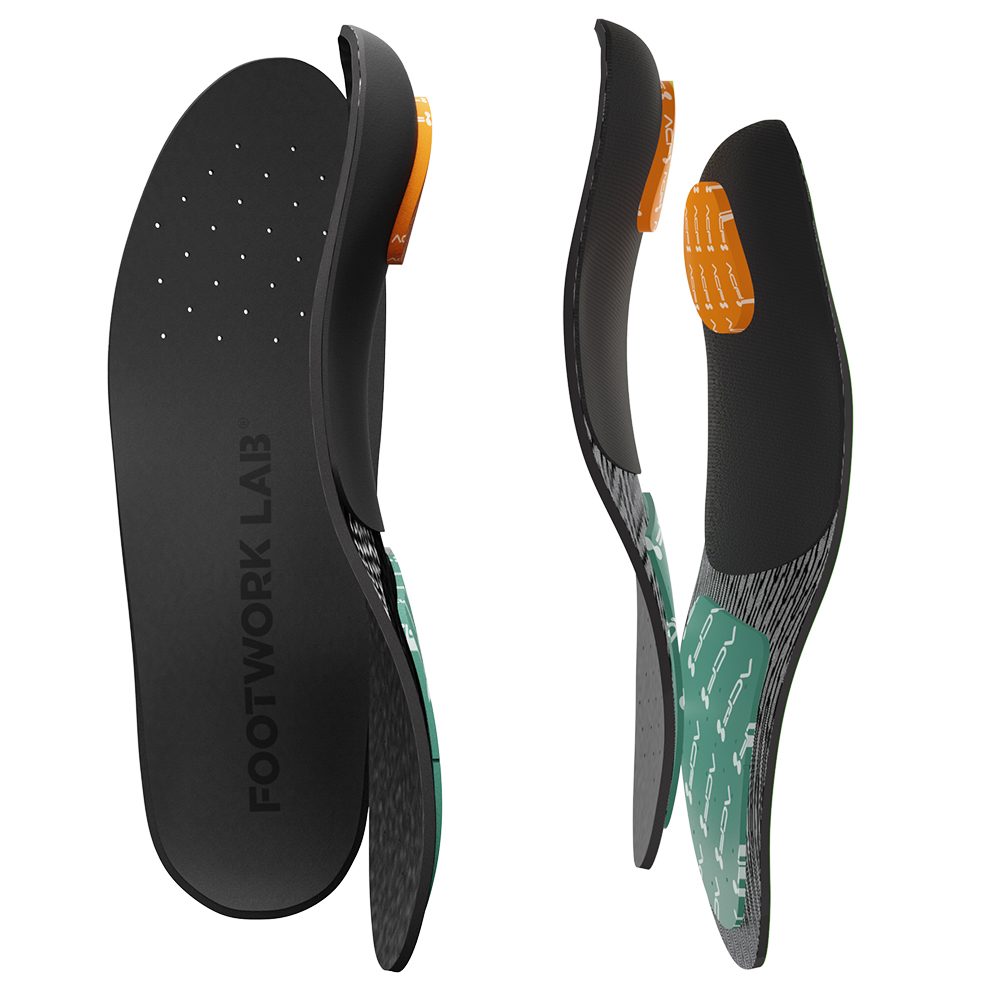
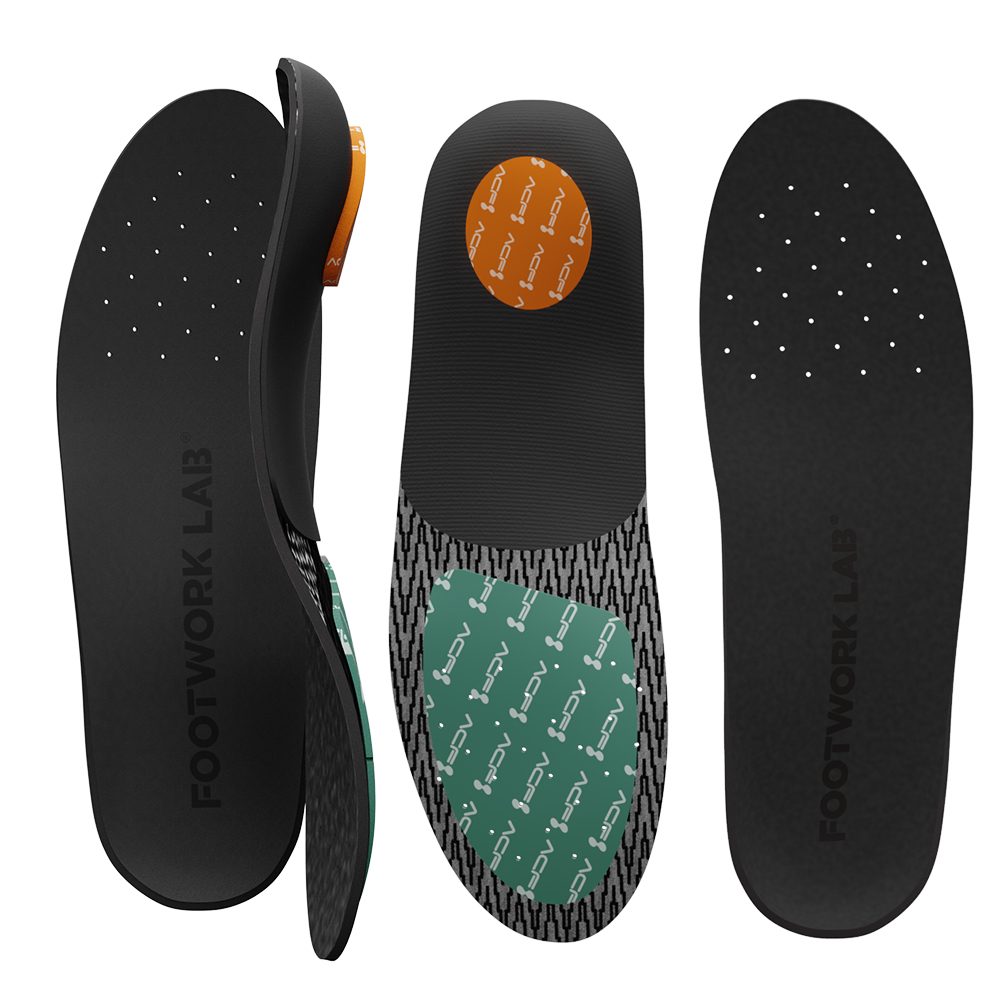
What we will do is answer the six questions in order, send a sample within three days, and hold a specification steady between the first order and the fifth. The daily range is built on a mesh fabric face, an Ortholite layer and an AQ polymer shaping board, and those three components are the ones that have to stay the same if a reorder is to feel like the first pair. A buyer who understands that can specify his own shelf; a buyer who does not will keep searching the phrase and keep getting catalogues.
Frequently asked questions
What does plantillas ortopedicas mean in English?
Orthopaedic insoles. The phrase names a category rather than a single product, and the missing accent changes nothing in a search engine. What it does not tell a supplier is the series, the size range, the quantity or the market the buyer is selling into.
What is the minimum order for a first batch?
Two hundred pairs, which can be mixed across styles and sizes. The minimum is deliberately small enough that a first order can act as a test of a size curve rather than a commitment to a guess.
How quickly can samples be sent?
Within three days of a confirmed request. A sample tells you about the construction and the finish; it does not tell you how the pair behaves after a month, so give one to a person who will report back.
Which sizing system should an order use?
The one the destination market sells in, with the men’s and women’s split stated where the supplier offers one. Half sizes and width should be settled before the order rather than after the first complaints.
What are the shipping options?
Courier takes six to seven working days, air freight ten to twelve days, and sea freight thirty to thirty-five. Which applies depends on the destination and on how urgently the buyer needs the shelf filled.
Can a buyer put his own brand on the product?
Yes. Insole orders accept ODM and OEM, and private label changes the printing, the carton and the lead time, so it has to be decided before production begins rather than after.
Does the factory write the claims on the packaging?
No. We state what a pair is made of; the wording that goes on a box, and its compliance with local rules, belongs to the buyer. We will not print a claim we cannot support.
What we would do next
Write the six lines: series, style, size range, quantity per size, packaging, destination. Anything left blank is a decision still to be made, and it is cheaper to make it before the order than after the first delivery. Send the list through the contact page and we will answer it line by line, including the parts where the honest answer is that a smaller first order would serve you better.
The insole range page sets out the three series and the four gradings, which is the vocabulary a first order needs. Custom moulded orthotic inserts explains how a build is specified, and orthopedic custom insoles covers the same ground from the clinical side. Buyers thinking about volumes will find your first orthotic insole making machine useful if they are considering production rather than supply.
This article is intended for professional and educational reference. It is not medical advice. Foot assessment equipment produces measurements and images; clinical interpretation and any decision about care remain the responsibility of a qualified professional. Certification scope is limited to the documentation we hold: European Union certification and ISO quality system certification.