
Buying insoles online for a foot that hurts is a decision made with less information than any other purchase of the same size. You cannot feel the material, you cannot test the arch profile, and you cannot know whether the shape suits the shoe you will wear it in. What you can do is read the listing carefully, and that is a skill worth having.
The category is crowded with products that describe themselves in the language of clinical benefit, and the language is often stronger than the evidence behind it. That is a problem for buyers and for manufacturers who would rather describe a product accurately. This article is about the accurate description: what a listing should tell you, what it usually omits, and how to judge a pair before it arrives.
We manufacture custom insoles to specification and we supply them to clinics and brands. We do not sell a product positioned as addressing a condition, and we do not describe our insoles that way. What follows is written to help a buyer make a decision on the facts rather than on the adjectives.
What the words in a listing usually mean
“Support” describes structure: a shape that holds a position under load. It is a property of the product, and it can be described accurately with reference to contour, stiffness and material.
“Cushioning” describes how material behaves under compression. It is also a property, and it can be described with reference to thickness, density and recovery. Both words are legitimately used and both are frequently used loosely.
Words that describe an outcome are different. A listing that promises to end discomfort or to change how a foot functions is making a claim about a person, not about a product, and no insole can make that claim for every buyer.
The practical rule: prefer listings that describe the object, and read listings that describe your future with suspicion. The first can be checked; the second cannot.
This is not cynicism. Many of the products in this category are well made. The problem is that the good ones and the poor ones use the same vocabulary, so the vocabulary stops being informative.
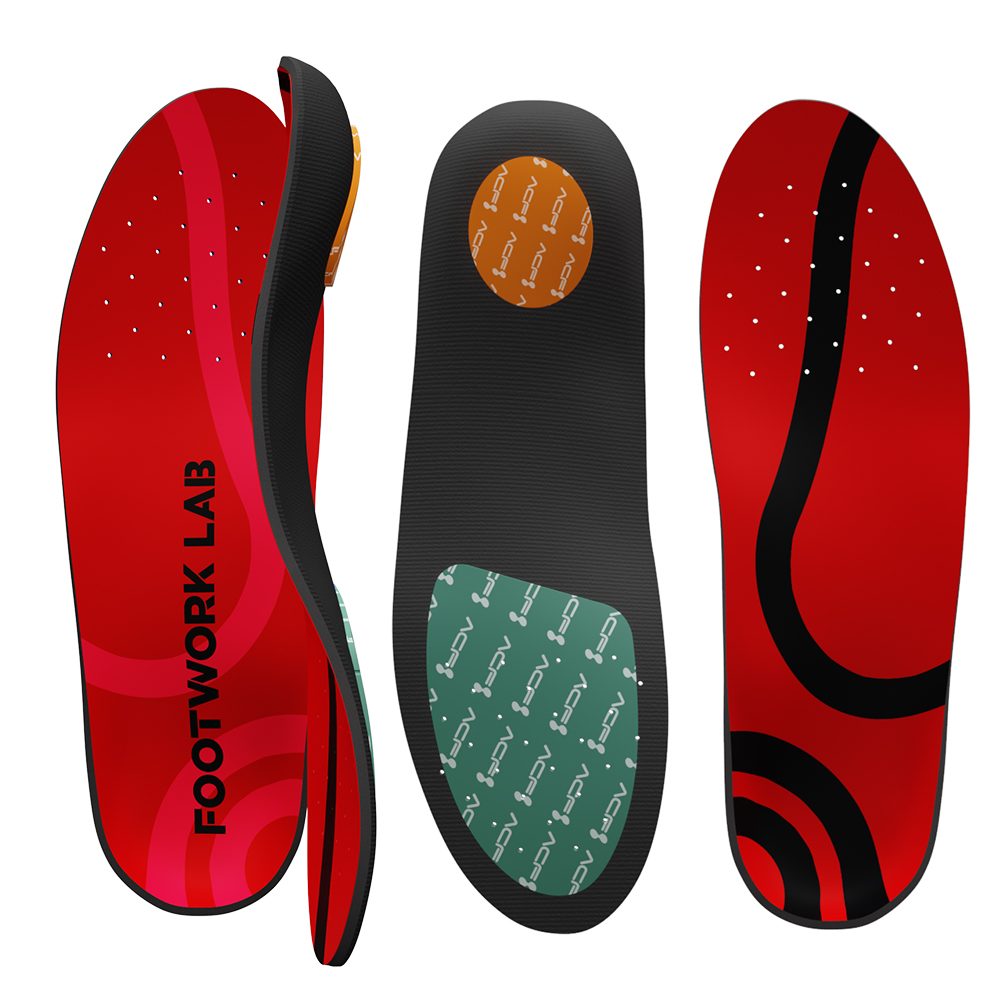
Structure: what a listing should specify
A useful listing states the construction: full length or partial, the shell material if there is one, the top cover, the thickness at heel and forefoot, and the intended shoe type. Those five facts let a buyer compare products rather than slogans.
Partial-length devices are a legitimate category and are often the right answer for a shoe with limited volume. A listing that does not say whether the product is full length is a listing that has not thought about the shoe.
Shell material matters because it determines how the device behaves under load. A soft, accommodative build and a firm, semi-rigid build suit different feet and different shoes, and a buyer cannot choose between them without knowing which is which.
Top cover matters for comfort and durability. It is the part in contact with the skin, and it is the part that wears first. A listing that names the cover material is a listing written by someone who understands the product.
Thickness is the fact most often omitted and the one that decides whether the product fits in a shoe at all. If a listing gives no thickness, expect to be surprised.
Sizing, and why the size chart is not enough
Insole sizing is usually tied to shoe size, which is a convention rather than a measurement. Two buyers wearing the same size can have feet of different widths and different arch lengths, and a product sized only by length will fit one of them.
Look for width information, trim lines or a note about trimming to fit. A product designed to be cut down is more forgiving than one that is not, and it is a reasonable choice for a first online purchase.
Check the shoe. A full-length device in a shoe with a glued sockliner displaces the foot, and no amount of accurate sizing solves that. The listing should say which shoes the product is intended for.
Where a brand offers a size range with a measurement in centimetres, use it. It is the only number in a listing that can be checked against something physical.
If the listing offers nothing to check, approach the purchase as a trial and choose a seller with a return policy that reflects that.
Returns, and what a policy tells you
A return policy is a statement about confidence. A seller that accepts returns on a worn insole is either very confident in the product or accepting a real cost, and both are informative.
Read the conditions carefully. Many policies exclude products that have been trimmed, which is reasonable, and some exclude anything that has been worn, which makes the trial impossible. The distinction matters before you cut.
Check who pays for return shipping. A policy that requires the buyer to cover international return freight is a policy that discourages returns, and that is a design choice worth noticing.
Look for a stated adjustment process, not only a return. A pair that is close but not right is the common outcome, and a seller that offers guidance on adjustment is more useful than one that only offers a refund.
None of this is about trust in the abstract. It is about the cost of being wrong, which for an online purchase is the main thing a buyer is managing.
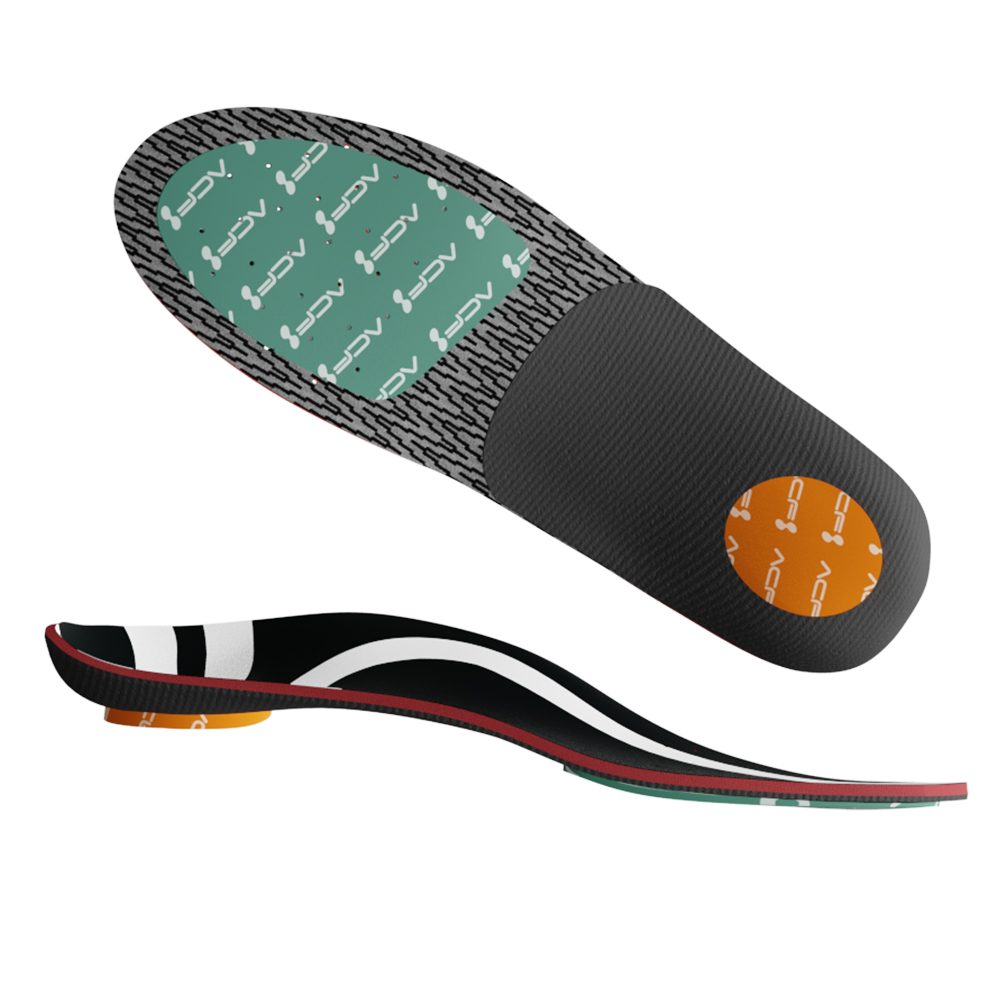
Materials, described plainly
Most insoles in this category are built from a small number of material families: foams for cushioning, thermoplastic or composite shells for structure, and textile or leather covers for the surface. Each family has a behaviour that can be described without claims.
Foams vary in density and recovery. A denser foam holds its shape longer and feels firmer; a lighter one feels soft and compresses sooner. Neither is better without knowing the use.
Shells vary in stiffness. A stiffer shell holds a position more consistently and tolerates less shoe volume; a softer one accommodates more and supports less. The trade is real and a listing should state which side it sits on.
Covers vary in friction and durability. A smooth cover reduces friction against the skin; a textured one holds the foot in place. Again, the trade is legitimate and describable.
A listing that names materials and says what they do is more useful than one that lists features without behaviour. Materials are facts; benefits are arguments.
The shoe interface, which listings ignore
The most common reason an online purchase disappoints is not the insole but the shoe. A device designed for a roomy trainer will not sit properly in a slim court shoe, and the listing rarely says so.
Check three things before ordering: whether the shoe’s sockliner is removable, how much depth the shoe has at the heel, and whether the shoe flexes where the insole does. Those three checks prevent most of the disappointment.
If the shoe has no removable sockliner, a partial-length device is usually the practical choice. If the heel is shallow, a firm cup may become a pressure point. If the shoe flexes early, a stiff forefoot extension will fight it.
A seller who publishes guidance on this is a seller who has handled returns and learned from them. That is a better signal than a five-star average.
Where guidance is absent, ask before buying. A short question about the intended shoe often produces a useful answer, and the quality of the answer tells you about the seller.
What a pair can and cannot do
An insole changes how load is distributed between the foot and the shoe. That is a real effect and it is measurable. It can change comfort, and comfort is a legitimate outcome to design for.
An insole does not change the structure of a foot, and it does not resolve a clinical problem. Statements to the contrary are marketing, and buyers should read them as such regardless of how the product is priced.
An insole also does not replace an assessment. If a foot is uncomfortable enough to prompt a purchase, it is worth knowing why before choosing a product, and that is a conversation with a qualified professional rather than a listing.
This is not a reason to avoid the category. Most buyers of insoles are looking for comfort in a particular shoe, and that is a reasonable goal that a well-made product can serve.
The distinction matters because it sets expectations. A buyer who expects comfort is usually satisfied; one who expects a resolution is usually not, and the listing that promised the second is the reason.
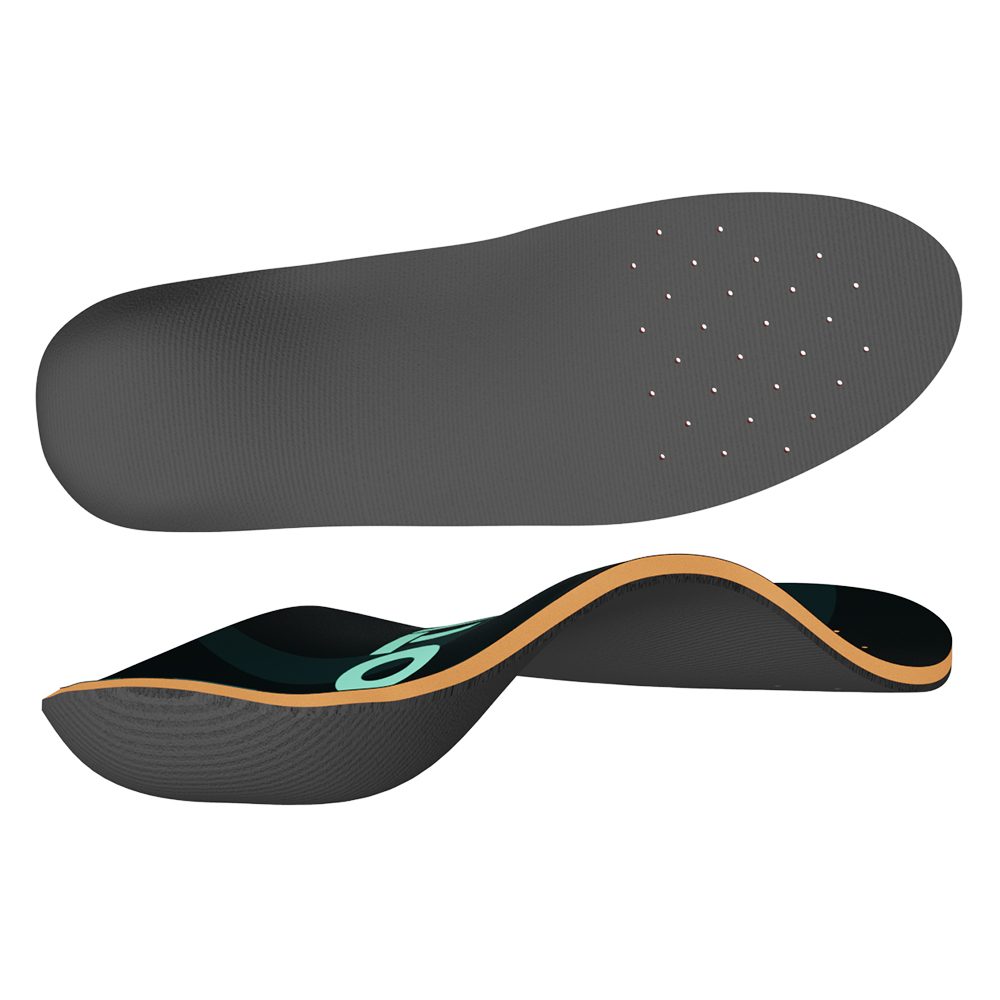
Reading reviews without being misled
Reviews are useful for logistics: delivery time, packaging, whether the seller answered questions. They are weak evidence for fit, because the reviewer’s foot and shoe are unknown.
Look for reviews that mention the shoe. A review saying the product worked in a particular model is more informative than one saying it was comfortable, because the shoe is the missing variable.
Be sceptical of a wall of five-star reviews with similar phrasing. It is not proof of anything, but it is a pattern worth noticing when the product description is vague.
Read the negative reviews for specificity. A complaint about a hard edge or a cover that lifted is a technical fact; a complaint about a delay is a logistics fact. Both are useful and neither is a verdict on the product.
Then make a decision on the specification, not the average. A product with the right construction and a return policy is a better bet than one with better reviews and no information.
A checklist before you pay
Does the listing state full length or partial, the shell material, the cover, the thickness and the intended shoe? If two or more are missing, the listing is not written for a buyer who wants to compare.
Does it give a size measurement you can check, or a trimming instruction? If not, sizing is a guess.
Does it describe the return and adjustment process in plain terms? If not, the cost of being wrong is unknown.
Does it avoid promises about outcomes? A listing that describes the product is more likely to describe it accurately than one that describes your future.
Four questions, two minutes. They will not ensure a good purchase, and they will eliminate most of the bad ones.
When to buy custom instead
A custom pair makes sense when the shoe is unusual, when both feet differ materially, or when a previous off-the-shelf purchase failed for a reason you can identify. In those cases the specification work is the value, not the material.
Custom production also has a minimum. Ours is two hundred pairs, mixable across models and sizes, which suits a clinic or a brand rather than an individual buyer. For a single pair, a local provider is the practical route.
Where a clinic is buying for its own resale, the same logic applies at a different scale: the specification and the record are the product, and the material is the part that can be sourced anywhere.
A buyer who understands that will get more from a conversation with a supplier than from a comparison of listings, because the questions that matter are about their shoe and their use, not about the product alone.
And a supplier who answers those questions plainly is telling you what kind of supplier they are, which is the most valuable information in the whole process.
One more consideration belongs in the decision: how long the pair is expected to last. A product that compresses quickly costs more per month than a firmer one, even at a higher purchase price, and the listing should give some indication of expected life.
Where no such indication exists, approach the purchase as a trial of the material as well as the shape. A pair that holds its form for a season is telling you something about the build, and that information is worth more than the review average.
Frequently asked questions
What should a listing tell me before I buy?
Whether the product is full length or partial, the shell material, the top cover, the thickness and the intended shoe type. Size measurements or trimming guidance are also essential.
Can an insole resolve a foot problem?
No. An insole changes how load is distributed between the foot and the shoe. That can change comfort, but it does not change the structure of a foot or replace a clinical assessment.
Why did my last pair not fit?
Usually the shoe rather than the insole. Volume at the heel, a sockliner that cannot be removed and a mismatched flex point are the three most common causes.
Is a partial-length insole a real option?
Yes, and it is often the practical choice in shoes with limited volume. Ask whether the product is designed as partial length, because a trimmed full-length device behaves differently.
What return terms should I look for?
A policy that states whether worn or trimmed products can be returned, who pays return freight, and whether there is an adjustment process rather than only a refund.
Do you sell single pairs?
No. Our minimum for finished insoles is two hundred pairs, mixable across models and sizes, which suits clinics and brands. For a single pair a local provider is the practical route.
Do you accept ODM and OEM on insoles?
Yes, both. We produce to a customer's specification and under a customer's brand, with samples dispatched within three days of specification approval.
What we would do next
If you are buying a single pair, take the four questions above to the listing. If you are sourcing for a clinic or a brand, the insole categories page shows the families we produce to specification, the FAQ page covers minimum order and sample terms, and our article on insoles for this client group sets out what an insole can and cannot do.
This article is intended for professional and educational reference. It is not medical advice. Foot assessment equipment produces measurements and images; clinical interpretation and any decision about care remain the responsibility of a qualified professional. Certification scope is limited to the documentation we hold: European Union certification and ISO quality system certification.