
A distribution agreement looks like a price list and a territory, and it is really a service obligation with a payment attached. Clinics buying a foot scanner ask three questions after the demonstration: will it work in my room, who trains the staff, and who answers when it stops. A distributor who can answer all three keeps the line for years. One who cannot has bought inventory and rented a warehouse. The difference rarely shows up in the margin percentage on the first page of the offer.
This article is written from the manufacturing side of that arrangement, which is the side we sit on. We sell through partners in some markets and direct in others, and we have seen both arrangements work and fail for reasons that had little to do with the equipment. What follows is an attempt to price the whole job honestly: what a distributor is asked to do, where the money actually goes, how much stock makes sense, and which clauses in an agreement are worth arguing about before signature rather than after the first difficult installation.
One caveat before the detail. Nothing here is a template contract, and none of it replaces local advice on tax, import or liability. It is a list of the questions we think a serious partner should ask us, and the answers we would give if asked plainly.
What a distributor is actually being asked to do
The role starts before the sale. A clinic will not commit to a system it has not seen working on its own floor, with its own staff, on a real client. That means a demonstration unit, a person who can run it competently, and a routine for getting it into a room and out again without damaging it. In most markets this is the single largest hidden cost of the line, because the demonstration unit is capital that earns nothing until it is sold, and the person running it is usually the same person who should be selling.
After the sale comes siting. The plate or platform needs floor space, a stable surface, power, and usually a network connection for the software and for updates. A room that looked adequate on a floor plan can turn out to be wrong once a client has to step onto the mat and a practitioner has to stand beside them. A distributor who walks the room before delivery prevents most of the awkward calls in the first month.
Then training. Not a demonstration repeated for staff, but a short course in the routine: how to prepare a client, how to capture consistently, what the report contains, and what the practitioner is expected to add to it. Staff turnover is the part that catches partners out. The clinic that bought the system two years ago has a different team now, and the partner who can re-run training, remotely if the site allows it, is the one who gets the next sale in that town.
Finally, first-line support. Someone has to answer the phone in the market’s time zone and decide whether the problem is a cable, a setting, a misunderstanding of the report or a genuine hardware fault. That triage function is what a distributor is paid for. Passing every question back to the factory is possible, and it converts a local partner into a courier.
Where the margin comes from, and where it goes
Gross margin on a unit is the number that gets discussed, and it is the least informative number in the deal. The useful figure is contribution after the cost of selling, and for this class of equipment those costs are unusually front-loaded. Demonstration time, travel, room surveys, installation, training, and the first year of support all land before the second order arrives.
Demonstration economics deserve their own line. A unit kept for demonstration is either bought at a reduced price, financed, or shared between partners in neighbouring territories. Each approach has a cost: the reduced price is a direct hit to margin, financing carries a charge, and sharing means the unit is often in the wrong city. Partners who plan this deliberately usually end up with one demonstration unit per region and a diary for it. Partners who do not plan it discover that their demonstration unit has become the office machine and nobody can remember where it was last shown.
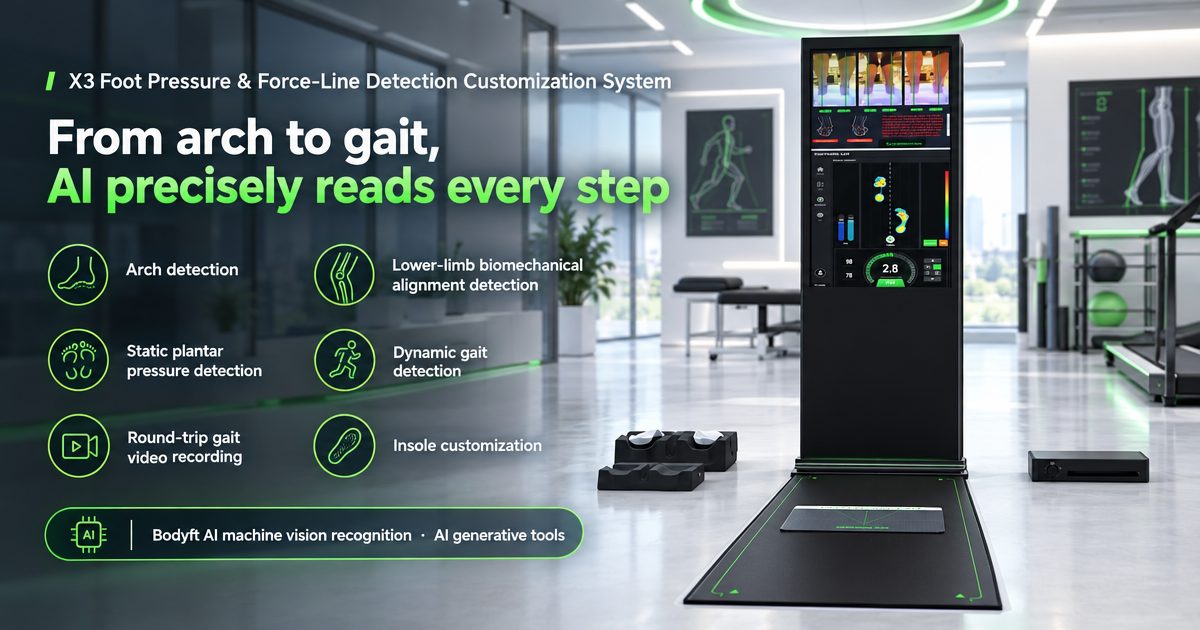
Service time is the second drain. A machine that can be assessed remotely costs a video call; a machine that needs a site visit costs a day, a flight or a drive, and the goodwill of a clinic that has cleared its diary. This is why the support architecture of the product matters commercially, not just technically. Our own systems ship with a dedicated WhatsApp group per unit, direct access to our engineers, remote assistance where the site allows it, and over-the-air updates for connected units. A partner who can solve most issues in that channel keeps the margin that would otherwise go into a van.
Then the quieter costs: currency movement between quotation and payment, freight and duty, warranty handling, and the working capital tied up in stock. None of them appear on the offer sheet, and all of them are real. A partner who models the first year with only the purchase price and the selling price is not modelling the business; they are modelling a single transaction and hoping it repeats.
Support is what makes the line sellable
Ask any clinic that has replaced a system why it changed, and the answer is rarely about the readings. It is about the two weeks when the machine did not work and nobody replied. Support is therefore a sales asset, and a distributor should evaluate it before signing rather than after the first fault. The questions are specific: what is covered, who decides, how a part gets to the market, and what the factory does while the part is in transit.
Hardware modularity is part of the answer. A machine assembled from replaceable modules can be served by a partner with basic tools; a sealed unit has to travel. Ask to see the module list and the part that fails most often, and ask what it costs to hold one in stock. A partner holding two or three critical modules can keep a clinic running the same week, which is worth more to the working arrangement than a slightly better purchase price.
Documentation matters as much as parts. Service manuals, calibration routines, error-code lists and training material in the market’s language turn a dependent partner into a capable one. Where documentation is thin, every routine question becomes an international call, and the partner’s technical credibility drops with each one.
The warranty terms should be read as an operational document rather than a legal one. Ours runs twelve months on non-human damage with free replacement parts, and every unit is tested for seven days before it leaves the factory. Those two facts tell a partner what the first year should look like: a low but non-zero failure rate, and a factory that has already screened the obvious faults. A partner should ask what evidence accompanies that test, because a seven-day burn-in is only meaningful if there is a record of it.
Stock: how much to hold, and what to hold it for
Machine stock should be small and deliberate. Our minimum order for equipment is one unit, and our production capacity runs at roughly three to five units a day, so a partner does not need to warehouse machines to serve a market. The sensible holding is one demonstration unit and, once the pipeline justifies it, one sellable unit for a clinic that cannot wait for a shipment. Anything beyond that is a forecast, and forecasts for a new category in a new territory are usually wrong in the first year.
Freight mode should follow the item rather than habit. Express runs six to seven working days, air freight ten to twelve days, and sea freight thirty to thirty-five. A demonstration unit that is needed for a trade show travels by express; a stock order that can wait travels by sea. Partners who default to air freight for everything pay for speed they do not use, and partners who default to sea discover that a clinic’s opening date does not move.
Consumables and insoles follow a different logic. Insole minimum order is two hundred pairs, mixed styles and sizes allowed, samples ship within three days, and capacity runs at roughly five hundred to a thousand pairs a day. That combination supports a partner who wants to test a market with a small mixed order and then scale on repeat business. Holding a wide size range costs money; holding a narrow one loses the orders that need an unusual size, which is precisely the order a clinic remembers.
There is also the question of what stock is for. Stock held to shorten delivery is a service. Stock held because the price break looked attractive is a bet on demand, and it should be sized like a bet. The partner who can say honestly “I hold two units and four hundred pairs because that is what my last six months of orders justify” is in a stronger position with a factory than one who holds nothing and asks for priority whenever a client appears.
The paperwork worth arguing about
Territory is the first clause, and the least useful when written loosely. “Exclusive rights to the region” means nothing without a definition of the region, a volume or revenue commitment, a review period, and a description of what happens if the commitment is missed. A partner should want that definition as much as the factory does, because an exclusivity that can be revoked arbitrarily is worth nothing when the partner is investing in demonstration stock and training.
Price protection is the second. If a partner builds a demonstration programme and a stock position, they need to know how a future price change applies to goods already ordered and to quotations already given to clinics. A written rule, even an ungenerous one, is better than a case-by-case conversation, because the conversation always happens at the worst moment.
Warranty handling is the third. Who authorises a replacement, who pays the freight, and whether a failed unit travels back to the factory or is served in the market. The arrangement that keeps a clinic running is almost always the one where the partner swaps a module and the factory ships the replacement, with the paperwork settled afterwards. Ask for that in writing, including the time limit for the factory’s response.
Certification documents are the fourth. Our scope is limited to what we hold: European Union certification and ISO quality system certification. A partner should ask for the documents themselves, check that the scope covers the products being sold, and resist any temptation to describe the certification more broadly in local marketing. Overstating a certificate is the kind of error that surfaces years later, in a tender, at the worst possible time. Marketing assets, image rights and the handling of client data in the software belong on the same list, and each deserves a sentence rather than an assumption.
A first year that does not overreach
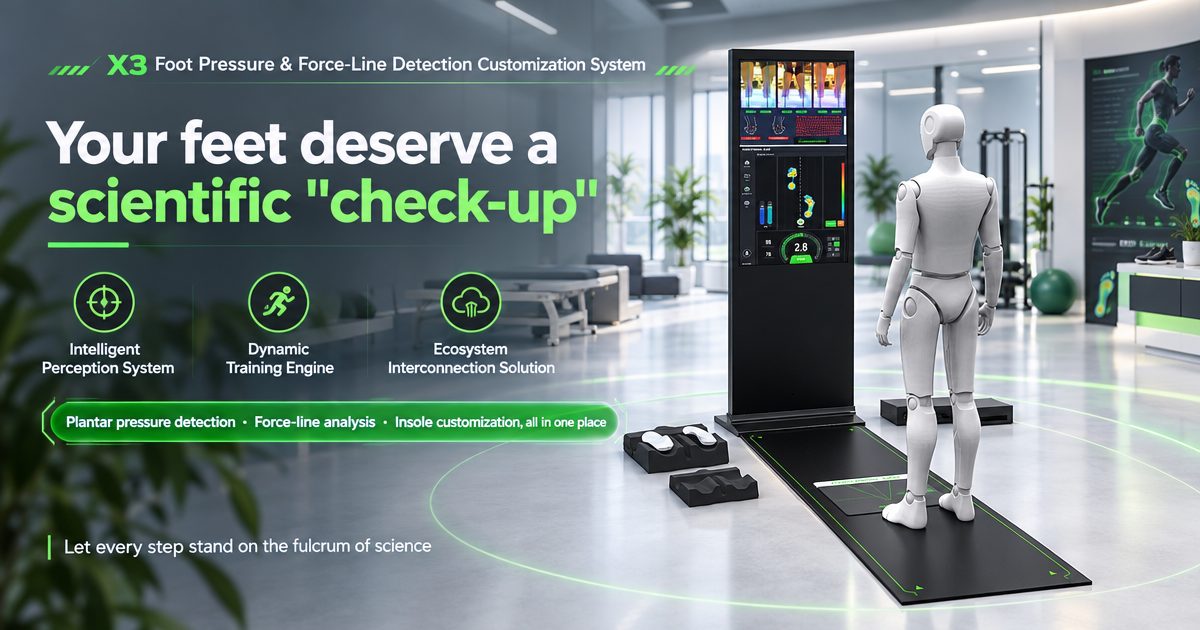
The partners who do well in this category tend to follow the same sequence. They take one demonstration unit, put it in front of a small number of clinics, and run the full routine, including training and the first review visit, before they order stock. That year produces two things that cannot be bought: a realistic conversion rate from demonstration to sale, and a service record that tells them which spare modules to hold.
The sequence matters because the failure mode is well known. A partner buys stock, hires a salesperson, and discovers in month four that the demonstrations were never the bottleneck; installation and training were. By then the working capital is in boxes and the person who could have repaired the process is busy selling to cover it. Starting with service capability and adding sales capacity afterwards is slower for one quarter and faster for the next three years.
There is also a discipline in saying no. Not every clinic that asks for a demonstration is a candidate, and not every tender is worth entering. A partner who can describe which rooms, which workflows and which case volumes the equipment suits will decline the rest, and will be believed when they recommend it. That credibility is the actual asset in a distribution business; the equipment is replaceable, the reputation is not.
We would rather sign a partner who plans a modest first year and asks hard questions about support than one who promises a large volume and asks only about discount. The first is a business. The second is a purchase order with a story attached.
Frequently asked questions
What is the minimum order to become a distributor?
There is no separate distributor minimum. Equipment orders start from one unit, and insole orders start from two hundred pairs with mixed styles and sizes allowed. Most partners begin with one demonstration unit rather than a stock position.
Do you offer exclusivity?
Exclusivity is discussed case by case and depends on the territory and on a commitment that can be measured over a defined period. We would rather agree a small territory with clear numbers than a large one with none.
Who handles service in my market?
The partner handles first-line support, with our engineers available through a dedicated WhatsApp group and by remote assistance where the site allows it. Connected units can receive over-the-air updates. Critical spare modules are stocked by the partner so a clinic is not left waiting for an international shipment.
How long does a machine take to arrive?
Express shipping runs six to seven working days, air freight ten to twelve days, and sea freight thirty to thirty-five. Production capacity is roughly three to five units a day, and every unit is tested for seven days before dispatch.
Can we have the equipment made under our own brand?
We accept ODM on equipment, and machine OEM is negotiable separately. Insoles accept both ODM and OEM. The practical limits are in tooling and documentation rather than in willingness, so the details are worth a direct conversation.
What certification can we quote in tenders?
European Union certification and ISO quality system certification, and nothing beyond the documents we can produce. We will send the certificates and their scope so your tender response matches what is actually held.
How much stock should a new partner hold?
One demonstration unit, plus one sellable unit once a clinic cannot wait for a shipment. Insole stock is better kept narrow and mixed rather than deep, because samples ship within three days and repeat orders can be produced at roughly five hundred to a thousand pairs a day.
What we would do next
If you are weighing the line, start with the room and the routine rather than the discount. Send us a description of the clinics you would serve, the workflows you expect to support, and who would run the demonstrations, and we will tell you whether the fit is real. The X3 foot pressure scanner page covers the configuration most partners start with, the product overview shows the rest of the range, and the partner page sets out how we work with distributors. For the cost side of the conversation, our guide to what drives foot scanner pricing explains the variables without quoting figures.
This article is intended for professional and educational reference. It is not medical advice. Foot assessment equipment produces measurements and images; clinical interpretation and any decision about care remain the responsibility of a qualified professional. Certification scope is limited to the documentation we hold: European Union certification and ISO quality system certification.