
“Does this machine just make the insole for me?” is the question we hear most often from retailers looking at Custom Fit insole machines — and the honest answer is that a machine never works alone. The phrase custom fit sounds like a single act: press a button, receive a pair of insoles shaped to one person. In a real workflow it is a chain of three steps — assessment, thermoforming, trimming — and each step has a different owner. Some steps belong to the shop counter, some to the fitting staff, and some to the factory floor. This guide is for shoe retailers, pharmacy chains and distributors deciding whether an in-machine custom fit service fits their operation, and it walks through exactly who does what at each step, so nobody buys equipment expecting it to replace a judgement that was never automated in the first place.
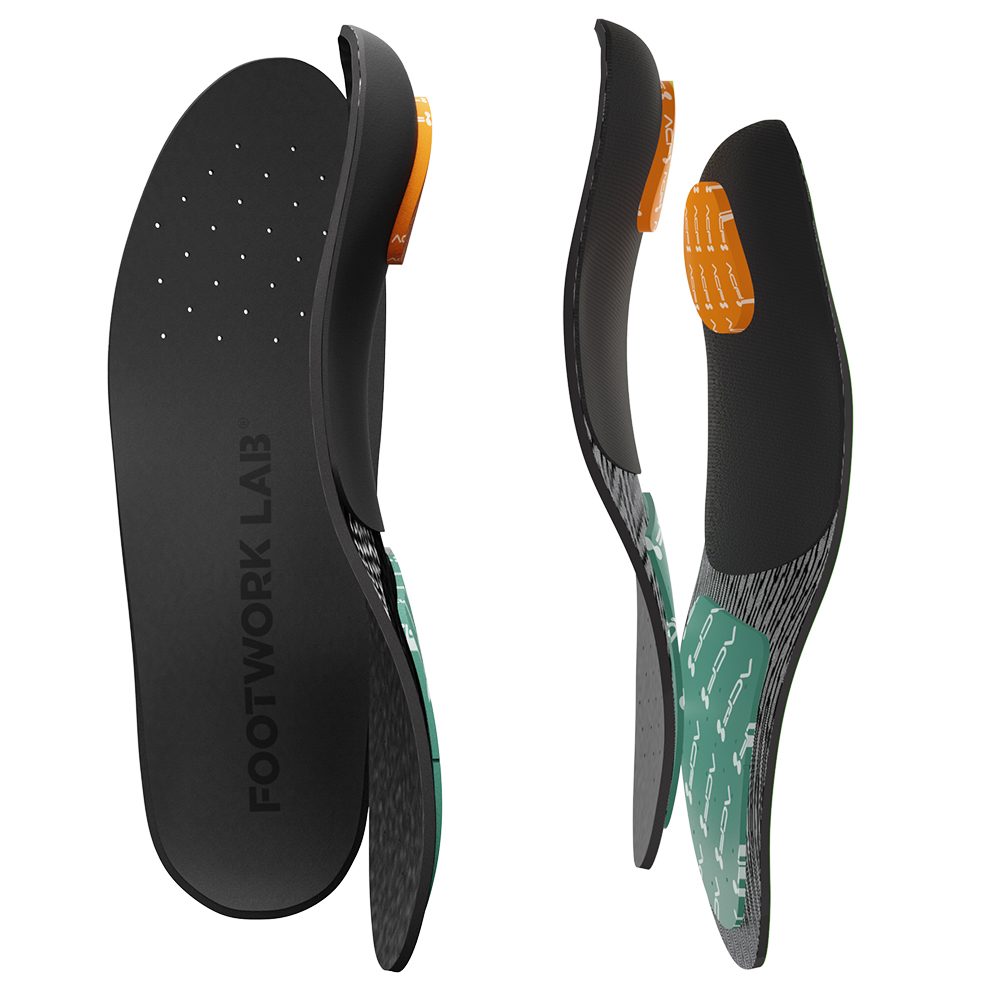
The product line behind this workflow is the FX biomechanical custom insole line — biomechanically assessed custom insoles built around BODYFIT AI assessment and senthmetic flexible-fabric sensing technology. The manual states the working principle plainly: data characteristics captured during assessment are used to customise the insole on specific devices. Custom fit, read carefully, is a division of labour between a measurement, a forming process and a finishing process — not a magic box.
What Custom Fit insole Machines promise, step by step
The phrase breaks into the three steps it actually contains. Step one, assessment: someone captures the wearer’s foot data — arch type, load distribution, alignment — and turns it into a specification. Step two, thermoforming: the insole blank is heated and shaped so its structure matches that specification and the wearer’s foot. Step three, trimming and fitting: the formed insole is cut to the shoe, checked inside the shoe, and adjusted until the fit is right. Each step needs an owner, and the equipment decides how the work divides between your counter and our factory.
In our pre-sales calls, the same misunderstanding keeps surfacing: a buyer budgets for the machine and forgets the fitter. At one exhibition in Southeast Asia, a chain-store operations manager told us her board had approved “the machine” and asked us to confirm no additional staff training would be needed. We walked her through the three steps on the demo counter, and by the end she had redrawn the plan herself — one trained fitter per flagship store, simpler service for the smaller branches, factory orders filling the gap between. That kind of redraw is easier before signing than after, which is why we keep walking buyers through the split rather than quoting a box.
What the machine genuinely does promise is repeatability: the same assessment routine, the same forming conditions and the same finishing standard, every time, instead of depending on one craftsperson’s hands. What it does not promise is an empty chair. Keep both halves of that sentence in view and the purchase decision gets much simpler.
Assessment: who takes the measurements
The assessment step belongs to the shop, supported by equipment. In the FX workflow, assessment runs on our detection systems — the manual pairs the insole line with the X5 detection system, which captures foot data, lower-limb biomechanical alignment and posture in a single session. The sensing layer is senthmetic flexible-fabric technology, and the analysis is assembled with AI-assisted report generation into a record the fitter can read with the customer: arch type, load distribution across the regions of the foot, alignment angles. The four build grades — support, anti-torsion, cushioning and starting ability — are specified from that record, which is what turns a shelf product into a fitted one.
Notice what the machine does not do at this step: it does not interview the customer, weigh their stated use against the record, or decide that a nurse who stands ten-hour shifts and a runner who trains on trails need different builds even at the same arch type. The assessment record describes the foot; the fitter reads it against the customer’s actual life. A daily-comfort build for walking and leather-shoe wear, a standing build for long shifts, a sport build for the runner — the record narrows the choice, and the person at the counter closes it. Retailers who skip this human read tend to sell the right product to the wrong use, and the remake rate tells the story within a quarter.
Training for this step is short but non-negotiable. The capture routine is a fixed sequence — footwear off, standing record, then the movement pass — and an afternoon of guided practice on real customers is usually enough for a counterperson to run it consistently. What takes longer is reading the report, and that is where our after-sales team stays involved rather than disappearing after the invoice.
Thermoforming: who shapes the insole
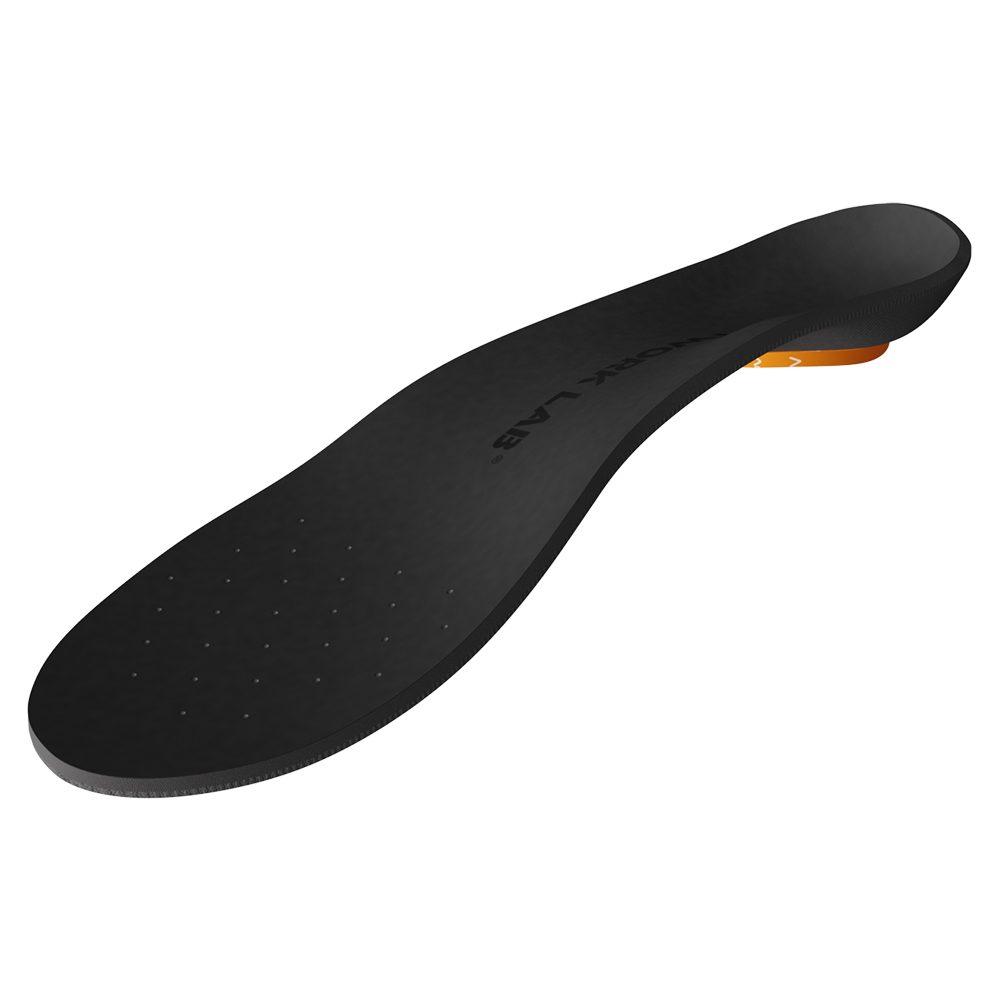
The forming step is where “machine” finally means a machine. At the counter, thermoforming uses the heated box and the shaping-pillow set: the insole blank is warmed, positioned against the shaping form that matches the assessment specification, and pressed so the shaping board and cushioning layers take the contours the record called for. The process is deliberately made counter-friendly — the equipment arrives with the forming kit, the forms and the routine — because it is designed to run inside a shop, not only inside a factory. A fitter who follows the temperature and pressing routine produces the same shape on a Monday morning and a Saturday rush.
We watched this step run at our Ruichang plant and the contrast with the shop version is instructive. On the production floor, forming happens in volume: blanks are warmed in batches, formed against production jigs, and moved down the line to finishing, where workers check each pair against the order’s specification before it is boxed. Roughly five hundred to a thousand pairs a day leave the line under that discipline, and every pair is the product of the same controlled heat and pressure a shop fitter applies one customer at a time. The shop version is slower and personal; the factory version is fast and anonymous. Both exist because the two halves of the market need them — and a retailer does not have to choose one forever, only decide which orders flow where.
The honest limit of counter thermoforming is scope. It shapes an insole to a foot; it does not redesign one. Structural changes outside the build grades — a different shell stiffness, a modified forefoot feature, a private-label construction — are factory work, specified on paper and produced to order. When a customer’s request drifts from forming into redesign, the right move at the counter is to say so and send the specification to the factory rather than improvise at the heat box.
Trimming, the fit check, and where the factory takes over
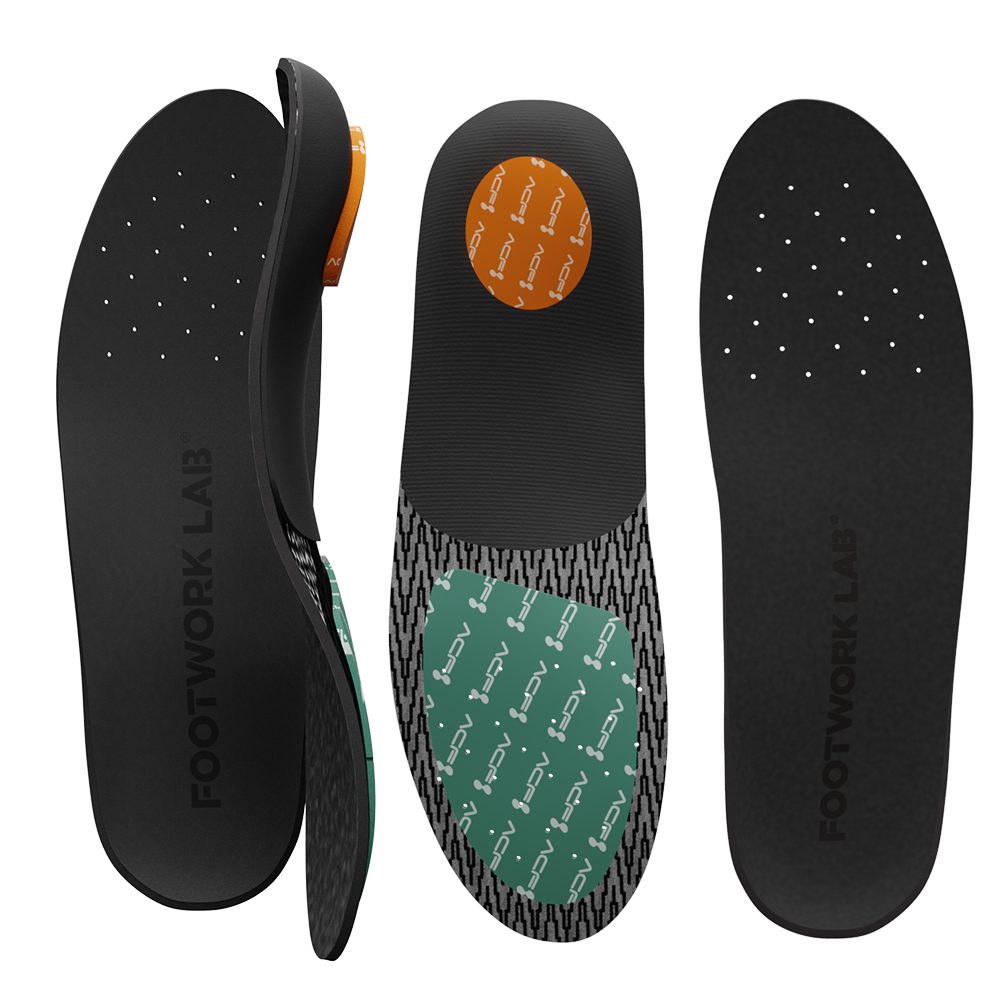
Trimming is the step buyers most often underestimate, and it belongs entirely to the shop. A formed insole leaves the box at a standard outline; the shoe it will live in does not. The fitter trims the edge to the shoe’s insole line, checks toe room, seats the heel cup, then puts the insole into the actual shoe and has the customer walk in it before anyone leaves the counter. Small adjustments here — a trim line moved, a heel seat re-centred — decide whether the customer comes back pleased or asks for a remake. This is also where the insole meets the shoe’s own limits: a narrow dress shoe and a wide trainer accept different shapes, and the fitter mediates that fit rather than the machine.
Factory orders skip this step by design and replace it with specification. When a retailer or distributor orders custom insoles from us in volume — the minimum order is two hundred pairs, mixed styles and sizes allowed — the trimming decisions are made before production: the shoe types, the size run across our range, the build grades per style, written into the order. Samples can ship within three days so the counter can validate the fit before the batch moves, and the production line finishes each pair to that specification instead of to a live customer’s foot. ODM and OEM programmes work the same way: the specification replaces the counter, which is exactly why a clean written spec matters more, not less, when nobody is standing in front of the wearer.
One care note belongs here because it shapes what you promise customers. The manual gives daily-wear insoles a service life of four to six months, and notes that high-intensity sport shortens both the life and the cushioning and support behaviour. Retailers who build a reorder reminder into the sale turn that fact into a service rhythm instead of a complaint — and reorders, as any established counter knows, are where a custom fit service actually earns its keep.
Frequently asked questions
Does a Custom Fit insole machine produce the finished insole without a fitter?
No. The workflow has three steps and each has an owner: assessment is captured by equipment but read by trained staff, thermoforming runs on the heated box and shaping-pillow set at the counter, and trimming plus the in-shoe fit check are manual work. The machine makes the work repeatable; it does not remove the person.
What data does the assessment step capture?
Assessment runs on our detection systems paired with the FX line — such as the X5, which records foot data, lower-limb biomechanical alignment and posture in one session using senthmetic flexible-fabric sensing. The report, assembled with AI-assisted report generation, shows arch type, load distribution and alignment angles, from which the fitter sets the four build grades: support, anti-torsion, cushioning and starting ability.
Can the shop do the thermoforming, or does it happen at the factory?
Both exist and serve different orders. Single-customer fitting happens at the counter with the heating box and shaping forms supplied with the equipment. Volume orders — from two hundred pairs, mixed styles and sizes — are produced at the factory to a written specification, with samples shippable within three days so the fit can be validated before the batch runs.
What are the four build grades and who decides them?
Support, anti-torsion, cushioning and starting ability. The assessment record narrows the choice for a given foot; the fitter sets the final grades against the customer’s actual use — daily walking, leather-shoe wear, long standing, or a sport build — before thermoforming.
What should a retailer tell customers about insole lifespan?
The manual gives daily-wear insoles a life of four to six months and notes that high-intensity sport shortens both lifespan and the support and cushioning behaviour. We suggest building a reorder reminder into the sale, which turns the lifespan into a service cycle rather than a dispute.
Can we sell custom insoles under our own brand?
Yes. The line is open to ODM and OEM programmes: you supply the specification — shoe types, size range across our sizing span, build grades and branding — and the factory produces to it. Send us the brief and we will confirm what the production line needs before quoting the programme.
What we would do next
Map your own split before you order: which stores will run the full three-step service with a trained fitter, which will sell factory-produced pairs to specification, and how many pairs a month each model would move. Send us that map with your store count and the shoe categories you carry, and we will suggest where the counter line earns its place and where factory orders cover the rest. The custom insole categories page shows the three series — daily comfort, rehab care and sport — and our FAQ page carries the order minimums, sample terms and transit times in full.
If you already own forming equipment and remakes are creeping up, the weak step is usually trimming or the in-shoe fit check rather than the forming itself. Our after-sales team reviews counter routines with retail partners regularly and can walk your fitters through the check sequence that catches fit errors before the customer leaves. To see the assessment side the insole line pairs with, look at the X5 foot and posture detection system, and to discuss an ODM programme, send us your specification.
This article is intended for professional and educational reference. It is not medical advice. Insoles provide support, alignment and load distribution; they are not a treatment, and any decision about foot health remains the responsibility of a qualified professional. Certification scope is limited to the documentation we hold: European Union certification and ISO quality system certification.