
Halfway through a demonstration at the fair, a clinic owner asked the question this article exists to answer: Saturdays at my place are a queue, the rest of the week the machine idles more than it runs — does that mean I need a second platform, or just a better booking sheet? It is a good question because both answers are sometimes right, and because the wrong one is expensive in either direction: a second machine bought to solve a problem it will not solve, or a diary that quietly caps the room at one capture every twenty minutes for years. What follows is the version we give buyers once the demonstration is over and the specifics of their room are on the table. Four signs point genuinely toward a second platform — captures being shortened or skipped under pressure, two different jobs competing for one machine, a second room or site that cannot share it, and downtime that now carries a visible cost in the diary. Two others — one slow afternoon a week, and the fear of queues that no record supports — do not. Along the way: what we ask a buyer to write down before deciding, what the second machine really changes about a working day, and why a second trained operator often buys back more capacity than a second cabinet.
A queue on its own is not a case
Every busy room has a queue, and most queues are not telling the owner what she thinks they are. The first thing to establish is what, exactly, people in the queue are waiting for. Some are waiting for the machine. Some are waiting for the operator, who is mid-conversation with the previous customer about what the record shows and what happens next. Some are waiting for the fitting chair, the counter, the card terminal. A second platform shortens only the first of those lines, and only if the second capture station also gets a second pair of hands to run it.
The cheapest instrument for this decision is a paper sheet, not a purchase order. For four ordinary weeks, the front desk marks one line per booking: time in, capture done, conversation done, out. Two columns matter most — how long the customer spent waiting specifically for a free platform, and how many bookings that day were pushed to a quieter slot. A typical page reads like this: 10:15 — waited 12 min for platform — walking pass cut short — asked to return for retest. That line is a signal. A different line, 16:40 — waited 4 min for platform — waited 25 min for the report conversation, points somewhere else entirely, and no amount of hardware will fix a room whose bottleneck is the chair where results get explained.
There is also a seasonal honesty to apply. Clubs screen whole squads in pre-season weeks; school programmes cluster around term starts; Saturdays fill in some seasons and not others. A room that runs two overwhelmed weeks and ten calm ones does not have a capacity problem yet. It has a scheduling problem that four weeks of lines will expose.
Sign one: captures are being shortened or skipped
The dangerous sign is not the queue at all. It is what happens to the capture itself when time runs short, because time pressure degrades records in ways that are easy to miss and expensive to explain later. Watch for the sentences that appear when the diary is tight: Take just the standing pass today, we will do the walking one next visit. Or: Skip the second attempt, the first one looked fine. Or the operator who no longer lets feet settle before the record starts, because three extra minutes are three extra minutes. Each is a small, reasonable-sounding concession on a hard day. Together they change what the room is actually producing.
A capture is a measurement under stated conditions, and conditions include whether the customer had time to settle, whether both passes were taken, and whether a doubtful first attempt got its retest. When those start disappearing, the room has crossed a line that is better named than ignored: the standard session no longer fits the standard slot. That is a capacity problem in the truest sense, and it is the kind a second platform solves directly — not by making the queue shorter, but by making the full session possible again for every customer.
Owners can test this without buying anything. For two weeks, log every session that was shortened, skipped or rebooked. If the count is a handful, tighten the booking template instead. If it is a third of the diary, and the shortenings cluster on the same days the queue forms, the machine — not the template — is the constraint. That combination, capacity pressure plus degraded captures, is the clearest case for a second platform we see in practice.
Sign two: two different jobs now share one machine
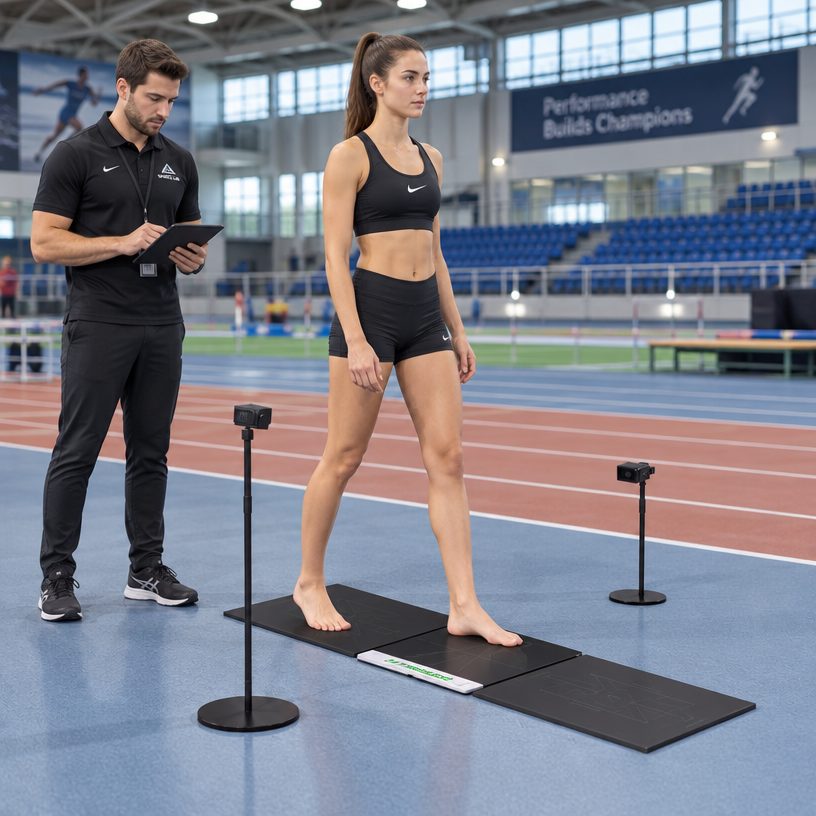
The second sign appears when the room has grown a second kind of work, and the two kinds want different things from the same cabinet. A shop that serves walk-in customers in the morning and a running club that books structured assessments in the evening has, in effect, two rooms in one. The walk-ins want speed and a friendly record. The club wants repeatable conditions: the same protocol every visit, the same settle time, the same passes in the same order, so that this month’s record can be compared with last quarter’s without an asterisk. When both jobs run on one platform, every switch costs resets, and somebody’s expectations give way.
School screening days push the same way: forty children in an afternoon is one job, and the adult fittings waiting at four o’clock are another. Video-and-pressure sessions push it too, because keeping camera and pressure records in step is a protocol discipline of its own, as we set out in our article on keeping video and pressure in step during a stride — and a room that rebuilds that discipline between every walk-in and every assessment will eventually stop rebuilding it.
The tell is in the operator’s language. When staff start saying the machine is set up for the club today, or we’ll do your full assessment on a morning when nothing else is booked, the second job has begun waiting for conditions rather than for the diary. A dedicated unit ends that conversation: one cabinet belongs to the everyday flow, the other to the protocol that must not drift. Before dedicating a machine this way, write the two setups on one page each — the settle routine, the passes, the file naming.
Sign three: a second room, a second site, or the mobile day
Sign two is geographic. Two consultation rooms ten metres apart cannot share a platform across a corridor, and staff walking back and forth between captures burn the same minutes the queue was burning. A satellite practice across town, a gym partnership, a monthly screening day at a school — each of these is a second capture location by another name, and the question stops being do we need another machine and becomes which location gets the machine it already needs.
Rooms that solve this by moving one platform between sites should count what the moving costs. Transport, setup, the re-check routine before the first capture of the day — our article on moving a platform between sites walks through that checklist — and the quiet risk that a platform which travels weekly gets bumped more often than one that lives in one room. For an occasional screening day, moving is usually the right answer. For a weekly commitment in a second location, most rooms conclude that a fixed second unit costs less in time and worry than a cabinet in the back of a van.
One more version deserves its own line: the owner who runs the main practice herself and employs a junior in the satellite room. The hardware question there is entangled with a staffing question, because a platform without a trained person behind it captures nothing at all.
Sign four: downtime now has a diary behind it
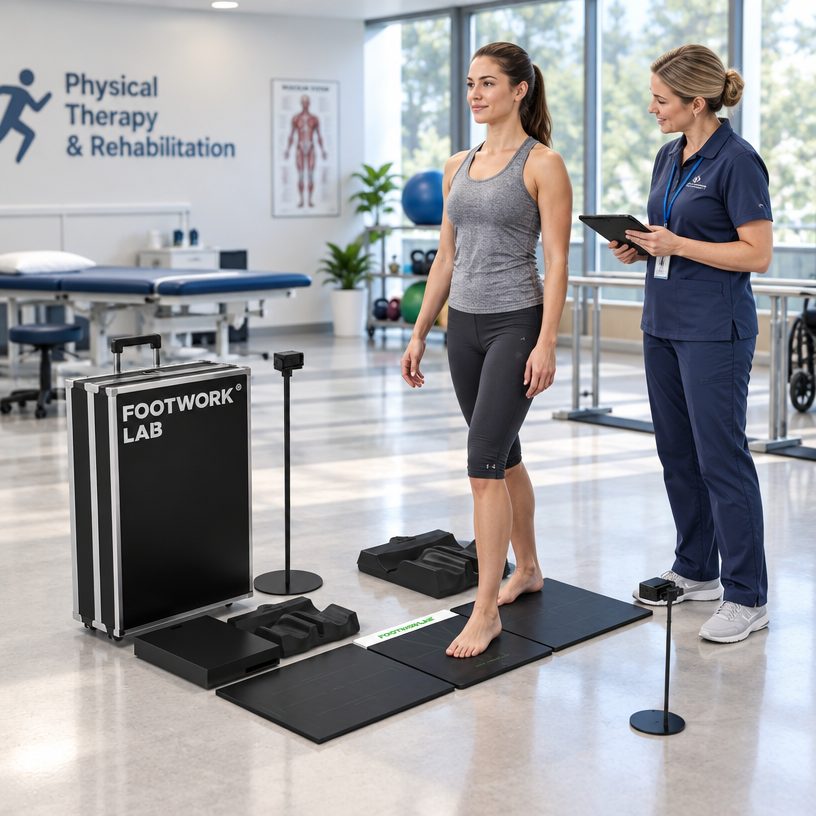
The fourth sign is about the machine’s bad days. We test every unit for seven days before it leaves the factory, we cover machines with a twelve-month warranty for non-human damage, and support runs through a dedicated WhatsApp group where engineers answer directly, with remote assistance available and software updates delivered over the network when a unit is connected. None of that, however, changes the arithmetic of a single-machine room: if the one platform is out for an afternoon, the diary for that afternoon is out with it.
So the honest question is not how often does it break — for well-built hardware, rarely — but what a lost day costs now that the diary is full. The sentence to listen for at the front desk sounds like this: Your Thursday appointment needs to move; the platform is being serviced. Early in a room’s life, customers accept that. Once a room has a waiting list, each moved appointment is a rebooking gamble, and some of those customers do not come back at all. A room at that stage is not buying redundancy for paranoia. It is buying the ability to keep one capture station running while the other waits for a part or a visit, and that is a business calculation, not an emotional one.
Rooms sometimes ask whether support response makes the second machine unnecessary. Our answer is the one we give at demonstrations: support shortens the outage, and it is fast because we are the factory and answer in our own group — but a machine being repaired is still a machine that is not capturing, and only the room’s own diary can say what that gap is worth. Write the number down for one hypothetical lost Saturday. If the number makes you uncomfortable, that discomfort is the sign.
Two reasons that are not reasons
Now the negative space, because two motives bring owners to our booth regularly and almost never survive scrutiny.
The first is the one slow afternoon a week. A room that empties every Tuesday and Wednesday does not have a capacity problem; it has empty slots, and empty slots are a marketing and scheduling matter — school visits, club partnerships, later hours on the busy days — before they are a hardware matter. The four-week booking sheet settles this immediately, which is why we insist on it. If Tuesdays are dead, a second machine does not resurrect them; it simply idles in company with the first.
The second is fear of a queue that has not happened yet, usually acquired from a story about somebody else’s clinic. We have watched owners decide against a purchase on exactly this ground, then decide for it two years later when the queue finally arrived — and the second decision was correct, because by then there were records behind it. The discipline is to buy on evidence: four weeks of lines, a count of shortened sessions, the honest geography of the rooms. Fear makes a poor requisition, and unlike most, this one is large, heavy and hard to un-buy.
There is a third candidate worth mentioning only because it comes up in conversation: the owner who wants a second platform and actually needs a second operator. A capture is a person plus a machine, and a machine alone captures nothing. If the constraint is hands, the cheaper fix is training the person already at the front desk; how two staff produce comparable records on the same protocol is its own discipline, covered in our piece on two operators running one protocol.
What buying the second one actually involves
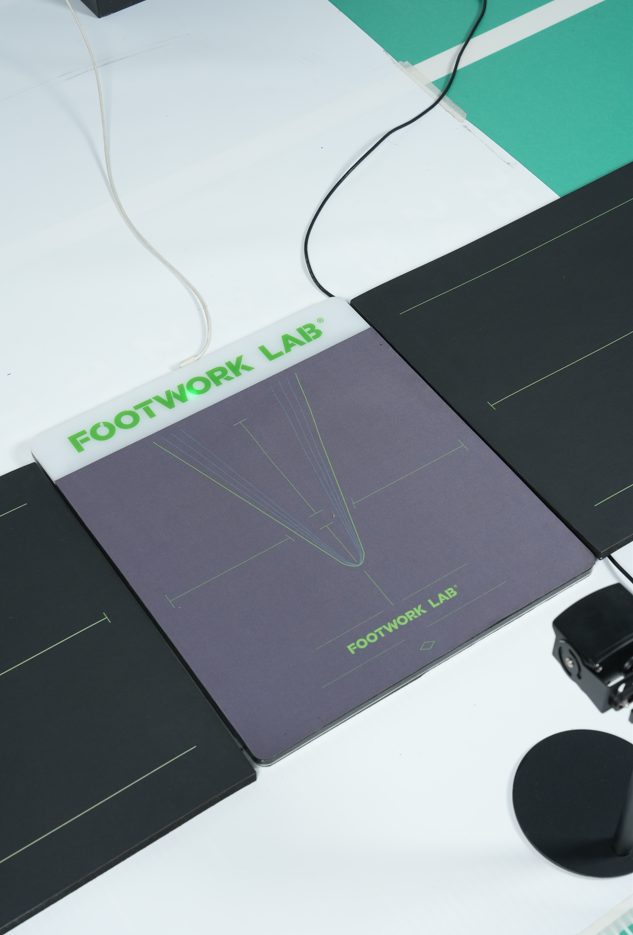
For rooms that find their case in the four signs, the practical side is lighter than most expect. The minimum order for machines is one unit, so a second platform is a normal order rather than a bulk commitment, and many buyers take the opportunity to think about fit: some order the same model again so the two rooms are interchangeable in routine and records; others deliberately split jobs, keeping everyday flow on one cabinet and giving assessments or posture-heavy work their own dedicated unit. Both patterns work; the one that fails is buying the second machine without deciding what it is for.
Production and dispatch are factory matters we can state plainly: machines are built and tested here, every unit runs a seven-day test before it leaves, and shipping runs by courier at around six to seven working days, by air at ten to twelve, or by sea at thirty to thirty-five depending on destination and volume. Installation into a room that already runs one platform is the easy part — the protocol, the sheets, the training habits exist. The work is deciding the second unit’s job, naming its files so they never collide with the first machine’s, and putting its re-check routine on the same wall chart as the first one’s.
One boundary belongs in every one of these conversations, and we state it to buyers as plainly as here: the platform produces measurements and images of how load distributes under stated conditions. What those measurements mean for any particular person, and what should be done about it, belongs to the qualified professional reading the full record. A second machine multiplies the room’s capacity to produce honest records. What the room does with them remains the room’s professional responsibility.
Frequently asked questions
Do we have to order two machines at once if we might want a second one later?
No. The minimum order for machines is a single unit, so a second platform can be ordered when the room’s own records make the case for it. Many buyers start with one machine, run the booking-sheet check described above, and order the second when the queue and the shortened sessions show up in writing rather than in feeling.
How long does delivery of a second machine take?
Dispatch options are the same as for a first unit: courier at roughly six to seven working days, air freight at ten to twelve, and sea freight at thirty to thirty-five, depending on destination and order volume. Every machine is tested for seven days at the factory before it leaves, so the shipping clock starts after that test, not before it.
What happens if a machine needs service after installation?
Machines carry a twelve-month warranty covering free parts for non-human damage. Support runs through a dedicated WhatsApp group where engineers answer directly, remote assistance is available when the room wants it, and software can be updated over the network for connected units. The practical planning point for a one-machine room is the capture time lost during service, which is the fourth sign in this article.
Can two machines in different rooms run the same protocol?
Yes, and most rooms that buy a second unit want exactly that: same settle routine, same passes, same file naming, so records from either room are comparable. Writing the protocol on one page per machine and training every operator against it keeps the two rooms consistent, which matters most when a customer is assessed in one room and re-checked in the other.
Can the second machine be a different model from the first?
Rooms do both. Repeating the same model keeps the two capture stations interchangeable and makes staff rotation simple. Splitting jobs — everyday walk-ins on one cabinet, structured assessments or posture-heavy work on another — is equally common where the room has grown two distinct kinds of work. The decision follows from what the booking sheet says the room is actually doing, not from the catalogue.
How fast can a second unit be produced?
Production capacity at the plant runs at roughly three to five machines per day, and every unit completes a seven-day test before dispatch. Where a specific order sits in the production queue depends on its size and specification, so the honest answer to a delivery-date question is always given against the current order book rather than as a general promise.
Does a second platform need a second trained operator?
A platform without a trained person behind it captures nothing, so in practice yes — or at least a second person trained to run captures under the same protocol. Many rooms start by training the front-desk or junior staff member already on the payroll. Consistency between operators is its own discipline: same instructions, same settle routine, same file habits, checked against each other regularly.
What we would do next
Before the purchase order, the paper. Run the four-week booking sheet described here, count the shortened and skipped sessions, and put the geography of your rooms on one page. If two or more of the four signs hold up on paper, the second platform has earned its place. You can review the FMP pressure and posture customisation system to see what a second capture station adds, and the operational questions we answer most often by message are collected on the FAQ page. When the records support the decision, write to us with your room layout and booking counts.
This article is intended for professional and educational reference. It is not medical advice. Foot assessment equipment produces measurements and images; clinical interpretation and any decision about care remain the responsibility of a qualified professional. Certification scope is limited to the documentation we hold: European Union certification and ISO quality system certification.