
The shoes arrive on the counter first, always before the person explains anything. A skater drops two pairs of skate shoes in front of you, toes scuffed, outsoles sanded smooth by griptape, and says the sentence nearly every one of them says: his heels are finished after an hour at the park, and the second pair of shoes did not fix it. If you run a clinic, a physiotherapy studio or a retail shop that serves this crowd, you have heard some version of that sentence all season long.
Skateboarding loads feet in a pattern most other sports never copy: short bursts of hard landing, long stretches of standing on a grippy deck, and no obligation to alternate feet the way walking does. This article is written for the professionals who field those complaints. It walks through what a session actually does to a foot, what skaters tend to report, how to assess before recommending anything, what a sensible insole brief looks like for this audience, and where the honest limits sit. Nothing here replaces clinical judgement; it is a working checklist for people who see skaters week after week.
What a skate session actually does to a foot
Start with the load itself, because it explains most of what walks through the door. A skate session is not one continuous activity. It is hundreds of small events: push, set the feet, crouch, pop, land, roll away, repeat. Each landing sends a sharp vertical load through the heel or the forefoot, and each push loads one foot while the other stays pinned over the board. Compare that with running, where the workload spreads across a repeating gait cycle and the shoes are designed to manage it. Skate shoes are designed first to grip a deck, which changes the whole conversation.
The second feature is asymmetry. Most skaters ride in one stance, with the same foot forward, for years. That means the lead foot and the trailing foot do completely different jobs thousands of times per session, and the two feet rarely fatigue in the same places. When you ask a skater where the trouble sits, listen for whether the answer differs left to right; that detail alone tells you a lot before any equipment is involved.
The third feature is duration of contact. Between landings, the skater stands with both feet planted on a rigid deck, absorbing every crack, pebble and transition through the soles of the shoes. There is no rolling gait to spread the work across the foot over time. The foot is either receiving an impact or holding a position, and both of those jobs concentrate load into small areas rather than distributing it. Any recommendation you make later will need to respect that pattern, because cushioning alone does not answer a holding problem and support alone does not answer an impact problem. Skaters rarely connect these three features when they describe their day, so the job of assembling them into one picture falls to you.
The shoe is built around the board, not the foot
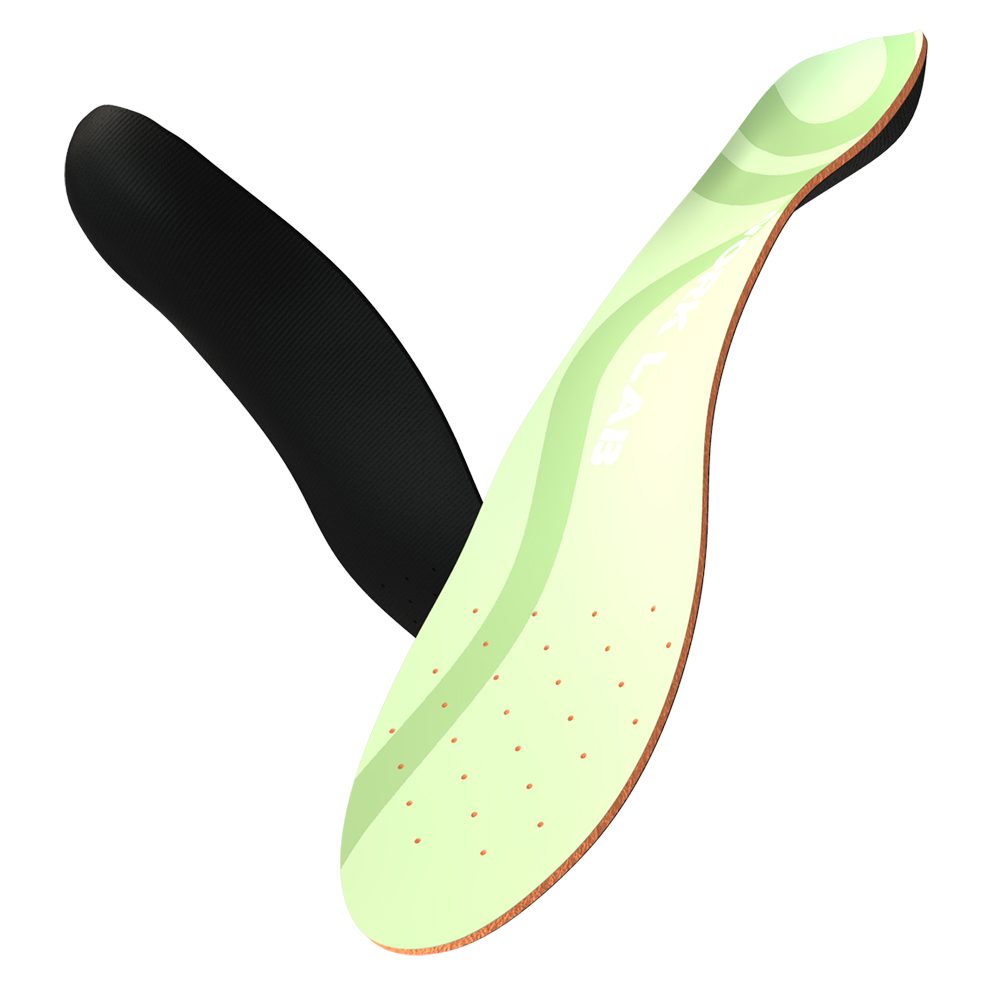
Skate shoes earn their keep through the outsole, and that priority shapes everything above it. The sole is flat and broad so the griptape bites. The upper is reinforced where the board rubs. The midsole is often deliberately thin so the skater can feel the deck and control the board precisely. All of that makes sense for the sport, and none of it makes much allowance for the foot inside. Look at the interior of a typical skate shoe: a mostly flat footbed, minimal shaped support, and a generous but shallow space that the foot settles into however it likes.
For many skaters this arrangement is fine for years. Some feet hold a comfortable position on a flat surface without help, and plenty of skaters never report a complaint. The problem arrives when the foot wants a shape the shoe does not give it. Without any shaped support, the arch is left to do its own work against repeated impacts, and the heel lands on whatever the flat footbed offers. Over a long session, that can feel like a bruised heel or a tired arch rather than an injury, which is exactly the vague, end-of-day complaint that brings people to you.
There is also a volume question that matters later. Because skate shoes are cut close to the foot for board feel, the space inside is not generous in height even when the length is fine. Anything you consider adding under the foot has to respect that. A bulky insert that lifts the foot toward the laces changes how the shoe fits and how the board feels, and a skater will reject it within a session for reasons that have nothing to do with the foot. Keep the interior volume in mind from the first conversation; it decides what is realistic long before you discuss materials.
What skaters actually report, and how to hear it
The vocabulary of skate complaints is consistent enough to be useful. Heel complaints come first: a bruised feeling under the heel after heavy landing days, worse on concrete, better on smoother surfaces. Forefoot complaints come next, usually described as hot spots under the ball of the foot, especially on the lead foot during long flat sections. Arch fatigue shows up as a tired, overstretched feeling late in a session rather than a sharp sensation. None of these descriptions is a diagnosis, and none of them should be treated as one; they are the raw material a qualified professional interprets.
Two habits make the listening more useful. First, ask about the day shape rather than the worst moment: does the complaint arrive at the end of a two-hour session, or does it appear in the first twenty minutes and stay? A complaint that arrives late points toward accumulated load; one that appears immediately points toward position or fit. Second, ask which foot and which phase: landing foot or pushing foot, ollies or lines around the park. Skaters describe their skating in great detail when asked properly, and the answers give you a workload map no single question about symptoms will produce.
Write the answers down in the same order every time. A simple four-line note works: where the complaint sits, when in the session it appears, which stance foot it matches, and what the skater has already tried, including new shoes or thicker socks. That last line matters more than people expect. Skaters are inveterate tinkerers who have usually attempted a remedy before they reach you, and knowing what failed helps everyone avoid repeating it. The written note also gives the review session later something concrete to compare against, instead of two half-remembered conversations.
What a foot assessment adds before anything is recommended
Once the story is on paper, a structured observation gives it a second column to sit next to. A static check of the foot’s arch profile and standing alignment tells you how the foot organises itself at rest. A dynamic pass across a pressure platform, the kind of tool you will find listed on our insole categories page alongside the insoles built from such records, shows how load moves through the foot while it is actually working. The device produces measurements and images; what those mean and whether anything should be done about them belong to the qualified professional holding the session.
For skaters, three things in the record deserve attention. Look at how load is distributed under the heel on the landing foot, since that is where the hardest repeated impacts arrive. Look at the forefoot on the lead foot, where the standing and pushing work concentrates. And compare the two feet side by side, because a stance that has been asymmetrical for years tends to produce records that are asymmetrical too. A mirrored difference between feet is expected; a difference the skater cannot explain is worth a second look. None of these observations decides anything on its own. They sit in the file next to the conversation notes, and the professional running the session decides what weight each one carries.
One practical caution from the workshop floor: capture the record with the socks and situation the skater actually rides in, or as close to it as the room allows. Cold feet on a cold morning behave differently from feet mid-session, which is why conditions matter as much as technique. If your first capture looks odd, repeating it under fair conditions costs nothing and usually settles the question, because conditions shape the record as much as technique does.
Writing the brief for a skate insole
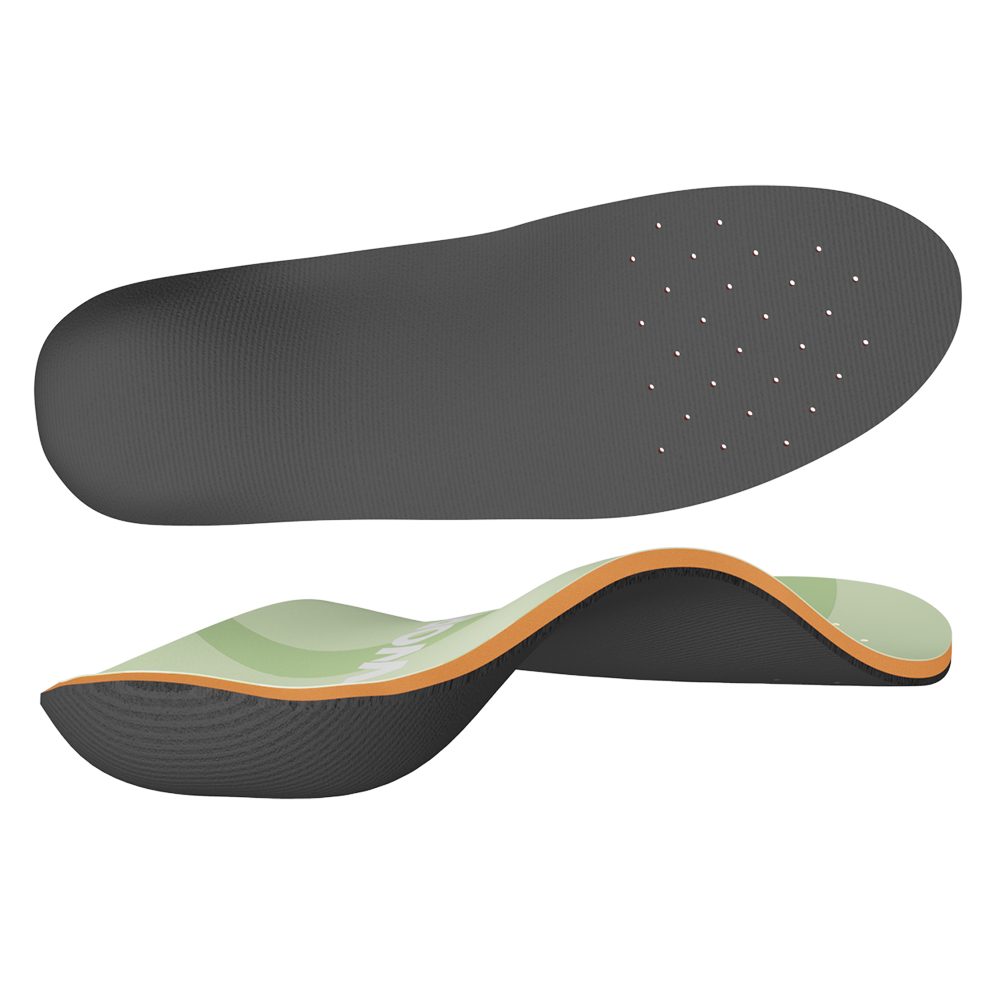
If the assessment supports recommending an insole, the brief you write decides whether the result survives contact with a skate park. Keep four lines in it. The first is support: a shaped arch section that gives the foot a defined position to return to, described in terms of support and load distribution rather than any promise about changing structures. The second is heel work: a cushioning arrangement under the heel aimed at softening the arrival of landings, which is the complaint you heard in the first conversation.
The third line is forefoot consideration. Hot spots under the ball of the foot come from load concentrating in one small area for a long time, so the brief should ask how load there can be spread across a wider region. That is a distribution goal, not a promise, and phrasing it that way keeps everyone honest about what an insole can and cannot do. The fourth line is the shoe itself: note the model, the interior volume and how the skater laces it, because the insole will live inside that specific environment and not inside a tidy clinic floor plan.
Two habits from production are worth borrowing here. We build each pair against the individual record rather than against a size chart, because two skaters with the same shoe size can present completely different load patterns; the piece on when each foot needs its own build covers why the pair may not be a pair at all. And we test insoles in real footwear, not on a bench alone, because the interaction between the insole and the shoe interior is where most fit failures happen. A brief that ignores the shoe is half a brief. Read the brief back to the skater before anything is made, because a correction caught at the desk costs a minute and the same correction caught at the bench costs a week.
Fitting inside the skate shoe, not on the clinic floor
The fitting session is where skate cases are won or lost, and it should happen with the skate shoes present. Place the insole in the shoe, have the skater stand in it, then have them crouch, lean and shift weight the way they do on the board. Check three things. Check that the foot sits in the same position when the laces are done up as it did in your fitting, because tightening laces over a taller assembly changes everything. Check that the toes still have their usual room. And check that the heel is held rather than floating, since a loose heel under a flat shoe is its own complaint waiting to happen. Ten minutes of this beats an hour of explanation, because the skater feels the combination working before spending anything.
Set expectations about the first sessions honestly. A foot that has spent years on a flat footbed is being asked to work in a new position, and the first weeks can feel strange before they feel better; our article on what the first two weeks actually feel like describes that adjustment period in detail. Advise short first sessions rather than a full day at the park, and suggest the skater bring the old setup along in a bag so a swap is possible mid-session. That small piece of practical advice prevents more abandoned pairs than any feature description.
Leave the door open for review. Ask the skater back after a reasonable break-in window and compare notes with your original four-line record: same complaint, smaller, larger, or moved? If nothing has changed after fair use and fair adjustment, that is information, and it usually means the next conversation belongs with a qualified clinician rather than with another product. Saying so plainly builds more trust than quietly trying a second pair and hoping.
Where the honest limits sit, and when to hand the case onward
Everything above assumes a specific division of labour, and it is worth restating because it protects both you and the skater. Assessment equipment, insoles and retail experience sit on the measurement and support side of the line. Interpretation, and any decision about care, sit with qualified professionals. If a skater reports something that sounds beyond workload and fit, such as discomfort that persists at rest, numbness, or anything that has been getting steadily worse over weeks, the right next step is a clinical referral, not a different insert. Naming that boundary early is a service, not a dodge, and it protects the referral relationship you will depend on when those cases arrive.
It also helps to be honest about what an insole is in this sport. It is a support layer inside a shoe the skater chose for other reasons. It cannot make a thin-soled shoe behave like a cushioned one, it cannot change how a board feels underfoot, and it will not turn an unwilling foot into a willing one overnight. What it can do is give the foot a more defined position to work from and spread load across more of the sole, which is precisely what the end-of-day complaints ask for. Framing it that way makes the sale easier to stand behind later.
Finally, keep your own notes. The skate audience returns, refers friends and upgrades equipment, and a file that tracks what was recommended, in which shoe, with what outcome, turns next season’s conversations into short ones. It also makes the referral conversations easier, because a written history moves between professionals without being rebuilt from memory. The shops that last in this niche are the ones that treat every fitting as a record rather than a transaction, and the habit costs nothing to start.
Frequently asked questions
Do skateboarders need different insoles from other athletes?
Usually the goals overlap with other impact sports, but the shoe changes the brief. Skate shoes are low in interior volume and built for board feel, so a skate insole has to provide support and heel cushioning while staying slim enough that the shoe still fits and the skater still feels connected to the deck. The foot assessment drives the shape; the shoe decides the form.
Will an insole change how the board feels underfoot?
Any added layer under the foot slightly changes board feel, and a skater will notice it in the first sessions. Most adapt within the normal break-in period, which is why short first sessions are advisable. If a skater is highly sensitive about deck feel, fit the insole, then let them test basics on a flat surface before committing to a full session.
Why do skaters complain about heels more than arches?
Landings deliver sharp vertical load straight into the heel, often onto a flat footbed with little shaped cushioning, so the heel is the first place the session is felt. Arch fatigue tends to appear later in the session or in skaters whose feet lack defined support. Both complaints describe workload, and both deserve professional interpretation before any recommendation.
Can a thin skate shoe take an insole at all?
In many cases yes, but the interior height is the deciding factor, not the length. Check the shoe with the insole placed inside and the laces done up: the foot should sit in its natural position with normal toe room. If the foot is pushed upward or the shoe no longer laces properly, the combination needs rethinking rather than forcing.
How long does a pair last under skate loads?
It depends on session frequency, landing style and body weight, so there is no single answer worth printing. Treat the insole like any working equipment: inspect it occasionally, and have the conversation again when support feels noticeably reduced or complaints return. Skaters who skate daily on hard surfaces should expect to review their setup more often than weekend riders.
Should the assessment be done barefoot or in skate shoes?
Both views have value and they answer different questions. A barefoot record shows how the foot organises itself without interference, while checking the fit inside the actual skate shoe shows whether the combination works in the environment it will live in. Recording the barefoot pass and then checking the shoe fit covers both without doubling the session length.
What should a shop do before recommending anything to a skater?
Write down the four-line record first: where the complaint sits, when in the session it appears, which stance foot it matches, and what has already been tried. Then run or refer for a proper foot assessment, because a conversation alone cannot distinguish a workload complaint from something that needs clinical attention. Recommendation comes after measurement and interpretation, in that order.
What we would do next
With the story recorded and the assessment done, the working order is simple: brief the insole against the record, fit it inside the actual skate shoe, and book a review after a fair break-in window. Keep the four-line note from the first conversation in the file, because it is the yardstick every later conversation gets measured against. If the production and supply questions come next, ordering quantities to sample dispatch, the FAQ page answers most of them before anyone has to ask.
The part of this work we find hardest is the grey zone: the skater whose record looks ordinary, whose complaint is real, and whose next step is not obvious. Our rule is to hand those cases to a clinician rather than experiment with a second pair.
So here is the question we would put to colleagues: when a skater returns after a fair trial and the complaint has not moved at all, what exactly do you write on the sheet, and who do you hand the file to? If you run sessions for this audience, we would genuinely like to hear how you handle that moment, and the details of how we build and supply are on the contact page if you want to talk shop.
This article is intended for professional and educational reference. It is not medical advice. Foot assessment equipment produces measurements and images; clinical interpretation and any decision about care remain the responsibility of a qualified professional. Certification scope is limited to the documentation we hold: European Union certification and ISO quality system certification.