
Advertisement. This is a promotional product article.
Temperature Footprint Board vs. AI Machine Vision: Comparing Quick-Screening Specs for a Clinic Purchase
What are these two systems, and who is this comparison for?
Two devices sit at the center of this comparison. The X1 Portable Foot and Lower Limb Detection System collects foot data through a temperature-sensing footprint board, and the Q1P Ankle Quick Screening Detection Customization System carries out its screening with an AI machine vision detection instrument. Both appear in the FOOTWORKlab product manual as quick-screening systems: the X1 is documented for arch detection, lower limb alignment checks and AI shoe recommendation, while the Q1P pairs screening with on-site insole customization.
This article is written for readers weighing the two against each other before a purchase — for example, someone adding screening services to a rehabilitation hospital, a podiatry clinic, or a shoe store, since the manual lists those among its intended venues. Every specification, function and package item below comes from the FOOTWORKlab product manual in the knowledge base. Where the manual is silent — on prices, accuracy figures or certifications — the text says so directly rather than filling the gap with assumptions.
How does each system actually run a screening?
For the X1, the manual describes the process in terms of data collection and analysis rather than a step-by-step session. A temperature-sensing footprint board works with dedicated analysis software to capture data, which is then processed through AI analysis. The documented uses are recommending shoe models and supporting gait health screening. Footprint data and lower limb alignment images feed a foot-and-ankle health database, a large model analyzes the user data, and the AI recommendation draws on the shoe product information that has been entered into the system. The manual also lists flatfoot risk screening as a documented use. Its three core functions are arch detection, lower limb biomechanical alignment detection, and AI analysis with smart recommendation. On the hardware side, the unit measures 460×540×50 mm, weighs 1.5 kg, runs on a Web operating system, and is built from high-strength PVC, with the detection area designated for arch type determination.
For the Q1P, the manual describes an integrated setup: foot data detection, lower limb biomechanical alignment detection, and insole customization in one system. Screening is performed by an AI machine vision detection instrument together with a dedicated analysis system, and the results support on-site customization of insoles based on the individual’s data. Its core functions cover plantar data detection, lower limb biomechanical alignment detection, and ankle data detection. The documented package list includes the main unit and a floor mat, an installation manual, camera accessories, an installation tool kit, a USB data cable, a heating box, and a shaping pillow set for adults and children; the source material cuts off part of this list.
The manual also describes what the customized insole itself consists of. In the product-line description, the insole’s correction core combines a functional training module configured for different scenarios, a shaped memory base layer of polymer material formed according to individual data, and a memory support core that forms a reinforcing base layer based on individual data and assists with side wrapping.
What the manual does not describe matters too. Neither entry walks through a real screening session, states how long a scan takes, or shows what a printed or on-screen report looks like for these two models. Both systems share the same documented service structure: pre-sales consultation, a dedicated after-sales technical product team, a customizable software system charged separately, after-sales marketing and service guidance, and online OTA updates. If report printing matters to your workflow, note that the manual documents online and on-site report printing for the X3 pressure-board system in the same product line; it does not state printing support for the X1 or the Q1P.
How should a non-specialist read the specifications?
The temperature-sensing footprint board on the X1 is the input device: the manual describes data collection through this board together with dedicated analysis software, and states that the detection area is used for arch type determination. In plain terms, the footprint record captured on the board is what the software analyzes, and the functions listed for this model are static screening functions such as arch detection, not measurements taken while a person walks or runs.
AI machine vision, as the manual uses the term for the Q1P, refers to an AI machine vision detection instrument that works with a dedicated analysis system. The package list includes camera accessories, so image capture is part of the setup. The manual names the technology and its functions but publishes no accuracy figures, validation results, or comparison data for either model.
The size and weight entries describe handling. The X1’s listed 460×540×50 mm and 1.5 kg are the basis for its "portable" positioning in the manual. The Q1P entry lists no dimensions or weight; what it does list is a floor mat and camera accessories, which points to a fixed placement rather than a device moved between rooms.
The operating system entry for the X1 reads "Web", which indicates a web-based operating environment as specified in the manual. No operating system is listed for the Q1P in the provided pages.
Two service items appear for both models and deserve a close read. "Online OTA updates" means software updates delivered over the network, as the manual lists. "Customizable software system (separately charged)" means tailored software is available at additional cost rather than included in the base configuration — a budget line item, not a standard feature.
Finally, the manual’s scenario table places this product line in rehabilitation hospitals, podiatry clinics and foot therapy centers, in sports venues, gyms and training institutions, in children’s physical fitness institutions, and in shoe stores. That table describes intended venues; it does not measure how the devices perform in any of them.
Which conditions should guide your choice?
The manual supports condition-based comparisons rather than a ranking.
If your service plan is entry-level foot screening plus shoe recommendation, the X1’s documented functions fit that description: arch detection, lower limb biomechanical alignment detection, and AI analysis with smart recommendation based on shoe data entered into the system. Its listed weight of 1.5 kg and Web-based operation suit a setup that moves.
If your plan is screening paired with on-site insole customization, the Q1P is the model whose documentation lists that module, with the heating box included in its package.
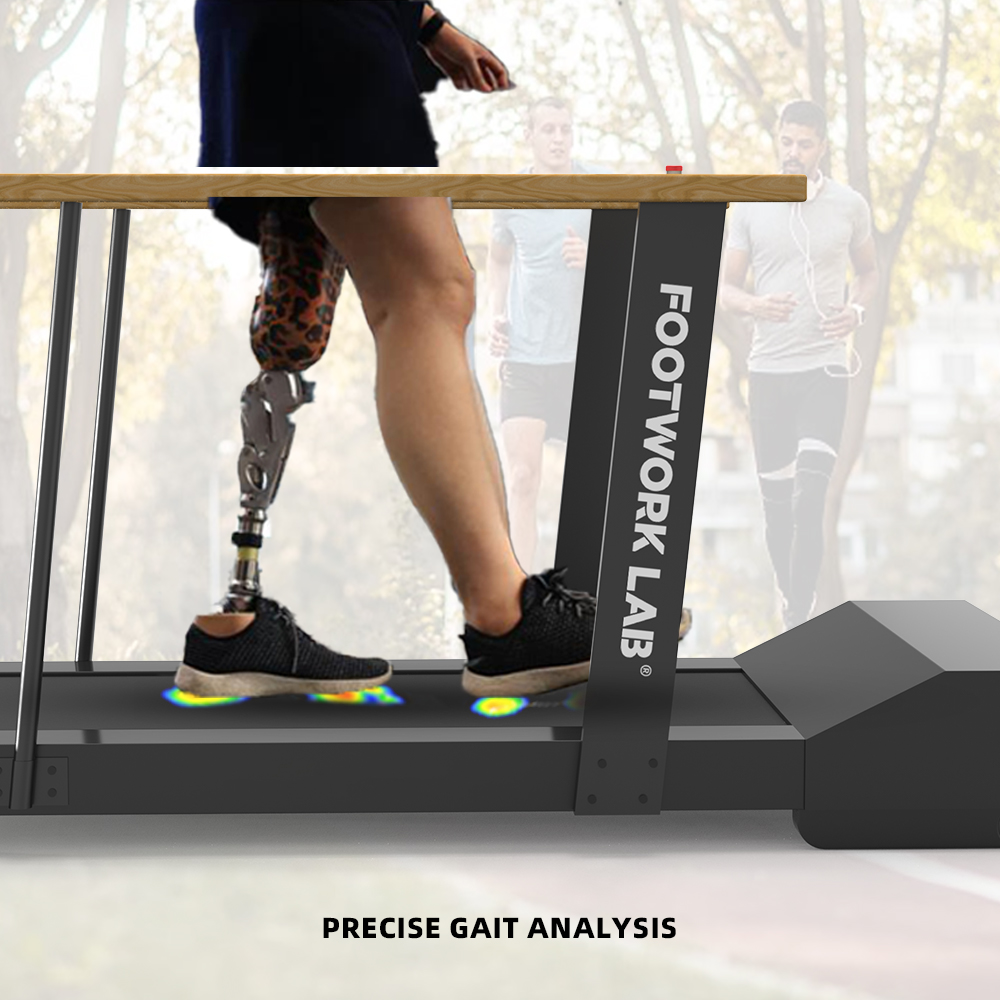
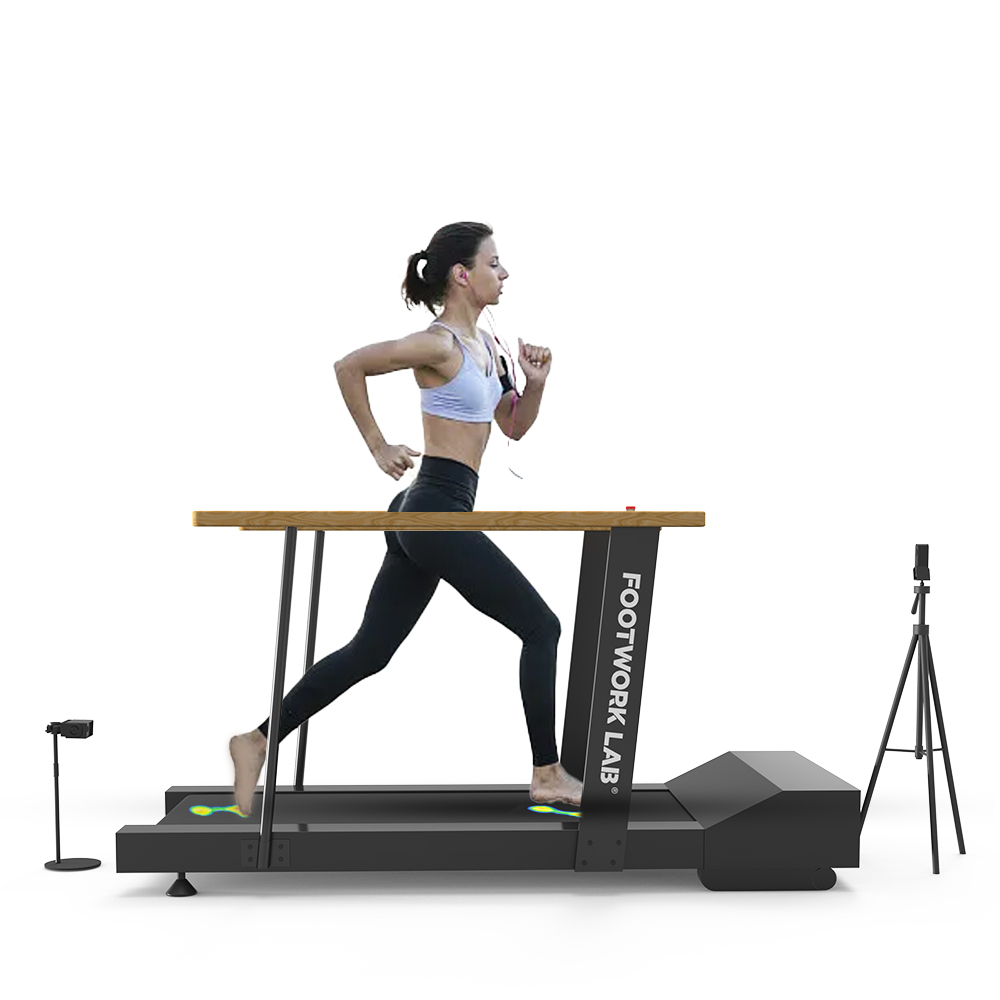
Several situations call for caution or a different model. If your service depends on analyzing pressure distribution while someone walks or runs, the manual lists those capabilities under the F5-LAB dynamic gait system, which works with a treadmill; it does not list walking or running analysis for the X1 or the Q1P. If printed reports are part of your workflow, the manual documents online and on-site printing for the X3 pressure-board system; it does not state printing support for either of the two systems compared here. If your budget has no room for extras, both systems list a customizable software system that is charged separately. If you need whole-body posture detection, the manual lists that function under the X5, not under either model discussed here.
One boundary is worth stating plainly: the manual describes screening and evaluation functions, and it does not claim diagnostic capabilities for either device. If your service wording depends on diagnostic claims, that gap needs to be resolved with the seller before purchase.
Where does this information come from, and what does it leave out?
The facts in this article come from the FOOTWORKlab knowledge base, specifically its product manual entries for the X1 and the Q1P, plus the surrounding product matrix covering X3, X5, F2, F2-Pro, FMP and F5-LAB. The material carries no publication date, version number, or validity period, and the knowledge base flags these manual entries as unreviewed. Treat the specifications as a snapshot of one vendor’s documentation, not as independently verified data.
Several questions fall outside the material. Prices and package pricing are not stated. Accuracy, sensitivity, or validation results are not published for either device. Certifications, warranty terms, delivery times, and user feedback do not appear. Part of the Q1P package list is cut off in the source. The described operating experience is limited to what the manual states; no hands-on testing was performed for this article.
The conclusions here therefore apply to the functions, dimensions, and package contents as written in that manual, for the two models named. They do not extend to other brands, to earlier or later hardware revisions, or to performance inside a specific clinic. Before ordering, confirm current specifications, the complete package list, and pricing directly with the seller.
Frequently asked questions
What is the difference between a temperature footprint board and AI machine vision screening?
Per the manual, the X1 collects data through a temperature-sensing footprint board working with dedicated analysis software, while the Q1P screens with an AI machine vision detection instrument and a dedicated analysis system. One records footprints on a board; the other works through camera-based image detection. Both then apply AI analysis through their respective software.
Can either system customize insoles on the spot?
The Q1P’s documentation lists on-site biomechanical insole customization as its customization module, supported by a heating box in the package. The X1’s documented functions cover screening, arch detection and shoe recommendation; insole customization is listed for other models in the line, such as the X3 and the X5.
How large is the X1 unit?
The manual lists 460×540×50 mm, a weight of 1.5 kg, a Web operating system, and a high-strength PVC body. The Q1P entry does not state dimensions or weight.
Do these systems receive software updates?
Both the X1 and the Q1P list online OTA updates in their service support. Both also list a customizable software system that is charged separately. The manual does not describe how often updates are released.
Where are these systems intended to be used?
The manual’s scenario table lists rehabilitation hospitals, podiatry clinics and foot therapy centers, sports venues, gyms and training institutions, children’s physical fitness institutions, and shoe stores. Both models are positioned as quick-screening systems within those settings.
What should a buyer confirm with the seller before ordering?
Ask for the complete Q1P package list, since the source material cuts off part of it; current pricing, including the separately charged software customization; and any accuracy or validation data, none of which appear in this manual. The manual also carries no publication date, so request the latest version in writing.