
On the fifth hole of a Saturday four-ball, one of the players starts favouring his left heel on the walks between shots. By the turn he has stopped carrying his bag. By the fifteenth he is riding in a cart he did not plan to hire, and the round he came for has quietly changed shape. Nobody in the group thinks of it as a foot problem; it is just what forty-plus years of Sundays have started to feel like.
Golf hides its foot workload behind its reputation as a gentle game. A full round is hours of walking on uneven ground, punctuated by one of the most violent transfers of weight any sport asks of a standing body, repeated dozens of times, usually from the same side. Course shoes are built for turf: grip, stability against rotation, weather. Almost nothing in their design serves the walk or the foot inside the swing. For foot professionals, physiotherapy clinics and retailers serving golfers, the opportunity is understanding both halves of the game, because the customer almost always complains about one while the record tells the story of both. This article covers what a round actually does to feet, the interview questions that matter for golfers, two checks you can offer at the bench tomorrow, what the measured record tends to show, and where a custom pair honestly fits the brief for people whose sport is a walk interrupted by sixty swings.
A Round Is a Walk With Interrupting Violence
The arithmetic of a golf round surprises people who do not play. Eighteen holes on foot is a walk of many kilometres over ground that is deliberately not flat: rough, fairway, bunkers, cart-path edges and the slopes around every green. Add the carries, the club bags and the weather, and the walking load rivals a demanding hike, except hikers choose their terrain and golfers accept whatever the course architect built. The surface varies hole by hole, sometimes step by step, and the feet absorb every transition from hard path to soft turf to wet rough without a word of complaint until the back nine.
Then there is the swing, and it is worth being blunt about it. A full golf swing is a rapid, loaded rotation in which the weight moves from one foot to the other and back, with the lead foot absorbing a substantial share of the transfer through impact. Dozens of full swings per round, plus practice shots, plus the small swings of chipping and putting, all from the same handed stance, mean the same foot does the same heavy job all day. Other sports distribute their violence across both sides or across brief seasons of play; golf stacks it onto one side of one body for four or five hours, week after week, for decades. A foot professional who hears “I play golf” and thinks of a gentle pastime misses the load pattern entirely. The accurate picture is an endurance walker whose walk is interrupted, on schedule, by a one-sided explosive effort, and whose footwear was chosen for none of the above.
Two Jobs the Course Shoe Never Planned For
Golf footwear is engineered around the swing, and it does that job well. Soft spikes or gripping soles anchor the foot against the rotational forces of the swing, a slightly raised heel region historically shaped the address posture, and waterproofing protects a wet morning round. What the shoe is not built for is the walk between the swings. The grip that anchors the foot on turf makes every stride on hard cart path feel flat and unyielding. The stiffness that stabilises a swing restricts the natural flex a long walk wants. And the fit, often snug for stability, has nothing in reserve for the swelling that a warm four-hour round brings.
The result is a shoe doing two jobs, one by design and one by accident, and the foot absorbing the difference. Golfers themselves tend to sense only the second job’s failures: hot spots on the walks, a tired forefoot by the sixteenth, heels that complain on the drive home. Few connect those complaints to the shoe’s swing-first design, and fewer still have ever had the walking half of their game assessed at all. This gap is the professional’s opening. When a retailer or clinic treats the golfer as a walking athlete who also swings, rather than a swinger who also walks, the conversation immediately covers ground nobody else in the industry has asked about: how many holes are walked versus ridden, which nine is harder on the feet, what is worn on the walk to and from the car park, and whether the shoes that fit the swing also survive the walk. Those questions sound simple. In practice, most golfers have never been asked any of them.
The Interview: Walking Share, Lead Side and Course Reality
Four interview questions do most of the work with golfers. First: how many of your rounds are walked, and on which course surfaces, because a links walker and a cart golfer present completely different load briefs. Second: which foot is your lead foot in the swing, and does discomfort, if any, show up on that side or the walking side. The answer separates swing load from walking load faster than anything else in the conversation. Third: when during the round do the feet first complain, and has that moment been arriving earlier over recent seasons. Fourth: what do you wear between the car park and the first tee, and in the clubhouse afterwards, because the day’s total is bigger than the round.
Write the four answers into the booking brief, exactly as with other trades: walking share, lead side, complaint timing, and the full-day footwear story. The brief reshapes the assessment before it starts. A cart golfer whose feet fail on the course walks differently from a daily-fee walker, and the professional reading the file knows which conversation is arriving. It also gives counter staff a real script for the walk-in golfer asking for “something for my feet” during a spike change; the four questions take two minutes and turn a vague request into a structured brief. One refinement earns extra trust with this audience: ask about the practice range separately. A golfer who hits a large basket of balls on concrete-adjacent mats twice a week is doing a repetitive, one-sided load session that may outweigh the course itself, and no golfer connects range mats to foot load unless someone asks the question out loud.
Two Checks Worth Doing at the Bench
The first check is the spike-and-sole inspection, done with the golfer present. Course shoes report their history precisely: wear concentrated under the lead foot’s ball region where the swing finishes, uneven spike wear that shows how the foot rolls through the swing, and compression of the midsole on the walking side that no spike plate compensates for. A pair of everyday walking shoes brought alongside tells the other half of the story, and the comparison between the two pairs, swing shoe and walking shoe, laid on the bench together, usually teaches the golfer something about their own week in under a minute. Photograph both soles next to the pressure record when one is taken; the images become the reference for every future pair.
The second check is the single-leg balance comparison, done barefoot on firm ground. Ask the golfer to stand on each foot separately and hold, and note how the lead side compares with the trailing side in steadiness and tolerance. Years of one-sided swings leave their mark in exactly this test, in a way two-legged standing never reveals. Neither check diagnoses anything, and both belong in the file as observations for the qualified professional to interpret alongside the measurement. What they accomplish is conversion of a vague complaint into two specific, comparable observations: this is the material an honest assessment needs, and it is also what earns the trust of a golfer who has heard equipment claims every season of his life. Golfers respect measurement; the two checks demonstrate that the process starts from evidence rather than from a catalogue, before any product enters the room.
What the Record Shows in Golfers
When a golfer reaches the capture plate, the record usually does two useful things at once: it confirms the one-sided swing story and it exposes the walking story the golfer has not been telling themselves. In the moving record, the lead foot’s heavier loading through the swing shows exactly where the transfer lands, and the walking record, taken separately, shows how the same foot behaves on a plain stride without any swing at all. Comparing the two is the moment most golfers understand their own round for the first time: the same foot, two entirely different jobs, sharing one pair of shoes.
Two cautions keep the reading honest. First, the record captures that day: a golfer measured mid-season presents differently from one measured after a winter break, and a round walked in rain differs from one ridden in calm weather. Noting the context, season, walking share and recent rounds, in the file is what makes the record meaningful months later. Second, the map measures where force went; it diagnoses nothing, and the interpretation belongs to the qualified professional conducting the assessment. That boundary is worth saying aloud to golfers, because this audience is unusually literate in equipment claims and correspondingly alert to overreach. Professionals who state plainly that the record is measurement and the meaning is professional work find that golfer scepticism converts to engagement, and that the comparison between swing record and walking record becomes the single most repeated sentence in the club car park afterwards, which is exactly the word of mouth a foot business serving the sport wants travelling between its members.
Where a Custom Pair Fits the Game
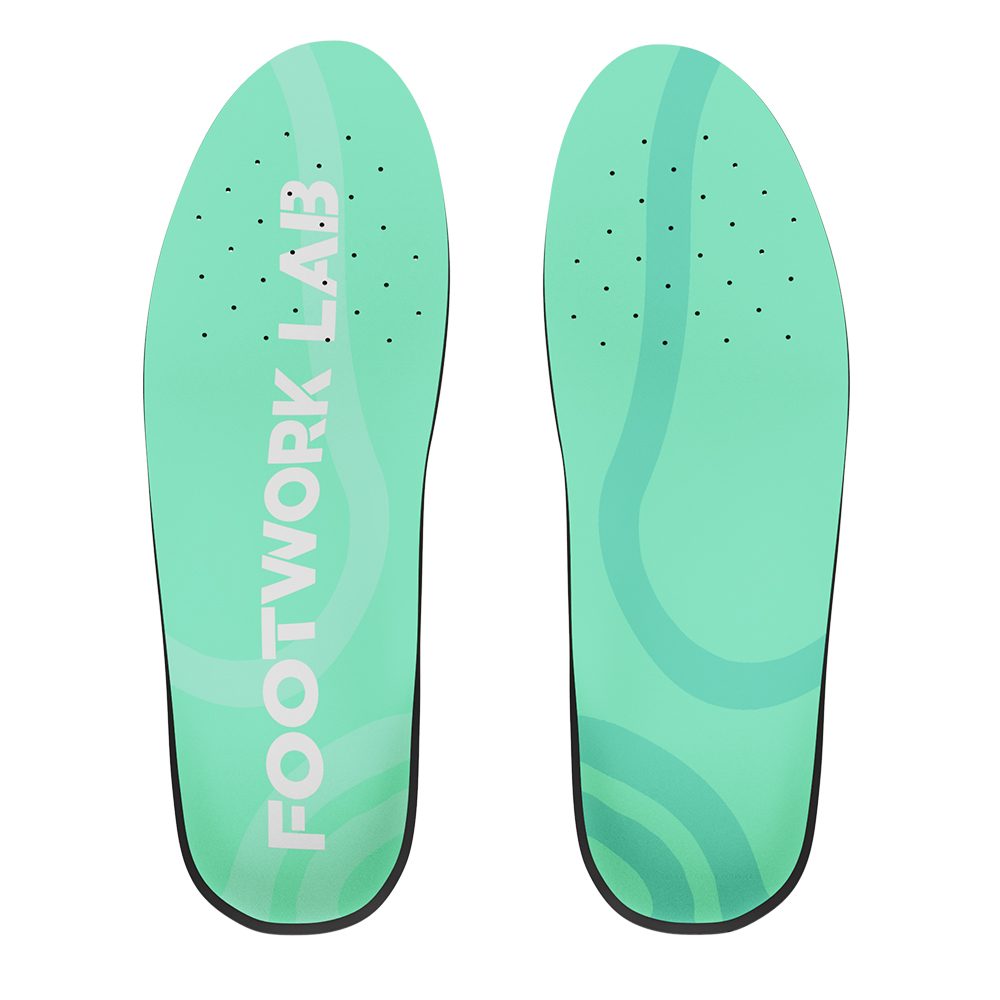
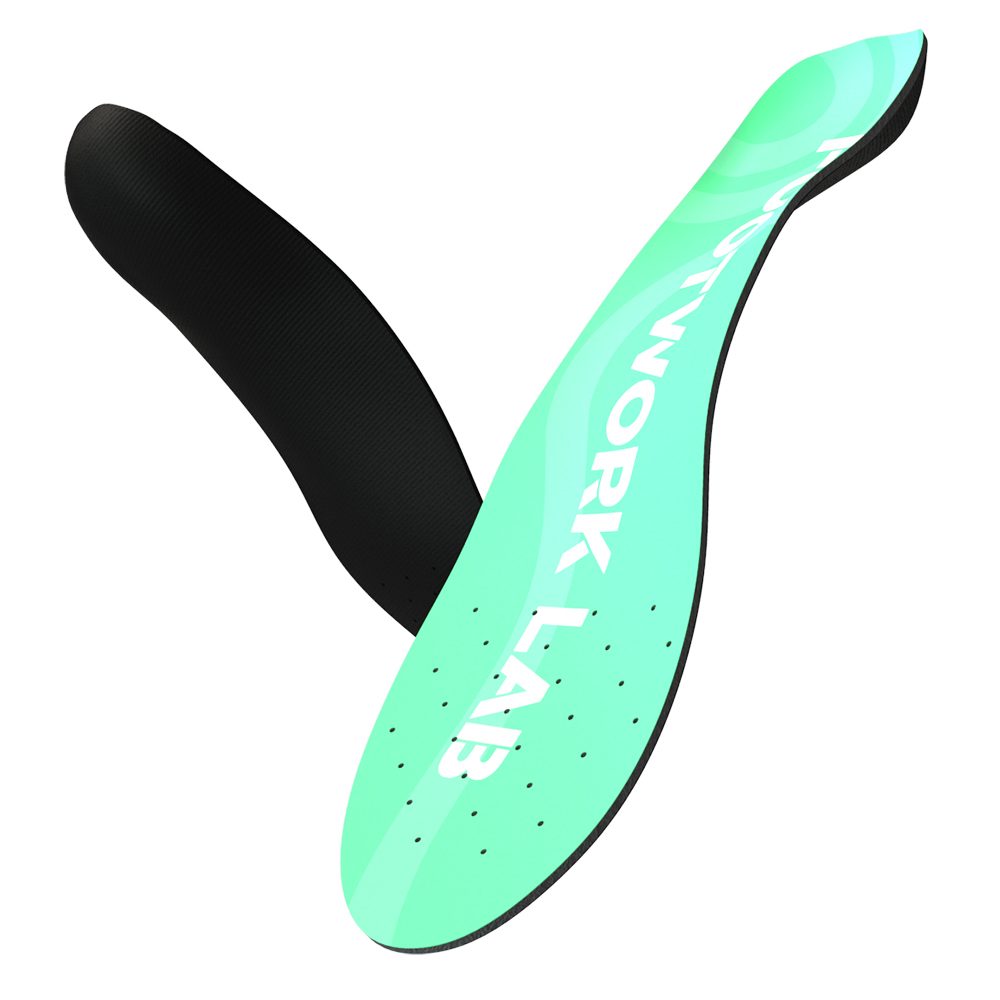
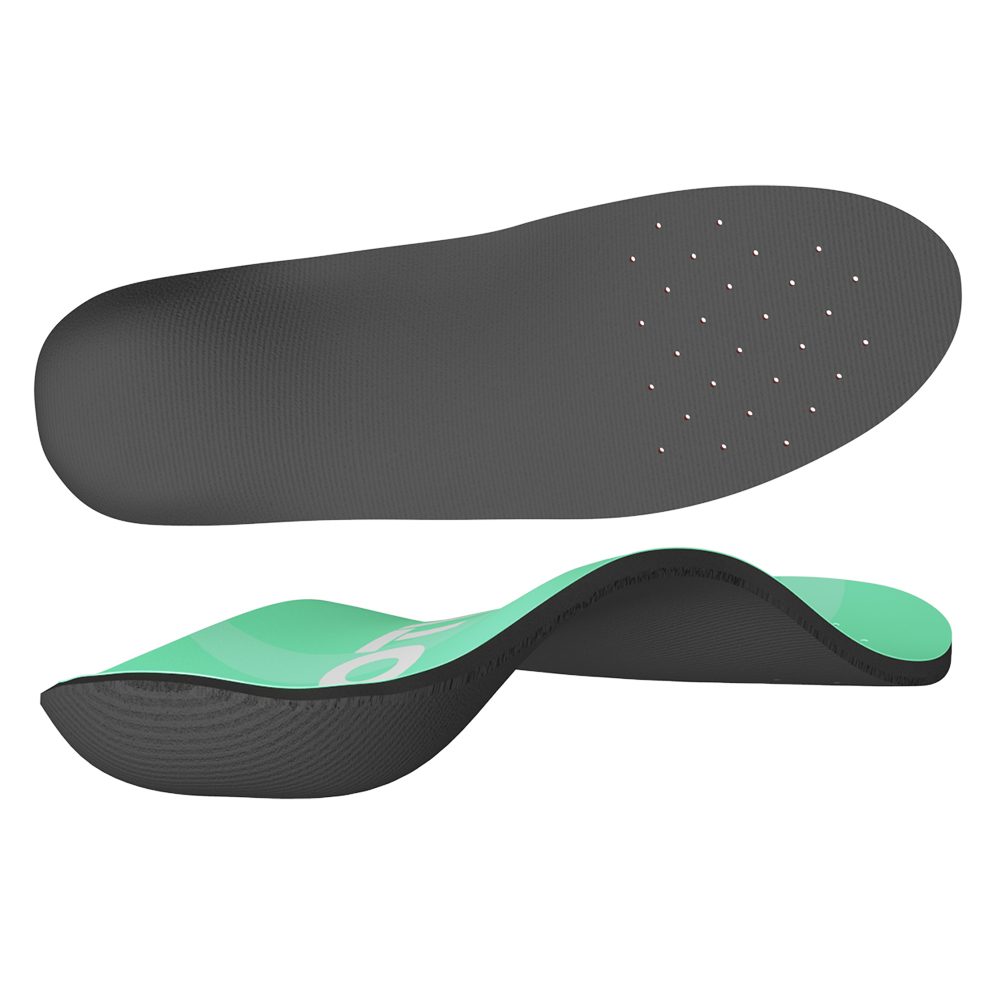
Only after the walking share, the lead side, the shoe inspection and the record have had their say does a custom pair enter the conversation, and for golfers the honest framing is decisive. The brief is unusual: a pair designed from the golfer’s own measured load pattern, built to live inside shoes whose first duty is grip and swing stability, and expected to serve both the walk and the transfer at impact. The professional designing the pair works from the two records, swing and stride, together with the four-line brief, because a daily walker’s pattern and a cart golfer’s pattern call for different answers even at the same handicap.
For retailers and workshops supplying the golf community, the supply realities make the offer practical rather than aspirational. Custom pairs are built from the customer’s own capture, so protecting capture quality matters: booking assessments outside round days, and letting the customer walk at their own pace across the plate, keeps the record representative. Volume is manageable even for a single pro shop: our own factory, for example, ships insole samples within three days, runs at roughly five hundred to a thousand pairs a day, and accepts a minimum order of two hundred pairs mixed across styles and sizes, which lets a modest retailer serve a club’s membership without holding deep stock. The framing offered to the golfer stays measured: support and load distribution shaped by his own two records, an adjustment period across a couple of rounds, and a follow-up booked before he leaves the shop. Golfers have bought a lifetime of promises about their swing; the shop that measures first and promises less is the one that ends up in their bag.
Building the Golf Offer Around the Club, Not the Individual
Golf communities concentrate, and the offer that works respects that structure. One club’s members talk daily, in the pro shop, on the tee and over the nineteenth hole, so a single well-served golfer is worth more than a season of advertising, and a single over-served one is worth a year of damage. The practical entry points are the professionals already inside the club: the club professional, the fitting days, the spike-change weekends when members are already thinking about their feet. A bench, the two checks from earlier and a booking sheet on a fitting day produce a stream of structured briefs at exactly the moment the audience is receptive.
The pathway for each member stays standard: the four interview questions, the two records, the professional’s interpretation, the pair if one is warranted, and the follow-up across a couple of rounds to hear the honest verdict. Two habits keep the offer alive season after season. First, respect the calendar: assessments booked in the weeks before a new season catch members at peak motivation, while mid-season bookings catch them at peak complaint, and both windows have value if the shop plans for them. Second, keep records across seasons, because a golfer is a rare customer whose activity repeats on a yearly cycle, and a same-months record comparison tells a longer story than any single visit. Shops that treat golfers as multi-season customers, with files that carry forward and follow-ups that respect the calendar, report the steady pattern any trade wants: the member who was measured first, promised least and followed up properly is the one who walks into the pro shop next spring bringing his playing partners with him.
Frequently asked questions
Why would a golfer need insoles if the shoes are designed for golf?
Course shoes are engineered for grip and swing stability, not for the hours of walking around them, and their insoles are usually flat. A custom pair is designed from the golfer’s own measured load pattern across both jobs: the swing and the walk between swings.
Does the lead foot really carry most of the swing load?
Through impact and the finish of the swing, the lead foot absorbs a substantial share of the weight transfer, every full swing, from the same side. The walking share of the round adds its own separate load, which is why the professional records both patterns before advising anything.
What should a golfer bring to a foot assessment?
Both the course shoes and an everyday walking pair, worn rather than new. The comparison between the swing shoe and the walking shoe, laid on the bench beside the pressure record, is the most informative single observation in the appointment.
Can a pressure map tell a golfer anything useful about the swing?
It records where force went through the steps and stances captured that day, including the transfer patterns the golfer cannot feel. It is a measurement, not a swing diagnosis, and interpretation belongs to the qualified professional running the assessment.
How long does adjustment to a custom pair take?
Most practitioners describe an adjustment period of one to two weeks, so planning the first few rounds with the pair and booking a follow-up afterwards is the realistic path. A pair that still feels wrong after the agreed period goes back for review.
Should a golfer be assessed mid-season or in the off-season?
Both windows work, for different reasons. Pre-season assessments catch members at peak motivation, and mid-season assessments catch them at peak complaint. What matters is noting the season context in the file so the record stays comparable across visits.
Are custom pairs practical for a small pro shop to offer?
Yes. Pairs are made from the member’s own capture, samples ship quickly, and minimum orders mixed across styles and sizes are modest enough for a single shop. The main requirements are a capture routine and a follow-up habit, not a warehouse.
What we would do next
Take the four interview questions and the two bench checks into your next golfer conversation: walking share and lead side, the spike inspection and the single-leg comparison. Together they take minutes, cost nothing, and demonstrate an understanding of the game’s walking half that no spike display will match.
Then plan the club pathway: a fitting-day presence, files that carry across seasons, and follow-ups scheduled around rounds rather than weeks. For load patterns that overlap with golf’s, compare notes with how other teams approach the hiker’s downhills and the cyclist’s hot spots, and if a repeat record is part of your plan, it is worth reading how other teams space the second capture before fixing an interval.
And a question for the professionals reading: in your golfer customers, does the walking record or the swing record usually surprise them more when you turn the screen around? The comments are open, and field observations like that one are exactly what the next reader wants before their own first club fitting day.
This article is intended for professional and educational reference. It is not medical advice. Foot assessment equipment produces measurements and images; clinical interpretation and any decision about care remain the responsibility of a qualified professional. Certification scope is limited to the documentation we hold: European Union certification and ISO quality system certification.